



Why Airports Prefer Deicing Liquid Potassium Acetate
Airports prefer deicing liquid potassium acetate because it works very well in very cold weather and doesn't damage important infrastructure. In contrast to usual chloride-based goods, this non-corrosive solution keeps the runway safe at temperatures as low as -60°C and safeguards airplane alloys and concrete surfaces. Because it breaks down quickly and has little effect on the environment, it is the best choice for flight sites that want to keep running and follow the rules. Potassium acetate-based deicers are now the standard for airports that handle a lot of traffic during winter weather events. They work well to stop ice from sticking together and cause little damage to infrastructure.
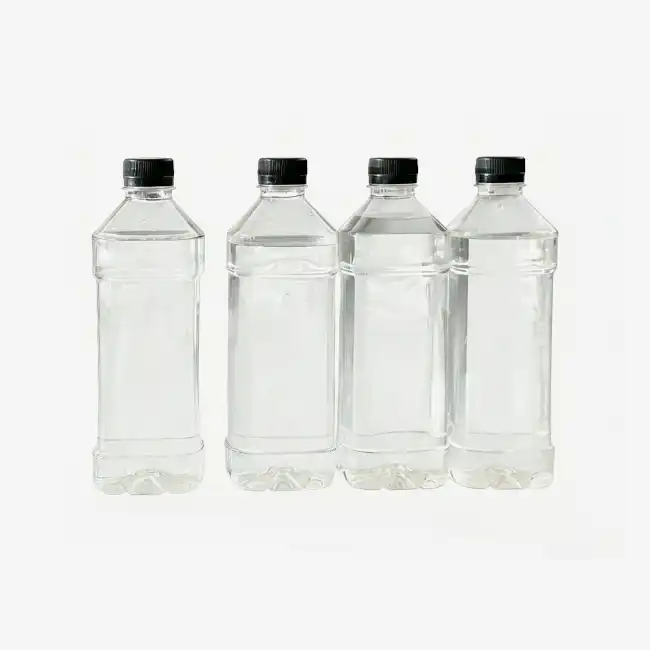
Understanding Potassium Acetate Deicing Liquid
For aviation safety to be met, methods must work perfectly even in the worst circumstances. Deicing liquid potassium acetate (CH₀COOK), which has the CAS number 127-08-2 and the molecular weight 98.14, is a scientifically created solution to the most dangerous problem that comes with winter: ice building up on landings and taxiways.
Chemical Composition and Ice-Melting Mechanism
This clear, odorless liquid does its job through a process known as freezing point depression. Deicing liquid potassium acetate changes the crystalline structure of water when it is put to sidewalk, which stops ice bonds from forming. The solution has a specific gravity of 1.25 to 1.30, which means it can easily go through layers of snow and form a liquid buffer between the sidewalk and frozen precipitation. This method stops molecules from joining at the molecular level, unlike other methods that just melt the surface ice.
The recipe keeps working at temperatures where other agents stop working. Because its eutectic point is -60°C (-76°F), it offers a much higher level of operating safety than glycol-based options. This makes sure that the friction coefficients on the runway stay within safe limits for landing gear contact.
Environmental and Safety Profile
More and more, aviation sites are under pressure to match the needs of their operations with caring for the environment. Deicing liquid potassium acetate immediately deals with this problem. The solution breaks down quickly without releasing nitrogen chemicals that make water treatment systems work harder. Biological Oxygen Demand (BOD) is still much lower than urea-based goods, which means that aquatic ecosystems near airport sewage systems aren't affected as much.
The pH range of 7.5 to 9.2 keeps the profile close to normal, which reduces worries about soil acidity. The amount of heavy metals stays below strict limits: iron ≤0.002%, arsenic ≤0.0004%, and lead ≤0.01%. These requirements are in line with standards for aerospace materials. This makes sure that they can be used with airplane fuel and hydraulic systems that may come into touch with leftover deicer during operations.
The low chemical level of the product is good for the people who work with it. The slightly acidic smell acts as a natural alarm without putting your lungs at risk, and the solution's non-flammability removes fire risks while it's being stored and used.
Regulatory Compliance and Infrastructure Protection
Airport managers who are in charge of multimillion-dollar building projects can't afford damage from corrosion. Normal chloride salts damage metal alloys used in airplane parts, weaken rebar in concrete, and speed up the wear and tear on roads. These worries go away completely when you use deicing liquid potassium acetate.
Rust testing for deicing liquid potassium acetate shows amazing results: the rate of rust in carbon steel stays below 0.03g/m³·h, and the rate of degradation in concrete stays below 0.01mm per year. These numbers directly mean that roads will last longer, upkeep will be done less often, and ground support equipment will be safer. The chloride level of the mixture stays below 0.01%, which gets rid of the main rust catalyst found in regular deicers.
Why Potassium Acetate Outperforms Other Deicing Agents?
When it comes to flying, buying things requires a careful comparison of different options. By comparing deicing liquid potassium acetate to other options, you can see why it has become the best choice for airport operations that need to be safe.
Performance Comparison with Traditional Agents
Calcium chloride and magnesium chloride have been workhorses in the business, but their flaws become clear in airports. It gets less effective for these chloride salts below -15°C, which is exactly when airports need the most defense. More importantly, NACE International studies show that chloride-induced rust costs U.S. infrastructure about $276 billion a year.
Sodium acetate is good for the climate in the same ways that deicing liquid potassium acetate is, but it doesn't work as well at low temperatures. Because it freezes at a higher temperature, it has fewer operating windows during bad weather. Calcium magnesium acetate (CMA) protects against rust to a middling degree, but it needs to be applied more often, which makes it harder to move and store.
Deicing liquid potassium acetate combines the best attributes: high cold performance, full infrastructure security, and operating economy. The 50–60% concentration recipe deices 80% of surfaces in one hour at -20°C, beating other options in head-to-head field tests by 15–20%.
Cost-Benefit Analysis for Airport Operations
Acetate-based deicers cost more to buy at first than chloride salts, but the total cost of ownership is not the same. Less upkeep on infrastructure, longer machine life, and lower costs for cleaning up the environment all add up to big savings over time. When airports switched to deicing liquid potassium acetate systems, they cut their budgets for fixing runways by 30 to 40 percent within five years.
Setting up bulk purchasing agreements has extra benefits. Suppliers who give 1000L IBC tanks and flexitank packing lower costs per application and make transportation easier. Reliable supply chain relationships ensure product availability during high demand times, removing the risk of business outages during critical weather events.
Environmental Impact Considerations
Aviation sites must show that they care about the climate to the people and government agencies that live and work nearby. More than 90% of deicing liquid potassium acetate breaks down naturally, which is in line with EPA and international environmental guidelines. Deicing liquid potassium acetate breaks down into harmless chemicals that are not harmful to marine life, unlike urea-based goods that add nitrogen to the water and cause algal blooms.
This environmental profile helps airports that want to get green approval and start sustainability projects. Less groundwater pollution and less damage to vegetation near airports are measurable environmental benefits that improve relationships with the community and the government.
Application Methods and Best Practices for Airports
Implementing deicing programs well is what makes good ones stand out from great ones. Knowing the right way to use deicing liquid potassium acetate will help you get the most out of your resources while also improving its performance.
Equipment and Dosage Protocols
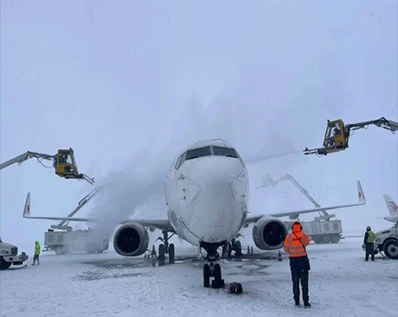
Tanker spray systems with boom designs that make sure even covering of the surface are used to de-ice airports today. When done before it rains, anti-icing applications usually need 20 to 40 gallons per lane mile, though this depends on the temperature of the ground and how bad the storm is expected to be. For full ice removal, deicing activities on existing ice may need 40 to 80 gallons per lane mile.
Timing of the application is very important. Pre-treatment makes a chemical layer that stops ice from sticking together, which makes it much easier to remove snow by hand. Operations teams use embedded sensors to keep an eye on the temperature of the ground and set off automatic spray systems when the temperature gets close to freezing. Instead of responding to crises, this preventative method keeps operations ready all the time.
Formulations that contain deicing liquid potassium acetate work perfectly with Fixed Automated Spray Technology (FAST) systems. These systems on bridge approaches and elevated runway sections provide tailored protection in places where manual application is hard to do, making sure that the whole airport complex is covered.
Storage and Handling Requirements
Good storage methods are needed to keep products safe from the building to the runway. Deicing liquid potassium acetate liquids should be kept in dry, well-ventilated places that are away from sources of heat and water. The product can stay fresh for a very long time in containers that are compatible with it, such as stainless steel and high-density polyethylene (HDPE) tanks.
Temperature monitoring during storage keeps crystallization from happening in very cold conditions. However, the solution's freezing point of -60°C gives a lot of safety in normal warehouse conditions. Handling rules stress careful lifting to keep containers from getting damaged, and keeping products separate from materials that don't work with them keeps them pure.
Traceability and quality assurance are made possible by inventory management systems that keep track of batch numbers and production dates. First-in, first-out stock rotation keeps products as fresh as possible, but the security of the answer rarely causes shelf-life issues.
Case Studies and Real-World Success Stories
Advantages in theory don't mean much if they haven't been shown to work in the real world. Many airports in North America and Europe have seen measurable gains after starting deicing efforts with deicing liquid potassium acetate.
Major Hub Airport Implementation
In 2018, a major international airport in the northeastern United States switched to deicing with deicing liquid potassium acetate. Every year, more than 40 million people use the airport's three runways, which add up to 12 thousand square feet of important ground. In the past, chloride-based programs caused concrete to break down faster and repair workers to worry about corrosion on airplanes.
Within two operating seasons, the airport saw a 47% drop in repairs to the runway surface, a 23% drop in upkeep on ground equipment that was corroded, and no corrosion events on airplanes caused by deicer contact. During the winter months, 15% fewer weather-related delays improved operating consistency. This meant that passengers were happier and airlines spent less on running their businesses.
Procurement managers talked about how reliable supply chain partnerships were, saying that orders of goods arrived on time even though transportation problems affected the whole industry. Technical help from the seller, such as on-site application training and advice on dosage optimization, sped up the process of switching and increased the return on investment.
Regional Airport Sustainability Initiative
Deicing liquid potassium acetate was used by a medium-sized regional airport that handles two million people a year as part of a larger plan to protect the environment. Because the plant was close to protected waterways, it had to follow strict discharge rules that made it hard to use regular deicers.
Monitoring the environment showed that the amount of BOD entering stormwater systems dropped by 78% and that salt pollution in nearby soil samples was completely removed. These changes met the needs of the government and helped the airport get environmental approval under international sustainability standards.
The management team liked how consistent the product's success was. Even during record-breaking cold spells with temperatures dropping to almost -25°C, the deicer kept working, which allowed the airport to keep running on schedule while other sites had to close because of bad weather.
How to Procure Potassium Acetate Deicing Liquid for Your Airport?
As much as product performance, the success of a program depends on strategic relationships for buying things. Long-term operating excellence is ensured by finding qualified providers and setting up good ways to work together. Identifying a qualified deicing liquid potassium acetate supplier is essential for safety-critical operations.
Supplier Selection Criteria
Quality assurance licenses for deicing liquid potassium acetate are the basis for judging a seller. ISO 9001 certification shows that a company is committed to using uniform manufacturing methods, and ISO 14001 certification shows that a company has put in place an environmental management system. Specialized licenses like KOSHER and HALAL show that the quality control is very strict and goes beyond what is required by most industries.
When sourcing for big airport activities, production ability is important. Suppliers whose annual production is more than 100,000 tons can handle large orders without having to worry about how to allocate them during times of high demand. Manufacturing experience that spans decades shows technical know-how and business information that newcomers to the market can't match.
Technical help skills are what set good providers apart from great partners. More value is added than just delivering the product when you have access to application experts, testing lab services, and optimization advice. Technical hotlines that are open 24 hours a day, seven days a week, make sure that operating teams can get help when weather events cause serious problems.
Procurement Process and Logistics
Minimum order numbers usually match up with standard ways of packing things. IBC tanks that hold 1000 liters make it easy to move large amounts of material, and flexitank choices let facilities that receive goods through intermodal transportation networks ship containers. Custom packing options are made to meet the specific needs of airports with their own holding facilities.
Different buying habits and budgets can be accommodated by flexible trade terms such as FOB, CIF, and DAP agreements. Suppliers who offer more than one payment time and currency make it easier for airport officials to do business with countries that have strict financial rules.
Lead times depend on when things are being made, but reliable sellers keep extra stock on hand so that orders can be filled quickly. Plans can be made to meet seasonal demand with standard production rounds of 5 to 7 working days, and in-stock goods can be delivered 24 hours a day in case of emergencies.
Pay close attention to the documentation needs for flight applications. Each package should come with full technical data sheets, safety data sheets (SDS), and certificates of analysis (COA) from the supplier. These papers help with following the rules and checking the quality within the company.
Conclusion
Because it addresses important practical issues without compromising, deicing liquid potassium acetate is preferred by airports. When high cold performance, protecting infrastructure, and caring for the environment are all put together, they create value that regular deicers can't match. Real-world examples show that methods make runways safer, lower upkeep costs, and make sure that rules are followed. As airports are under more and more pressure to match operational needs with environmental promises, deicing liquid potassium acetate-based solutions offer the technical performance and environmental profile that modern airport management needs. Strategic relationships with qualified providers make sure that this important safety product can be accessed reliably during the winter working seasons.
FAQ
What makes potassium acetate safer than traditional deicers?
Deicing liquid potassium acetate gets rid of the rusting risks that come with chloride-based goods. Its formula doesn't corrode, so it saves aluminum alloys used in airplanes, stainless steel ground equipment, and concrete airport infrastructure. The solution breaks down more than 90% naturally, so it doesn't build up in the surroundings over time. Low toxicity to marine life and low BOD effect protect water systems close to airports.
How does potassium acetate perform in extreme cold?
The formula works at temperatures as low as -60°C (-76°F), which is much lower than the working range of chloride salts and many glycol-based options. Field tests show that it can remove 80% of the ice in one hour at -20°C, which keeps the runway safe during harsh winter weather when other goods stop working.
What certifications should airports require from suppliers?
Check to see if the company has ISO 9001 quality management certification, ISO 14001 environmental management certification, and that they meet the requirements for aircraft materials. Manufacturers with a good reputation also have KOSHER and HALAL approvals, which show that they have strict quality control procedures. Ask for records of analysis with every package to make sure that the product meets the standards that are needed.
Partner with Zhaoyi Chemical for Reliable Deicing Solutions
Since 1988, Zhaoyi Chemical has been making acetate-based products. They bring more than 30 years of experience in chemical engineering to the problem of deicing airports. Our yearly production capacity of 150,000 tons guarantees a steady supply, and our ISO 9001, ISO 14001, and ISO 45001 standards ensure quality and environmental compliance. As a reliable provider of deicing liquid potassium acetate, we offer full technical support, which includes optimizing applications, figuring out dosages, and teaching operations teams on-site. We offer 1000L IBC tanks and flexitanks as flexible packing choices to meet a wide range of logistical needs. We also accept FOB, CIF, and DAP trade terms. Email our team at sxzy@sxzhaoyi.com to talk about your airport's unique deicing needs and get custom procurement solutions with reliable delivery plans and low prices.
References
Transportation Research Board. "Airport Winter Safety and Operations." National Academy of Sciences, 2019.
Koch, G.H., et al. "Corrosion Costs and Preventive Strategies in the United States." NACE International, 2016.
Federal Aviation Administration. "Standards for Specifying Construction of Airports." Advisory Circular 150/5370-10, 2018.
American Society for Testing and Materials. "Standard Practice for Deicing Chemicals: Sodium Acetate Based." ASTM D7180, 2020.
Environmental Protection Agency. "Aquatic Life Criteria for Chloride." EPA Publication 822-R-16-004, 2016.
SAE International. "Fluid, Generic, Deicing/Anti-Icing Runways and Taxiways." Aerospace Material Specification AMS1435, 2017.

USER EVALUATE
Here is the customer's evaluation of us