



Maintaining Safe Highways with Deicing Liquid Potassium Acetate
Highway repair contractors, city governments, and airport managers all over the world face big problems when they have to handle roads in the winter. Choosing the right deicing agent is very important as the need to keep operations safe while causing as little damage to the environment as possible grows. Deicing liquid potassium acetate is an innovative answer that strikes a balance between great ice-melting performance, infrastructure safety, and environmental stewardship. This clear, white liquid with the molecular formula CH3COOK works well to prevent icing at temperatures as low as -60°C, which makes it a smart choice for procurement workers in charge of important winter operations. When infrastructure teams know about a material's qualities, how it can be used, and where to get it, they can make choices that protect public safety and the long-term value of assets.
Understanding Potassium Acetate Deicing Liquid
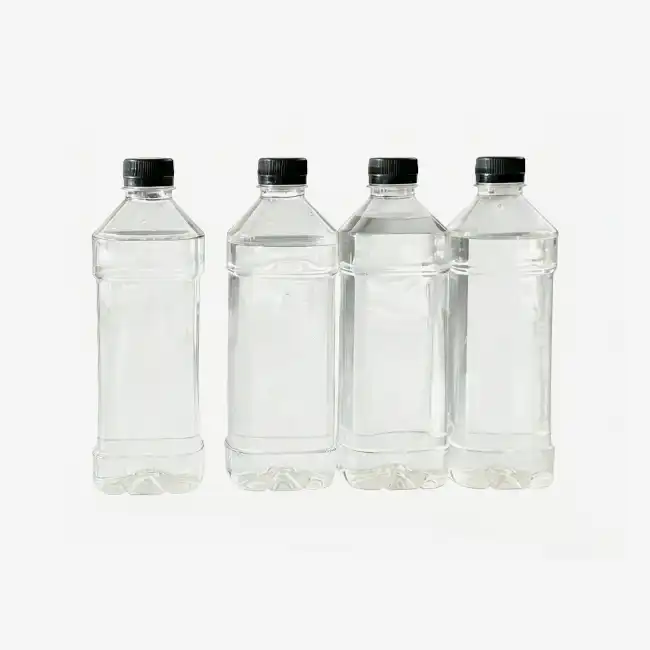
By dropping water's freezing point by a large amount, deicing liquid potassium acetate is a strong cryogenic agent that stops ice from forming. This chemical dissolves in water and breaks the link between frozen precipitation and pavement surfaces. This makes it easier to remove the ice mechanically and stops it from freezing again, which could be dangerous.
Chemical Composition and Properties
The scientific details make it clear why this approach works better than other options. With a concentration range of 50–60% potassium acetate and a specific gravity range of 1.25–1.30, the liquid works well at all temperatures. The pH range of 7.5 to 9.2 is a balancing range that neutralizes acidity and keeps metal parts from breaking down. Importantly, strict cleanliness standards make sure that the amount of salt in the water stays below 0.01%, the amount of heavy metals stays below 0.001%, and the amount of iron doesn't go over 0.002%. These factors directly lead to lower corrosion risks and longer life spans for structures.
Environmental Safety Profile
Deicing liquid potassium acetate biodegrades easily, unlike chloride-based salts or urea compounds. It does not release dangerous nitrogen compounds or raise Biological Oxygen Demand levels in streams. Environmental engineering studies have shown that it is not harmful to water environments or plants, so it can be used in places that are sensitive to pollution. Municipal wastewater treatment plants have shown that potassium acetate flow doesn't get in the way of their processes and doesn't cause any problems. This is very different from how standard road salts damage the environment.
Performance Advantages Over Conventional Methods
The liquid version works quickly because it can penetrate more deeply. Solid deicers need time to break down and start working, but deicing liquid potassium acetate that has already been dissolved starts working as soon as it comes into touch with water. Field data from highway repair operations shows that deicing rates can reach over 80% in just one hour at -20°C, which is a lot faster than using solid materials. This quick action lowers the chance of an accident during critical storm times when a lot of people are driving.
Comparing Potassium Acetate with Other Deicing Solutions
Before making a purchase choice, it's important to carefully compare the performance, infrastructure effect, and total cost of ownership of all the deicing technologies that are available.
Potassium Acetate vs. Sodium Chloride
Traditional rock salt is used for winter care mostly because it is easy to find and cheap to buy at first. But because sodium chloride is acidic, it causes concrete, rebar, bridge steel, and vehicle undercarriages to break down more quickly, which has big hidden costs. Transportation departments have found that chloride acids dissolve carbon steel at rates higher than 0.15g/m²·h. Deicing liquid potassium acetate, on the other hand, has a very low corrosion rate of only 0.03g/m²·h. These five-fold differences directly lead to longer bridge service lives and lower repair costs. Deicing liquid potassium acetate is also better for the environment because chloride buildup in soil and groundwater causes long-lasting damage to the environment that leads to more and more limits.
Comparison with Calcium and Magnesium Chlorides
Calcium chloride and magnesium chloride work better than sodium chloride at low temperatures, but they still have a lot of problems with corrosivity and make concrete scale. Magnesium chloride especially speeds up the breakdown of concrete by starting chemical processes that weaken the structure. Deicing liquid potassium acetate gets rid of these infrastructure risks and stays effective at similar temperature levels, so it protects important assets without lowering performance.
Acetate Solutions: Potassium vs. Sodium
Both deicing liquid potassium acetate and sodium acetate are biodegradable and don't corrode easily. Potassium acetate has a better freezing point drop, which means it works at higher temperatures. When water hits soil, the potassium ion acts as a nutrient instead of a contaminant, which is also good for farming. Teams that are in charge of different climate zones often like deicing liquid potassium acetate because it can be used in a wider range of temperatures and is better at penetrating surfaces.
Application Methods and Best Practices for Potassium Acetate Deicing Liquid
To get the most out of this advanced deicing solution, you need to know the right way to use it and follow the right procedures to make sure everyone stays safe and the material works as well as possible.
Anti-Icing vs. Deicing Strategies
Anti-icing treatments made before rain or snow fall are the most cost-effective way to use them. Maintenance workers on highways use spray trucks with distribution bars to apply deicing liquid potassium acetate solution. This makes a protective brine layer that keeps ice from sticking together. This preventative method uses less materials than reactive deicing and keeps the roads safer during the whole storm. The best results come from keeping an eye on weather reports and putting resources to use 1-2 hours before it starts to rain.
Integration with Fixed Automated Spray Technology
Automated spray systems that apply measured amounts at set times are especially helpful for bridge structures. These FAST systems protect weak bridge decks in places where regular spreading tools don't work as well. Because deicing liquid potassium acetate is a liquid, it doesn't clog nozzles like solid deicers do, so it can be used reliably in automatic systems. When these tools are put in place on high-priority bridge buildings, infrastructure managers say they save a lot of time and make things safer.
Dosage Optimization and Material Management
Rates of application are usually between 40 and 80 gallons per lane mile, but they vary on the temperature of the surface, the type of rain, and the amount of traffic. Calibrating spray tools and teaching operators makes sure that coverage is uniform and that too much isn't wasted. To keep improving operational efficiency, procurement professionals should set clear procedures that include checking equipment before a storm, making sure applicators are calibrated correctly, and evaluating performance after an event.
When compared to using reactive salt, highway departments that use structured anti-icing programs with deicing liquid potassium acetates report 20–40% fewer accidents during winter weather events. These improvements in safety make it worth spending money on good deicing products and training on how to use them correctly.
Storage and Handling Protocols
Good material management keeps performance traits and extends the life of a product. Deicing liquid potassium acetate solutions need to be kept in buildings that are dry, well-ventilated, and away from heat sources and chemicals that don't mix. When kept in the right containers, like stainless steel tanks or high-density plastic vessels, the product has a stable shelf life. Material safety data sheets describe how to handle products in a way that keeps workers safe and the purity of the product throughout the supply chain.
Procurement Guide: Sourcing Quality Potassium Acetate Deicing Liquid
To do strategic sourcing, you need to find dependable providers who can provide consistent quality, cheap terms, and reliable logistics support during the busy winter months.
Evaluating Supplier Capabilities
Supply continuity is guaranteed by manufacturers who have set production capacity and quality standards. Since its founding in 1988, Zhaoyi Chemical has been making chemicals and has a production capacity of 150,000 tons of acetate per year. Certifications like ISO 9001, ISO 14001, ISO 45001, KOSHER, and HALAL show that a company is dedicated to quality management systems and meeting the needs of specific applications. Teams in charge of buying things should make sure that the companies they work with have thorough testing processes and can track each batch, so that every delivery of deicing liquid potassium acetate meets the technical requirements that were set.
Understanding Minimum Order Quantities and Packaging
For container shipping, bulk purchases usually come in 1000L IBC tanks or flexitanks, and sellers can offer custom packaging solutions to meet specific operating needs. Procurement experts can combine the costs of keeping inventory with the benefits of lower prices per unit when they know the minimum order quantities. By working with manufacturers who can accommodate flexible shipping plans, you can avoid running out of stock during times of high demand and avoid having to store too much.
Contract Negotiation and Trade Terms
Chemical providers with a lot of experience can work with a range of trade terms, such as FOB, CIF, and DAP, to meet the needs of different customers. Talking about shipping times, payment terms, and paperwork needs up front keeps things clear and makes sure the deal goes smoothly. Teams in charge of buying things and handling multi-year contracts should talk about supply promises that protect against shortages during harsh winters, when demand for deicing liquid potassium acetate rises across regions.
Technical Support and Application Guidance
Suppliers who offer full expert support add a lot of value above and beyond just delivering products. Having access to application experts who know about the weather and infrastructure problems in the area helps deicing systems work better. Zhaoyi Chemical's expert team is available 24 hours a day, seven days a week to help with things like dosage suggestions, equipment compatibility advice, and fixing that makes operations run more smoothly.
Benefits and Future Outlook of Potassium Acetate in Highway Safety
By using deicing liquid potassium acetate acetate-based deicing options, infrastructure companies will be better able to meet changing practical, environmental, and legal needs while also making the business more profitable in the long run.
Infrastructure Preservation and Lifecycle Cost Reduction
The non-corrosive recipe directly extends the life of the pavement, lowers the number of times that bridges need to be maintained, and keeps fleet vehicles' undercarriages from breaking down. When transportation agencies figure out the total cost of ownership, they know that high-quality deicing products pay for themselves by putting off repairs and making assets last longer. When deicing liquid potassium acetate is added to concrete, the rate of weathering is less than 0.01 mm per year. This means that the structure stays strong for decades.
Environmental Compliance and Sustainability Goals
More and more, chloride use is limited by rules near rivers, marshes, and sources of drinking water. Biodegradable deicing liquid potassium acetate makes it possible to run winter activities legally in areas that are sensitive to the environment and can't use regular salts because they are banned or limited. Municipalities that want to be more environmentally friendly like how acetate solutions support both operational safety standards and business social responsibility promises without forcing people to choose between the two.
Technological Integration and Smart Infrastructure
New technologies for winter care include tracking the weather in real time, sensors that attach to the road surface, and automated systems that make the best use of materials. The liquid form of deicing liquid potassium acetate works well with precision application tools and data-driven decision support systems. Transportation companies that are engaging in smart infrastructure know that improved deicing chemistry works well with technology to make winter management plans that are safe, cost-effective, and good for the environment.
Market Developments and Product Innovation
Chemical companies keep improving acetate mixtures by adding performance agents that improve rust inhibitors, change the viscosity, and increase the temperature ranges and applications that can be used. People who work in procurement who keep good ties with their suppliers get early access to new products that give them a competitive edge. Sustainable infrastructure management around the world means that more money will continue to be put into deicing liquid potassium acetate solutions. Increasing production capacity will also make them more available and improve the stability of the supply chain.
Conclusion
Deicing liquid potassium acetate is a tried-and-true way to deal with the complicated needs of highway repair work. Because it works so well at low temperatures, protects infrastructure, and doesn't harm the environment, it's a smart choice for buying teams that are in charge of winter safety. Initial material costs may be higher than those for regular rock salt, but a full lifetime study shows that it is well worth the money because it saves money on upkeep, is better for the environment, and makes people safer. Deicing liquid potassium acetate solutions give organizations that care about both business success and sustainability measured results in a number of performance areas.
FAQ
Is potassium acetate safe for vegetation and aquatic ecosystems?
Compared to chloride-based deicers, deicing liquid potassium acetate is much less harmful to the environment. Because it is biodegradable, it breaks down naturally and doesn't end up in grounds or rivers. The potassium part actually gives plants nutrients instead of hurting them like salt does. Environmental studies show that using it at the suggested rates has little effect on marine life. This means that it can be used near sensitive environments, bodies of water, and protected areas where other deicing products aren't allowed.
What documentation should procurement teams request from suppliers?
For professional purchasing, you need a lot of quality paperwork, like Material Safety Data Sheets (MSDS), Certificates of Analysis (COA) with test results specific to the batch, and safety certifications that are valid in your area. Suppliers should give technical standard sheets that list performance factors, concentration levels, and purity levels. International quality certifications like ISO 9001 show that quality management is done in a planned way. Specialty certifications like KOSHER or HALAL may be useful in some situations. By asking for this paperwork, you make the supply line for deicing liquid potassium acetate clear and make sure that the materials are the same from delivery to delivery.
How does corrosion protection translate to infrastructure savings?
Deicing liquid potassium acetate has a weathering rate that is up to five times lower than chloride salts. This means that concrete, steel support, and metal infrastructure parts last longer. Keeping salt from causing bridges to deteriorate and need expensive repairs is especially good for maintenance funds. Less damage to the undercarriage and longer repair gaps are seen in vehicle companies. When transportation agencies use lifetime cost analysis to figure out how much these benefits are worth, they always find that maintaining infrastructure is worth more than the extra cost of using more advanced deicing chemicals, so they make money over long-term planning periods.
Contact Zhaoyi Chemical: Your Trusted Deicing Liquid Potassium Acetate Supplier
For highway repair to go smoothly, it's important to work with manufacturers that understand the problems that come up and always offer high quality. Zhaoyi Chemical has been making acetate for more than 35 years and offers deicing liquid potassium acetate that is made to strict quality standards and comes with all the necessary approval paperwork. Our annual capacity of 150,000 tons ensures supply during the busy winter months, and flexible packing in 1000L IBC tanks or flexitanks meets a wide range of operating needs. We keep stock on hand so that orders can be filled right away. Lead times are usually between 5 and 7 business days. Email our technology team at sxzy@sxzhaoyi.com to talk about your winter repair plan, get samples of our products, or come up with your own ways to buy them. Find out how working with an expert deicing liquid potassium acetate manufacturer can help you protect your assets and live up to your environmental responsibility promises.
References
American Public Works Association. Winter Maintenance Best Practices Manual: Deicing and Anti-icing Applications. Kansas City: APWA Press, 2021.
Fay, Laura and Shi, Xianming. Environmental Impacts of Chemicals for Snow and Ice Control: State of the Knowledge. Transportation Research Record: Journal of the Transportation Research Board, 2012.
National Academies of Sciences, Engineering, and Medicine. Handbook of Highway Winter Maintenance Operations Management. Washington, DC: The National Academies Press, 2019.
Transportation Research Board. Guidelines for the Selection of Snow and Ice Control Materials to Mitigate Environmental Impacts. NCHRP Report 577, Washington, DC, 2007.
Venner, Marie and Berger, Andrew. Integrating Weather and Road Information Systems into Winter Maintenance Decision Support. FHWA-IPD-13-004, Federal Highway Administration, 2013.
Vitaliano, Donald F. Economic Assessment of the Benefits of Winter Road Maintenance: A Cost-Benefit Analysis. Transportation Quarterly, Vol. 56, No. 2, 2002.

USER EVALUATE
Here is the customer's evaluation of us