



Snow Melting Liquid Potassium Acetate: Reliable Performance at -60°F
When operations have to stop in the winter because regular de-icers don't work in very cold weather, infrastructure managers have to deal with costly delays and safety risks. Snow melting liquid potassium acetate is a safe solution that works at -60°F, which is why it is so important for critical sites that work in very cold places. This advanced snow melting liquid potassium acetate-based de-icing product works very well at low temperatures and has little to no effect on the environment or corrosion. It solves the main problems that airports, highway departments, and industry sites in North America's toughest winter regions have.
Understanding Liquid Potassium Acetate for Snow Melting
Chemical Composition and Physical Properties
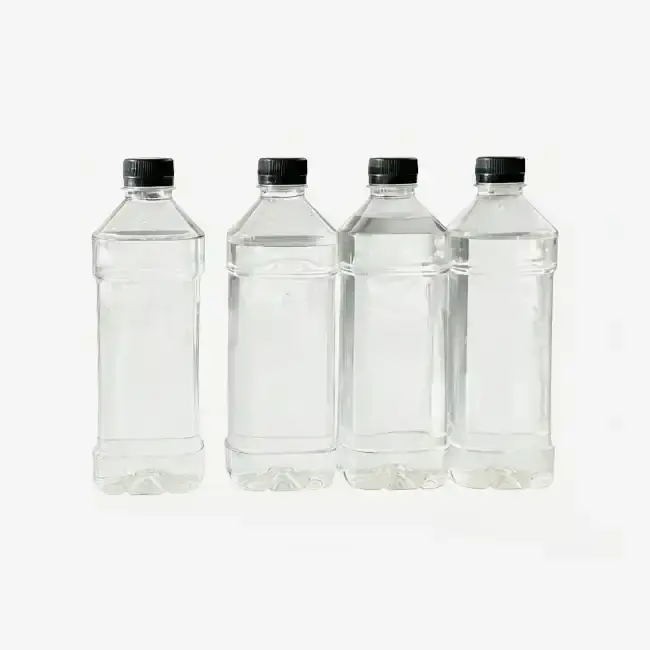
Snow melting liquid potassium acetate (CH₃COOK) that is dissolved in water at amounts usually between 50 and 60% makes up snow melting liquid potassium acetate (CAS NO. 127-08-2). The molecular weight of this clear, colorless liquid is 98.14, and it is slightly acidic, which makes it different from chloride-based options. When the solution is properly mixed, its eutectic point allows it to work down to -60°F, even though its freezing point is around -35°C at normal amounts. The snow melting liquid potassium acetate ion can break up hydrogen bonding networks that help ice crystals form, which is why it is so stable at low temperatures.
How Potassium Acetate Disrupts Ice Formation
The de-icing process works by lowering the freezing point, which is a collligative feature that happens when dissolved particles get in the way of water crystallizing. When snow melting liquid potassium acetate molecules are put on frozen surfaces, they break the molecular bonds that hold ice to the underlying structure. Unlike solid deicers that need time to dissolve, liquid deicers work as soon as they touch the surface and show effects within an hour, even at -25°C. This ability to move right away is very important for operations that need to be done quickly, because every minute that a runway or highway is closed has big practical and financial effects.
Safety Standards and Regulatory Compliance
Aviation-grade snow melting liquid potassium acetate formulas meet the requirements set by SAE International in AMS 1435. This means they are compatible with materials and systems used in airplanes. The biodegradability is higher than 95%, which meets environmental standards set by government agencies that are in charge of keeping groundwater safe and marine ecosystems healthy. For storage, products must be kept in dry, well-ventilated buildings that are kept away from substances that don't go with them. This is done by following standard chemical handling procedures that keep the integrity of the product throughout the supply chain. If you handle the solution the right way, you can avoid safety issues and keep its performance over long periods of keeping.
Comparing Liquid Potassium Acetate with Alternative Snow Melting Solutions
Performance Benchmarking Against Sodium and Calcium Chlorides
Traditional chloride-based de-icers are used by most cities to clear snow because they are cheap to buy. However, they come with hidden costs like damage to infrastructure and cleanup of the environment. Sodium chloride stops working below 15°F and causes more than 0.15g/m²·h of rust on carbon steel, which is five times faster than snow melting liquid potassium acetate's rate of 0.03g/m²·h. Calcium chloride works better at low temperatures, but it hurts concrete by causing it to spall and osmotic pressure, which means it will need to be fixed for a long time. More and more, bridge officials are realizing that chloride-caused rebar rust in concrete decks makes repair costs much higher than the price difference between regular salts and snow melting liquid potassium acetate solutions.
Snow melting liquid potassium acetate-based products protect infrastructure, which means they give a clear return on investment. Parking garages that use chloride de-icers usually need major repairs every 15 to 20 years, but garages that use snow melting liquid potassium acetate protectants last longer, longer than 40 years. This advantage of durability is especially useful for airport managers who are responsible for the multimillion-dollar infrastructure of runways and bridges and hold repair companies responsible for making sure structures last a long time.
Evaluating Glycol and Urea Alternatives
Propylene glycol and ethylene glycol treatments are non-corrosive options, but they each have their own problems. Biochemical oxygen demand (BOD) levels are higher in glycol formulas, which puts stress on wastewater treatment systems when runoff hits city collection networks. Several states' environmental agencies have limited the use of glycol near sensitive waterways. This makes it harder to get permits for sites that are close to protected areas. While urea-based goods can help fertilize with nitrogen, they break down into ammonia chemicals that are harmful to aquatic life and add to eutrophication in the water they enter.
By breaking down quickly into carbon dioxide and water, snow melting liquid potassium acetate avoids these environmental problems. This leaves snow melting liquid potassium acetate as a good soil ingredient instead of a waste. This ecological profile meets stricter stormwater discharge standards without lowering the efficiency of deicing. This makes snow melting liquid potassium acetate solutions the best long-term choice for companies that care about the environment.
Procurement Guide for Liquid Potassium Acetate
Essential Supplier Qualifications
To find a reputable snow melting liquid potassium acetate maker, you need to look at their production capacity, quality control methods, and expert support. Established manufacturers should show that they are certified with both ISO 9001 for quality management and ISO 14001 for environmental management. If the annual production capacity is more than 100,000 tons, it means that the business is big enough to meet the needs of large contracts without having to stop supplies during the busiest winter months. Manufacturers who have been in business since the 1980s have 30 years of experience refining formulations and learning how to use them, which younger companies can't match.
When evaluating suppliers, you should pay close attention to the quality standards. Premium snow melting liquid potassium acetate should have a CH₃COOK content of 50–60% and strict controls on impurities, such as chloride content ≤0.03%, iron content ≤0.002%, and heavy metals content ≤0.01%. These quality standards make sure that deicing works the same way every time and keep materials from not working with sensitive infrastructure parts. Lab certification papers and batch testing procedures make sure that the quality of the given product matches the specifications.
Packaging and Logistics Considerations
For containerized shipping, bulk buying usually uses 1000L IBC tanks or flexitanks, which are cheaper and easier to handle than smaller package forms. IBC tanks let you connect directly to automated spray systems without having to do any transfer work first. This cuts down on the amount of work that needs to be done and the chance of spills. Flexitank solutions make the most of the economics of ocean freight for foreign shipping by letting you carry the most cargo inside a normal container. It's important for procurement managers to know if packing costs are included in the prices they give or if they need to be added as separate line items. This is because it affects how they figure out the total landed cost.
Lead times change with the seasons, and makers keep a lot of goods on hand in the winter, so spot supplies are available during that time. For large projects, you might need to give 15 days' notice to set up operations and production schedules. Setting up standing orders before seasonal demand peaks makes sure that supplies will be available and often lets you take advantage of big price structures that help your budget work better. Transportation relationships with specialized chemical carriers make sure that the right steps are taken to handle the products safely from the place where they are made to where they are used.
Application Scenarios and Case Studies Demonstrating Reliable Performance at -60°F
Airport Runway and Taxiway Operations
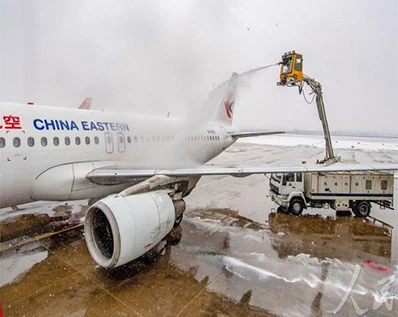
Aviation sites are the main place where snow melting liquid potassium acetate is used and where it performs best. When winter weather events cause runway closures, flights are delayed, passengers are inconvenienced, and airport owners and airlines lose a lot of money. A big international airport in the north of the US switched from using regular solid de-icers to using automatic snow melting liquid potassium acetate spray systems on its 12,000-foot main runway. The installation cut the average length of closure from 45 minutes to 12 minutes per treatment cycle. This made it easier to keep operations going during early morning exit runs.
In airside uses, snow melting liquid potassium acetate is chosen based on how well it works with other materials on aircraft. Landing gear assemblies, brake systems, and metal skin areas that come into touch with de-icing chemicals must be able to handle this many times without rusting or losing their performance. Snow melting liquid potassium acetate formulations meet strict flight standards that don't allow materials that create foreign object debris (FOD), which is a major safety risk that solid granular de-icers can't get rid of. The liquid treatment doesn't leave behind any particles that could get into jet engines or hurt tire systems as they speed up for takeoff.
Fixed Automated Spray Technology for Building Bridges
Due to the flow of cold air under high structures, bridge decks freeze before nearby roadway segments. This creates dangerous ice formations that are hard to remove with standard spreading equipment. FAST devices have sensors on the ground, weather stations, and precise spray nozzles that turn on automatically when conditions are right for ice to form. Liquid de-icers are the only ones that can work in these setups. They can flow through pressure distribution networks without blocking the nozzle orifices.
A state transportation body that is in charge of more than 200 bridges in mountainous areas put snow melting liquid potassium acetate FAST systems in place on key routes that get closed a lot in the winter. Accidents caused by ice were 73% lower on treated bridges than in test areas where salt was applied by hand, according to a study done after the installation. The automated method to protection got rid of the costs of getting people to help in an emergency and kept chloride from getting into the structural steel reinforcement in concrete bridge decks and causing corrosion damage.
Commercial and Industrial Buildings
On corporate sites, hospital buildings, and university campuses, pedestrian safety is just as important as protecting the environment and architectural materials. Traditional rock salt hurts flowering plants, changes the color of artistic brickwork, and speeds up the breakdown of concrete in plazas and parking lots. A healthcare system with facilities in cold climates switched to snow melting liquid potassium acetate for the entrances and emergency room access routes. This stopped patients from falling because the ice wasn't being controlled well enough and saved mature landscaping plants that would have cost a lot to replace.
The clean application properties of snow melting liquid potassium acetate are useful in industrial settings that work with temperature-sensitive materials or precise machinery. The answer doesn't leave behind any grit that could dirty production areas or mess up sensor systems and automatic guidance equipment. Manufacturing sites that are open 24 hours a day, seven days a week can't have access problems caused by poor winter maintenance. This is why solid performance in high temperatures is so important for keeping operations going.
Why Choose Liquid Potassium Acetate Over Other Solutions?
Extreme Temperature Performance Advantages
Snow melting liquid potassium acetate is different from other chemicals that freeze or stop working in very cold temperatures because it can still be used reliably at -60°F. This performance cushion is very important for sites in the north, where extreme cold snaps last for several days. However, while rivals' goods might work fine in mild winter weather, they break down right when things get tough and keeping operations going is very important. Picking a de-icer based on normal winter temperatures instead of extreme cold events is bad risk management that can stop activities at crucial times.
The fact that more than 85% of the snow melts in just one hour at -25°C shows how quickly action is needed for time-sensitive tasks. This responsiveness lets us use preventative treatment strategies, like applying the treatment ahead of time to stop ice from forming, instead of reactive strategies, like rushing to get entry back after things get worse. Preventative winter maintenance cuts down on overtime, machine wear, and the cost of responding to emergencies. It also makes operations safer and more predictable.
Total Cost of Ownership Analysis
When you look at the costs of de-icers, you need to look at more than just the initial purchase price. You need to think about protecting infrastructure, being environmentally friendly, and how well they work. For many uses, the high price is worth it just to avoid corrosion; rebuilding a single bridge deck costs millions of dollars, which is a lot of snow melting liquid potassium acetate de-icer. The owners of parking garages have to make similar decisions when chloride-caused damage leads to costly repairs that the right choice of materials could delay or avoid.
As stormwater rules get stricter and standards for tracking runoff grow, environmental compliance costs become a bigger factor in choosing a de-icer. When a facility releases wastewater into a sensitive watershed, it may have to treat the wastewater or follow permit rules that make chloride use more difficult. This can create practical problems that biodegradable snow melting liquid potassium acetate formulations prevent. As regulations keep changing to protect the environment more, choosing snow melting liquid potassium acetate is becoming an investment that will pay off in the long run instead of a short-term cost boost.
Supply Chain Reliability and Technical Help
Working with a well-known snow melting liquid potassium acetate maker gives you supply security that you can't get from a seller of general chemicals. Dedicated production capacity, smart inventory placement, and transportation partnerships make sure that products are available during the busiest winter months, when supply problems could otherwise lead to shortages. Manufacturers that have been in business for 30 years or more have shown that they can handle different market situations and economic changes. This means that the business will continue to run for a long time.
Quality sellers are different from transactional vendors because they offer technical help. Application advice helps find the best dilution rates for different climates and types of infrastructure, so they work best while keeping costs low. Responding to unexpected problems that come up during seasonal operations with expert advice keeps small problems from getting worse and causing problems with operations. This partnership method adds value to more than just the product. It helps winter maintenance programs work well by sharing information and working together to solve problems.
Conclusion
If a business needs to reliably control ice at very high temperatures without putting infrastructure at risk or being bad to the environment, snow melting liquid potassium acetate is the best option. Its proven performance at -60°F, low corrosion, and fast biodegradation meet the important needs of airports, bridge officials, and site managers who work in harsh winter conditions. Even though the starting costs are higher than those of commodity chloride alternatives, the total cost of ownership equation strongly favors snow melting liquid potassium acetate when environmental compliance and infrastructure safety factors are taken into account. Snow melting liquid potassium acetate use will continue to grow in temperature-critical applications where dependability can't be compromised. This is because winter care is shifting toward more sustainable methods that protect valuable assets instead of just moving snow.
FAQ
What makes snow melting liquid potassium acetate effective at -60°F?
Because its eutectic freezing point is so low, snow melting liquid potassium acetate works reliably at -60°F. This happens when the solution hits its ideal concentration. The snow melting liquid potassium acetate ions stop the formation of ice crystals by getting in the way of the hydrogen bonding networks that hold water molecules together. Snow melting liquid potassium acetate stays liquid and chemically active at very low temperatures, while chloride forms solidify and lose their usefulness below 15°F. This chemical stability makes sure that the deicing works the same way every time, even during very cold spells that make other goods useless.
How does snow melting liquid potassium acetate compare to sodium acetate for snow melting?
Both snow melting liquid potassium acetate chemicals are better for the environment than chloride de-icers, but snow melting liquid potassium acetate works better at low temperatures and is safer for infrastructure. Formulations with sodium acetate usually work well down to about 0°F, while potassium versions keep working down to -60°F. When runoff hits earth systems, the potassium cation helps plants grow because it acts as a good nutrient instead of a bad one for the environment. Because of material compatibility requirements, aviation uses snow melting liquid potassium acetate exclusively. However, both substances are still much less corrosive than chloride options.
What concentration of snow melting liquid potassium acetate works best for extreme cold conditions?
Standard market versions have 50–60% snow melting liquid potassium acetate by weight, which is the right amount to balance effective freezing point reduction with ease of handling and low cost. Higher amounts get closer to the eutectic point, which is where the freezing point drops the most, but they also make the substance more viscous and harder to work with. Customized formulations may be needed depending on the site's climate. For example, activities that are constantly exposed to temperatures below -40°F need solutions that are designed for the higher concentration range, while normal specs work well in moderate climates. Talking to expert makers can help you figure out what concentration is best for your specific needs.
Partner with Zhaoyi Chemical for Premium Snow Melting Solutions
Zhaoyi Chemical has been making specialized acetates for over 35 years and can help companies that need a reliable source of snow melting liquid potassium acetate for melting snow. Our ability to produce 150,000 tons per year provides a stable supply, even during the busiest winter months. Our ISO 9001, KOSHER, and HALAL certifications show that we are dedicated to quality greatness. We provide concentrated 50–60% snow melting liquid potassium acetate mixtures with rust rates of less than 0.03g/m²·h. These come in 1000L IBC tanks or flexitanks that are designed to work well with your current application systems. Our expert team can help you within two hours and can make changes to meet your unique temperature needs or operating limitations. Get in touch with us at sxzy@sxzhaoyi.com to talk about your winter repair needs and find out how our tried-and-true formulas can help protect your most important equipment while keeping your business running even in the worst weather.
References
Transportation Research Board. Handbook of Highway Winter Maintenance: Best Practices for Modern Deicing Operations. National Academy of Sciences, 2019.
Federal Aviation Administration. Advisory Circular 150/5200-30D: Airport Winter Safety and Operations. U.S. Department of Transportation, 2020.
American Society for Testing and Materials. ASTM D7544-20: Standard Specification for Deicing/Anti-Icing Liquid Potassium Acetate. ASTM International, 2020.
Shi, Xianming, et al. Sustainable Winter Road Operations: Balancing Mobility, Environmental Performance and Economics. Transportation Research Board, 2018.
National Association of Corrosion Engineers. Corrosion Costs and Prevention Strategies for Bridge Infrastructure. NACE International, 2017.
Pacific Northwest Snowfighters Association. Best Practices Guide for Liquid Anti-Icing and Prewetting Applications. PNSFA Technical Committee, 2021.

USER EVALUATE
Here is the customer's evaluation of us