



Environmental Impact of Potassium Acetate Deicing Liquid Used on Roads
When winter storms make driving unsafe, city governments and highway repair companies have to make a tough choice: how to keep the roads clear without hurting the environment in the long term. Deicing liquid potassium acetate has become a potential option to chloride-based salts because it can melt ice at temperatures as low as -60°C and does a lot less damage to the environment. This acetate-based product breaks down naturally, protects infrastructure from corrosion, and is safer for land and water systems than regular rock salt. These factors make it a more appealing option for buying managers who care about the environment.
Understanding Potassium Acetate Deicing Liquid and Its Environmental Profile
Chemical Composition and Ice-Melting Mechanism
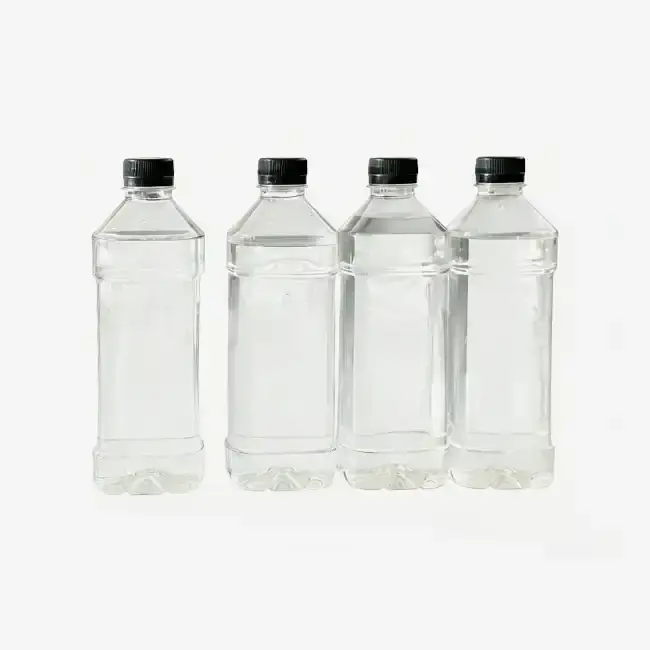
Deicing liquid potassium acetate (CH₃COOK, CAS 127-08-2) is a cryogenic agent that lowers the freezing point of water to stop ice crystals from forming. The clear, colorless liquid with a molecular weight of 98.14 has between 50 and 60% active deicing liquid potassium acetate content. Instead of chloride salts, which only work by lowering the freezing point, this acetate mixture quickly breaks through ice layers because it has a specific gravity of 1.25 to 1.30. It does this by making a brine layer that separates the sidewalk from the ice. The acetate anion gives off heat when it dissolves, which speeds up the melting process even when it is very cold.
Biodegradability and Natural Breakdown Processes
Acetate-based deicers are unique because they can be broken down completely by living things. Microorganisms in the soil can easily break down deicing liquid potassium acetate into carbon dioxide and water using natural oxygen processes. According to studies that measure Biological Oxygen Demand (BOD), acetate solutions use a lot less oxygen than urea-based options. They usually break down in 5 to 10 days in normal natural conditions. This quick breakdown keeps chemicals from building up in groundwater and streams, which is a problem that keeps happening with chloride compounds that can stay in marine ecosystems for years.
Impact on Soil, Water, and Vegetation
Studies of the environment show that deicing liquid potassium acetate is not as harmful to plants as sodium chloride. Instead of leaf burn and soil cleaning that chloride salts often do, the potassium part actually feeds plants and helps plants grow back near treated roads. Runoff with acetate deicers lowers the conductivity of water bodies nearby, which helps protect marine species that are sensitive to changes in salinity. Concerns about long-term biological persistence have been eased by tracking in the field near treated roads, which shows that there is no bioaccumulation in fish tissue or sediment layers. The pH-buffered composition (7.5–9.2) stops the soil from becoming acidic, which hurts root systems and lowers the variety of life in environments along roads.
Comparative Environmental Analysis: Potassium Acetate vs. Other Deicing Agents
Chemical Behavior and Environmental Persistence
Procurement managers can make better decisions about sustainability when they know how different deicing agents act after being used. Calcium chloride and sodium chloride stay in the soil forever because their ionic bonds are not broken down by microbes. This makes the areas around roads more and more salty. These chloride molecules get into water systems, where they raise the conductivity and make it hard for freshwater animals to keep their body's osmotic balance. Sodium acetate is better at breaking down naturally than chlorides, but it needs to be used at higher rates to melt ice as well. Calcium magnesium acetate (CMA) has some of the same environmental benefits as deicing liquid potassium acetate. However, it costs a lot more and doesn't work as well below -18°C. When compared to chloride leftovers, which can last for years, acetate deicer is completely mineralized within days.
Corrosiveness and Infrastructure Longevity
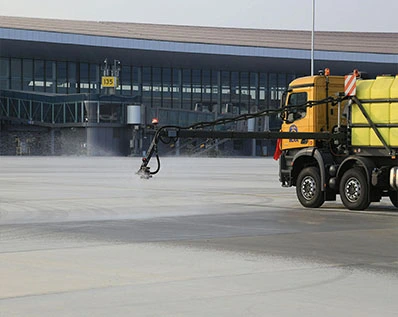
Protecting infrastructure has an unnoticed environmental benefit that has an impact on the health of the whole process. Traditional rock salt speeds up the breakdown of steel rebar, concrete bridge decks, and vehicle parts, forcing them to be replaced too soon and creating a lot of carbon dioxide through the production of new materials. In the lab, tests on rust show that deicing liquid potassium acetate solutions cause corrosion rates of 0.033 grams per meter per hour on carbon steel and 0.011 millimeters per year on concrete. These are levels of performance that make structures last decades longer. Because it is less corrosive, there is no need to mine, process, and move replacement materials, which would be bad for the climate. Airport managers say that acetate-based runway treatments stop the rusting and breaking down of aluminum alloys and magnesium components that chloride deicers do to planes. This cuts down on the amount of waste that needs to be thrown away for upkeep.
Cost-Effectiveness from Lifecycle Perspective
Acetate deicers have higher unit prices than bulk rock salt, but their total cost of ownership is comparable after a full lifecycle study. Higher original purchase prices are balanced out by lower costs for infrastructure repairs, longer pavement life, less vehicle upkeep, and no need for environmental cleanup. Over a 10-year period, municipalities in cold climates found that moving from chloride to acetate treatments cut the need for bridge deck repair by 30–40%. Not having to replace plants in the spring along treated pathways saves even more money. When purchasing managers look at both environmental duty and budget limits, they find that acetate solutions offer better value when they consider the costs that are not incurred in addition to the purchase price.
Application Best Practices to Minimize Environmental Impact
Recommended Dosage and Timing Strategies
Optimizing application rates makes deicing work better while causing less damage to the environment. Anti-icing methods that use 20 to 40 gallons of deicing liquid potassium acetate solutions per lane mile before a storm are more efficient and better for the environment than reactive deicing, which needs more water. Pre-treatment makes a chemical barrier that stops ice from sticking, which lets motor plows clear more of the snow with fewer chemicals. Dosage changes are based on watching the temperature—treatments at -25°C need higher amounts than those at -10°C. Automated spray systems that work with weather forecasts cut down on abuse by focusing on times when ice is likely to form. By not using it when it's raining or on concrete that's already wet, you can stop runoff and chemical waste right away.
Handling Practices and Storage Conditions
The right way to handle a product keeps it working well and stops it from harming the world. If you keep the deicing liquid potassium acetate solution in a dry, well-ventilated building away from heat sources and wetness, it will last forever. Stainless steel tanks and high-density polyethylene (HDPE) containers are good choices for storage. Carbon steel and metal containers should be avoided because they might respond. Inspections of distribution equipment must be done on a regular basis to stop leaks during shipping and use. Training workers on the right mixing ratios keeps them from applying too much, and regulated spray systems make sure that the whole area is covered evenly. When compared to bagged solid deicers, the 1000L IBC tank packing and flexibag choices make it easier to handle large amounts of product.
Risk Mitigation and Regulatory Compliance
Protocols for spill avoidance protect sensitive areas close to treatment areas for deicing liquid potassium acetate. Possible leaks are stopped before they reach the ground or water systems by secondary protection around holding tanks. Schedules for maintaining equipment keep hoses from breaking and valves from leaking while they're being used. Documentation systems keep track of the number of applications, the weather, and the places that have been fixed to show that they are following the rules and find ways to make things better. Safety Data Sheet (SDS) standards tell rescue workers what to do in case of an accidental release. Monitoring programs that check the levels of conductivity, BOD, and deicing liquid potassium acetate in nearby bodies of water let people know about environmental effects early on and make sure that the way things are used is correct. Working together with environmental authorities makes sure that solutions are in line with goals for protecting watersheds and preserving marine habitats.
Procurement Insights: Selecting Sustainable Potassium Acetate Deicing Liquid Suppliers
Certifications and Quality Standards
To find providers who care about the environment, you need to look at their third-party certifications and testing skills. The ISO 14001 environmental management certification shows that a company uses organized methods to reduce the environmental effect of its operations. As part of quality assurance processes, each batch should be tested for deicing liquid potassium acetate concentration (≥50–60%), chloride content (≤0.01%), and heavy metal contamination (Pb ≤0.01%), and full paperwork should be kept for each test. Suppliers that meet international standards give out certificates of analysis that prove how well they lower the freezing point, how fast they corrode, and how biodegradable their products are. While KOSHER and HALAL certificates are mostly used for food, they show that strict quality control systems are in place for industrial goods as well. Greenwashing marketing can be told apart from real eco-friendly goods by asking for independent lab validation of environmental promises.
Supplier Profiles and Market Leadership
Manufacturers that have been making acetate for decades and are well-known in the industry offer stability that younger companies can't match. Shanxi Zhaoyi Chemical Co., Ltd. has been in business since 1988 and can produce up to 150,000 tons of chemicals each year. The company has full ISO 9001, ISO 14001, and ISO 45001 standards for quality, environmental, and safety management. This manufacturing scale makes sure that there is a steady supply of huge goods for big city contracts and yearly demand spikes. European suppliers stress the importance of following strict EU environmental rules, while North American suppliers stress the benefits of being close for quick delivery. Buyers can get reliable supply lines by looking at production capacity, stocking levels, and the ability to distribute goods in different areas. Suppliers who give technical support, application training, and unique formulations show that they care about their customers' success in more ways than just a business connection.
Logistical Considerations and Service Capabilities
Buying deicing liquid potassium acetate in bulk has a big effect on the total cost of delivery and the impact on the earth. When compared to drum or tote packages, flexitank container shipping maximizes cargo efficiency and lowers transportation emissions per gallon shipped. Strategic relationships with international transportation companies allow for reasonable freight rates and assured shipping amounts during the busiest times of the winter. FOB, CIF, and DAP are all examples of flexible trade terms that can be used to suit different buying tastes and risk allocation strategies. Reliable lead times are important for seasonal products—suppliers who keep safety stock can fill orders 24 hours a day, while make-to-order operations may take 5–7 business days. Customization options for changing concentrations, packaging corrosion inhibitors, and private labels make the product more valuable for wholesalers and end users who have specific needs. Quick expert support through email and phone calls helps with fixing problems and making applications work better.
Future Trends and Innovations in Eco-Friendly Deicing Solutions
Emerging Formulations and Additives
The main goal of research into the next wave of deicing technologies is to make them better for the earth by using new additives. Bio-based corrosion inhibitors made from farming waste streams could be used instead of manufactured chemicals to protect infrastructure. Polymer ingredients make deicing liquid potassium acetate solutions stay on sidewalk surfaces for longer, which means they don't have to be applied as often and are used less overall during the season. Colorant tracers let you see if the treatment area is completely covered, so there are no holes or overlaps that waste chemicals. Combination goods that mix acetates with organic substances like corn steep liquor or beet extracts speed up the melting process while still being biodegradable. Nanotechnology uses particles that change the shape of ice crystals at the molecular level. This could lead to lower amounts of active ingredients being needed. The goal of these changes is to improve performance while leaving smaller and smaller marks on the environment.
Regulatory Trends Shaping Chemical Use
As environmental laws change around the world, more healthy choices to deicing are being bought. Some Canadian states have chloride management plans that limit how much can be used near sensitive watersheds. This has made people want options that don't use chloride. Buying more than a certain amount of deicing chemicals in some U.S. states now requires environmental effect studies. The European Union Water Framework Directive requires towns to limit the damage that road maintenance operations do to aquatic ecosystems. These changes in regulations are good for acetate-based items because they help agencies find options that are legal. More and more, procurement requirements require tests for biodegradability, data on aquatic toxicity, and proof of the lifetime carbon footprint. Buyers who are proactive plan for tighter rules in the future by switching to more environmentally friendly goods before the rules become law. This way, they don't have to rush to make the switch to meet compliance deadlines.
Integrating Sustainability into Road Maintenance
Progressive repair companies take the climate into account when planning their winter operations. Upgrading equipment to liquid application systems with precise metering settings makes the best use of chemicals. Spreaders with GPS records where treatments are done and how often they are applied, which is useful for programs that aim to make things better all the time. Along with teaching operating skills, training programs teach workers how to be good environmental stewards. Thinking about the circular economy means looking into ways to reuse and recycle deicing liquid potassium acetate solutions that are found on sidewalk surfaces. To help with full sustainability studies, carbon accounting methods measure the emissions that come from making deicers, transporting them, and fixing damaged infrastructure. These unified methods make sure that buying things matches both the company's environmental goals and the community's standards for good resource management.
Conclusion
Switching to deicing liquid potassium acetate is a scientifically sound way to keep roads safe in the winter and help the earth at the same time. Traditional chloride salts are bad for the environment, but the acetate version is better because it breaks down quickly, doesn't corrode much, and isn't as dangerous to water. A full lifetime cost study shows competitive economics when saving money on environmental cleanup and keeping infrastructure in good shape is taken into account. Partnering with well-known sellers who offer certified quality, reliable logistics, and expert help is key to successful procurement. Early adoption of acetate-based deicing solutions places organizations as environmental leaders and ensures practical stability through winter weather challenges. This is important as regulatory pressures grow and sustainability standards rise.
FAQ
Is potassium acetate deicing liquid safe for aquatic ecosystems?
Researchers have confirmed that deicing liquid potassium acetate is less harmful to marine life than chloride salts. Naturally occurring microbes break down the substance quickly, usually within 5–10 days. This keeps it from building up in water bodies for a long time. Studies on fish toxicity show that amounts that are common in highway water have little effect. The potassium part doesn't pose a bioaccumulation risk, and acetate is an easy-for-water bacteria to use carbon source.
How does environmental impact compare to traditional rock salt?
Rock salt, which is sodium chloride, stays in the earth and water forever. It causes gradual salinization, which hurts plants and marine life. After chloride gets into underground systems, it takes decades to clean them up. Deicing liquid potassium acetate breaks down totally, stops chloride buildup, cuts down on infrastructure rust by more than 90%, and gives plants near treated roads potassium nutrients that help them grow instead of hurting them.
What storage requirements maintain product effectiveness?
Deicing liquid potassium acetate should be kept in dry, well-ventilated places that are away from direct sources of heat and wetness. Stainless steel tanks and HDPE boxes are examples of containers that can be used together. Under the right conditions, the goods can stay on the shelf forever. Keep from freezing during very cold storage—operational performance goes up to -60°C, but concentrated liquids may crystallize if stored for a long time below -10°C. As directed by the SDS, make sure there is enough air flow and that the material is kept away from other materials that are not suitable.
Partner with a Trusted Deicing Liquid Potassium Acetate Supplier
Zhaoyi Chemical has been making acetate for more than 30 years and can help you with your sustainable road repair. Our deicing liquid potassium acetate meets strict performance and environmental standards. It has ISO 14001 approval, a production capacity of 150,000 tons per year, and strict quality control that makes sure the concentration stays between 50 and 60% with few impurities. We keep extra stock on hand so that we can meet your needs right away during the busy winter months. We also offer flexible packing in 1000L IBC tanks or flexitanks to meet your specific needs. Our expert team gives application advice and improvement suggestions to make things work better while having less of an effect on the environment. Get in touch with us at sxzy@sxzhaoyi.com to talk about your specific deicing needs and find out how working with an expert manufacturer can make your winter maintenance plans more reliable, effective, and good for the environment.
References
Fischel, M. (2001). Evaluation of Selected Deicers Based on a Review of the Literature. Colorado Department of Transportation Report No. CDOT-DTD-R-2001-15.
Shi, X., Fay, L., Peterson, M. M., and Yang, Z. (2010). Freeze-thaw Damage and Chemical Change of a Portland Cement Concrete in the Presence of Diluted Deicers. Materials and Structures, 43(7), 933-946.
Environment Canada. (2012). Environmental Code of Practice for Road Salts. Cat. No. En14-113/2012E-PDF, Ottawa, Ontario.
Transportation Research Board. (2007). Guidelines for the Selection of Snow and Ice Control Materials to Mitigate Environmental Impacts. NCHRP Report 577, Washington, D.C.
Ramakrishna, D. M., and Viraraghavan, T. (2005). Environmental Impact of Chemical Deicers – A Review. Water, Air, and Soil Pollution, 166(1-4), 49-63.
Williams, D. J., Barton, J. R., and Svensson, J. E. (2000). Corrosion and Protection of Reinforcement in Concrete Exposed to Chlorides and Alternative Deicing Chemicals. Transportation Research Record 1698, 58-67.

USER EVALUATE
Here is the customer's evaluation of us