



How does Liquid Potassium Acetate Work as an Ice Melt?
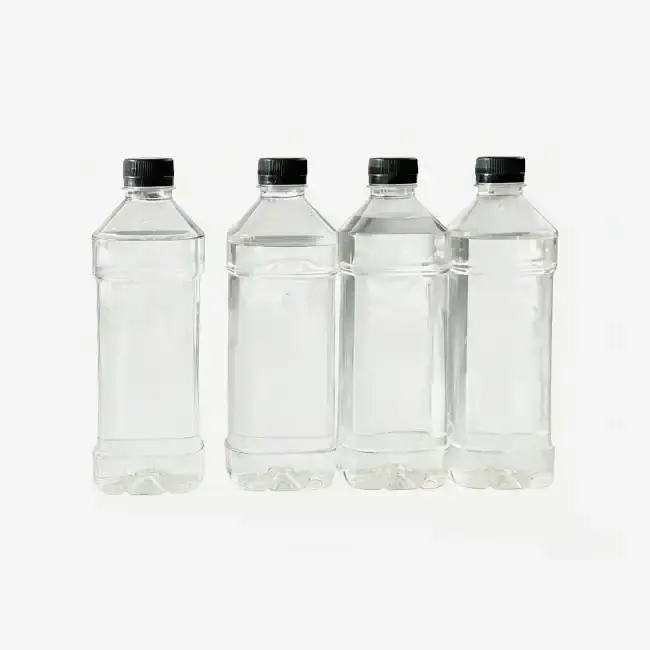
The freezing point lowering method is how snow melting liquid potassium acetate works. This clear, slightly acidic solution (CH3COOK) changes the crystal structure of frozen water molecules when it comes in touch with it. The acetate ions make water less likely to freeze, which means that ice can melt in temperatures as low as -35°C. When compared to chloride-based de-icers that need time to breakdown, liquid potassium acetate starts to work as soon as it is applied, removing more than 85% of snow in one hour at -25°C without damaging any infrastructure.
Understanding Global B2B Procurement Challenges in De-icing Solutions
The procurement market is getting more complicated for winter repair activities. Municipal governments and airport companies have to deal with unsure parts of the supply chain while also following strict rules about the environment and performance. The usual method of using chloride-based de-icers has caused long-lasting damage to infrastructure that costs cities and towns millions of dollars to fix. Following the rules adds another layer; across the US, environmental agencies are limiting chloride flow more and more because they are worried about polluting aquifers.
Addressing Supply Chain Disruptions
During the busy winter months, operating risks include transportation delays and a lack of stock. Highway repair companies need sellers who keep extra supplies on hand and can show they can make enough to meet urgent orders. It gets harder when specific requirements call for specialized formulas that meet standards set by flight authorities or environmental certifications.
Balancing Performance with Environmental Responsibility
These days, buying things means finding ways to protect both structures and wildlife. Acetate-based de-icing products are a step toward more environmentally friendly winter care. These mixtures break down naturally, so they don't hurt plants or make water toxic like rock salt options do. When procurement workers look at long-term costs, they know that stopping rust damage gives a better return on investment than the price of the product itself.
Strategic Sourcing for Industrial and Manufacturing Sectors
Comparing prices isn't the only way to evaluate a provider well. Infrastructure maintenance operations need partners who can offer regular quality and understand the problems that come up with specific applications. When buying teams look for de-icing chemicals, they should look at the companies' ability to make the chemicals, their quality control systems, and their expert support services.
Supplier Evaluation Criteria That Matter
The output background of a company shows how reliable they are. Companies that have been making acetate for 30 years show that they know how to formulate it well and improve the process. A production capacity of 150,000 tons per year shows that the provider can grow with your needs without affecting delivery times. Certifications like ISO 9001, ISO 14001, and ISO 45001 show that a company follows standards for quality control, caring for the environment, and worker safety.
Integration of Technology in Product Selection
Fixed Automated Spray Technology (FAST) systems are being used more and more on bridge decks and overpasses for modern de-icing activities. Granular goods get stuck in spray nozzles, but liquid formulations work perfectly with these automatic systems. The alignment of technology and buying cuts down on labor costs and makes covering more uniform. To figure out how much infrastructure safety is worth, data-driven buying teams look at performance measures like carbon steel corrosion rates below 0.03g/m²·h. These requirements directly lead to longer service lives for airport equipment, parking buildings, and bridges.
Total lifetime analysis for snow melting liquid potassium acetate, not unit price, is the way to find the best way to cut costs. Anti-icing products that don't corrode will save you a lot of money because they will save you from having to replace one bridge deck. This value offering is known by strategic sourcing.
Leveraging Technology for Efficient Procurement
E-procurement tools make it easier to talk to vendors and keep track of orders. Digital systems that let chemical distributors see their supplies and track shipments in real time are helpful. This openness is especially helpful during cold weather events when demand goes up without warning.
Digital Tools Transforming Chemical Procurement
Based on past weather data and application rates, AI-driven analytics can help predict how much energy will be used. To balance the costs of keeping supplies with the risks of running out, procurement managers can figure out the best time to place orders. Automated processes cut down on mistakes made by hand when specifying products, so you always get the right concentration and package format.
These technology benefits are made even better by working with experienced chemical makers who can offer technical advice. Procurement teams can quickly answer application questions if their suppliers offer responsive support, like advice within two hours of a request. Expertise that is easy to get helps people make decisions faster, whether they are setting spray system mixture ratios or figuring out the right application rates for different temperature ranges.
Packaging Innovation Reducing Total Cost
When compared to smaller containers, bulk packing choices like 1000L IBC tanks and flexitanks have much lower per-gallon costs. These designs work with automatic dispensing systems and reduce the amount of waste that comes from packing. Transportation effectiveness goes up because flexitanks make the most of the space inside containers during foreign shipping, which lowers the cost of freight. Your purchasing team should look at suppliers who can make packing solutions that work with the tools you have and the space you have for keeping.
Ensuring Compliance and Risk Management in Procurement
Different places have different rules about how de-icing chemicals can affect the environment, but the general direction is to limit chloride releases. The Clean Water Act gives states the power to set guidelines for water quality that limit the amount of salt in surface streams. Airports that are regulated by the Federal Aviation Administration must only use de-icing goods that meet certain standards for performance and compatibility.
Frameworks for Ethical Sourcing
The product specs should list the highest amounts of heavy metals, arsenic, sulfates, and other pollutants that are allowed. Potassium acetate formulas of good quality keep the iron content below 0.002%, the lead content below 0.01%, and the chloride content below 0.01%. These cleanliness standards keep receiving waters safe and make sure that environmental release permits are followed. Biodegradability scores above 95% mean that the product breaks down naturally and doesn't build up in environments.
For compliance checking with snow melting liquid potassium acetate to work, the paperwork must be clear. Suppliers should give records of analysis for every batch of production, which shows that they always follow the rules. Even though KOSHER and HALAL certificates are mostly used for food-grade products, they show that a company has thorough quality control systems that make all of their products reliable.
Risk Identification in Chemical Procurement
The amount of space needed for storage affects both working safety and legal compliance. Potassium acetate solutions need to be stored in a dry, well-ventilated area that is away from heat sources and materials that don't work with them. By knowing these factors during the procurement process, you can avoid having to make expensive changes to the building or break compliance rules. When sellers package goods so that they can handle being handled roughly and changes in temperature while being shipped, transportation risks go down.
Another important risk factor is the consistency of supply. Protect yourself from winter weather problems by building relationships with makers who keep safety stock and show production lead times of 5 to 7 days. Being close to production sites makes transportation less risky, but experienced sellers can protect themselves from this by working with dependable logistics providers.
Building Long-Term Supplier Relationships
Transactional buying models miss chances to keep getting better and coming up with new ideas. The best winter maintenance programs work together with chemical providers who put in the time to learn about specific problems that need to be fixed. Together, they can solve problems in a way that improves both the performance of the product and the way it is used.
Transparent Communication Driving Results
Monitoring success on a regular basis provides feedback loops that are good for everyone. When you share application data with suppliers, like melting rates at different temperatures or corrosion reports on different substrate materials, they can improve recipes or suggest that dilution ratios be changed. By working together, this method has helped airport managers cut the number of applications by 15 to 20 percent while still meeting safety standards. This has directly saved them money.
Joint development projects meet specific needs that aren't fully met by standard goods. Maybe your business needs a mix that works best at very low temperatures or with certain types of spray tools. Companies that make products and do their own study can change the amounts or add substances that make them work better. Because of these relationships, suppliers become strategic partners who help with business success.
Access to Innovation Through Partnership
Chemical industry is always changing as new study finds better ways to make chemicals or use them. Long-term ties with suppliers let you get new ideas before they reach a wider audience. You might find out about bio-based additives that make environmental profiles even better or enzymes that lower the freezing point even more. This knowledge advantage helps your business stay ahead of changes in the law and problems that come up in the workplace.
Quality for snow melting liquid potassium acetate gets better when people work together for a long time. Suppliers who know your requirements can make process improvements that make batches more consistent or get rid of small amounts of contaminants. This makes performance more reliable, which makes business planning easier and cuts down on quality-related problems.
Facilitating Seamless Procurement with Our Solutions
Since 1988, Shanxi Zhaoyi Chemical Co., Ltd. has been making acetate products and has become a master in formulas that are used in key infrastructure. With a production capacity of 150,000 tons per year, we can guarantee a steady supply even during the busiest winter months. We produce snow melting liquid potassium acetate that achieves the performance standards infrastructure repair operations need: it works right away, doesn't rust, and is safe for the environment.
Product Specifications Meeting Real-World Demands
Our liquid potassium acetate stays 50–60% concentrated (CH3COOK), and its freezing point drops to -35°C. This recipe stays fluid in very cold temperatures, so you don't have to deal with the problems that come with goods that get thick or crystallize. The slightly acidic nature (pH 7.5–9.2) melts ice well without causing the violent rusting that chloride-based alternatives do. Iron content must be less than 0.002%, heavy metals must be less than 0.01%, and salt must be less than 0.01%. This meets the toughest requirements for protecting the environment and infrastructure.
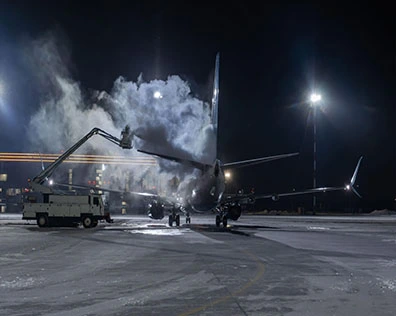
It can be used on business buildings, highway overpasses, airport runways, and bridge decks. The liquid form works well with both automatic spray systems and human application tools. Packaging in 1000L IBC tanks or flexitanks works for all sizes of operations and makes handling and shipping more efficient and cheaper.
Why Infrastructure Operators Choose Zhaoyi Chemical
Our ISO 9001, ISO 14001, and ISO 45001 certifications show that we care about quality control, protecting the environment, and keeping workers safe. Before being shipped, each batch is tested thoroughly to make sure it meets the requirements. This way, you always get the same, reliable goods. Our strict quality control measures, which are shown by our KOSHER and HALAL certificates, ensure that all of our products are of the highest quality.
The difference between great providers and commodity vendors is the availability of technical help. Our team can help you with application rates, making sure your equipment works with others, and improving performance. Access to experts helps solve problems quickly, whether you're setting up a new FAST system or fixing problems with an application. As part of after-sales support, samples are tested and suggestions for ongoing optimization are made based on your practical input.
Advice on how to store and handle products protects their purity throughout the supply chain. Our potassium acetate should be kept in buildings that are dry, well-ventilated, and away from heat and moisture. It should also be carefully moved during transport to keep the containers from getting damaged. Safety and quality are maintained by keeping chemicals that don't work together separate. These simple needs fit right in with standard rules for storing chemicals.
Conclusion
Snow melting liquid potassium acetate is the next step in winter care toward solutions that protect infrastructure while also being kind to the earth. Knowing how this acetate-based de-icer works—by lowering the freezing point right away without causing corrosion—helps procurement pros make smart choices about where to buy things. Strategic relationships with experienced makers not only provide goods, but also full support that improves how they are used and how well they work. As regulations tighten and the cost of replacing infrastructure rises, non-corrosive, biodegradable de-icing options become a better deal for businesses that want to stay ahead of the curve.
FAQ
What makes liquid potassium acetate more effective than rock salt?
When it comes into touch with ice, liquid potassium acetate starts to work right away, but rock salt takes some time to dissolve. Unlike rock salt, which doesn't work well below -15°C, the acetate version does work up to -35°C. Corrosion rates on carbon steel stay below 0.03g/m²·h, which is much lower than chloride options that damage infrastructure. When biodegradability is higher than 95%, damage to plants and water ecosystems is completely eliminated.
Can this product be used in automated spray systems?
Fixed Automated Spray Technology (FAST) systems that are used on bridges and overpasses work perfectly with the liquid format. Granular de-icers get stuck in spray nozzles, but liquid potassium acetate always runs through the tools used to apply it. Temperature predictions can help operators set the right dilution ratios to get the best performance and lowest costs.
What storage conditions does liquid potassium acetate require?
Keep in buildings that are dry, well-ventilated, and out of direct heat and wetness. Be careful when moving items to keep them from getting damaged. Standard safety procedures say to keep away from poisons that don't mix. The fact that the product is liquid at low temperatures makes it easier to store in cold weather than solutions that solidify or get thick.
Partner with a Trusted Snow Melting Liquid Potassium Acetate Manufacturer
Zhaoyi Chemical has been making acetate well for more than 35 years and can help with infrastructure repair problems using snow melting liquid potassium acetate. As a top provider of liquid potassium acetate for melting snow, we give your businesses the dependability, efficiency, and environmental care they need. We can be your key partner for long-term winter repair because of our production capacity, quality certifications, and technical know-how.Email our team at sxzy@sxzhaoyi.com to talk about your unique needs and find out how our solutions can help your de-icing processes run more smoothly and cost less.
References
Highway Innovative Technology Evaluation Center. "Evaluation of Alternative Chemicals for Snow and Ice Control." Civil Engineering Research Foundation, American Society of Civil Engineers, 2001.
Fischel, Manfred. "Evaluation of Selected Deicers Based on a Review of the Literature." Colorado Department of Transportation Research Branch, 2001.
Shi, Xianming, et al. "Sustainable Winter Road Operations: Integrating Innovations in Materials, Operations, and Management." Transportation Research Board, National Academy of Sciences, 2014.
Levelton Consultants Ltd. "Guidelines for the Selection of Snow and Ice Control Materials to Mitigate Environmental Impacts." National Cooperative Highway Research Program Report 577, Transportation Research Board, 2007.
Muthumani, Aravind, et al. "Corrosion of Road Infrastructure Steel by Deicing Chemicals." Journal of Materials in Civil Engineering, American Society of Civil Engineers, 2015.
Nixon, Wilfrid A., and Chris A. Qiu. "Effects and Effectiveness of Automated Anti-Icing Spray Technology." Transportation Research Record: Journal of the Transportation Research Board, National Academy of Sciences, 2006.

USER EVALUATE
Here is the customer's evaluation of us