



What is Liquid Potassium Acetate Used for in Winter Maintenance?
When winter weather threaten important infrastructure, you need quick deicing options that don't harm your assets or the environment. For airport runways, highway overpasses, and business sites where conventional chloride-based products just don't work, snow melting liquid potassium acetate has become the industry standard. This chemical combination doesn't corrode and breaks down naturally. It lowers the freezing point to -35°C and keeps concrete, steel, and sensitive equipment from breaking down. Because it is a liquid, it can be used right away without waiting for it to dissolve. This makes it essential for operations that need to be up and running as soon as bad weather hits.
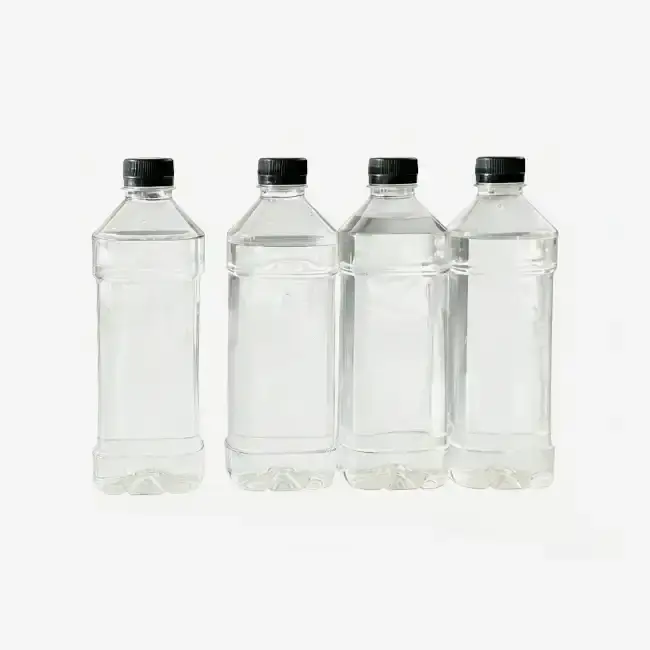
Understanding Liquid Potassium Acetate in Winter Maintenance
This strong de-icer is made up of potassium acetate (CH₃COOK), a salt that is made from acetic acid and potassium hydroxide. At normal market amounts of 50 to 60%, the solution looks like a clear, slightly acidic liquid that works very well in cold weather.
Chemical Composition and Physical Properties
Potassium acetate has a molecular weight of 98.14 and stays stable at very high and very low temperatures. Solid granular de-icers need water to work, but the liquid version starts to work as soon as it touches frozen surfaces. The pH value of the solution is usually between 7.5 and 9.2, which puts it in a nearly balanced zone where it doesn't damage building materials too much. This balanced chemistry is much better than chloride-based options, which speed up the oxidation process in steel reinforcing and make concrete buildings fall apart.
The freezing point lowering process works through colligative properties. The dissolved acetate ions stop the formation of ice crystals, which stops molecules from sticking to the ground. In a lab setting, the eutectic point hits about -60°C at the best concentration. However, for cost reasons, market products are designed to work at around -35°C.
Liquid Versus Solid De-icing Agents
Solid de-icers, like rock salt, calcium chloride pellets, or urea crystals, all have the same problem: they need to break down first before they can work. During that time, ice keeps forming and cars drive over undissolved particles, causing Foreign Object Debris (FOD) dangers at airports and making it harder to drive on roads.
This delay is completely gone when liquid potassium acetate is used. It can be used as a preventative step against icing before storms happen, or it can be used to remove ice that has already built up. The even application of the liquid makes sure even covering, instead of the uneven spread that happens when solids are spread out over a large area. This format works especially well for automated spray systems because pumps and nozzles can handle liquids more consistently than rough solids that wear down equipment and get clogged.
Environmental and Safety Advantages
Regular rock salt, which is sodium chloride, breaks down pavement after many freeze-thaw cycles and adds chloride ions to groundwater that stay in environments. Magnesium and calcium chlorides both pose these environmental problems, and they also add the chance of heavy metal pollution.
Potassium acetate is an option that is recyclable and leaves little of an impact on the environment. Biodegradability tests done by outside groups show that it is more than 95%, which means that natural microbes break down the leftover material without building up in soil or water. The plants around treated areas aren't scorched or unable to grow, which is very different from chloride burn, which kills grass and decorative plants. The product can be used in sensitive areas like nature parks, historic neighborhoods, and watersheds with strict discharge rules because it doesn't harm the environment.
Applications and Effectiveness of Liquid Potassium Acetate in Winter Maintenance
The difference between theory chemical qualities and usefulness in real life for snow melting liquid potassium acetate is performance. Figuring out where and how this de-icing option gives real benefits helps procurement teams make the case for spending money and improve how it is used.
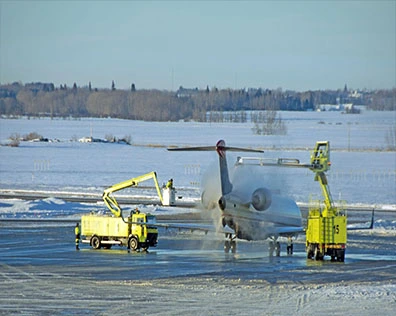
Airport Runway and Taxiway Operations
Aviation is the most difficult setting for winter repair items to be used in. Corrosive chemicals can't be used on airplane landing gear, brake systems, or aluminum fuselages without shortening the time between upkeep and part failures. The Federal Aviation Administration (FAA) and other foreign groups have strict rules about airside de-icing products. Formulations containing potassium acetate must meet AMS 1435 standards.
When flight times rely on quickly clearing the runway, snow melting efficiency at -25°C exceeds 85% within an hour of application. The zero-FOD feature stops debris from getting into jet engines, which is a safety risk that solid granular goods naturally make. Large foreign airports have switched to liquid acetate systems because they are the safest and work the best compared to other options.
Highway Infrastructure and Bridge Deck Protection
Because air moves under buildings, bridge decks and high parts of roads freeze before the pavement at ground level. During the winter, these places are high-risk for accidents, so they need reliable de-icing methods that won't damage the structure over decades of yearly use.
Liquid potassium acetate is the main material that Fixed Automated Spray Technology (FAST) systems placed on important overpasses use. Temperature monitors start anti-icing programs before a storm so that ice doesn't stick to the road. The liquid form works well with pump systems and high-pressure nozzles, and it keeps the spray patterns constant, which is something that solid slurry mixes can't do.
Corrosion tests on carbon steel show rates of 0.03g/m²·h or less, which is a small amount of the damage done by chloride-based goods. Bridge engineers know that keeping steel rebar from oxidizing increases the service life of a structure by decades. This means that what seems like a high chemical cost ends up saving a lot of money over the course of its life, when repair and replacement costs are taken into account.
Commercial and Industrial Facility Management
It is important for corporate campuses, hospital sites, and university areas to have safe entry for pedestrians that doesn't involve damaging landscaping or buildings with harsh chemicals. Non-corrosive de-icing methods that keep concrete from breaking down are especially helpful for parking buildings with open steel reinforcement.
Facility managers like how clean the application is—there is no white residue that gets tracked into buildings, no grit that builds up in drainage systems, and no damage to metal or artistic brickwork. Because the product doesn't harm sensitive environments, it can be used in places where regular rock salt would cost thousands of dollars a year to repair the landscaping.
Performance Comparison with Alternative De-icers
To compare choices for snow melting liquid potassium acetate, you need to know how sodium acetate, calcium acetate, potassium formate, and chloride-based goods work in important areas. Sodium acetate has the same environmental benefits as the acetate ion, but it is not as good at low temperatures as potassium acetate because it has a much higher freezing point, which limits its use in very cold conditions. Concerns about metal ions come up with calcium acetate, and it dissolves less easily in cold water.
Although potassium formate works just as well at the same temperatures, it usually costs more and doesn't have any performance benefits. Chloride salts (sodium, calcium, and magnesium) are originally the cheapest choices, but they cause corrosion, pollute the environment, and kill plants, which are all hidden costs that responsible buying teams are rejecting more and more.
Field studies from local highway offices show that replacing steel bridge parts 40–60% less often after switching from rock salt to acetate-based de-icers. Similar trends can be seen in airport repair logs, which show fewer corrosion issues found during inspections of airplanes and longer periods between servicing parts.
Safety, Handling, and Environmental Impact
Chemical management that is responsible includes keeping workers safe, following rules, and taking care of the earth. Understanding these factors is important for making sure that winter maintenance plans are legal and last.
Handling Protocols and Safety Requirements
Compared to acidic or corrosive options, liquid potassium acetate is not as dangerous to handle. Standard PPE, like chemical-resistant gloves, safety glasses, and protective clothes, is enough to keep you safe during movement and application operations. The product's nearly normal pH lowers the chance of irritating the skin or eyes, but you should still wash your hands right away after touching it.
Material Safety Data Sheets (MSDS) list what to do in an emergency and how to give first aid. Before the winter season starts, teach these rules to everyone who handles products. Storage areas should have ways to control spills and emergency eyewash units that meet safety standards for the workplace.
Application concentration usually uses goods as they are, without diluting them. This makes work easier in the field and gets rid of mixed mistakes. For anti-icing, automated spray systems need to be calibrated to give the right coverage rates, which are usually 20 to 40 gallons per lane mile. For de-icing, higher rates are needed based on the depth of the ice buildup and the temperature.
Environmental Compliance and Disposal
If biodegradability is more than 95%, the leftover substance breaks down naturally without building up in living things. When compared to chloride pollution that stays in underground and builds up, runoff into storm sewers and receiving waters doesn't pose much of an ecological risk. This trait is very important for jobs that are done near protected rivers, marshes, or places where aquatic ecosystems are fragile.
Standard procedures for treating wastewater say how to get rid of leftover products. The acetate is a carbon source that breaks down easily and is used by bacteria in wastewater cleaning to make energy. Before getting rid of large amounts, check with the local wastewater officials to make sure that the treatment plant's ability can handle the biochemical oxygen demand without any problems.
Regulatory compliance includes more than just getting environmental permits. It also includes following safety rules at work and transportation rules. Most shipping rules don't consider the product to be a hazardous material, which makes operations easier than with more dangerous chemical groups. Check with suppliers about the current legal situation to make sure that the paperwork meets the needs of the relevant region.
Long-term Infrastructure Protection
The real gain to the earth comes from making infrastructure last longer. Bridges that are meant to last 75 years can only do that if they are kept away from chemicals used to melt ice. Replacements that are needed too soon because of damage caused by salt use a lot of resources. Making concrete, steel, and building things leave big carbon footprints.
Choosing snow melting liquid potassium acetate non-corrosive options is a way to show that you care about the earth by saving resources. The marginal cost rise compared to rock salt is worth it because repair projects are avoided, materials are used less, and emissions are lower over the life of the product. Total cost of ownership models that include these sustainable factors are being used more and more by progressive buying teams to evaluate winter maintenance chemicals.
Making the Right Choice: How to Select the Best Liquid Potassium Acetate for Your Needs?
When making strategic decisions, technical needs, operational limits, and economic facts are all taken into account. A systematic review method helps people who work in buying make the best choice.
Technical Specification Criteria
Consistency in concentration is more important than trying to reach the highest standards of purity. Products with 50–60% CH₃COOK content work reliably and don't cost a lot more than they need to for extra polish. Check to see if the impurity levels meet the standards for your business. For example, flying uses stricter standards than highway use, which means that the costs will be higher.
Lowering the freezing point to -35°C works well for most European winter climes. Extreme Arctic conditions may call for stronger formulations, while mild temperature areas might want to look at using slightly lower amounts to save money. Talk to providers who can make changes about climate-specific formulas.
Supplier Reliability and Support Services
Storms in the winter don't wait for work hours. When application questions come up during weather on the weekend, suppliers who offer technical support 24 hours a day, seven days a week are very helpful. Response times of less than two hours after a question show a real dedication to customer success, not just empty support promises.
Find out how their supply chain is redundant before you choose a source. What backup production ability is there in case the main sites go down? How do they handle distribution during the busy season when demand is higher than supply? When you need it most, you can count on suppliers with strategic inventory placements and long-term shipping ties to get it to you on time.
Cost Analysis and Value Proposition
When comparing rates, you need to look at more than just the price per gallon. You also need to see the total cost of delivery. Freight costs make up a big part of the landing cost. Suppliers with better packing (flexitanks instead of smaller containers) and established shipping partnerships offer better value, even if their products cost more.
Figure out the yearly volume needs by figuring out the application rates for the area you want to cover. A lot of the time, bulk buy deals let you access lower prices that help you save money. To find the best order number, you should weigh the costs of keeping inventory against savings for large orders.
The real value estimate takes into account the costs that were not incurred, such as fewer infrastructure fixes, longer component service lives, no longer having to pay for environmental cleanup, and fewer landscaping replacements. When looking at prices over chloride goods using lifetime cost models, these factors often make the higher prices make sense.
Customization and Partnership Opportunities
Suppliers who know how to formulate can change goods to fit specific needs. Enhanced rust inhibitor kits are best for places where equipment is very sensitive. Custom packing options are made to fit the space or handling needs of each individual customer. Joint development plans let you make the most of your unique operational conditions.
Rather than just being a supplier, building smart agreements with manufacturers creates value for both parties. Suppliers learn about new problems that need to be solved in applications, which leads to new products. Customers get extra help, priority shipments when supplies run out, and group problem-solving when problems happen.
Conclusion
Snow melting liquid potassium acetate is the best way to get performance, safety, and environmental responsibility all in one for tough winter maintenance jobs. Its non-corrosive chemistry keeps important equipment safe and makes melting more efficient at very high temperatures. The liquid format lets you activate it right away and makes it easy to work with automatic application systems. Even though it costs more at first than other chloride goods, it is the better choice from an economic point of view because it protects infrastructure and follows environmental rules. By using this cutting-edge de-icing technology, procurement workers who work with airports, highway officials, and business properties can gain a competitive edge. Seasonal operations can be trusted when suppliers are carefully chosen based on quality standards, production capacity, and expert support.
FAQ
What makes liquid potassium acetate different from rock salt?
Rock salt, which is sodium chloride, breaks down steel and concrete and pollutes soil and waterways with chloride ions that stay there for a long time. Liquid potassium acetate doesn't corrode, breaks down naturally, and starts working right away, without needing time to dissolve. Protecting the environment and infrastructure is worth paying more for because it saves money on repairs and makes sure that rules are followed.
How should we store liquid potassium acetate during off-season?
Keep in original IBC tanks or sealed containers in dry, well-ventilated buildings away from heat sources and chemicals that don't mix. As long as the product is kept away from moisture, it stays stable over a wide range of temperatures. When stored correctly, things stay focused and effective for many seasons when they are not opened.
Can liquid potassium acetate be used with automated spray systems?
The liquid form works perfectly with FAST (Fixed Automated Spray Technology) and other pump-based methods for application. Its constant thickness keeps nozzles from getting clogged and makes sure that the spread is even. Many highway and bridge officials choose acetate options for automatic systems because they work better with equipment than solid or slurry alternatives.
What application rates should we use for different types of conditions?
For anti-icing preventative uses, 20 to 40 gallons per lane mile are usually needed before it starts to rain. Reactive de-icing uses higher rates based on how much ice is on the surface and the temperature. Talk to the technical team at your source for advice that is specific to your environment. By calibrating tools to provide exact coverage, costs can be kept low while safety standards are met.
Partner with Zhaoyi Chemical for Reliable Winter Maintenance Solutions
For winter activities, you need partners who know how important it is to protect your assets. Zhaoyi Chemical has been making acetate for more than thirty years and has quality methods that are ISO 9001, ISO 14001, and ISO 45001 approved. Each year, they make 150,000 tons. Our snow melting liquid potassium acetate has been used successfully at airports, roads, and business buildings in harsh climates. We keep strategic inventory on hand so that we can complete orders quickly. Our production lead times are 5–7 working days, and we have formed partnerships with foreign shipping companies. Technical support teams answer application questions within two hours, giving your operations the knowledge they need during severe weather. Our packaging options help you save money on transportation, whether you need 1000L IBC tanks or flexitanks for large shipments. Get in touch with a reliable company that makes snow melting liquid potassium acetate that wants you to succeed. Email us at sxzy@sxzhaoyi.com to talk about your unique needs and find out how our ability to customize can help your winter care program.
References
Transportation Research Board. (2007). Guidelines for the Selection of Snow and Ice Control Materials to Mitigate Environmental Impacts. National Cooperative Highway Research Program Report 577.
Shi, X., Fay, L., Peterson, M. M., & Yang, Z. (2010). Freeze-Thaw Damage and Chemical Change of a Portland Cement Concrete in the Presence of Diluted Deicers. Materials and Structures, 43(7), 933-946.
Fischel, M. (2001). Evaluation of Selected Deicers Based on a Review of the Literature. Colorado Department of Transportation Report CDOT-DTD-R-2001-15.
Levelton Consultants Ltd. (2007). Guidelines for the Selection of Snow and Ice Control Materials to Mitigate Environmental Impacts. Report prepared for Transportation Association of Canada.
Blackburn, R. R., McGrane, E. J., Chappelow, C. C., Harwood, D. W., & Fleege, E. J. (1994). Development of Anti-Icing Technology. Strategic Highway Research Program Report SHRP-H-385.
Nixon, W. A., & Williams, D. (2001). A Guide for Selecting Anti-Icing Chemicals. Iowa Highway Research Board Project TR-455.

USER EVALUATE
Here is the customer's evaluation of us