



How to Apply Liquid Potassium Acetate for Pavement Deicing?
To use deicing liquid potassium acetate correctly, you need to know the right dilution ratios, how to calibrate your tools, and when to use it. This non-chloride acetate-based solution stops ice from sticking to ground by dropping the freezing point of water to about -60°C. Before winter storms, it is usually put down by municipal governments and infrastructure owners at rates of 20 to 40 gallons per lane mile using spray trucks or automated systems. Because it has a specific gravity of 1.25 to 1.30, the solution easily cuts through snow layers. It works better than regular chloride salts and keeps important infrastructure from rusting.
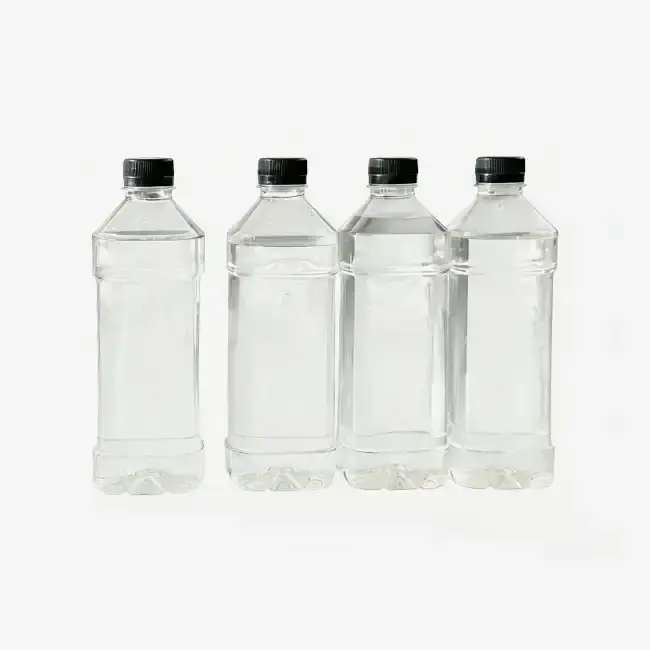
Understanding Liquid Potassium Acetate and Its Role in Pavement Deicing
Picking the right anti-icing chemical is very important when cold weather threatens to stop operations. Deicing liquid potassium acetate is a big step forward in the way that groups that take care of sensitive infrastructure fix pavement.
Chemical Composition and Working Mechanism
The mixture is made up of 50–60% deicing liquid potassium acetate (CH₃COOK) in water, which makes it a strong cryogenic agent. By getting in the way of hydrogen bonds between water molecules, this chemical breaks up the solid structure of ice. When it's put on ground, it makes a brine layer that keeps snow and ice from sticking to the base. The eutectic point of -60°C gives a huge safety cushion during very cold weather, keeping the fluidity when glycol-based options start to crystallize.
Advantages Over Traditional Deicing Methods
Chloride-based deicers have a lot of long-term problems that could damage infrastructure. Calcium chloride and magnesium chloride speed up the rusting of steel reinforcing bars in concrete. They also weaken aluminum metals used in airplanes and hurt bridge expansion joints. On the other hand, deicing liquid potassium acetate shows carbon steel weathering rates below 0.03g/m²·h, which is more than 90% lower than salt-based goods.
This science is different from urea-based options because it is safe for the environment. When urea breaks down, it releases ammonia and nitrogen molecules that raise the Biological Oxygen Demand in rivers, which is bad for aquatic environments. Deicing liquid potassium acetate breaks down quickly without creating harmful nitrogen byproducts, so water quality standards are kept in areas that are sensitive to pollution. During spring overflow, urea often gets into municipal wastewater treatment plants, while deicing liquid potassium acetate naturally becomes part of biological treatment processes.
Another clear benefit is the operational temperature range. Below -9°C, rock salt stops working, so during bad weather, workers have to drastically increase the rate at which it is applied or switch to other goods. Deicing liquid potassium acetate works the same way in all kinds of winter weather in North America, from light cold to arctic blasts. Because of this reliability, you don't have to keep various stocks of different products, and it's easier to plan your purchases.
Step-by-Step Guide: How to Apply Liquid Potassium Acetate Effectively?
A thorough plan and performance are needed for pavement repair to go well. Managers of procurement and operations must work together to make sure that equipment is ready, employees are trained, and application processes are followed.
Pre-Application Preparation
The effectiveness of treatment depends on the equipment that is used. Boom-equipped spray trucks spread the material evenly across the width of an airport or a highway lane. Set up the nozzles so that the drops they send out are between 200 and 400 microns in size. Smaller droplets will drift with the wind, while larger droplets will bounce off objects. Check to see if the pump systems can keep the pressure steady between 40 and 60 PSI while the program runs.
Keeping deicing liquid potassium acetate in storage means making sure that the containers work with each other. Mild steel and galvanized coats can add stray metals that make the product less pure, but stainless steel tanks and high-density polyethylene (HDPE) cases keep things clean. Keep storage temperatures above 0°C to keep the flexibility of the solution. Insulated storage spaces stop freeze-thaw cycles that could change the regularity of the concentration.
Application Timing and Dosage Calculations
It turns out that anti-icing works better and costs less than reactive deicing. Treat areas two to four hours before it's supposed to freeze, so the solution has time to form a barrier that will keep the water out. When the temperature of the pavement gets close to -2°C and rain is expected, weather tracking devices should start the application procedures.
Coverage estimates depend on how bad the storm was and how bad the ground is. Anti-icing needs 20 to 30 gallons per lane mile of clean, dry surface. To make up for the loss of water, wet pavement needs higher rates of 30 to 40 gallons per lane mile. Existing snow must be removed by hand before the solution is applied, since the solution can get through existing ice but not effectively move large amounts of snow.
Concentration change gives you options for making the best use of your cash. When you dilute a 50% stock solution to a 40% concentration, the coverage goes up while still having enough freeze point decline for mild conditions. Extreme weather calls for full-strength treatment to make sure the job is done right.
Safety Protocols and Operational Best Practices
Operator training includes how to handle chemicals safely and what to do in an emergency. Though deicing liquid potassium acetate is not very dangerous, it is still important to wear splash-proof masks, rubber gloves, and chemical-resistant aprons when moving things around. As required by OSHA, keep eyewash stations and safety showers close to places where large items are stored.
Monitoring treated surfaces lets you decide when to reapply. By looking at the road, you can see where traffic has moved the brine layer, especially on steep turns and stopping zones. Equipment for friction testing measures how well the pavement grips the road, and when coefficients drop below certain values, repair work needs to be done. On runways, airports usually keep friction coefficients above 0.50, and highway departments try to keep bridge decks at the same level.
Documentation techniques help with growth all the time. In maintenance logs, write down application rates, weather conditions, and notes about efficiency. Look at this data on a regular basis to find ways to save money and improve dose guidelines. Businesses that keep track of how much deicing liquid potassium acetate they use can usually cut their use by 15 to 25 percent in just three winter seasons by using better application methods.
Comparing Potassium Acetate with Other Deicing Liquids: Making an Informed Choice
To make smart decisions about what to buy, you need to know all about the performance differences between the different deicing chemicals that are offered. There are differences in the costs, how they work, and how well they work with existing systems for each option.
Calcium chloride solutions are most often used on highways because they are cheap per unit—usually 40 to 60 percent less than deicing liquid potassium acetate products. But the total cost of ownership estimate shows that there are other costs that aren't obvious. Infrastructure studies show that accelerated concrete breakdown cuts the useful life of sidewalk by 30 to 40 percent. Damage from chloride often requires bridge repair projects that cost more than $2 million per building, which is a lot more than the extra cost of protective deicing liquid potassium acetate treatments. Deicing liquid potassium acetate economics is a good way for companies to spread out the costs of replacing assets that are meant to last 30 to 50 years.
Sodium acetate is just as good for the environment as potassium versions, but it costs a little less. The difference in performance shows up in the freeze point lowering capacity. Sodium acetate's effective range ends near -20°C, which makes it less useful in harsh continental conditions. Deicing liquid potassium acetate can be used at higher temperatures for longer periods of time, which is why it costs more for businesses that have to deal with extreme weather changes.
Products made from urea are appealing to farms that want to use them as additional fertilizer. There is an idea that runoff carrying deicing liquid potassium acetate adds nitrogen to fields nearby. This benefit seems to go away when regulators look closely, because adding too much nitrogen causes algae blooms and lowers the amount of free oxygen in the water that receives it. The costs of cleaning up urea waste often go over the economic benefits of recovering nutrients for farming.
Glycol mixtures are useful for certain aircraft tasks, but they can be hard to get rid of. Specialized wastewater treatment devices are needed to collect and process used glycol. Biodegradation of deicing liquid potassium acetate can happen in regular city treatment facilities, so there are no extra costs for getting rid of them. Airports that switched from glycol to deicing liquid potassium acetate say they save between $50,000 and $150,000 a year on managing trash.
Procurement Considerations for Bulk Purchase of Potassium Acetate Deicing Liquid
During the winter repair seasons, choices about where to get materials affect how reliable operations are. Professionals in procurement have to look at a supplier's skills in more than just price per unit.
Supplier Qualification and Certification Requirements
Checking the production standards is the first step in quality assurance. ISO 9001 certification shows that industrial processes are reliable, and ISO 14001 certification shows that environmental management systems are in place. Airport suppliers should show proof that their products meet the SAE AMS 1435 standard, which is the industry standard for deicing liquid potassium acetate used on runways. For each output lot, you should ask for an analysis report that confirms the concentration levels, pH values, and trace metal content.
Pricing Dynamics and Contract Structures
When you make a volume promise, you can get better prices. Contracts that require yearly purchases of at least 500 to 1,000 tons usually get savings of 8 to 15 percent compared to spot market prices. Seasonal trends in prices show that demand is highest in northern areas from October to March. Forward contracts that are signed in the summer take advantage of lower prices during the off-season.
Logistics of transportation have a big effect on how much it costs to send. When goods are shipped in 1,000-liter IBC tanks, they are easier to handle with forklifts, and when buying things internationally, flexitank containers lower the cost of ocean freight. Negotiate price terms that make it clear who is responsible for freight costs. CIF (Cost, Insurance, and Freight) terms make budgeting easier by combining shipping and product costs into a single line item.
Payment freedom works with the buying processes of organizations. For approved buyers, established sellers with strong balance sheets offer net-30 or net-60 payment terms. Letters of credit make it easier to do business across borders and protect both parties from currency changes and delivery issues.
Quality Control and Performance Verification
Protocols for inspecting incoming materials check what suppliers say. Handheld refractometers can be used for quick field checking of concentration accuracy during refractive index tests. A lab test should show that the chloride content is less than 0.01%. High chloride levels mean that the product was contaminated during production, which lowers its corrosion-resistant value. Heavy metal screening finds amounts of lead, arsenic, and mercury that are below EPA release limits. This makes sure that environmental rules are followed.
Before making big purchases of deicing liquid potassium acetate, trial applications are used to make sure they work well in the field. Apply test amounts to sample parts of pavement in a range of weather conditions and keep records of how well they stop ice and how long the effects last. Compare the results to those of competing goods to find out how much better the new product's performance is and whether the higher price is worth it.
Safety and Environmental Impact of Using Potassium Acetate Deicing Liquid
Chemical management that is done in a responsible way helps workers and shows communities that you care about the environment. Comprehensive safety programs combine following the rules with taking steps to reduce risks.
Handling Procedures and Personal Protection
Material Safety Data Sheets say that deicing liquid potassium acetate is not very dangerous, but it is still best to handle it carefully so that you don't accidentally expose yourself to it. If you come into touch with someone for a long time, it could cause slight irritation. Wash the area right away with soap and water. If you get eye contact, you should flush your eyes with clean water right away and for 15 minutes. If the redness doesn't go away, you should see a doctor.
Accidental spills can make bulk shift activities dangerous for people who might slip. Put down absorbent materials right away to keep the surfaces of loading docks from losing their grip. When cleaning up, dilute the leftovers with water; the solution doesn't respond badly with common things. Chloride brines harden into slippery leftovers, but dried deicing liquid potassium acetate doesn't leave much of a film on the top.
Even though the solution has a low gas pressure, storage areas should have enough air flow. Post signs that describe the items in line with ANSI Z535 standards. This will help emergency responders know what's going on in the building when there is an accident. Keep deicing liquid potassium acetate away from strong oxidizers and acids while it is being stored, but its chemistry stays stable in a regular building.
Environmental Performance and Regulatory Compliance
Biodegradation tests show that deicing liquid potassium acetate is safe for the environment. In aerobic conditions, microorganisms break down deicing liquid potassium acetate into carbon dioxide and water in 7 to 14 days, with breakdown rates higher than 90%. This quick breakdown stops bioaccumulation in aquatic food chains, which is different from some unique deicing mixes that contain organic chemicals that last for a long time.
Soil impact studies show that limited exposure to deicing liquid potassium acetate has neutral to positive effects. For plants to grow, potassium is an important element that helps plants heal along roads. Avoid applying too much or more than the plant can handle, because concentrated areas can briefly make the soil more salty. Target application to hard areas reduces exposure to the scenery by accident.
Protecting water safety is in line with the goals of the Clean Water Act. Adding deicing liquid potassium acetate to surface waters doesn't usually cause problems with dissolved oxygen because metabolic oxygen needs are still much lower than those of urea options. Deicing liquid potassium acetate use can be incorporated into storm water management plans without the need for specialized treatment facilities. This makes it easier for local operators to follow the rules set by the permit authorities.
To protect freshwater supplies, federal and state laws are limiting chloride emissions more and more. Several states along the Great Lakes have put limits on the total maximum daily load (TMDL) of chlorine that can be present in areas that are sensitive to it. By switching to treatments based on deicing liquid potassium acetate, businesses can get ahead of stricter environmental rules and avoid having to make legal retrofits in the future.
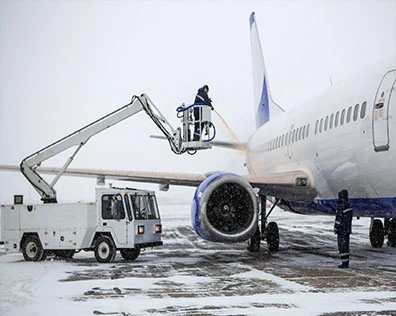
Conclusion
For deicing liquid potassium acetate to effectively melt snow and ice on sidewalks, it needs to be applied correctly, bought strategically, and environmentally friendly. This improved chemistry provides better freeze protection down to -60°C while getting rid of the corrosion damage and environmental damage that come with using salt-based solutions in the past. Operations managers get steady performance across a wide range of temperatures, and procurement teams protect equipment in a way that lowers the cost of long-term repairs. As environmental laws get stricter, the biodegradable recipe fits in with them. This makes groups look like good environmental stewards. By following the detailed instructions and buying plans shown here, people who run infrastructure can make winter care more effective and protect valuable assets and natural resources for many years to come.
FAQ
How long does potassium acetate remain effective on pavement surfaces?
How long a treatment lasts varies on how much traffic there is, how much rain falls, and how the temperature changes. If it's dry and there isn't much traffic, a deicing liquid potassium acetate shield that is properly placed will keep the road from freezing for 48 to 72 hours. Heavy rain or a lot of traffic shortens the effect's duration to 12 to 24 hours, which means that it needs to be reapplied and watched over again. The solution doesn't evaporate like water-based treatments do, so it protects for longer than salt brines.
Can potassium acetate be mixed with other deicing chemicals?
Mixing with goods that are based on sodium acetate or formate keeps the compatibility, but the function may change. Do not mix with chloride-based deicers because it will ruin the rust protection and add more dirt. It is not recommended to mix deicing liquid potassium acetate with sand or abrasives because the particles can jam spray equipment and make the solution less effective. To keep the chemicals' purity, keep separate methods for storing and using deicing liquid potassium acetate products.
What concentration is optimal for different temperature ranges?
Most operating situations from 0°C to -30°C can be handled well by standard 50% deicing liquid potassium acetate methods. Full 60% content is best for temperatures between -30°C and -45°C to keep the freeze point low enough. In milder temperatures above -10°C, the dose can be diluted to 40%, which increases coverage while lowering costs. When changing the dose, make sure to re-calibrate the application tools to keep the right dosage rates.
Partner with a Trusted Deicing Liquid Potassium Acetate Manufacturer
Zhaoyi Chemical can help you with your winter maintenance problems because they have been making deicing liquid potassium acetate for more than 30 years. Our deicing liquid potassium acetate for businesses is made to strict SAE AMS 1435 standards. It always has a concentration of 50–60% and is very pure, with a chloride content of less than 0.01% and a heavy metals content of less than 0.001%. We have been in business for a long time and can produce up to 150,000 tons of steel each year. We are also certified by ISO 9001, ISO 14001, KOSHER, and HALAL, so you can be sure that you will get solid bulk steel for your most difficult infrastructure projects. Get in touch with our expert team at sxzy@sxzhaoyi.com for personalized formulation help, delivered prices for containerized flexitank shipping, and quick delivery in 5 to 7 business days.
References
Transportation Research Board. "Chemical and Mechanical Deicing Technologies for Winter Road Maintenance." National Cooperative Highway Research Program Report, 2018.
American Association of Airport Executives. "Airfield Pavement Anti-icing and Deicing Guidelines." Airport Operations Technical Manual, 2020.
Environmental Protection Agency. "Environmental Impacts of Winter Road Management: Chloride and Acetate Comparative Assessment." Office of Water Quality, 2019.
Society of Automotive Engineers. "SAE AMS 1435: Fluid, Generic, Deicing/Anti-Icing Runways and Taxiways." Aerospace Material Specification Standards, 2021.
Federal Highway Administration. "Manual of Practice for Effective Anti-icing Program: Winter Maintenance Operations." Publication FHWA-HRT-17-001, 2017.
National Research Council Canada. "Performance Evaluation of Acetate-Based Deicing Chemicals on Transportation Infrastructure." Construction Technology Laboratory Report, 2019.

USER EVALUATE
Here is the customer's evaluation of us