



How Does Potassium Acetate Compare to Calcium Chloride for De-Icing?
Picking the right de-icing agent is very important when cold conditions make operations unsafe. Deicing solid potassium acetate and calcium chloride are two different ways to deal with snow and ice, and each has its own benefits for different work settings. Potassium acetate (CH3COOK) is better at being compatible with the environment and less likely to corrode, which makes it the best choice for aircraft structures, areas that are sensitive to the environment, and surfaces that need to be protected for a long time. Calcium chloride works well at room temperature, but it has problems like faster rusting and environmental issues that purchasing managers need to carefully weigh against the need to get it right away.
Understanding De-Icing Chemicals: Potassium Acetate and Calcium Chloride
Chemical Composition and Ice-Melting Mechanisms
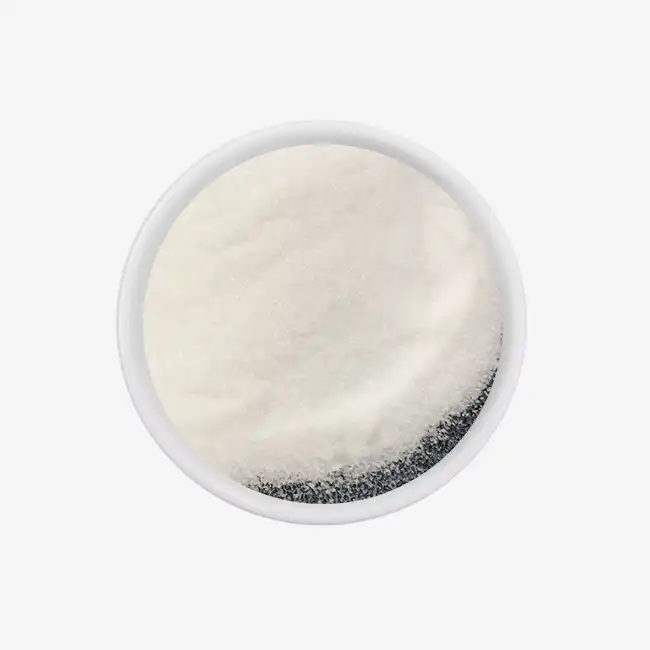
This de-icer is different from the other one because of how its molecules are structured and how they react with frozen water. Potassium acetate is an organic salt that comes from acetic acid. It is a white solid granule that dissolves easily in alcohol, acid, and water. Having the molecular formula CH3COOK and the molecular weight of 98.14 g/mol makes it special in terms of thermodynamics. When this substance is put on ice, it dissolves exothermically, which means it gives off heat when it comes into touch with water. This makes the breaking of hydrogen bonds in ice crystals happen faster.
Calcium chloride (CaCl2), on the other hand, is an artificial salt that dissolves in water and makes a more aggressive chemical environment. Colligative traits make both things lower the freezing point of water, but their ways of doing this are very different. Potassium acetate works just as well at -22°F (-30°C), which is a lot better than calcium chloride in very cold places where temperatures regularly drop below -25°C. This wider working range comes from the fact that the acetate ion can better stop the formation of ice lattices at lower temperatures.
Safety Profile and Environmental Impact
Environmental duty is now an important part of buying things, especially for businesses that work near rivers, protected areas, or LEED-certified buildings. It is very biodegradable; potassium acetate breaks down into carbon dioxide and water without leaving behind any leftovers that last for a long time. Biological Oxygen Demand (BOD) studies show that it is less harmful to water than chloride-based options. This recyclable mixture doesn't pose much of a threat to plants, animals, or freshwater sources.
The problems that calcium chloride causes for the atmosphere are more complicated. Chloride ions build up in soil and water, which makes it saltier, which hurts plant roots, rusts underground utilities, and upsets the balance of freshwater environments. Regulatory agencies across North America are making it harder to use chloride in sensitive areas. This puts organisations that only use salt-based goods at risk of not meeting safety standards. Runoff takes chlorides into sewage systems and then into natural bodies of water, leaving a biological footprint that goes beyond the immediate application areas.
Corrosion Characteristics and Material Compatibility
Corrosive damage is an unavoidable price that adds up to a big chunk of your overall costs over time. Normal calcium chloride speeds up the rusting process on coated surfaces, steel support bars in concrete, and aluminium aeroplane parts. The chloride ions get through the protected layers and start electrical processes that make the structure less strong. Infrastructure repair teams often see bridges, parking lots, and airport areas that have been treated with calcium chloride over many seasons breaking down faster than they should.
Formulations with potassium acetate have rust agents in them that keep metal surfaces, carbon brakes, and computer systems that are easily damaged safe. Aerospace standards testing shows that it works with aeroplane landing gear, aluminium metals, and parts that are covered with cadmium. This feature that doesn't corrode makes tools last longer and requires less upkeep, which saves money in ways that can be measured after the initial buy choice.
Practical Benefits of Using Solid Potassium Acetate for De-Icing
Operational Advantages in Critical Applications
The performance traits of deicing solid potassium acetate directly translate into practical gains for tough settings. Products that meet SAE AMS 1431 approval standards are needed in aviation facilities. Potassium acetate meets these standards after going through strict testing procedures. The substance can break through thick layers of ice and loosen the pavement's bond, making it easier for sweepers to remove without leaving behind any slippery leftovers. This makes it useful for runways and taxiways.
When preserving structures while also meeting current safety needs, highway infrastructure presents its own set of problems. Potassium acetate improves grip while protecting the structure of concrete and asphalt. The crystalline structure gives mechanical grip even before it dissolves completely, making it less likely for people and cars to slip. Depending on the thickness of the ice and the temperature of the area, application rates are usually between 50 and 150 grams per square metre. This allows for exact dose control that makes the best use of the material.
Weather-related delays are not an option for manufacturing plants and delivery centers that are open 24 hours a day, seven days a week. Because potassium acetate dissolves quickly (exothermic breakdown), it clears important routes faster than options that take heat from the environment (endothermic). When logistics managers move from calcium chloride-based solutions to acetate-based solutions, response times get shorter and worker safety measures get better.
Storage Stability and Handling Considerations
When making purchases, it's important to think about how stable the goods will be over time and in different climates. When kept properly in dry, well-ventilated buildings away from heat and moisture, deicing solid potassium acetate keeps its performance features. Because it absorbs water, it's important to make sure the package is secure. Standard choices include 25 kg plastic weave bags for human handling and 1000 kg ton-bags for big automatic filling systems.
The hygroscopic qualities of calcium chloride are much more active, which means that it often forms clumps, caking, and less flowability when stored. This tendency causes problems in the workplace, such as motorised spreading equipment jams and uneven application rates. The stable solid form of potassium acetate is better at keeping moisture out and keeping its free-flowing properties, which helps pouring equipment work reliably even when the temperature changes.
When it comes to safety, transportation procedures also favour potassium acetate. Separating the product from things that don't work with it is necessary, but it's not as dangerous to ship as calcium chloride because it doesn't corrode as easily. Handling staff report fewer cases of skin irritation, and equipment workers say that spreading trucks and application machines need less upkeep.
Cost Analysis and Procurement Considerations for B2B Buyers
Evaluating Total Cost of Ownership
When buying pros only look at per-unit costs and don't think about overall ownership costs, short-term price comparisons can lead them astray. Calcium chloride usually has lower starting material costs, which makes it more appealing to budget-conscious people. When upkeep costs, infrastructure damage, environmental compliance costs, and application efficiency are all taken into account in lifetime estimates, a more complete financial picture emerges.
Damage to infrastructure from chloride pollution shows up slowly at first but builds up over time. Spalling concrete, rusting rebar, and failing coatings all need expensive repairs that often cost more than the saves on the materials themselves. Studies that track how bridge decks wear down show that acetate-based de-icers have a 40–60% longer service life than chloride salts. These benefits of preservation directly lead to delayed capital expenditures and fewer situations where repairs need to be done quickly.
How well the material is applied affects how much is used per treatment area. Because potassium acetate works better at low temperatures, it is often possible to use less of it than calcium chloride, which stops working as temperatures drop. When optimised potassium acetate procedures are used instead of standard salt programs, airport facilities report 15–25% material saves each winter. This helps to partly make up for the higher per-ton costs.
Supplier Selection Criteria
To find trusted chemical sellers of deicing solid potassium acetate, you need to look at more than just price charts. Manufacturing standards are an important decision factor because they directly affect how well a product works in the field. Shanxi Zhaoyi Chemical Co., Ltd. has ISO 9001, ISO 14001, and ISO 45001 certifications, which mean that they have quality control methods that make sure that each batch is the same. With an annual production capacity of 150,000 tonnes, large-scale purchase contracts can be sure of a steady supply, and there are no worries about allocation during times of high demand.
In difficult industrial uses, providers are set apart by their technical help skills. Respondent customer service teams that help with dosing estimates, application advice, and troubleshooting add real value on top of offering basic chemicals. Companies starting new de-icing programs can benefit from their suppliers' knowledge of how to best set up tools, train staff, and create site-specific practices that get the best results while keeping costs low.
Total landing costs and the dependability of deliveries are both affected by global transport networks. Strategic shipping agreements between suppliers allow them to offer affordable freight rates and open schedules that can be adjusted to meet seasonal demand trends. To avoid inventory carrying costs or stockout risks during critical weather events, minimum order amounts, wait times, and packing choices need to be in line with storing capacity and consumption predictions.
Case Studies: Potassium Acetate vs Calcium Chloride in Real-World Applications
Aviation Sector Performance Comparison
A big international airport in the northeastern United States switched the landing surfaces that wide-body aeroplanes use from calcium chloride to potassium acetate. Performance tracking over three winters showed a number of gains that could be measured. Inspections for corrosion showed that chemical contact led to a 70% drop in the amount of repair needed on the landing gear. Environmental compliance reports showed that the amount of chlorine in nearby streams dropped below the limits set by regulators. This meant that past violations of the consent order were no longer happening.
The airport's repair team kept track of practical measures like the amount of time needed to fix each runway mile, the amount of materials used for each weather event, and the dependability of the equipment. Potassium acetate uses needed 30% less time to get to a safe working state after overnight snowfall, which cut down on the time that runways had to be closed and the delays that caused. Mechanical spreading equipment broke down less often and needed to be serviced less often, which meant that less money was spent on upkeep.

Data on safety incidents was strong proof in favour of the change. During aircraft crash tests, the stopping coefficient readings were better than with calcium chloride remains, especially when the temperature was close to freezing. Pilots said the surface conditions were better in polls done after the flight, which matched improvements in quantitative measurements of friction.
Municipal Infrastructure Applications
Side-by-side comparison tests were done on similar buildings by a bridge authority in the Great Lakes area that was in charge of raised highway parts. The calcium chloride treatments for control bridges kept going, while the potassium acetate treatments for test structures were done according to the same weather conditions. After five winters, engineering tests showed that the state scores of the concrete were very different.
Structures that were treated with potassium acetate had very little scaling, splitting, or metal exposure. Control bridges showed faster wear and tear, needing patch fixes that are expected to cost a lot of money. The benefits of preservation went beyond deck surfaces and included steel expansion joints, drainage systems, and lighting fixtures, all of which showed less rusting than parts that were exposed to chloride.
Environmentally Sensitive Site Management
Regulatory pressure was put on an industrial site that was next to protected wetlands because of the effects that de-icing water had on marine areas. By switching from calcium chloride to solid potassium acetate, the limits set by the discharge permit were met, and safety standards were kept. Monitoring of water quality showed that acetate breaks down in received waters within 48 to 72 hours, which stops bioaccumulation worries.
The facility's environmental compliance officer wrote down the benefits of not having to pay fines, such as fewer inspections and better relationships with the neighbourhood. Together with the direct practical benefits, these qualitative benefits made a complete value case that justified the material change even though it cost more per unit.
How to Decide Which Deicer Is Best for Your Business Needs?
Defining Operational Requirements
To make good buying choices, you need to start by clearly outlining the practical factors that are unique to your building and the rules that apply to it. Baseline performance standards are set by the temperature patterns during the winter months. For operations that are constantly exposed to temperatures below -25°C, goods that work well in very cold conditions are needed. Calcium chloride is not an option because it doesn't perform well enough.
The types of surfaces that are being treated have a big impact on the choice of product. Surfaces made of aluminium, steel, and concrete react to chemicals in different ways. Materials that are easily corroded need formulas that don't contain chlorine. For cost-benefit analysis, historical upkeep records that show fixes caused by rust are very helpful. No matter what the original price difference is, facilities that have a lot of equipment rust, covering failure, or structure damage should choose low-corrosion options.
Environmental laws and companies' promises to sustainability are making it harder and harder to choose which chemicals to use. Because of their location near water, LEED certification standards, and local release permits, many products have to meet certain criteria. Throughout the supply chain, procurement teams must make sure that all regulations are followed, including making sure that environmental claims are backed up with the right paperwork.
Application-Specific Recommendations
Because airports that handle business flights need goods that are approved by SAE AMS 1431, potassium acetate is usually the best choice. Buying high-quality de-icing materials saves expensive aeroplanes and stops problems that would have cost a lot more than the materials themselves.
Highway repair workers who are in charge of bridges should look at both the effects of rust and how well the bridges melt ice right away. Potassium acetate effectively extends the useful life of a structure, which leads to a measured return on investment through delayed repair costs and fewer upkeep rounds.
Acetate-based solutions leave less of an impact on the environment while still providing steady performance are ideal for industrial sites that care about both worker safety and the environment. Manufacturing companies that are close to residential areas don't have to worry about salt waste, and they can keep their working conditions safe.
The people in charge of parking lots, walking plazas, and mixed-use projects in cities think that potassium acetate fits in with efforts to be more environmentally friendly without putting people in danger. Damage to infrastructure has gone down, which directly helps capital upkeep projects' budgets.
Conclusion
When you compare deicing solid potassium acetate and calcium chloride, you can see that they are very different in ways that go beyond just price. The solid potassium acetate used for deicing works better at low temperatures (down to -30°C), doesn't damage infrastructure, and breaks down naturally, so it meets the needs of stricter environmental regulations. Calcium chloride may be cheaper to buy at first, but a full lifespan study that takes into account costs for repairs, damage to the structure, and environmental compliance always favours acetate-based options for important uses. Even though it costs more up front, potassium acetate is the best choice for organisations that care about protecting their assets, making sure their operations run smoothly, and achieving long-term goals.
FAQ
What range of temperatures does potassium acetate work well in?
Deicing solid potassium acetate keeps melting ice even at -30°C (-22°F), which is much lower than calcium chloride's realistic limit of around -25°C. Because they work at a wider range of temperatures, acetate versions are necessary for use in very cold places where other goods stop working.
How should potassium acetate be kept so that it stays good?
For proper keeping, buildings need to be dry, well-ventilated, and have managed temperature to keep things from absorbing water and caking. Standard packing in 25 kg weave bags or 1000 kg ton-bags is enough to keep things safe as long as they are handled carefully and kept away from things that don't go with them. Because it is hygroscopic, the packaging needs to be kept in good shape during holding times.
Is it safe to use potassium acetate on airport runways?
Potassium acetate is approved by SAE AMS 1431 for de-icing airport runways and is specially made with rust agents to protect aluminium parts, landing gear, and carbon brakes. Aviation officials agree that acetate-based goods are the best way to do activities on the ground during the winter.
Partner with a Trusted Deicing Solid Potassium Acetate Supplier
Zhaoyi Chemical has been making acetate for more than 30 years and can help companies that need solid, high-performance de-icing options. Our deicing solid potassium acetate stays at least 99% pure thanks to strict quality control that makes sure stability from batch to batch across our 150,000-ton production capacity every year. Our ISO 9001, ISO 14001, and ISO 45001 certifications show that we care about quality, being good to the earth, and keeping workers safe during all stages of production. We offer different ways to package your items, cheap operations through global shipping partnerships, and expert support to help you make the most of your winter maintenance programs. You can email our team at sxzy@sxzhaoyi.com to talk about your unique needs, ask for product details, or get special quotes for your buying needs.
References
Transportation Research Board. (2013). Guidelines for the Selection of Snow and Ice Control Materials to Mitigate Environmental Impacts. National Cooperative Highway Research Program Report 577.
Airport Cooperative Research Program. (2016). Qualified Anti-Icing Products List for Airfield Pavement. Transportation Research Board Special Report.
Fay, L. and Shi, X. (2012). Environmental Impacts of Chemicals for Snow and Ice Control: State of the Knowledge. Water, Air, and Soil Pollution, Volume 223, Issue 5.
Society of Automotive Engineers. (2019). SAE AMS 1431: Compound, Solid Runway and Taxiway Deicing/Anti-icing. SAE International Aerospace Standards.
Shi, X., Akin, M., Pan, T., Fay, L., Liu, Y., and Yang, Z. (2009). Deicer Impacts on Pavement Materials: Introduction and Recent Developments. The Open Civil Engineering Journal, Volume 3.
Environmental Protection Agency. (2018). Best Management Practices for Airport Deicing Stormwater. EPA Office of Water Technical Guidance Document.

USER EVALUATE
Here is the customer's evaluation of us