



Applications and Uses of Potassium Acetate
To find chemical solutions that work well, are good for the environment, and don't cost a lot of money, industrial solid potassium acetate stands out as a strong choice in many areas. The white solid substance CH₀COOK has become very important in deicing, making drilling fluids, keeping food fresh, making medicines, and other specialised industrial processes. It is becoming more and more popular among buying professionals looking for smarter chemical alternatives because it can work in harsh conditions while causing little damage to infrastructure and the environment. If you know how this organic salt works in different situations, you can make smart choices that will improve both short-term and long-term efficiency.
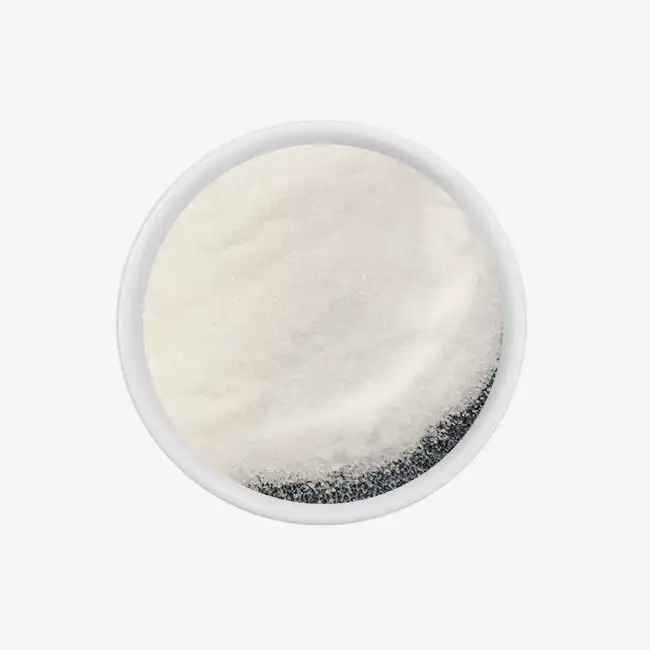
Understanding Industrial Solid Potassium Acetate
Chemical Composition and Physical Properties
Potassium acetate is made up of potassium ions bound to acetate molecules. This makes a substance that dissolves very easily in water—about 253 grams per 100 millilitres at room temperature. This high solubility lets you make concentrated brines and solutions quickly, without having to use complicated mixing tools. The molecular weight of 98.14 g/mol makes it work well at a wide range of temperatures. This is especially true for freeze-point lowering uses, where it works well down to -60°C at eutectic concentration. The material looks like a white crystalline powder or a deliquescent mass, which means it naturally takes in water from the air. This changes how it needs to be stored and packaged.
Manufacturing and Quality Standards
To make industrial-grade potassium acetate, exact chemical production and strict quality control rules are needed. Manufacturers with a good reputation keep purity levels at or above 98.0%, which makes sure that the active ingredient works as well as possible per tonne supplied. In a 5% solution, the alkalinity is usually between 7.5 and 9.0 pH. This helps balance out the acidity and keeps equipment from rusting in sensitive situations. Important impurity requirements include a chloride content of less than 500 parts per million and an iron content of less than 10 parts per million. These tight limits make sure that the material works with precision metals, concrete buildings, and living things. The chemical is stable at temperatures up to 292°C, which makes it reliable in exothermic reaction conditions that are typical in catalytic processes.
Storage and Handling Requirements
Because potassium acetate is hygroscopic, it needs to be stored with great care. To keep things from getting wet and caking, we suggest using multi-layer polyethylene or polypropylene sealed bags with built-in desiccants. To keep the quality of the goods, warehouses should keep the relative humidity below 50% and the temperatures cool all the time. Pallets shouldn't be stacked too high, because pressure can speed up caking even in cases that are properly sealed. If you store the material in these controlled conditions, it should keep its qualities for up to two years. However, you should check the moisture level again after twelve months. Good keeping habits have a direct effect on how well a product works and help keep expensive materials from going to waste.
Key Industrial Applications and Uses
Aviation and Infrastructure Deicing Solutions
During the winter, airport operations are always complicated because of the need for deicing products that keep planes and tracks safe without putting safety or infrastructure at risk. Deicers based on potassium acetate are now the best choice for airport runways, taxiways, and bridge decks that need to be kept dry. Different from usual sodium chloride or urea-based goods, this organic salt has strong melting properties without the chemical damage that comes with chloride salts. The combination meets the requirements of SAE AMS 1435 for airport deicing fluids and doesn't pose much of a threat to runway lighting systems, composite aeroplane materials, or aluminium alloys. One benefit for the environment is that it requires less organic oxygen than urea, which makes waste water less harmful for marine life. This is an important thing to think about for airports that are close to sensitive ecosystems.

Injectable formulations need to be very pure, even more pure than what is required by normal pharmaceutical minimums. Suppliers that want to get these jobs do more than just meet the standards for commodity-grade production. They spend in advanced cleaning technologies and particulate control measures for solid potassium acetate. Zhaoyi Chemical's pharmaceutical-grade potassium acetate is as pure as or higher than 99.0%, with heavy metals kept to 0.0005%. It meets the standards for injected products by using special crystallisation methods and clean room processes.
Oil and Gas Drilling Fluid Technology
The oil business relies on high-tech drilling fluids to keep the wellbore stable while cutting through difficult rock types. Industrial solid potassium acetate is an important part of high-performance water-based muds that help stabilise shale, which is a very important problem. Potassium ions trade with clay lattice ions to stop the growing and collapsing that can damage formations and get pipes stuck. This ion exchange process is better at stopping shale formation than sodium-based systems, especially in reacting clay formations that are common in coastal and unconventional resource plays.
In addition to controlling shale, the compound's high solubility lets density be changed without adding too many solid particles that can hurt reservoir permeability, which is a big worry when digging into productive zones. Drilling engineers can make brines with specific gravity values that meet the needs of the rock pressure while keeping the fluid's clear and rheological qualities. Adding polymer fillers like xanthan gum and polyanionic cellulose to mud keeps its qualities fixed even when the temperature and pressure downhole change. The pH range of neutral to alkaline helps keep the performance of polymers up, unlike chloride brines that are acidic and can break down viscosifiers.
Food Processing and Preservation
Under close government scrutiny, food companies use potassium acetate as both a preserve and a processing help. Regulatory bodies have named it a Generally Recognised as Safe (GRAS) chemical, and it works well as an antibiotic in cooked foods, baked goods, and sauces. The chemical stops the growth of germs, especially Listeria monocytogenes, which makes the food last longer without changing the taste. As a firming agent in veggie canning, it helps keep the structure and look of the food while it is being shipped and stored.
For food-grade requirements, the cleanliness standards are even higher than for industrial deicing grades. Heavy metals, arsenic, and other possible contaminants must be tested for in detail. Processing companies like that the substance can do two things: it can change the pH and help keep food fresh, which makes ingredient lists and labelling easier. Because it has a clean flavour profile, it can be used in situations where taste balance is important for customer acceptance.
Pharmaceutical and Chemical Synthesis
Potassium acetate is used by chemical companies as both a catalyst and a neutralising agent in the process of making organic compounds. It speeds up the fix time and improves the qualities of the finished polyurethane by catalysing the isocyanate-hydroxyl reaction. Industrial pharmaceutical-grade material is very pure, so it doesn't affect the catalyst, which can mess up the speed and output of a reaction. Textile makers use the substance to neutralise acids that are left over after colouring. This keeps the structure of the fabric safe while getting it ready for finishing processes.
It is used in research labs to make buffer solutions that have precise pH control, which is important for enzyme reactions and protein purification processes. When kept properly, materials that are anhydrous work reliably in processes that need to avoid water because adding water would ruin the results.
Industrial Solid Potassium Acetate vs. Alternatives: Making the Right Choice
Performance Comparison with Chloride-Based Deicers
Calcium chloride and magnesium chloride have been the most popular ice melts for a long time because they are cheap and work quickly. There are, however, big problems with these pros that affect the overall cost of ownership. It takes longer for infrastructure to last and costs more to fix problems caused by chloride salts that speed up rust on steel, cars, and bridge parts. Scaling and flaking of the concrete caused by salt entry can mean that the whole deck needs to be replaced decades before it's supposed to.
Industrial solid potassium acetate gets rid of these rust worries while still melting as well as or better than other materials in the normal winter temperature ranges. Because it breaks down naturally, it only has a short-term effect on the environment, raising the need for organic oxygen rather than leaving salt in soils and waters for a long time. When lifetime costs like fixing infrastructure, cleaning up the environment, and keeping vehicles in good shape are taken into account, acetate-based deicers often show better value, even though they cost more per tonne.
Comparing Acetate Salt Variants
Sodium acetate and potassium acetate are both good for the environment and don't rust, but sodium acetate does not work as well. Formulations based on potassium usually have lower eutectic temperatures, which means they can be used in colder conditions. In drilling fluid uses, where sodium can make clay hydration problems worse, the potassium ion is helpful in other ways. Sodium acetate may be used when adding potassium could mess up processes further down the line or when slightly lower material costs are acceptable for the job.
Cost-Effectiveness Analysis
When procurement teams look at chemical options, they need to think about more than just the initial buy price. Traditional road salts are usually cheaper than acetate-based goods, which can be two to four times more expensive per tonne. This gap can be closed, though, by lowering the application rates because of better melting efficiency. Preserving infrastructure pays off over many years and decades, which requires complex lifespan cost modelling to figure out correctly.
Long-term supply deals and methods for buying in bulk can help you get better prices and make sure that materials are always available during times of high demand. Working directly with makers instead of going through a bunch of different levels of marketing can save you money and make it easier to get quality control and expert help.
Procurement Insights for Industrial Solid Potassium Acetate
Evaluating Suppliers and Manufacturers
To find trustworthy places to get industrial-grade potassium acetate, you need to do more than just compare prices. Reputable makers have full quality control systems that include recording of stability from batch to batch and testing by a third party to make sure they are working right. Look for sources that are certified by ISO 9001 and other organisations that are specific to your business and application. For example, food-grade materials need different certifications than drilling fluid additives.
Ask for detailed technical data sheets that list both average numbers and base requirements that must be met for important factors. Suppliers should be able to easily give reports of analysis for each output lot and make sure that the supply chain can be tracked all the way through. Customer examples from businesses that use similar products can tell you a lot about how reliable a seller is, how good their technical help is, and how quickly they respond to quality concerns.
Logistics and Import Considerations
To get potassium acetate from another country, you have to deal with customs rules, shipping requirements, and paper standards. The fact that the material is considered a non-hazardous product makes shipping easier than with more restricted substances, but it is still important to have the right labels and safety data sheets. Standard shipping containers are usually used for container shipments, and they come with moisture-proof packing. Bulk gas trucks serve customers who need a lot of space for storage.
Knowing the wait times helps make purchases that are in line with regular demand trends. For example, deicing apps cause winter demand spikes that can put a strain on supply chains and capacity. Supply problems can be avoided during key working windows by planning purchases for off-peak times and keeping strategic store gaps.
Private Label and OEM Opportunities
Distributors and companies that make specialised chemicals can look into private label relationships with makers of solid potassium acetate to make their products stand out and increase the value of their brands. Usually, these deals include unique packing, specialised technical support, and maybe even changing the specs to fit the needs of a niche market. Original equipment maker ties let businesses that make drilling fluids and deicing products make sure they have a steady supply while keeping recipe details secret.
For these kinds of partnerships to work, there needs to be a clear set of rules in the contract that cover things like quality standards, intellectual property issues, secrecy agreements, and minimum number promises. The right manufacturing partner brings more than just output capacity. They also bring knowledge of regulations and the ability to create new technologies that make products more competitive.
Best Practices for Safe Storage and Handling in Industry
Optimal Storage Conditions
Controlling three main factors—moisture exposure, temperature, and contamination risks—is needed to keep the quality of a product while it is being stored. Temperatures should be kept between 15°C and 25°C in dedicated storage places, and dehumidification systems should keep the relative humidity below 50% all the time. Separate areas for storing chemicals keep them from getting contaminated by materials that don't work well together, like strong acids or oxidising agents.
First-in, first-out rules should be used in inventory management to keep products fresh and cut down on holding time. Regular checks should be done to make sure the stability of the package, looking for signs of damage, moisture entry, or changes in looks that don't make sense. If a material shows caking or discolouration that goes beyond normal consolidation, it should be tested before it is used to make sure it meets the requirements.
Workplace Safety Protocols
When compared to many industrial poisons, potassium acetate is not very dangerous, but it is still important to wear the right safety gear. When dealing with powdered forms that could release particles into the air, workers should wear safety glasses or goggles to protect their eyes, chemical-resistant gloves to protect their skin from long-term exposure, and dust masks. Because concentrated liquids have a neutral pH, they can irritate skin and nasal membranes. It is important to wash your hands right away after touching them.
Procedures for responding to a spill should be made and shared with everyone who works with or is near the material. Small spills can be cleaned up by machines and thrown away according to local rules. Larger spills, on the other hand, may need to be contained with absorbing materials before they can be cleaned up. Within ten seconds of any working areas, there should be emergency eyewash stations and safety showers that can be reached.
Regulatory Compliance Framework
For each application, buying pros have to handle a different set of rules and regulations. Potassium acetate that is used in food must follow the rules set by the FDA in 21 CFR or similar foreign rules for food additives. Materials used in pharmaceutical uses must meet the standards set by the United States Pharmacopoeia (USP) or the European Pharmacopoeia. Environmental rules may apply to deicing goods that deal with biological oxygen demand in waste water and marine toxin limits.
Keeping records that show legal compliance saves businesses from risk and keeps their operations running smoothly. This includes safety data sheets, letters from regulatory authorities, certificates of analysis, and test results from approved labs. Suppliers should let customers know about any changes to regulations that affect their goods and help customers keep their operations legal.
Conclusion
Industrial solid potassium acetate is used in many different businesses because it functions reliably and is good for both the environment and operations. This chemical can be used to protect airport infrastructure during the winter or to keep digging operations stable in difficult rock formations. It is very useful for solving complicated technical problems and helping to reach sustainability goals. When making purchases, people should think about more than just the original cost of the goods. They should also think about the full lifetime value, which includes things like protecting infrastructure, reducing environmental impact, and improving working efficiency. Organisations can improve overall performance and optimise their chemical buying strategies by working with knowledgeable providers and knowing the unique needs of each application.
FAQ
How does potassium acetate compare to calcium chloride when it comes to melting ice?
Calcium chloride is good at melting ice quickly and cheaply, so it's a good choice for companies that want to save money. However, its highly acidic nature hurts metal structures, vehicle undercarriages, and concrete support, which leads to high long-term upkeep costs. Potassium acetate stops rust, keeps sensitive equipment like airport lighting systems safe, and breaks down naturally instead of building up in grounds. When protecting infrastructure and the environment are properly valued, total cost of ownership estimates usually lean toward acetate-based deicers.
What safety measures should be taken when keeping solid potassium acetate?
Because it melts easily, it needs to be stored in a climate-controlled environment where the relative humidity stays below 50%. Multi-layer sealed bags with built-in desiccants stop clumping and water absorption. Do not put too many pallets on top of each other, as this can cause pressure-induced consolidation. Material that is kept properly will keep its quality for about two years, but checking the moisture level every twelve months is a good way to make sure it stays that way.
Is it possible to use potassium acetate straight in drilling fluids?
Potassium acetate that is solid easily dissolves in water to make clear brines with a high density that can be used in digging. The process of dissolving is slightly exothermic, which helps the material dissolve when it is slowly added and mixed well. The brines that are made are very well compatible with polymer viscosifiers, and their rheological traits stay the same at different temperatures. Potassium ion exchange with clay particles is better at stopping shale formation than sodium-based systems.
Partner with Zhaoyi Chemical for Reliable Industrial Solid Potassium Acetate Supply
Zhaoyi Chemical provides reliable, high-purity potassium acetate with strong quality control and quick expert help. Our production methods are in line with international standards, so you can be sure that the materials you get will work reliably in a wide range of challenging situations. We offer customised solutions that meet your exact needs, whether you need food-grade materials for processing, drilling fluid-grade materials for the energy sector, or deicing goods to keep your infrastructure safe.
As a company that has been making industrial solid potassium acetate for a long time, we know how important it is to produce products on time and make sure the standard of the products stays the same. Our team can help you choose the best materials, follow the right application procedures, and keep track of your supplies. We'd love the chance to talk about sample testing that shows how good our products are and looking into big buying options that save money and make sure we always have enough. Email our team at sxzy@sxzhaoyi.com to talk about how Zhaoyi Chemical can help you reach your business success and buying goals.
References
Transportation Research Board. "Guidelines for the Selection of Snow and Ice Control Materials to Mitigate Environmental Impacts." National Academy of Sciences, 2007.
American Petroleum Institute. "Recommended Practice for Field Testing Water-Based Drilling Fluids." API Recommended Practice 13B-1, 4th Edition, 2019.
U.S. Food and Drug Administration. "Code of Federal Regulations Title 21: Food Additives Permitted for Direct Addition to Food for Human Consumption." Government Publishing Office, 2021.
Shi, X., Akin, M., Pan, T., Fay, L., Liu, Y., and Yang, Z. "Deicer Impacts on Pavement Materials: Introduction and Recent Developments." The Open Civil Engineering Journal, Vol. 3, 2009.
Caenn, R., Darley, H.C.H., and Gray, G.R. "Composition and Properties of Drilling and Completion Fluids." 7th Edition, Gulf Professional Publishing, 2017.
International Air Transport Association. "Airport Handling Manual." 42nd Edition, Section 960: Aircraft Ground Deicing and Anti-icing, 2022.

USER EVALUATE
Here is the customer's evaluation of us