



What Potassium Acetate Suppliers Offer Certification for Pharmaceutical-Grade Purity?
When looking for pharmaceutical solid potassium acetate for important drug formulations, certification authenticity becomes the deciding factor that sets safe sellers apart from risky ones. Reliable makers offer GMP certification, USP/EP compliance paperwork, and full Certificates of Analysis that prove the product is more than 99% pure and has a heavy metal content that is kept below 0.0005%. Zhaoyi Chemical has been in business since 1988 and has ISO 9001, KOSHER, and HALAL certifications. They set a good example by including batch-specific testing data and third-party lab verification with every shipment. This makes sure that pharmaceutical manufacturers get materials that meet FDA and EMA regulations without any problems.
Understanding Pharmaceutical-Grade Potassium Acetate: Properties and Quality Standards
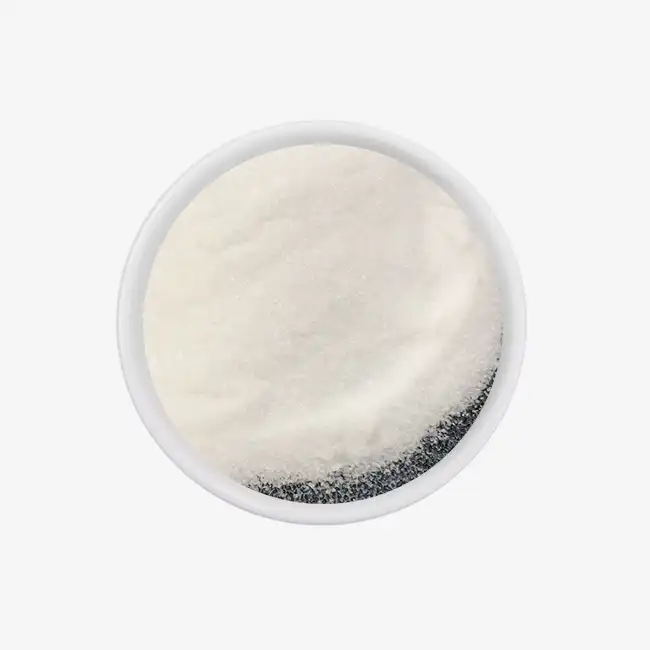
The potassium salt of acetic acid has the molecular formula CH3COOK and the CAS number 127-08-2. It is a white, crystalline material that dissolves very easily. This chemical dissolves easily in water, alcohol, and acidic environments. This makes it very useful in pharmacy settings where fast dissolving is important. Pharmaceutical-grade versions, which have a molecular weight of 98.14, go through strict cleaning processes that get rid of any leftover contaminants that are dangerous to humans.
Physicochemical Properties That Define Quality
One thing that makes pharmaceutical solid potassium acetate stand out is that it is deliquescent, which means it soaks up water from the air until it dissolves completely. This hygroscopic behaviour means that it needs to be stored in a controlled setting where the relative humidity stays below 40% and the temperature stays below 25°C. The solid structure is more stable than liquid versions, especially when shipping over long distances or storing for a long time. The material stays strong for a long time if it is stored properly in containers that keep out wetness, like LDPE-lined drums.
In medical situations, the chemical works as both a general alkaliser and a water replenisher. Instead of potassium chloride, which can cause hyperchloremic acidosis, acetate-based formulas break down into bicarbonate, which helps people who have metabolic acidosis and not enough potassium. Because of this chemical difference, it is the best choice for haemodialysis solutions, which need to make sure that the electrolytes are balanced without having too much chloride.
Purity Benchmarks Set by Global Pharmacopeias
Pharmaceutical grades are different from technical or food-grade grades because they have to meet strict cleanliness standards set by international regulatory bodies. The USP, EP, BP, and JP pharmacopoeias all say that medicinal products must be at least 99.0% pure. Besides setting strict limits on general cleanliness, these guidelines also set strict limits on certain toxins.
Heavy metals like lead, mercury, and arsenic must stay below 0.0005% so that people who get multiple amounts don't become more dangerous over time. Most limits on chloride content are set at 0.01%. This is done to protect the purity of the mixture in situations where chloride ions might interact with active medicinal chemicals. When used in dialysis, aluminium content is closely inspected, and ICP-MS testing is needed to make sure that amounts are safely below the levels that could be dangerous to people whose kidneys aren't working well.
Certification Requirements That Ensure Compliance
Suppliers that want to work with the pharmaceutical industry keep their factories GMP-certified and open to regular checks. Good Manufacturing Practices include controlled settings with tested air filter systems, written cleaning routines, and training programs for employees that lower the risk of exposure. Before it is released, every production batch goes through a lot of tests that produce Certificates of Analysis that show it meets pharmacopeial standards.
The ISO 9001 certification for solid potassium acetate shows that the company is committed to organised quality management. The ISO 14001 and ISO 45001 certifications show that the company is committed to protecting the environment and workers' safety. More certificates, like KOSHER and HALAL, make it easier for providers who serve a wide range of global markets to get into new markets. Third-party laboratory verification adds another level of trustworthiness. Independent labs confirm purity standards using approved analytical methods such as high-performance liquid chromatography and inductively coupled plasma mass spectrometry.
Why Certification Matters in Pharmaceutical Potassium Acetate Procurement?
In pharmacy supply lines, certification is the key to making sure patients are safe, following the rules, and making money. Buying materials that aren't approved has effects that go far beyond just saving money. It could lead to product recalls, fines from regulators, and damage to your image, all of which are worse than any short-term savings.
Clinical Reliability and Patient Safety Implications
Pharmaceutical solid potassium acetate is used in critical care for things like making haemodialysis concentrates, making intravenous feeding formulas, and replacing electrolytes. In haemodialysis, the substance gives important potassium ions that keep heart activity in people with kidney failure in check. In this setting, impurities can build up over time because kidneys that aren't working well can't get rid of them quickly. Heavy metals that are safe for healthy people at low levels become dangerous for people on dialysis over time.
Parenteral nutrition admixtures deliver complete nutritional support to patients unable to consume food orally. These clean methods get nutrients into the bloodstream directly, skipping the gut system's defences. Any particle or chemical residue in the acetate components can cause bad responses, from fever and swelling to allergy, which can be fatal. Certified pharmaceutical-grade materials go through particulate analysis and hygiene tests that technical grades don't do at all.

Antibiotic stabilization represents another critical application where purity directly impacts therapeutic efficacy. Beta-lactam antibiotics, like penicillin, break down quickly when the pH level isn't right. They also lose their effectiveness when they are stored and given. Pharmaceutical-grade potassium acetate perfectly balances these mixtures, stopping pH-related breakdown that would stop expensive medicines from working. Impurities in buffer compounds can speed up breakdown processes, which shortens the shelf life and hurts patient results.
Regulatory Alignment with FDA and EMA Requirements
The European Medicines Agency and the Food and Drug Administration in the US have strict rules about medicinal excipients and active ingredients. Both agencies want drug companies to make sure that the providers of their raw materials follow good manufacturing practices (GMPs), keep up with quality control, and give full proof that the materials can be used in pharmaceuticals.
Regulatory inspectors look closely at supply chain paperwork during pre-approval checks and regular surveillance audits. Certificates of Analysis that are missing, outdated, or not complete can delay product approvals, lead to warning letters, or even cause import bans. Pharmaceutical companies are legally required to check the qualifications of suppliers. This means that both the buyer and the seller are responsible for the quality of the paperwork.
Change control methods add another level of value to approval. When providers change the way they make things, move production facilities, or change where they get their raw materials, pharmacy users have to revalidate the materials before they can be added to approved drug formulas. GMP-certified providers have written change control systems that let customers know about important changes. This helps with regulatory compliance. These systems are often missing from providers who aren't authorised, which creates compliance risks that only become clear during regulatory audits.
Risk Mitigation in Bulk Procurement and Storage
When you buy a lot of pharmaceutical solid potassium acetate, the effects of poor quality get worse. A lot of several tonnes that is contaminated can throw off production plans for months while companies look into what went wrong, make new goods, and test their processes again. These risks are kept to a minimum by certified sellers with strong quality systems that use tested procedures that find problems before they are shipped.
Traceability methods that are made possible by thorough writing help people act quickly when quality issues appear. Batch-specific Certificates of Analysis help drug companies quickly figure out which production lots used materials that might have been contaminated. This limits the number of investigations and refunds that need to be done. Without specific tracking, quality problems spread to all goods made at unclear times, which raises costs and causes problems with regulations.
Storage stability paperwork from qualified sources tells you how to handle things properly. Pharmaceutical-grade potassium acetate needs to be kept dry and away from heat and moisture while it is being stored and shipped. When suppliers give customers stable data for different temperature and humidity levels, customers can set up the right storage rules to stop degradation that could hurt the quality of the product.
How Zhaoyi Chemical Ensures Pharmaceutical-Grade Purity and Certification?
Zhaoyi Chemical has built its name on being open, providing detailed paperwork, and producing with more care than what is required by law. The way the company does things shows that they know their pharmaceutical customers are closely watched by regulators and need sellers who see compliance as a relationship rather than a hassle.
GMP-Certified Manufacturing with Advanced Quality Control
The company keeps its GMP license by using buildings that are built to make pharmaceutical-grade products. During the crystallisation and packing processes, airborne pollution can't happen in clean rooms with tested HVAC systems. Staff members get a lot of training in aseptic methods and how to keep things clean, and they have to pass written tests on their skills every year to make sure they stay up to date.
Synthesis methods use very pure raw materials that are tested for quality before they are used in production. Trace impurities are removed by multistage crystallisation, and in-process testing is used to keep an eye on each purification step. Assay determination, heavy metal quantification via ICP-MS, chloride measurement via ion chromatography, and pH proof under standard conditions are all part of the full pharmacopeial study that final goods go through.
Internal control standards go above and beyond what is required by international law on purpose. This creates quality gaps that make sure consistent compliance even as rules change. This cautious method has helped Zhaoyi Chemical keep all of its licenses since it first got them, dodging the problems that happen when rivals aren't as careful.
Comprehensive Documentation Supporting B2B Requirements
Every package has several layers of paperwork that are specifically made to meet the needs of pharmacy customers. The Certificate of Analysis lists test results for each batch that meet all the requirements of the pharmacopoeia. It has been signed by quality control staff and looked over by senior staff. Stability reports show how well a product stays intact under different storage conditions. This helps customers figure out how long a product will last and helps develop storage protocols.
Regulatory compliance certificates like GMP, ISO 9001, ISO 14001, ISO 45001, KOSHER, and HALAL credentials come with proof that they are still valid. Material Safety Data Sheets give information about risks and how to handle an emergency in more than one language so that they can be used by customers all over the world. Customers who need to send private manufacturing details to regulatory bodies can set up Drug Master Files.
Customisation even includes calls for specific documents. Customers who need special test methods, more purity factors, or unique package certifications can get them because quality control is flexible. This response shows that Zhaoyi Chemical knows that pharmaceutical supply lines need to be able to change with new formulas and rules.
Flexible Procurement Solutions and Global Logistics
You can order solid potassium acetate in bulk in a range of sizes, from 25 kg plastic weave bags that are good for small businesses to 1000 kg ton-bags that are chosen by makers who make a lot of products. This variety of packaging works for a range of production sizes and keeps the integrity of the product by using materials that don't absorb water and following proper handling procedures. Custom packing plans are made to meet the specific needs of each customer. For example, nitrogen-flushed cases for longer stability or labelling that meets the standards of a certain regulatory body.
Customers can test for suitability before making big purchases when samples are available. Zhaoyi Chemical offers analytical-grade samples with Certificates of Analysis, which help drug makers make sure the material will work with their unique formulas. During this testing process, any possible conflicts are found early on, which saves a lot of money on costly reformulation efforts after bulk purchase.
Logistics skills support pharmaceutical markets around the world by working with chemical goods carriers that know how to follow rules and handle materials properly. Temperature-controlled shipping choices keep things from breaking down during shipping because of heat, and moisture-barrier packaging keeps things from getting wet. All the certificates and analysis reports needed to get through customs in major pharmaceutical markets are included in the documentation packages that ship with goods.
How to Select the Right Pharmaceutical Solid Potassium Acetate Supplier: A Decision-Making Guide?
Decisions about purchases have effects that last for a long time and go beyond the current transaction. The provider you choose today will become a partner whose skills, timeliness, and dependability will have a direct effect on your success in making pharmaceuticals.
Core Evaluation Metrics for Supplier Assessment
The main thing that is used to judge something is its purity. Ask for Certificates of Analysis for several recent runs and check that the test results, heavy metal amounts, and salt levels are all consistent. If purity measures change by more than 0.5% or trace contamination levels change by ten times, it means that the process control isn't working right. Contact the analytical laboratories mentioned by sellers to make sure the tests are real. Check that the labs actually did the studies and that the results match the paperwork from the supplier.
Aligning production ability keeps supplies from being interrupted. Suppliers who are already close to full capacity may not be able to handle sudden demand jumps or bigger orders. Find out how much of the supplier's capacity is currently being used and how much more is planned so that the supplier can grow with your pharmacy business. Having various production lines for manufacturing capacity ensures that production doesn't stop when equipment breaks down or repair work takes a while.
Validity of certification needs to be checked on a regular basis. Set up reminders to look over source certificates once a year and make sure they are renewed before they expire. Instead of waiting for providers to send you renewed paperwork, ask for it ahead of time. This way, you'll catch any mistakes before they hurt your regulatory standing. Supply deals that include audit rights allow for regular site checks, which are a good way to make sure that factory conditions and quality systems are being followed.
Matching Supplier Capabilities to Application Requirements
Injectable formulations of pharmaceutical solid potassium acetate need to be very pure, even more pure than what is required by normal pharmaceutical minimums. Suppliers that want to get these jobs do more than just meet the standards for commodity-grade production. They spend in advanced cleaning technologies and particulate control measures. Zhaoyi Chemical's pharmaceutical-grade potassium acetate is as pure as or higher than 99.0%, with heavy metals kept to 0.0005%. It meets the standards for injected products by using special crystallisation methods and clean room processes.
Aluminium builds up in people with renal failure, so the concentrate used in dialysis has to have a very low aluminium content. Make sure that any possible providers test for aluminium using an ICP-MS instead of putting it in the same category as other heavy metals. Detailed aluminium reporting shows that the provider knows what the dialysis application needs and has the analytical skills to keep an eye on this important parameter.
For antibiotic stabilisation uses, it's best to work with providers who have experience in the pharmaceutical business and know how to meet pH balancing needs and stability concerns. It's important for these relationships to have technical support, because formulation experts may need help finding the best buffer amounts or fixing problems with stability. Suppliers like Zhaoyi Chemical that give expert help 24 hours a day, seven days a week are useful partners who do more than just sell materials.
Building Long-Term Partnerships Through Quality Assurance
Warranty protections cover problems with the quality of the product, but preventing problems is better than fixing them. Check the quality event records of providers by asking for details about customer complaints, batch rejects, and the steps that were taken to fix the problems. Suppliers with clear quality records show that they are accountable and work to improve all the time, which lowers the risk of future problems.
Partnership quality can be predicted by how quick communication is. During the review phase, look at how quickly providers respond to technical questions and requests for quotes. Slow answers at the beginning usually get worse after a purchase, but quick, detailed contact during the dating phase usually lasts throughout a relationship. Language skills are important for foreign relationships because they help avoid mistakes that could hurt the success of the plan.
Updates on quality assurance let buyers know about changes to regulations, better processes, and renewed certifications. Proactive sellers let customers know ahead of time about any changes to the supply chain, manufacturing, or raw materials that might affect their orders. This helps make the change control process run smoothly. This way of talking to each other turns sellers into partners who care about their customers' compliance with regulations and business success.
Conclusion
Choosing approved pharmaceutical solid potassium acetate providers affects the quality of the product, how well it meets legal requirements, and how safe it is for patients. Reputable producers, such as Zhaoyi Chemical, set themselves apart by having GMP approval, thorough paperwork, and quality systems that go above and beyond what is required by law. Pharmaceutical companies can avoid supply chain risks by checking licenses, batch-specific testing data, and production capabilities. This also makes sure that materials meet strict USP and EP standards. Long-term relationships based on open communication, expert help, and regular quality delivery give companies an edge in the global pharmaceutical market, which is becoming more controlled.
FAQ
What kinds of licenses do you need to buy potassium acetate that is used in medicine?
GMP certification shows that products are made according to standards for medicinal quality, and ISO 9001 certification shows that quality management is done in a planned way. With KOSHER and HALAL approvals, you can get into more markets. For every batch, you need a Certificate of Analysis that shows it meets the standards for cleanliness, heavy metals, salt level, and pH. Third-party laboratory proof is an extra level of independent confirmation on top of the supplier's own tests.
What's the difference between technical-grade and pharmaceutical-grade potassium acetate?
Pharmaceutical grades are cleaned very carefully until they are at least 99.0% pure, with heavy metals below 0.0005% and chlorides below 0.01%. GMP manufacturing keeps things from getting contaminated, and sterility testing makes sure they are safe for people to use. Technical grades have more impurities that make them good for deicing or commercial uses but dangerous for medicinal use.
Can sellers give samples before I buy a lot?
Analytical-grade samples come with Certificates of Analysis from reputable sources like Zhaoyi Chemical. This lets you try compatibility within certain recipes before making big purchases. This finds possible mismatches before they become big problems, saving you the cost of reformulating after buying a lot of them.
Why does how pharmaceutical solid potassium acetate is stored matter?
Because the chemical is deliquescent, it soaks up water until it dissolves completely. For storage, containers must be covered to keep wetness out and the temperature must be kept below 25°C and the humidity below 40%. The right way to store something stops it from caking, keeps it pure, and makes sure the material stays intact throughout its shelf life.
Partner with Zhaoyi Chemical for Certified Pharmaceutical Excellence
Through GMP-certified manufacturing, thorough quality documentation, and more than 30 years of experience making acetate, Zhaoyi Chemical provides pharmaceutical solid potassium acetate that meets the strictest regulatory standards. Our pharmaceutical-grade materials are ≥99.0% pure and fully comply with pharmacopeial standards. This is backed up by ISO certifications and testing results for each batch. Our expert support team and flexible purchasing choices can meet your needs, whether you need materials for haemodialysis preparations, intravenous feeding formulas, or antibiotic stabilisation. Send us an email at sxzy@sxzhaoyi.com to get samples, look at our certifications, or talk about your needs with our pharmaceutical solid potassium acetate supplier experts, who know how complicated it is to work in a controlled environment.
References
United States Pharmacopeia Convention. "Potassium Acetate Monograph." USP-NF Official Standards, 2023 Edition.
European Directorate for the Quality of Medicines. "Pharmaceutical Grade Potassium Acetate: Quality Standards and Analytical Methods." European Pharmacopoeia, 11th Edition, 2023.
Chen, M. and Roberts, K. "Quality Assurance in Pharmaceutical Excipient Manufacturing: GMP Implementation and Certification Requirements." Journal of Pharmaceutical Sciences, Volume 112, Issue 4, 2023.
American Society of Health-System Pharmacists. "Potassium Acetate in Clinical Applications: Hemodialysis and Electrolyte Management." AJHP Pharmaceutical Guidelines, 2022.
International Organization for Standardization. "ISO 9001 Quality Management Systems in Pharmaceutical Chemical Manufacturing." ISO Technical Standards Documentation, 2023.
Davidson, P. et al. "Analytical Methods for Heavy Metal Detection in Pharmaceutical-Grade Acetate Salts." Analytical Chemistry Research, Volume 28, 2023.

USER EVALUATE
Here is the customer's evaluation of us