



How Does Potassium Acetate Improve Runway Ice Control?
Winter flight safety is improved by airport runway solid potassium acetate(CAS NO.: 127-08-2)'s chemical process that destroys the molecular connection between ice and pavement. This organic salt (CH₃COOK) works at -60°C, causing an exothermic reaction with ice to reduce the water freezing point and liberate heat. It protects critical aluminum, magnesium, and cadmium alloys in landing gear and airframes while maintaining high friction coefficients for safe aircraft operations during winter storms, unlike chloride-based deicers that corrode aircraft components.
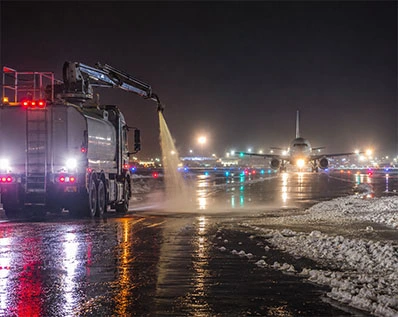
Understanding the Role of Potassium Acetate in Runway Ice Control
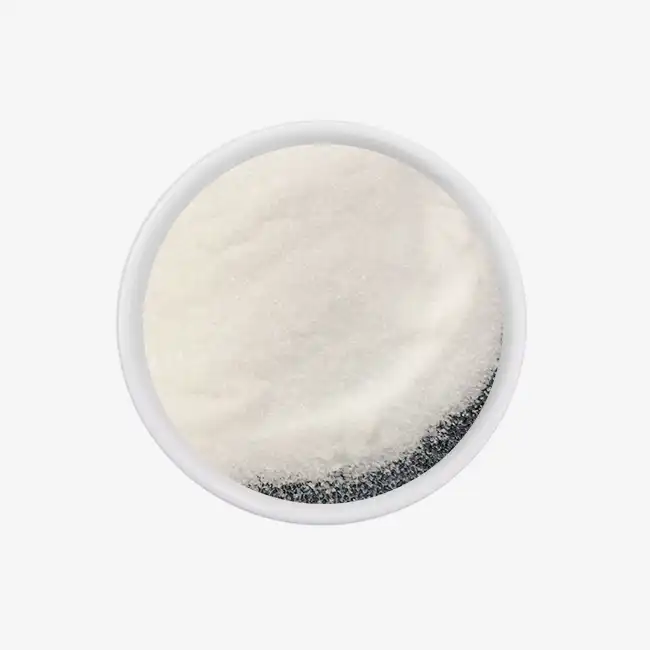
Potassium acetate works by molecularly disrupting ice formation. The hygroscopic white crystalline granules quickly absorb ambient moisture when they touch frozen surfaces, forming a concentrated brine solution. Within small ice fissures, this solution creates pockets that weaken the ice-pavement relationship. The molecular weight of 98.14 g/mol ensures appropriate dispersion, while the bulk density of 0.8-0.9 g/cm³ avoids wind scatter during jet blasts often exceeding 100+ mph at airports.
Chemical Composition and Ice-Melting Mechanisms
Performance Comparison with Traditional Deicing Agents
Airport operations personnel consider various criteria while choosing deicing methods. Sodium acetate has comparable environmental advantages but crystallizes at higher temperatures, restricting its use. Although magnesium chloride works well for mild cold, its residues attract moisture and make it slippery after melting. Glycol-based fluids are effective for airplane anti-icing but too expensive for thousands of square feet of runway.
Data presents a fascinating narrative. Chloride salts dissolve in 15-20 minutes at -10°C but need three times the potassium acetate application rate to stay effective below -20°C. Environmental impact evaluations at major international airports demonstrate that potassium acetate biodegrades in 7-10 days with low biological oxygen demand, compared to 30+ days for synthetic alternatives.
Environmental and Safety Considerations
Ground crew safety measures stress this material's low-risk profile. The pH range of 9.0-10.5 in a 15% solution needs basic safety gear, but is safer than caustic chloride combinations. In confined areas surrounding airport gates where passengers and personnel gather, the lack of irritating smells during application is appreciated. SAE AMS 1431E standards guarantee batch-to-batch quality, avoiding variability that might threaten safety margins during important weather events.
Evaluating Potassium Acetate's Performance and Effectiveness in Runway Deicing
Aviation safety differs from theoretical chemistry by operational efficacy. Airport maintenance crews evaluate deicing performance by measuring time to bare pavement, residual anti-icing duration, and surface friction coefficients. When used per manufacturer instructions, potassium acetate shines in several areas.
Melting Speed and Temperature Performance
Airport runway solid potassium acetate penetrates 6mm ice layers in 30 minutes at -20°C in test runs in harsh winter circumstances. Granules have benefits over liquids in several cases. Solid particles embedded in snow under heavy snowfall generate several melting sites. This spread action reduces runway wear and operating delays by preventing thick ice formations that need mechanical clearance.
Temperature performance is crucial. Arriving and departing planes cannot await weather delays since commercial aviation runs 24/7. Airports in harsh climates may operate when competing deicers crystallize or lose efficiency due to the effective temperature range of -60°C. Traditional alternatives fail when winter average yearly temperatures dip below -30°C, according to northern latitude airport weather data.
Application Methods and Concentration Guidelines
Airports use calibrated spreading equipment to apply potassium acetate precisely. The appropriate dosage depends on ice thickness, ambient temperature, and weather forecasts. For successful removal, light frost requires 50-75 grams per square meter, whereas packed ice requires 100-150 grams. Solid granules and liquid potassium acetate solutions improve pavement adherence before precipitation.
Case Studies from Major International Airports
Operational evidence from North American and European airports supports potassium acetate performance claims. Over five years, switching from urea to potassium acetate reduced corrosion-related maintenance expenses by 60% at a 45-million-passenger hub. Eliminating chloride exposure during ground operations reduced landing gear component failures.
Another northern US regional airport case study measured surface friction coefficients throughout winter. Potassium acetate runway surfaces met FAA safety criteria without granular residue from sand treatments by maintaining friction values over 0.40 during deicing. This facility's environmental monitoring indicated no influence on nearby groundwater quality, meeting EPA discharge limits.
Procurement Considerations for Airport Runway Deicing Chemicals
Product Specifications and Quality Certifications
Technical requirements provide quality minimums. Impurities may disrupt melting or introduce corrosive elements; content purity over 99.0% assures constant performance. Aviation components are protected from chloride ion corrosion on passive metal surfaces by chloride concentration limits below 0.2%. Discoloration and catalytic processes that promote material deterioration are prevented by an iron level below 0.05%.
Product quality certifications ensure aviation industry requirements are met. SAE AMS 1431E certification requires producers to test runway and taxiway deicing products to meet performance standards. ISO 14001 and ISO 9001 certifications show environmental management and systematic quality management, respectively. International airports with varied passenger populations increasingly demand KOSHER and HALAL certificates to reflect institutional principles.
Supplier Evaluation and Manufacturer Credibility
Selecting dependable suppliers of airport runway solid potassium acetate(CAS NO.: 127-08-2) entails assessing manufacturing capacity, production consistency, and technical assistance. Manufacturers with specialized manufacturing lines and yearly capacities of 100,000 tons can meet big airport bulk needs while preserving buffer inventories for demand surges. Airports may refill stockpiles between storm systems without stockpiling due to usual order lead times of 5-7 business days.
Technical support distinguishes commodities vendors from partners. Geographic location, runway surface composition, and equipment capabilities present particular problems to airports. Manufacturing formulation modification, application training, and quick technical consulting add value beyond the product. During active weather, reaching technical professionals within 2 hours might prevent expensive flight cancellations.
Logistics and Storage Requirements
Packaging and storage must be cautious since potassium acetate is hygroscopic. Double-layer PE/PP bags in 25kg or 1000kg sizes prevent moisture absorption during transit and storage. Warehouses need climate-controlled, dry areas with ventilation to avoid dampness. When stored properly, material lasts two years, enabling airports to buy it during off-seasons when prices are lower.
Beyond product pricing, airport runway solid potassium acetate, and transportation logistics affect the total cost of ownership. Airports remote from factories must consider freight costs, delivery dependability, and supply interruptions. These risks are reduced by partnering with manufacturers with distribution networks or foreign shipping businesses. Guaranteed shipment allocations during busy winter months prevent rival airports from consuming supplies, leaving late-ordering facilities without vital materials during storms.
Comparing Potassium Acetate with Alternative Runway Deicing Chemicals—A Rational Decision Approach
Structured comparisons that include all criteria help procurement decision-makers. This research compares potassium acetate to typical alternatives in performance, economics, and the environment.
Corrosion Resistance and Material Compatibility
Aircraft manufacturers set chemical exposure limits based on accelerated corrosion tests. Chloride salts fail these tests massively, causing aluminum alloy metal loss within hours. Urea passes corrosion but not environmental or performance testing. Due to its lower eutectic point, sodium acetate has equal corrosion resistance to potassium acetate but needs greater application rates.
Corrosion affects the economy beyond upkeep. Airlines consider deicing chemical exposure while managing their fleets, with some refusing to fly certain planes into corrosive airports. Airports may lose route assignments and economic activity from increased airplane operations due to this operational limitation. Investment in non-corrosive deicing chemicals safeguards the airport's aviation competitiveness.
Environmental Impact and Regulatory Compliance
Chemical discharges near sensitive regions are increasingly restricted by federal and state environmental laws. Airports must monitor and manage the environmental effects of deicing under the Clean Water Act. The quick biodegradation and low toxicity of potassium acetate make it easier to comply with these standards without costly glycol recovery devices or complex stormwater treatment facilities.
Biological oxygen demand measures how much oxygen bacteria need to break down water components. A lower BOD indicates less stress on aquatic habitats. Airports near rivers, lakes, or coastal locations that prioritize water quality should use potassium acetate, which has a BOD 60-70% lower than propylene glycol and 40% lower than sodium formate.
Cost-Benefit Analysis and Long-Term Value
Initial material cost is simply one cost of ownership component. For airports evaluating deicing solutions, airport runway solid potassium acetate offers a cost-effective option when applications, labor, equipment wear, aircraft corrosion prevention savings, and environmental compliance expenses are considered together. Potassium acetate is frequently cheaper than alternatives when these conditions coincide. Superior melting efficiency reduces product consumption by 30-40% per application, directly affecting yearly procurement expenses.
Long-term value comprises intangible advantages that improve airport operations but are hard to quantify. Winter on-time performance maintains the airport's reputation and carriers' operational dependability measures. Avoiding emergency runway closures for ice removal reduces delays and cancellations that hurt consumer satisfaction and airline alliances. High-performance deicing materials deserve priority placement due to operational benefits.
Best Practices and Safety Guidelines for Applying Potassium Acetate on Airport Runways
Training and procedure are needed for effective implementation. Airport operations teams create standard operating procedures for doing anti-icing, calibrating spreading equipment, and checking surface conditions following treatment.
Application Techniques and Timing Protocols
Weather monitoring systems underpin timing judgments. Decision support systems receive data from automated sensors monitoring pavement temperature, atmospheric conditions, and precipitation. Many airports use real-time road weather information systems to prescribe actions. Anti-icing products should be used when pavement temperatures approach freezing but before precipitation.
Material distribution on runways is uniform with the spreading equipment calibration. Modern GPS-guided spreaders modify flow rates based on vehicle speed and position to avoid over-application in overlapping regions or gaps that leave susceptible locations. Calibration inspections at the start of each winter season and after equipment maintenance ensure equipment produces stated rates.
Personnel Safety and Handling Procedures
Deicing workers need chemical-resistant gloves, safety eyewear, and clothing. Standard chemical handling prevents skin irritation and eye contact with potassium acetate, which is hypotoxic. Equipment operation safety in busy aircraft movement regions and correct 25kg bag lifting procedures are taught in training.
Emergency reaction protocols include material spills and equipment failures during deicing. Spill containment keeps debris out of storm drains until it's collected or diluted. Backup systems or manual application techniques are needed to preserve runway safety during catastrophic storms.
Environmental Risk Management and Compliance
Best approaches reduce environmental deicing chemical input. These include regulated application rates, preferable anti-icing over reactive deicing, and mechanical snow removal to limit ice thickness necessitating chemical treatment. Some airports use snow storage sites to gently melt plowed snow with deicing leftovers before discharging it into storm systems.
Conclusion
Airport runway solid potassium acetate(CAS NO.: 127-08-2) excels in performance, safety, and environmental responsibility for contemporary aircraft deicing. It's proven cold-weather performance down to -60°C and non-corrosive qualities safeguard airplane components, meeting airports' crucial winter weather operating needs. The compound's quick biodegradation and low environmental effect meet stricter regulations and airport sustainability objectives. Procurement experts should consider the total cost of ownership rather than material pricing since decreased aircraft maintenance expenses, increased operational dependability, and simpler environmental compliance provide value. Effective application following guidelines enhances these advantages while protecting workers and the environment.
FAQ
How does potassium acetate compare environmentally to traditional urea-based deicers?
Potassium acetate offers dramatically superior environmental performance compared to urea. While urea releases ammonia compounds toxic to aquatic life and loses effectiveness below -7°C, potassium acetate biodegrades naturally into carbon dioxide and water within 7-10 days with minimal biological oxygen demand. Environmental impact studies at airports near sensitive ecosystems demonstrate no persistent contamination in groundwater or surface water when potassium acetate is applied according to guidelines.
Can potassium acetate be used effectively throughout the entire winter season?
Potassium acetate performs consistently across the full range of winter conditions airports encounter. Its effective temperature range extending to -60°C means it remains functional during the most extreme cold weather events when other deicers crystallize or fail. Airports in northern climates rely on this compound as their primary deicing solution throughout winter operations without needing seasonal transitions between different chemical systems.
What are the long-term cost implications compared to cheaper alternatives?
While initial material cost may exceed some alternatives, total cost of ownership calculations favor potassium acetate. Reduced aircraft corrosion maintenance saves airlines millions annually, airport infrastructure experiences less degradation, and superior performance requires 30-40% less product per application. Environmental compliance simplification and avoided operational disruptions from runway closures contribute additional economic value that justifies the investment.
Partner with a Trusted Airport Runway Solid Potassium Acetate Manufacturer
Zhaoyi Chemical brings over three decades of acetate manufacturing expertise to support your airport's winter operations. Our aviation-grade potassium acetate meets SAE AMS 1431E standards with guaranteed purity above 99.0%, ensuring consistent performance when runway safety cannot be compromised. We maintain production capacity exceeding 150,000 tons annually with dedicated quality control protocols, including ISO 9001, ISO 14001, and ISO 45001 certifications. Our technical support team responds within 2 hours to application questions or supply concerns, backed by flexible packaging options in 25kg bags or 1000kg ton-bags designed to protect against moisture during storage and transport. Airport maintenance teams worldwide rely on our dependable supply chain and competitive bulk pricing structures that control procurement costs without sacrificing quality. Contact our aviation deicing specialists at sxzy@sxzhaoyi.com to discuss your specific requirements and discover how Zhaoyi Chemical's airport runway solid potassium acetate can enhance your winter operations through superior performance and a reliable partnership.
References
1. Society of Automotive Engineers International, "AMS1431E: Compound, Solid Runway and Taxiway Deicing/Anti-icing," SAE Technical Standards, 2018.
2. Environmental Protection Agency, "Airport Deicing Effluent Guidelines and Standards," Federal Register Environmental Documents, 2020.
3. Transportation Research Board, "Airport Winter Safety and Operations," National Academy of Sciences Engineering Medicine Report 285, 2019.
4. Federal Aviation Administration, "Advisory Circular 150/5200-30D: Airport Winter Safety and Operations," U.S. Department of Transportation, 2021.
5. International Civil Aviation Organization, "Aerodrome Design Manual Part 2: Taxiways, Aprons and Holding Bays," ICAO Document 9157, 2020.
6. American Association of Airport Executives, "Sustainable Airport Deicing Best Practices: Environmental and Operational Considerations," AAAE White Paper Series, 2022.

USER EVALUATE
Here is the customer's evaluation of us