



Reliable Potassium Acetate Manufacturer for Deicing Applications
When the safety of winter infrastructure depends on managing ice well, choosing a reliable manufacturer for snow melting liquid potassium acetate(CAS NO.: 127-08-2) that effectively removes snow and ice becomes a very important decision for procurement professionals. This high-tech deicing option works really well in very cold weather and helps protect expensive infrastructure from corrosion damage. As winter conditions become more severe, it gets harder for city governments, airport operators, and highway maintenance companies to maintain efficient operations. The choice of deicing product and provider has a direct effect on operational performance, environmental protection, and long-term cost management. To find a supplier that can consistently provide high-quality acetate-based deicers, buyers need to evaluate their technical capabilities, compliance with licensing requirements, and supply chain reliability. Within this guide, we'll explore the technical fundamentals of liquid potassium acetate, compare it with other deicing solutions, and provide B2B buyers with practical purchasing insights to help them make informed decisions that meet operational requirements and government standards.
Understanding Liquid Potassium Acetate for Deicing Applications
Chemical Properties and Formulation Standards
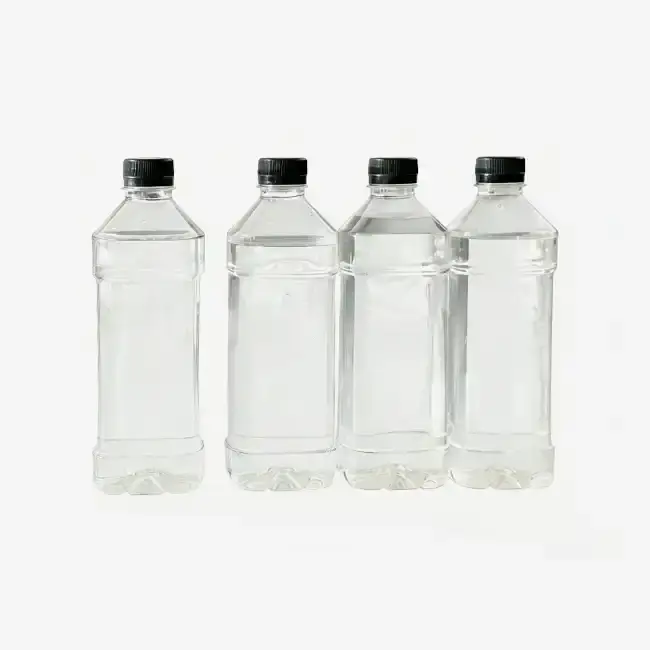
Liquid potassium acetate (CH3COOK, CAS NO. 127-08-2) is a big step forward in deicing technology that doesn't use chlorine. This clear, colorless solution usually has an active concentration of 50 to 60 percent, which lowers the freezing point to -35°C. At 20°C, the molecular weight is 98.14, and the specific gravity ranges from 1.25 to 1.29, making it easy to get into ice forms.
Potassium acetate is different from chloride-based options because it is chemically stable. Its pH ranges from 7.5 to 9.2, which makes it an alkaline buffer that actively protects metal surfaces from rust, keeping carbon steel corrosion rates at or below 0.03g/m²·h. Aerospace Material Specification (AMS) 1435 standards are met by this performance characteristic, so it can be used in sensitive situations where material compatibility must not be compromised. The slightly sour smell shows that it is pure without indicating decay or contamination.
Performance Advantages in Critical Infrastructure
When liquid formulations come in touch with ice and snow, they start working right away, without the delay that comes with solid deicing goods. This quick reaction is needed when the weather changes quickly, and airport safety or highway access can't wait for granular goods to turn into active salt solutions.
Temperature performance testing shows that snow melting liquid potassium acetate melts more than 85% of snow within just one hour at -25°C, which is well beyond the performance level of many chloride-based products. The liquid form remains flowable at sub-zero temperatures, allowing continuous use in automatic spray systems without clogging nozzles or requiring storage in heated areas. This consistency is especially important for aviation facilities because it helps prevent the formation of Foreign Object Debris (FOD), which can occur when solid deicing products enter sensitive operational areas.
The environmental safety profiles show that the materials are biodegradable at rates higher than 95%, and they have low Biological Oxygen Demand (BOD) and Chemical Oxygen Demand (COD) values that have little effect on the plants and water systems nearby. Chloride compounds build up in soil and groundwater, but acetate-based treatments break down naturally without leaving any long-lasting effects on the environment. This meets legal requirements and protects landscape investments next to treated areas.
Comparing Potassium Acetate Liquid with Alternative Deicing Agents
Acetate Family Performance Characteristics
When it comes to acetate-based deicers, potassium acetate works better than sodium acetate and magnesium acetate, respectively. Sodium acetate has lower start-up costs, but it lowers the freezing point less and lets ice through more slowly. While magnesium acetate has average performance, it lacks the corrosion-preventing qualities that are needed to protect airplane parts and bridge structures.
The potassium ion breaks up ice crystals more effectively while still being compatible with surfaces made of concrete, steel rebar, and aluminum that are common in critical infrastructure. AMS 1435 tests show that potassium acetate solutions have corrosion rates that are about the same as those of distilled water on aluminum, carbon steel, and magnesium alloys used in aviation. This material safety makes equipment last longer and lowers the costs of repairs needed for corrosion damage over longer periods of use.
Glycol-Based and Chloride Alternatives
Ethylene glycol and propylene glycol are used for specific deicing tasks, such as in aircraft anti-icing chemicals. However, snow melting liquid potassium acetate provides an alternative for many snow and ice removal applications, as glycol-based goods are more likely to be poisonous and need special ways to be handled and disposed of. Propylene glycol is not as dangerous as ethylene glycol, but it still requires careful environmental management and usually costs much more per treated area than acetate solutions.
Calcium chloride and potassium chloride are common deicing ingredients that don't cost much to buy at first. The damage these chloride chemicals do to infrastructure cancels out any cost savings that might be there. Corrosion caused by chloride breaks down the steel that supports concrete bridge decks, causing them to spall and necessitating expensive repairs. When considering deicing programs, highway departments are looking at the total cost of ownership more than the unit price. This is because they know that salt harm requires ongoing upkeep.
Liquid Versus Solid Format Considerations
Buyers in the industrial sector often think about whether liquid or solid potassium acetate is better for their needs. Snow melting liquid potassium acetate is especially suitable for applications where continuous and automated deicing performance is required. Fixed Automated Spray Technology (FAST) systems are used on bridge decks and important highway sections. Liquid formulations work perfectly with these systems. These automated systems use sensors to find out when it's freezing and then apply the right amount of deicer before the ice sticks to the ground.
Solid potassium acetate needs time to dissolve before it can be chemically active. This makes it hard to know when to use it when a storm is developing quickly. Liquid goods get rid of this wait and give you exact control over the application, which lowers the overall product consumption. Liquid forms are easier to work with in high-volume settings where automatic equipment cuts down on the need for workers and raises safety by keeping workers out of bad weather during human application processes.
How to Choose the Right Potassium Acetate Manufacturer for Your Procurement Needs
Quality Certification and Compliance Standards
Verifying internationally recognized certifications is the first step in making a supplier reliable. ISO 9001 certification shows that quality is managed in a planned way throughout the whole manufacturing process. This makes sure that there is consistency from batch to batch, which is important for knowing how well the deicing will work. Environmental management approval under ISO 14001 shows that the company handles production to have the least possible effect on the environment.
Certifications that are specific to an industry add extra security for certain uses. KOSHER and HALAL approvals show that strict production standards were met, which is often a sign of better quality control. For airport uses, it's necessary to comply with AMS 1435 standards specifically for aviation. This approval proves that the product meets the performance and rust protection standards needed for flight safety.
By asking for detailed technical specs, buying teams can make sure that the amount of clarity meets practical needs. The content specifications show that a CH3COOK concentration of between 50 and 60% is the best balance between lowering the freezing point and making it easy to handle. Limits on iron impurity (≤0.002%), arsenic impurity (≤0.0004%), sulfate impurity (≤0.05%), heavy metals impurity (≤0.01%), and chloride impurity (≤0.01%) keep structures and equipment safe from damage caused by pollution.
Production Capacity and Supply Chain Reliability
A supplier's ability to meet large-volume needs without missing delivery dates is directly affected by how much they can produce each year. Manufacturers who regularly make 150,000 tons of goods show that they have the size to supply big infrastructure projects, airport operations, and regional highway systems without having to worry about allocation issues during the busiest winter months.
Shipping prices and arrival efficiency are affected by where the package is being sent. Manufacturers who have long-term ties with foreign shipping companies can offer cheap freight rates and know how to follow the rules for transporting chemicals. Packaging knowledge in 1000L IBC tanks and flexitanks improves the efficiency of transportation while keeping the integrity of the product during long shipping periods.
Technical Support and Customer Service Infrastructure
Companies that give expert help 24 hours a day, seven days a week show that they care about their customers' success beyond just selling products. Technical questions should get answers within two hours, which lets operational teams quickly solve application questions, storage problems, or ways to improve performance. This ease of access is especially helpful during winter storms, when getting instant technical help can have a big effect on safety.
Full support after the sale should include help with application, advice on how to dilute snow melting liquid potassium acetate(CAS NO.: 127-08-2) for certain temperature conditions, and checking to see if it is compatible with local building materials. Before making big purchases, procurement teams can use sample testing programs to make sure that a product will work well in their specific operating environment. When it comes to customer relationships, manufacturers who are willing to work together on special projects show that they are more interested in building partnerships than in making sales.
Best Practices for Using Liquid Potassium Acetate in Deicing Applications
Storage and Handling Protocols
Keeping things in the right way during the winter keeps them working well and keeps workers safe. Potassium acetate should be kept in buildings that are dry, well-ventilated, and away from direct heat sources and sources of wetness. When containers are being moved, they need to be handled carefully so that they don't leak or spill, which could make the ground slippery or create waste.
Temperature control is still not as important as it is for water-based goods that tend to freeze. Even though the mixture stays flexible well below 0°C, storage areas should stay above -10°C for the best working properties. Keeping things away from things that don't mix with them keeps them from getting contaminated. Pay extra attention to staying away from strong oxidizers and acidic compounds that could start chemical reactions you don't want.

Application Methods and Equipment Compatibility
The dilution ratios for snow melting liquid potassium acetate should be adjusted based on the expected temperature conditions and precipitation levels. When temperatures are extremely low, concentrated solutions provide better melting performance, while moderate dilution can reduce product consumption in milder freezing conditions. For anti-icing applications before snowfall or rainfall begins, lighter application rates are typically required compared with de-icing after ice has already formed.
Equipment fit protects financial investments in application gear, which raises the value of the result. The low-corrosion recipe protects spray tanks, pumps, and valves that are used in automatic systems and cars that are only used for deicing. Regular maintenance and the non-aggressive chemical qualities of potassium acetate make tools last longer than chloride-based goods, which wear out mechanical parts more quickly.
Documented Performance Results
Airports in northern climates say they were able to keep runways open during conditions that used to cause closure delays by using snow melting liquid potassium acetate. The ability of this solution to be activated quickly and keep working well in very cold temperatures allowed operations to continue without interruption, which protected scheduled flights and reduced the economic impacts of severe weather. Infrastructure repair departments have also found that bridge decks treated with potassium acetate showed less concrete flaking and rebar erosion compared with sections treated with conventional chloride deicers.
Landscape protection is something that commercial property managers do to treat the walks and parking lots. The recyclable recipe keeps the grass from burning and the decorative plants from getting hurt, which usually happens when chloride salts are used. This care for the environment lowers the cost of replacing landscapes while keeping the nice looks that are important for business parks, hospitals, and schools.
Procurement Insights: Buying Liquid Potassium Acetate with Confidence
Supplier Verification and Direct Manufacturer Engagement
Verifying the identities of suppliers guards against fake goods and makes sure that quality standards are met. When you deal directly with manufacturers instead of going through distributors, you often get better technical support, better terms, and more information about how the products are made. Asking for building licenses, proof of production capacity, and quality control methods shows what the company can do and how committed they are to doing it well.
Supply security is very important during times of high demand, and long-term partnerships with well-known makers of snow melting liquid potassium acetate can provide it. Building relationships before winter starts makes sure that priorities are clear when harsh weather puts pressure on area supplies. Manufacturers who have been in business for more than thirty years have shown stability and accumulated knowledge that newer companies can't match.
Contract Structuring and Volume Commitments
Strategies for buying in bulk weigh the costs of keeping inventory against the chances of getting discounts for buying in bulk. Annual contracts with scheduled deliveries during the winter keep cash flow needs in check and secure competitive rates. Minimum order quantities vary from manufacturer to manufacturer. However, established suppliers will often accept smaller initial orders to help build relationships before moving on to larger volume commitments.
Buyers have more negotiating power when they show they know a lot about the technical details of a product, how it works, and how the competitive market works. Knowing how prices are usually set in a given industry helps people have useful conversations about the overall value of a product or service instead of just comparing individual unit costs.
Logistics and Regulatory Compliance
The types of packaging for snow melting liquid potassium acetate have a big effect on how quickly and cheaply it can be handled and shipped. IBC tanks are easy to move with a forklift and can be directly connected to automated dispensing systems. Flexitanks, on the other hand, make the best use of shipping containers for international purchases. Total transportation costs can be cut by choosing the right packing forms based on the tools available at the location and the way the product will be used.
To meet customs standards and business safety rules, packages must come with compliance paperwork like Material Safety Data Sheets (MSDS), certificates of analysis, and regulatory compliance statements. Manufacturers who have done business with other countries before offer complete documentation packages that speed up the processes of clearing customs and getting regulatory approval. Adhering to REACH rules for European markets and EPA rules for U.S. businesses makes sure that the product can be sold in more than one place.
Conclusion
To find a trustworthy company that makes snow melting liquid potassium acetate(CAS NO.: 127-08-2) deicing products, you need to weigh technical performance, quality assurance, and supply chain skills. Investing in acetate-based deicers pays off in a number of ways, including protecting infrastructure, being environmentally friendly, and maintaining effective performance in harsh winter conditions. When purchasing managers evaluate a supplier's certifications, production capacity, technical support infrastructure, and proven track records, they can ensure reliable winter maintenance operations. Shanxi Zhaoyi Chemical represents the level of manufacturing quality and long-term partnership commitment that demanding buyers seek when they cannot risk infrastructure safety or operational disruptions.
FAQ
How does liquid potassium acetate protect buildings better than regular deicers?
Acetate-based formulations keep carbon steel corrosion rates at or below 0.03g/m²·h, which is a lot lower than chloride compounds, which speed up the oxidation of reinforcing steel in concrete structures. This security makes the bridge deck last longer and cuts down on the need for expensive repairs to the structure.
What are the lowest amounts that buying teams should be able to order?
Orders from well-known manufacturers usually start with a single IBC tank for testing purposes, and volume discounts apply to pallet quantities and shipments in bulk. Most of the time, annual contracts offer the best terms and make sure that supplies are available all winter.
How quickly can companies fill urgent orders when there is a storm?
Suppliers you can trust keep safety stock and offer production wait times of 5 to 7 working days for normal recipes. Manufacturers with a lot of production capacity can speed up orders when weather predictions show that systems are coming that will need to restock, but planning ahead is still the best way to buy things.
Partner with Zhaoyi Chemical for Premium Snow Melting Solutions
Shanxi Zhaoyi Chemical Co., Ltd. has been making high-quality acetate products for more than thirty years. They make 150,000 tons of them every year and are certified by ISO 9001, ISO 14001, KOSHER, and HALAL. Our liquid potassium acetate for melting snow has been used successfully in demanding commercial, airport, and bridge settings where protecting infrastructure and being environmentally friendly cannot be compromised. We offer full technical help, competitive bulk purchasing terms, and dependable supply chain management, all backed by decades of experience in the production field. Email our team at sxzy@sxzhaoyi.com to talk about your unique deicing needs and get full product specs. We are a reliable source of liquid potassium acetate for melting snow, and we can give your business the quality and dependability it needs.
References
1. Transportation Research Board. "Guidelines for the Selection of Snow and Ice Control Materials to Mitigate Environmental Impacts." National Cooperative Highway Research Program Report 577, 2007.
2. Shi, X., Fay, L., Peterson, M.M., and Yang, Z. "Freeze-Thaw Damage and Chemical Change of a Portland Cement Concrete in the Presence of Diluted Deicers." Materials and Structures, Vol. 43, 2010.
3. American Association of State Highway and Transportation Officials. "Environmental Stewardship Practices, Procedures, and Policies for Highway Construction and Maintenance." AASHTO Center for Environmental Excellence, 2015.
4. Federal Aviation Administration. "Advisory Circular 150/5200-30D: Airport Winter Safety and Operations." U.S. Department of Transportation, 2018.
5. Fischel, M. "Evaluation of Selected Deicers Based on a Review of the Literature." Colorado Department of Transportation Report CDOT-DTD-R-2001-15, 2001.
6. National Research Council Canada. "Best Practices for the Use of Chloride-Based Ice Control Products." Institute for Research in Construction Technical Report, 2013.

USER EVALUATE
Here is the customer's evaluation of us