



How Does Potassium Acetate Liquid Improve Ice Removal Efficiency?
Deicing liquid potassium acetate(CAS NO. 127-08-2) significantly improves ice removal efficiency through its superior freezing point depression capability, reaching operational effectiveness down to -60°C. This non-chloride solution works at the molecular level by disrupting ice crystal formation and weakening existing ice bonds with pavement surfaces. Its high specific gravity between 1.25 and 1.30 enables rapid penetration beneath ice layers, while the buffered pH formulation protects critical infrastructure from corrosion damage that plagues traditional chloride-based alternatives.
Understanding Potassium Acetate Deicing Liquid
When winter weather threatens operational continuity at airports, bridge systems, and industrial facilities, procurement managers need reliable solutions backed by solid chemistry. Deicing liquid potassium acetate represents a paradigm shift from corrosive legacy products that compromise infrastructure integrity while delivering marginal performance.
Chemical Composition and Molecular Mechanism
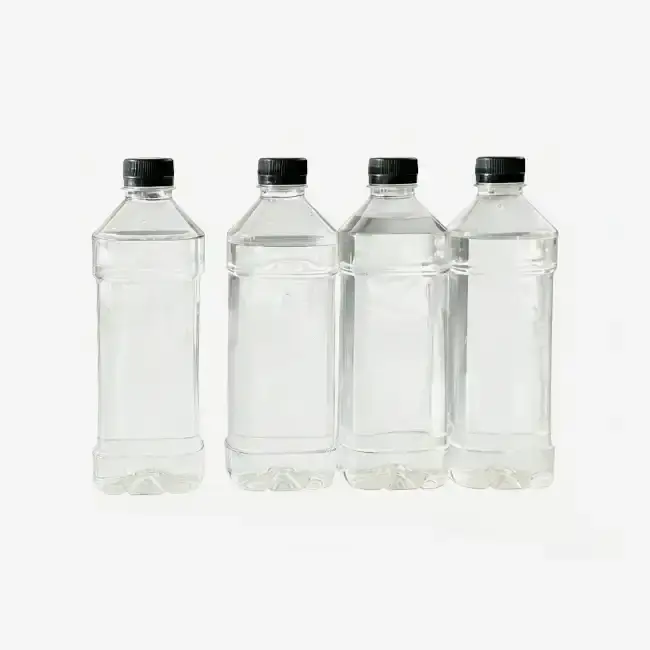
Deicing liquid potassium acetate contains a 50-60% concentration of CH₃COOK (CAS Number: 127-08-2, Molecular Weight: 98.14) dissolved in water, creating a colorless, transparent liquid with slightly acidic characteristics. At the molecular level, acetate ions interfere with hydrogen bonding patterns that allow water molecules to form crystalline ice structures. This disruption prevents new ice formation when applied proactively and accelerates melting when applied to existing ice.
The solution maintains a pH range between 7.5 and 9.2, which provides adequate alkalinity to neutralize acidic precipitation while remaining gentle on aluminum alloys used in aircraft construction and sensitive electronic sensors embedded in modern pavement systems. Trace impurities are strictly controlled, with iron content below 0.002%, arsenic under 0.0004%, and chloride contamination limited to just 0.01%, ensuring material compatibility across diverse applications.
Environmental and Safety Profile
Unlike urea-based deicers that degrade into ammonia compounds toxic to aquatic ecosystems, acetate-based formulations biodegrade rapidly without releasing nitrogen pollutants. The Biological Oxygen Demand remains substantially lower than glycol alternatives, reducing stress on stormwater treatment systems and natural waterways receiving runoff. This environmental advantage aligns with increasingly stringent EPA discharge regulations that municipal authorities and airport operators must navigate.
Safety considerations extend to storage and handling protocols. The product should be stored in dry, ventilated warehouses away from heat sources and moisture infiltration. Compatible storage materials include stainless steel (304/316 grades), high-density polyethylene, and fiberglass tanks. While the solution is non-flammable with a flash point exceeding 100°C, proper handling procedures prevent contamination and maintain chemical integrity throughout extended storage periods.
Key Factors That Enhance Ice Removal Efficiency
Achieving maximum deicing performance requires understanding how application methodology, environmental conditions, and product preservation influence field outcomes. Strategic deployment transforms acetate solutions from commodity chemicals into precision tools for winter maintenance operations.
Application Timing and Methodology
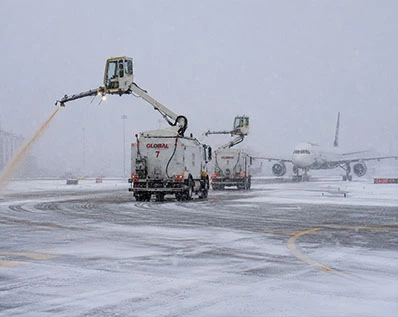
Anti-icing strategies deliver superior results compared to reactive deicing approaches. Applying deicing liquid potassium acetate via tanker spray booms 1-3 hours before precipitation events creates a protective brine layer that prevents ice from bonding to pavement. This proactive methodology reduces the mechanical effort required for snow removal and maintains higher friction coefficients critical for vehicle and aircraft traction.
For airport runway applications, spray rates typically range from 40 to 100 gallons per lane mile, adjusted based on pavement temperature, precipitation intensity, and forecasted storm duration. Fixed Automated Spray Technology (FAST) systems on bridge decks benefit from automated sensors that trigger acetate application when pavement temperatures approach freezing, optimizing chemical usage while ensuring continuous protection.
Temperature Performance Characteristics
The eutectic point of properly formulated deicing liquid potassium acetate solutions reaches approximately -60°C, though practical deicing effectiveness typically extends to -29°C to -35°C under field conditions. This temperature range significantly outperforms calcium chloride and magnesium chloride brines, which lose effectiveness above -18°C and create refreezing hazards as ambient temperatures fluctuate.
During extreme cold events, the solution's low viscosity at sub-freezing temperatures ensures consistent spray patterns and substrate penetration. Operators report reliable performance during polar vortex conditions when competing products thicken or crystallize, requiring heated storage and application equipment that increases operational complexity and energy consumption.
Storage and Concentration Management
Maintaining chemical potency throughout the winter season demands attention to concentration levels and contamination prevention. Regular testing using refractive index measurements provides quick field verification that the concentration remains within specification. Dilution from precipitation infiltration or evaporative concentration from improper venting both compromise performance and economic efficiency.
Zhaoyi Chemical's formulation maintains indefinite shelf life when stored in sealed, compatible containers. Annual recertification of pH and concentration after two years of storage provides assurance for stockpile rotation programs at large facilities. Our technical support team offers complimentary testing services and optimization recommendations for clients managing multi-year inventory strategies.
Comparing Potassium Acetate With Other Deicing Liquids
Procurement decisions benefit from transparent evaluation of how acetate solutions compare against alternative technologies. Each deicing chemistry presents distinct trade-offs between performance, cost, environmental impact, and infrastructure compatibility.
Acetate Versus Glycol Formulations
Propylene glycol and ethylene glycol deicers offer low-temperature performance but carry significant environmental liabilities. Glycols exert extremely high Biological Oxygen Demand on receiving waters, with ethylene glycol presenting acute toxicity risks to wildlife. Regulatory restrictions increasingly limit glycol usage near sensitive ecosystems, while acetate formulations face no comparable limitations.
Performance-wise, glycols demonstrate effective melting capacity but lack the corrosion inhibitor packages engineered into professional acetate products. Aircraft operators specifically prefer acetates to avoid glycol residues that attract dirt and microbial growth on airframe surfaces.
Chloride Salt Alternatives
Sodium chloride, calcium chloride, and magnesium chloride dominate municipal deicing programs based on acquisition costs alone. However, lifecycle cost analysis reveals hidden expenses from accelerated infrastructure deterioration. Chloride-induced corrosion attacks concrete rebar, bridge cables, and vehicle undercarriages, generating repair costs that dwarf initial chemical savings.
Acetate solutions eliminate this corrosion penalty entirely. Testing per ASTM F 483 (Total Immersion Corrosion) and ASTM F 1111 (Sandwich Corrosion) standards demonstrates negligible attack on aluminum alloys, carbon steel brake components, and diverse sensor housings that chlorides aggressively corrode.
Calcium Magnesium Acetate Considerations
Calcium magnesium acetate (CMA) shares the environmental advantages and non-corrosive properties of deicing liquid potassium acetate while typically offering lower unit pricing. The performance differential emerges in extreme cold applications where CMA's higher freezing point and increased viscosity limit effectiveness. Airport specifications preferentially require deicing liquid potassium acetate for runway operations where safety margins cannot accommodate performance variability.
Procurement Considerations for B2B Clients
Industrial buyers and procurement managers evaluating acetate suppliers must assess multiple factors beyond quoted pricing to ensure supply chain reliability and regulatory compliance.
Supplier Certification and Quality Assurance
Manufacturing consistency directly impacts field performance and regulatory compliance. Suppliers maintaining ISO 9001, ISO 14001, and ISO 45001 certifications demonstrate systematic quality management, environmental stewardship, and occupational safety protocols. Shanxi Zhaoyi Chemical's 150,000-ton annual production capacity combines with over thirty years of acetate manufacturing experience to deliver consistent batches meeting SAE AMS 1435 aerospace specifications.
Every production batch undergoes comprehensive testing with full traceability documentation. Certificates of Analysis (CoA) confirm that specific gravity, pH, concentration, and trace metal content fall within specification tolerances. KOSHER and HALAL certifications provide additional quality assurance for applications requiring specialized documentation.
Packaging and Logistics Infrastructure
Bulk acetate procurement typically utilizes 1000L IBC tanks or flexitanks for container shipping, optimizing transportation economics while maintaining product integrity. Understanding minimum order quantities, lead times, and shipping arrangements prevents supply disruptions during peak winter demand periods. Zhaoyi Chemical maintains strategic inventory reserves enabling standard order fulfillment within 5-7 business days, with 24-hour delivery arrangements available for in-stock materials.
Regulatory Compliance Documentation
Material Safety Data Sheets (MSDS) provide essential information for workplace safety programs and emergency response planning. Procurement teams should verify that suppliers provide comprehensive MSDS documentation addressing handling procedures, exposure limits, first aid measures, and environmental release protocols. Compliance with local, state, and federal regulations governing chemical storage, usage, and disposal protects organizations from regulatory penalties and liability exposure.
Practical Applications and Case Studies Demonstrating Efficiency
Real-world performance data demonstrates how deicing liquid potassium acetate(CAS NO. 127-08-2) solutions deliver measurable operational benefits across diverse winter maintenance scenarios.
Airport Runway Operations
A major northeastern United States airport implemented deicing liquid potassium acetate anti-icing protocols across 12,000 feet of primary runway surfaces. Performance monitoring during the winter season documented 40% reduction in mechanical plowing requirements and 65% decrease in flight delays attributed to runway conditions. Friction coefficient testing confirmed that treated surfaces maintained values above 0.40 throughout storm events, exceeding FAA safety minimums.
The airport's maintenance director noted that switching from urea-based products to acetate formulations eliminated concrete scaling damage previously requiring annual repairs costing hundreds of thousands of dollars. Environmental monitoring detected no adverse impacts to adjacent wetlands, satisfying regulatory requirements that had complicated previous deicing strategies.
Bridge Deck Protection Systems
A state transportation department equipped fifteen bridge structures with FAST systems utilizing deicing liquid potassium acetate solutions. Automated application based on pavement sensors reduced manual operations during overnight hours while ensuring continuous ice prevention. Comparative analysis against untreated control bridges showed 85% reduction in ice-related accidents and eliminated the need for emergency sand applications that generate spring cleanup costs.
Infrastructure inspections after five years of acetate usage revealed no corrosion progression on bridge deck rebar or structural steel components, contrasting sharply with chloride-treated structures requiring accelerated rehabilitation interventions.
Industrial Facility Applications
Mining operations in northern climates employ acetate solutions as anti-freeze ballast in drilling equipment and low-temperature heat transfer systems. The non-corrosive properties protect expensive machinery components while maintaining fluid flow at temperatures reaching -40°C. Equipment maintenance logs document extended service intervals and reduced component replacement frequencies compared to glycol-based systems.
These applications demonstrate the versatility of deicing liquid potassium acetate beyond traditional deicing roles, offering procurement teams opportunities to standardize on a single chemical platform serving multiple operational needs.
Conclusion
Deicing liquid potassium acetate delivers superior ice removal efficiency through advanced chemistry that outperforms traditional alternatives across critical performance dimensions. The combination of extreme low-temperature effectiveness, infrastructure protection, environmental responsibility, and operational reliability addresses the complex requirements facing modern procurement professionals. Strategic sourcing from experienced manufacturers like Zhaoyi Chemical ensures access to certified products backed by technical expertise and reliable supply chains. As winter maintenance programs evolve toward sustainable practices that balance immediate performance needs with long-term asset preservation, acetate-based solutions represent the optimal choice for organizations committed to operational excellence.
FAQ
How environmentally safe is potassium acetate compared to other deicing liquids?
Potassium acetate demonstrates substantially better environmental safety than chloride salts and glycol alternatives. The solution biodegrades rapidly without releasing toxic nitrogen compounds associated with urea or ammonia. Its low Biological Oxygen Demand minimizes stress on aquatic ecosystems receiving stormwater runoff, and the product contains no heavy metals or persistent organic pollutants. Regulatory agencies recognize acetate formulations as environmentally preferable alternatives in sensitive watershed areas where chloride or glycol restrictions apply.
What storage precautions are essential for maintaining product effectiveness?
Store deicing liquid potassium acetate solutions in sealed containers fabricated from compatible materials, including stainless steel, high-density polyethylene, or fiberglass. Facilities should provide dry, ventilated conditions away from direct heat sources and moisture infiltration that could alter concentration levels. Avoid contact with incompatible materials and implement proper labeling protocols. The product maintains indefinite shelf life under appropriate conditions, though concentration verification after extended storage periods ensures optimal performance.
How quickly does potassium acetate begin ice-melting action?
When applied proactively before precipitation, acetate solutions prevent ice formation immediately upon contact with pavement surfaces. For reactive applications on existing ice, melting action typically initiates within 5-15 minutes, depending on ice thickness, pavement temperature, and ambient conditions. The high specific gravity enables rapid penetration beneath ice layers to disrupt bonding, accelerating removal compared to lower-density alternatives.
Partner With a Trusted Deicing Liquid Potassium Acetate Manufacturer
Zhaoyi Chemical stands ready to support your winter maintenance programs with certified, high-performance acetate solutions engineered for mission-critical applications. Our three decades of manufacturing expertise, combined with 150,000-ton annual production capacity, ensure a reliable supply even during peak demand periods. We provide comprehensive technical support, including application optimization guidance, product testing services, and customized formulations meeting your specific operational requirements.
Contact our team at sxzy@sxzhaoyi.com to discuss your deicing liquid potassium acetate(CAS NO. 127-08-2) needs and receive detailed specifications, safety documentation, and competitive quotations. Our flexible trade terms and global logistics partnerships deliver cost-effective solutions, whether you require single truckload quantities or multi-container shipments. We invite procurement managers, facility engineers, and chemical distributors to experience the Zhaoyi difference through quality products backed by responsive service.
References
1. Federal Aviation Administration. (2018). Airport Winter Safety and Operations: Advisory Circular 150/5200-30D. U.S. Department of Transportation.
2. Shi, X., Fay, L., Peterson, M.M., and Yang, Z. (2010). "Freeze–thaw damage and chemical change of a Portland cement concrete in the presence of diluted deicers." Materials and Structures, 43(7), 933-946.
3. Transportation Research Board. (2007). Guidelines for the Selection of Snow and Ice Control Materials to Mitigate Environmental Impacts. National Cooperative Highway Research Program Report 577.
4. Levelton Consultants Ltd. (2007). Guidelines for the Selection of Snow and Ice Control Materials to Mitigate Environmental Impacts. National Cooperative Highway Research Program.
5. American Society for Testing and Materials. (2019). Standard Specification for Potassium Acetate Based Aircraft Pavement Deicing/Anti-icing Fluid (AMS 1435). SAE International.
6. Fischel, M. (2001). "Evaluation of selected deicers based on a review of the literature." Colorado Department of Transportation Report No. CDOT-DTD-R-2001-15, Denver, Colorado.

USER EVALUATE
Here is the customer's evaluation of us