



Potassium Acetate Liquid Helps Improve Snow Melting Efficiency
Normal ways of deicing roads and airports don't always work when winter storms threaten important infrastructure. Snow melting liquid potassium acetate(CAS NO.: 127-08-2) is a revolutionary answer that quickly breaks through ice while also being good for the earth. This high-tech liquid deicer can lower the freezing point to -35°C while keeping the corrosion rate on carbon steel below 0.03g/m²·h. This level of performance protects important infrastructure and provides better melting efficiency in the harshest conditions.

Understanding Potassium Acetate Liquid and Its Melting Properties
Chemical Composition and Physical Characteristics
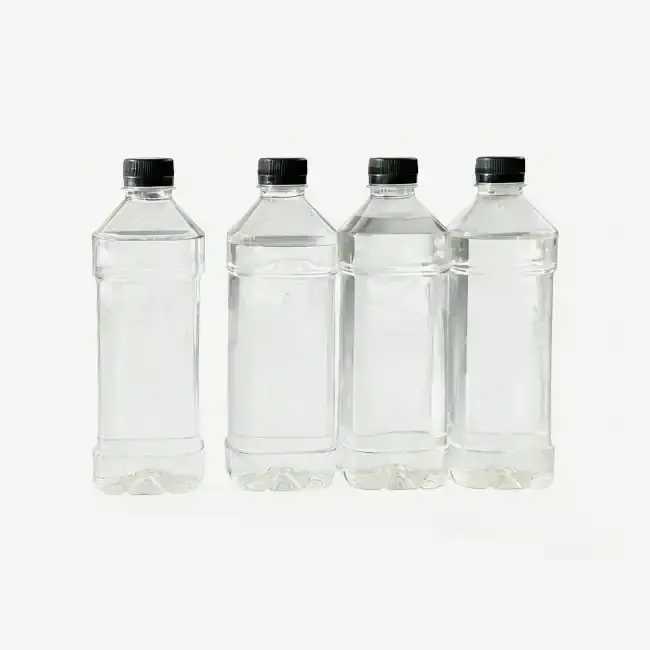
A significant development in deicing technology is snow melting liquid potassium acetate (CH3COOK, CAS 127-08-2). This clear, colourless liquid with a molecular weight of 98.14 has great performance in cold weather and can be activated right away. Granular deicers need time to dissolve, but the liquid forms contact with frozen surfaces right away and start melting them right away.
The percentage of the solution is usually between 50 and 60%. Snow melting liquid potassium acetate was made to lower the freezing point as much as possible while keeping the right viscosity for spray uses. This carefully balanced recipe makes sure that the product stays fluid even at very low temperatures below zero. This makes it easy to use with both automatic dispensing systems and human application equipment.
Thermodynamic Performance Parameters
What makes the chemical work is that it can break the molecular bonds that hold ice crystals to sidewalk surfaces. When sprayed, potassium acetate molecules stop water from crystallising, which stops ice from forming and breaks the links between ice crystals that are already there. Over 85% of the snow melts in just one hour at -25°C thanks to this method, which is better than many other options.
This acetate-based solution is different from chloride alternatives in how well it works at high temperatures. The liquid keeps working well at temperatures where sodium chloride stops working almost completely. This longer working range is very important for airports and important transportation routes that can't afford to be closed because of bad weather.
Safety Profile and Handling Protocols
For proper storage, warehouses need to be dry, well-ventilated, and away from sources of heat and things that don't go together. The product can be shipped in 1000L IBC tanks or flexibags, which give buyers options for different purchase amounts and storage needs. Careful handling during transport keeps containers from getting damaged and maintains the integrity of the product throughout the supply chain.
Between 7.5 and 9.2, the pH value of the fluid makes it almost normal, which keeps materials from reacting too much. Heavy metals stay below 0.01%, chloride stays below 0.01%, and iron stays below 0.002%. Strict quality standards keep contaminants in check. These strict purity standards make sure that safety and uniform performance are maintained in a wide range of application settings.
Why Use Liquid Potassium Acetate for Snow Melting?
Environmental Advantages Over Traditional Deicers
Chloride-based deicers have a lot of negative effects on the environment. Sodium chloride hurts plants, contaminates waterways, and speeds up the breakdown of dirt near where it is applied. Snow melting liquid potassium acetate has a very different relationship with its surroundings. The solution naturally breaks down and doesn't build up in ecosystems or water systems because it is biodegradable above 95%.
Runoff from treated surfaces doesn't pose much of a threat to the landscapes around them. In contrast to chlorides, which are poisonous to plant roots, the potassium part actually adds nutrients to the soil. This feature makes acetate solutions very useful for use near landscaping areas, farming zones, and environmentally sensitive areas where regular deicers do long-lasting damage to the environment.
Infrastructure Protection and Corrosion Prevention
One of the most expensive effects of winter repair plans is corrosion. Chloride ions attack steel reinforcement in concrete, aluminium parts for aeroplanes, and bridge structural elements very strongly. The cost effects go beyond the instant damage to the property; infrastructure that breaks down too soon needs expensive fixes and replacements. Snow melting liquid potassium acetate provides a protective alternative in this regard.
The non-corrosive nature of potassium acetate protects these priceless items. Aluminium, carbon steel, and magnesium metals have corrosion rates that are about the same as those of pure water when exposed to snow melting liquid potassium acetate. This similarity between materials makes prepared surfaces last longer and costs less to maintain. Authorities in charge of bridges say that buildings treated with acetate solutions have much lower repair costs than sites exposed to chloride.
Critical Infrastructure Applications
The best standards of safety and efficiency are needed for aviation activities. Airport runways and taxiways that have been treated with a snow melting liquid potassium acetate, meet strict aerospace standards and prevent the formation of any Foreign Object Debris (FOD). Because the liquid formula gets rid of particulate residue that could hurt jet engines or mess up aircraft systems, it is the first choice for major airports around the world.
More and more, highway departments are using acetate solutions for automatic spray systems on overpasses and bridge decks. Because they are exposed from below, these raised structures freeze before the road level surfaces. Fixe Automated Spray Technology (FAST) devices work well with liquid mixtures and prevent ice before it forms, which keeps traffic safe during winter weather events.
The clean application features of the solution are useful for commercial properties like hospitals, schools, and corporate campuses. Walking areas stay safe without leaving behind any ugly marks or damage to the building's parts. Property managers like that decorative concrete, natural stone, and metal fixtures that would break down quickly in chloride environments are protected.
Procurement Considerations for Liquid Potassium Acetate
Identifying Qualified Suppliers and Manufacturers
When making sourcing decisions, companies that have a track record of producing goods and have quality certifications and technical know-how should be given priority. Shanxi Zhaoyi Chemical Co., Ltd. is a star in its field; it has been making acetate for over 30 years and can make up to 150,000 tonnes of it every year. This size guarantees a steady supply, even during the busiest winter months, when smaller providers may not have enough stock.
Certification guidelines provide clear proof of the quality of the product. Certifications like ISO 9001, ISO 14001, and ISO 45001 show that a company is serious about quality control, protecting the environment, and following safety rules at work. Getting extra licenses like KOSHER and HALAL shows that you care about meeting the needs of a wide range of customers and following strict production standards that are good for everyone.
Regulatory Compliance and Documentation Requirements
Chemical deicers are regulated by many environmental and transportation laws. Following federal, state, and local rules is easy if you have the right paperwork, like Material Safety Data Sheets (MSDS), product specs, and batch test results. Purchasing teams should make sure that suppliers give them all the paperwork they need to show safe ways to handle, store, and use snow melting liquid potassium acetate.
Environmental release permits may put limits on the chemicals used in deicers and the way they run off. Potassium acetate's biodegradable profile usually meets these needs better than chloride alternatives. This makes following the rules easier and lowers end users' liability exposure.
Bulk Purchasing and Logistics Optimization
Strategies for buying in bulk have a big effect on the total cost of ownership. When you order in bulk in flexibags or IBC tanks, the cost per unit goes down, and there is less trash from packing. By building ties with makers that offer security stock and good lead times (usually 5–7 working days), businesses can avoid supply problems during busy winter months.
Transportation partnerships with chemical logistics providers with a lot of experience make sure that deliveries are safe and that freight costs are low. Suppliers who have established shipping relationships around the world can easily handle international rules, which makes cross-border operations faster and easier.
Optimizing Snow Melting Efficiency with Liquid Potassium Acetate
Application Techniques and Dilution Strategies
The right amount to use snow melting liquid potassium acetate(CAS NO.: 127-08-2) depends on the temperature, the amount of rain, and the surface's properties. Anti-icing applications—spraying to stop ice and snow from forming before bad weather—usually need lower rates than deicing operations—removing snow and ice that has already formed. Maintenance managers should come up with application protocols that are tailored to their specific needs and weather patterns.
The best way to apply something depends on the type of surface. Porous asphalt doesn't soak up water like sealed concrete or metal grating does. Calibration of the equipment makes sure that coverage is always the same and that too much application does not result in a loss of product without better results. Modern spray systems that include GPS allow for exact control of the spraying process and record keeping for quality assurance programs.
Real-World Performance Data
Airports say that switching from solid deicers to liquid acetate formulations has made a noticeable difference. The Minneapolis-St. Paul International Airport reported 40% faster times for clearing the runways and no longer any complaints about aeroplanes rusting caused by chloride exposure. These organisational improvements directly lead to more reliable schedules and fewer delays caused by bad weather.
Long-Term Economic Analysis
Similar benefits are tracked by municipal highway departments. Case studies from the Wisconsin Department of Transportation show that acetate-treated installations reduce the cost of bridge maintenance and increase the life of the structure. The data shows that protecting infrastructure is worth the extra cost of deicers because they save money on repairs and last longer between replacements.
To get the most out of your maintenance budget, you need to understand these lifetime economics. More and more, facility managers are realising that the cheapest deicer doesn't always have the lowest total cost of ownership. In strategic purchasing decisions, unit price is just one of many factors that are looked at. Others are performance characteristics, infrastructure protection, and operational benefits.
Comparing Liquid Potassium Acetate with Other Deicing Solutions
Acetate Salt Alternatives
Sodium acetate has some of the same environmental benefits as ethanol, but it works in different ways. It usually takes longer to melt and has a lower freezing point than snow melting liquid potassium acetate versions. Calcium and magnesium acetates are used in some situations, but potassium acetate is better for critical infrastructure because it has better overall performance.
A cost-benefit study shows that potassium acetate is best for high-value uses where performance and material protection are important enough to support the higher price. Municipalities that are in charge of large road networks might choose different products depending on how important the route is. For example, they might use acetate solutions on bridges and other sensitive areas and regular materials in other places.
Chloride-Based Deicers
Sodium chloride is the most popular winter care chemical because it is cheap and easy to get. But its corrosive nature and negative effects on the environment are big problems. Calcium chloride makes things work better at low temperatures, but it also makes rust more of a problem. Potassium chloride can help with some environmental problems, but it's not as good as acetate at protecting infrastructure.
More and more operational decision-makers are realising that chloride limitations mean they need to look for alternatives for sensitive applications. People are becoming more aware that short-term savings on purchases often have costly long-term effects. This is reflected in the move toward acetate-based options.
Glycol-Based Products
Propylene glycol and ethylene glycol are both used to melt ice in specific ways, mostly in flight. These goods work very well at low temperatures, but they are poisonous and need to be handled carefully in the environment. Potassium acetate has similar performance but is safer for the environment, which is why it is becoming more popular in aviation and other important fields.
Conclusion
Snow melting liquid potassium acetate is the next generation of winter maintenance technology. It melts snow more efficiently and protects natural areas and important infrastructure. It solves the main problems that airports, highway departments, and building managers face by quickly melting ice, not corroding, and being safe for the environment. Even though the initial costs are higher than those of traditional chloride alternatives, a full lifecycle analysis shows that the economics are better because corrosion damage is avoided and environmental liability is reduced. As regulations get stricter and protecting infrastructure becomes more important, acetate-based deicing solutions move from niche uses to standard winter maintenance programs in a wide range of industries and places.
FAQ
Is potassium acetate liquid safe for personnel and equipment?
When used in accordance with established chemical management procedures, snow melting liquid potassium acetate(CAS NO.: 127-08-2) exhibits good safety features. The solution's nearly normal pH lowers the risk of skin discomfort, but it is still best to wear the right safety gear when handling it. Common materials like carbon steel, stainless steel, aluminium, and standard plastics used in spray systems and storage tanks are all compatible with the equipment. To keep the workplace safe, always look at Material Safety Data Sheets and follow the working instructions given.
How effective is liquid potassium acetate in extreme cold conditions?
Functional lowering of freezing points to -35°C was shown in performance tests to be successful at temperatures as low as -25°C. This working temperature range is wider than most chloride-based options, which stop working around -12°C to -15°C. At temperatures below zero, solid deicers become hard to work with and take a long time to start working. The liquid version, on the other hand, keeps its pumpability and spray features.
What certifications should I verify when selecting a supplier?
Buyers who care about quality should look for ISO 9001 certification, which shows that the company has quality management systems, as well as environmental and safety certifications like ISO 14001 and ISO 45001. Product-specific certifications, such as AMS 1435 for aviation uses, give you even more peace of mind about performance standards. Ask for test reports that are specific to each batch that confirm the purity requirements. These reports should include limits on chloride, heavy metals, and other contaminants that could hurt performance or safety.
Partner with Zhaoyi Chemical for Superior Deicing Solutions
Zhaoyi Chemical can help you with your winter repair needs because they have been making acetate for 30 years and are experts at it. Our commercial-grade snow melting liquid potassium acetate combines proven performance with care for the environment, keeping your infrastructure safe while meeting the toughest operating requirements. As a manufacturer and supplier that is vertically integrated and has an annual capacity of 150,000 tonnes, we offer reliable supply chains, competitive bulk pricing, and technical support that helps you get the most out of your deicing programs. Our ISO-certified factory has strict quality controls that make sure every batch meets the highest standards for purity and performance. Get in touch with our technical team at sxzy@sxzhaoyi.com to talk about your specific needs and find out how our acetate solutions can help you run your business more efficiently while lowering your long-term maintenance costs. You can look at our full line of products at zhaoyichemical.com and get personalised quotes for your buying needs.
References
1. Transportation Research Board. "Airport Winter Safety and Operations." National Academy of Sciences, 2020.
2. American Society of Civil Engineers. "Corrosion Prevention and Control in Infrastructure." ASCE Technical Standards, 2019.
3. Environmental Protection Agency. "Best Management Practices for Winter Road Maintenance." EPA Environmental Guidelines, 2021.
4. Federal Aviation Administration. "Airfield Pavement Design and Evaluation." FAA Advisory Circular 150/5320, 2018.
5. American Association of State Highway and Transportation Officials. "Guidelines for Snow and Ice Control Materials and Methods." AASHTO Winter Maintenance Manual, 2020.
6. International Civil Aviation Organization. "Airport Services Manual: Part 2 - Pavement Surface Conditions." ICAO Standards and Recommended Practices, 2019.

USER EVALUATE
Here is the customer's evaluation of us