



Bulk Deicing Liquid Potassium Acetate Supplier for Winter Maintenance
When winter storms threaten your airports, roads, or factories, it's very important to pick the right snow and ice control option. As a non-corrosive, environmentally friendly substitute for conventional chloride salts, deicing liquid potassium acetate(CAS NO.: 127-08-2) stands out. This acetate-based deicer works well to keep ice from sticking to the ground and keeps valuable infrastructure from breaking down. Getting this specialised chemical from a dependable bulk supplier will help your business stay safe and in line with the law, even when the weather is bad, without affecting the longevity of your equipment or your commitment to protecting the environment.
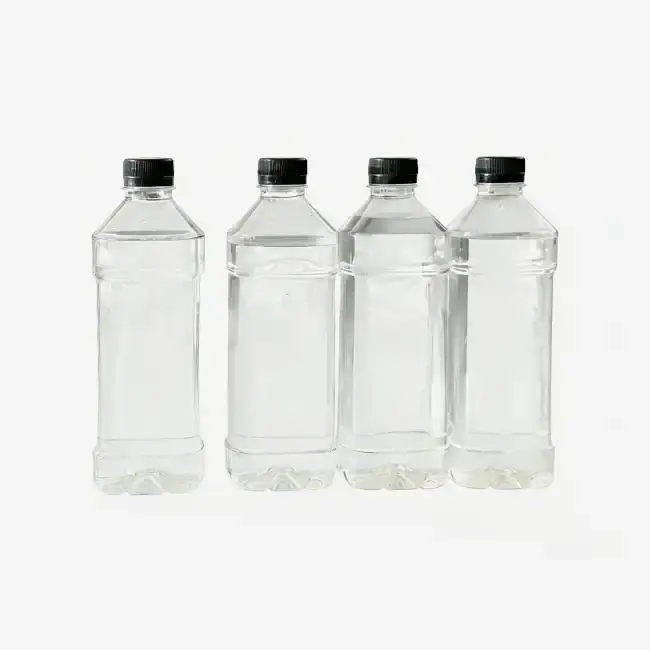
Understanding Potassium Acetate Deicing Liquid
Winter maintenance workers are always under pressure to find a mix between cost, performance, and being good to the earth. Deicing liquid potassium acetate meets all of these different needs thanks to its special chemical qualities and usefulness in the workplace.
Chemical Composition and Properties
Deicing liquid potassium acetate, whose CAS number is 127-08-2, is a clear, colourless liquid with a molecular weight of 98.14. Formulations made for professionals usually have between 50 and 60% deicing liquid potassium acetate, which is designed to lower water's freezing point to about -60°C (-76°F). Compared to glycol-based alternatives, this eutectic point gives a large safety margin.
At 20°C, the solution has a specific gravity of 1.25 to 1.30, which lets it go through ice layers easily. The pH range of 7.5 to 9.2 creates a buffered environment that balances acidity and keeps metal parts from rusting. Instead of chloride salts, which damage aluminium alloys, concrete support bars, and structural steel, this acetate-based mixture has special inhibitors that keep the structure intact during repeated freeze-thaw cycles.
Operational Benefits for Infrastructure
Airport managers and highway maintenance workers give more weight to materials that keep the coefficient of friction values needed for safe vehicle operation. When sprayed before rain or snow, deicing liquid potassium acetate makes an anti-icing barrier that keeps ice from sticking to the ground. This proactive approach cuts down on the work that needs to be done by machines to remove the snow and the chance that aggressive ploughing will damage the pavement.
Automated spray systems that work well with Fixed Automated Spray Technology (FAST) are especially useful for bridge deck applications. Based on temperature sensors and weather forecasts, these systems provide exact application rates that make the best use of materials and ensure ongoing protection. Because it doesn't corrode, it keeps concrete from scaling and steel rebar from becoming weak, which greatly increases the service life of structures compared to chloride exposure.
Environmental and Safety Protocols
Environmental compliance guides choices about what to buy in both the local and commercial sectors. Deicing liquid potassium acetate breaks down quickly without giving off harmful nitrogen compounds, so it has a much lower Biological Oxygen Demand (BOD) than products made from urea. This trait keeps receiving water from losing oxygen, which is bad for aquatic ecosystems.
For storage and handling, buildings need to be dry, well-ventilated, and away from sources of heat and wetness. The product can be kept for an infinitely long time in containers that are compatible with it, like tanks made of fibreglass, high-density polyethylene (HDPE), or stainless steel (304/316 grade). Material Safety Data Sheets (MSDS) tell you how to keep containers safe during transport by keeping them away from substances that don't mix with them and how to handle them properly. During shift activities, workers should wear the right safety gear, such as gloves that can handle chemicals and safety glasses.
Comparing Potassium Acetate with Other Deicing Agents
To choose the best deicing chemical, you need to know how performance changes with temperature, how it affects the environment, and how well it works with infrastructure. Professionals in procurement look at more than just the initial cost of an acquisition.
Performance Across Temperature Ranges
Calcium chloride and magnesium chloride are the most common ways to remove snow because they release heat and work well up to -25°C. But these chloride salts speed up the rusting of reinforced concrete, bridge expansion joints, and the wheels of vehicles. Maintenance budgets need to include money for fixing vehicles and replacing infrastructure before it's time.
Sodium acetate is also good for the environment, but it freezes at a higher temperature (about -30°C), so it is less useful during very cold weather. When it comes to low temperatures, potassium formate works about the same, but it is easier to handle and costs more. Deicing liquid potassium acetate in liquid form is ready to use right away, unlike granular forms that take time to dissolve. This means that you can respond faster to weather events that are changing quickly.
Environmental Footprint Considerations
More and more, regulations are limiting deicing materials based on their effects on marine life and the land over time. Products containing chlorine stay in the groundwater and build up in plants along the sides of roads, causing osmotic stress that hurts root systems. Consent decrees limit the amount of chloride that can be released into sensitive watersheds in many cities and towns.
Microbial action naturally breaks down deicing liquid potassium acetate into carbon dioxide and water, usually a few days after it is used. Instead of building up as pollution in the environment, the potassium part does some small work to improve the land. Because it breaks down naturally, it helps businesses in North America and Europe follow strict environmental rules. This lowers their risk of being sued when they work near protected rivers or important wildlife areas.
Cost-Effectiveness Analysis
Even though acetate-based deicers cost more per unit than common chloride salts, the overall cost of ownership numbers show a different picture. Maintaining infrastructure can add decades to the useful life of assets, which delays the need to buy new ones. Fleet management costs can be cut by a certain amount when corrosion upkeep on cars, planes, and equipment is cut down.
Application effectiveness adds more value by reducing the amount of material that is used. Granular products bounce and scatter waste, but the liquid form makes sure that the material that is applied gets to the right surfaces. Anti-icing treatments can be applied precisely with automated spray systems using as little as 15 to 30 gallons per lane mile. Granular chlorides, on the other hand, need 100 to 300 pounds per lane mile. These gains in efficiency add up over yearly activities, making the price difference between chemical alternatives seem smaller.

Choosing the Right Bulk Supplier for Potassium Acetate Deicing Liquid
Whether your winter repair program works or fails because of critical material shortages during busy demand periods depends on how reliable your supply chain is. When looking at possible suppliers, you need to carefully consider many aspects of their business.
Product Quality and Consistency Standards
Shanxi Zhaoyi Chemical Co., Ltd. is a great example of a manufacturer because it has ISO 9001, ISO 14001, and ISO 45001 certifications, which show that they manage quality in a planned way throughout all of its production processes. The company was founded in 1988 and has been making acetate for more than 30 years. It has a 27,000-square-meter factory that can make 150,000 tonnes of acetate every year. This size makes sure that there is a stable supply even during the busy winter months, when regional shortages make it hard for rivals.
When companies calibrate automatic spray equipment, batch-to-batch uniformity is very important. Concentration tolerances of within ±2% keep equipment from needing to be recalibrated and make sure that ice prevention works as expected. To meet aerospace material standards like SAE AMS 1435, a third-party lab should confirm that the iron content is ≤0.002%, the arsenic content is ≤0.0004%, the sulphate content is ≤0.05%, the heavy metals (Pb) content is ≤0.01%, and the chloride content is ≤0.01%.
KOSHER and HALAL approvals show that production controls are good for uses that need to keep pollution to a very high level. These quality methods make it possible to get pharmaceutical- and food-grade acetates that meet the strictest regulatory standards, even when buying industrial-grade deicing mixtures.
Supply Chain Reliability and Logistics
Lead times, freight costs, and supply security are all affected by where the goods are sourced. When companies keep smart relationships with international shipping companies, they can be sure that there will be space for their containers during busy export seasons. Standard production lead times of 5 to 7 working days and 24-hour delivery for in-stock items make it possible to plan purchases quickly.
Flexible packaging works for a range of operating sizes and handling abilities. 1000L IBC tanks work well for bulk storage at big airports and highway repair depots, and flexitank container shipments are the most cost-effective way to send goods internationally for large yearly contract amounts. Custom packaging solutions meet the specific needs of each facility. For example, they can directly fill automated spray systems or allow chemical wholesalers to redistribute chemicals to stores.
Transportation that follows DOT rules and foreign shipping standards keeps the purity of the product safe all along the supply chain. Having the right paperwork, like MSDS sheets, certificates of analysis, and shipping statements, makes it easier to get through customs and pass regulatory checks. When a supplier offers more than one trade term (FOB, CIF, DAP), it gives buyers more options for how to best manage landing costs based on their own transportation capabilities.
Technical Support and Partnership Value
Leading suppliers offer more than just transactional relationships; they also offer application engineering support that improves the performance of materials. Technical teams should give advice on how to set up the spray system, figure out what's wrong with its performance, and adjust the dilution ratios to work with different temperatures. Sample testing programs let you make sure that chemicals work with the tools you already have and see how well they work at your spot before you buy a lot of them.
Long-term relationships are valuable because they help with seasonal planning, offer advice on product management, and keep you up to date on regulatory compliance. Suppliers who keep an eye on changes to environmental laws help buying teams predict changes to specifications before they become necessary. This proactive approach stops projects that need to be reformulated quickly and keeps operations running smoothly even as regulations change.
Optimizing Use of Potassium Acetate Deicing Liquid in Winter Maintenance
The success of a material rests on both its chemical properties and how it is used. Best operational practices maximise safety results while keeping usage rates in check.
Application Techniques and Dilution Protocols
When it comes to cost-effectiveness, anti-icing applications are better than reactive deicing after ice forms. Putting down 15 to 30 gallons of deicing liquid potassium acetate(CAS NO.: 127-08-2) per lane mile, one to two hours before it starts to rain, forms a chemical layer that stops ice from sticking. Monitoring the temperature of the pavement helps decide when to apply it. For best results, surfaces should stay above -7°C before the storm starts.
Calibration of spray equipment makes sure that all target surfaces are covered evenly. Choosing the right nozzle changes the spread of droplet sizes. Bigger droplets are better at wetting the surface and reducing airborne drift losses. For highway operations, application speeds usually fall between 15 and 25 mph, which strikes a balance between productivity and coverage uniformity. Nozzle wear that changes spray patterns and causes uneven distribution should be included in equipment repair plans.
Strategies for dilution increase the amount of product used in less difficult situations. For situations where freezing is unlikely, a 50% deicing liquid potassium acetate solution can be decreased to a 30–40% concentration. This lowers the amount of chemicals needed while still preventing ice well. Dilution, on the other hand, raises the freezing point of the solution, so operators have to recalculate the best working temperatures.
Real-World Case Studies
A large international airport replaced urea-based liquid deicers that were hard to comply with environmental regulations with deicing liquid potassium acetate that covers 12,000 feet of the main runway. Automated weather tracking set off pre-storm programs that cut the time it took to clear the snow by 35% during the first winter. Measurements of runway friction stayed above the required levels during weather events, so there were no more flight delays due to ice contamination.
Over five years of tracking, municipal bridge officials who used FAST systems on elevated highway buildings found that the systems helped keep the concrete in good shape. When compared to parts treated with regular rock salt, chloride ion penetration tests showed that the corrosion depth of reinforcing bars was 80% less. These results backed up the capital budget reasons for adding more high-risk bridges with automatic spray infrastructure.
A transport company that runs temperature-controlled freight ports started using deicing liquid potassium acetate in loading dock areas where chloride runoff was damaging the foundations of buildings. The non-corrosive formula got rid of the need for expensive repairs to the structure every year and kept pedestrian and forklift traffic safe during the winter. Slip-and-fall injuries went down significantly after the product change, as shown in employee safety incident reports.
Environmental Compliance and Sustainability
Biodegradability testing shows that deicing liquid potassium acetate breaks down using standard BOD measurements, which usually show that 60–80% of the oxygen is used up in 5 days in the lab. Studies done in cold climates show that microbes can break down materials even when temperatures are close to freezing. This keeps water from building up in stormwater holding ponds in the spring.
Deicing liquid potassium acetate has much higher LC50 values in aquatic environments than chloride options. This means that fish and invertebrate species in receiving streams are at a lower risk. Studies on plant tolerance show that plants next to roads are less likely to be damaged by osmosis than plants that are exposed to salt. These environmental benefits make it easier to follow Total Maximum Daily Load (TMDL) limits and watershed protection laws, which are becoming more popular in North American cities.
Environmental effect ratings have gone down, which is good for corporate sustainability reporting. Environmental care promises to partners, investors, and regulatory agencies can be shown by keeping track of chloride load reductions, infrastructure preservation results, and ecosystem protection measures. These known benefits help an organization's image and lower its long-term lawsuit risk.
Procurement and Transaction Guidance for Bulk Buyers
Streamlining the buying process makes it easier for people to do their jobs and makes sure that quality is maintained throughout the supply chain.
Ordering Specifications and Documentation
To avoid confusion, purchase requests should spell out the necessary concentrations, purity levels, and packing arrangements. Referencing industry standards like SAE AMS 1435 gives the deicing business clear quality standards that are used by everyone. Delivery schedules should take into account how demand changes based on the weather, and contract terms should include provisions for "force majeure" and ways to distribute goods when supply is limited.
Each package comes with a Certificate of Analysis (CoA) that lists the test results for each batch's content, pH, specific gravity, and contaminant levels. These records help with quality control checks at receiving facilities and make it possible for regulatory audits to find information. The MSDS paperwork makes sure that everyone on the job site knows how to properly handle, store, and handle an emergency.
Logistics and Delivery Considerations
For bulk liquid deliveries to work, the receiving infrastructure needs to have the right storage tanks, transfer pumps, and spill precautions. Checklists for site planning should make sure that the storage materials are compatible, that there is enough air flow, and that the secondary holding capacity meets local environmental standards.
When you buy something internationally, you need to fill out more paperwork, like commercial invoices, bills of lading, and customs declarations. Harmonised Tariff Schedule classifications change the tax rates and the steps that need to be taken to handle imports. Expert suppliers know how to deal with these problems while keeping their shipping promises across foreign lines.
Transportation safety regulations put deicing liquid potassium acetate in different categories, which changes the rules for labelling, placarding, and training drivers. Following these transport rules keeps people safe during travel and avoids delays in shipments and fines from the government.
Building Long-Term Supplier Relationships
Negotiations about volume commitments can lead to better pricing structures and ensure that supplies are distributed during times of high demand. Multiple-year contracts with "escalation clauses" linked to raw material indices help keep budgets stable while distributing commodity risk among all parties. Flexible shipping plans work with limited store space and goals for managing working capital.
Supplier dependability is measured by how consistently good the quality is, how quickly the deliveries are made, and how helpful the technical support staff is. With these organised reviews, you can find ways to improve while also recognising great work. Collaboration leads to new ideas by working together to create better ways to use products, better ways to package them, and special mixtures that solve specific problems in the workplace.
Conclusion
Buying bulk deicing liquid potassium acetate from reputable providers is an investment in protecting infrastructure, taking care of the environment, and keeping operations safe. This non-corrosive, biodegradable replacement to chloride salts keeps important things safe while also meeting North American markets' stricter legal needs. A thorough evaluation of suppliers that includes quality certifications, production capacity, logistics skills, and technical support is necessary to make sure that the procurement process goes smoothly. Best practices for applications make the most of the usefulness of materials while keeping costs down. When businesses focus on the total cost of ownership instead of unit pricing, they find that they get both strong economic and environmental benefits. As winter maintenance moves toward more environmentally friendly chemistry solutions, deicing liquid potassium acetate becomes the clear choice for procurement professionals who want to keep airports, highways, bridges, and industrial facilities running smoothly.
FAQ
Can deicing liquid potassium acetate be safely applied near vegetation and sensitive ecosystems?
When compared to chloride salts, deicing liquid potassium acetate is much less harmful to plants. The potassium part gives plants some small nutritional benefits, and the acetate part breaks down quickly without building up in soils. Too much application, on the other hand, can temporarily change the pH of the soil. To minimise any effects, it is best to follow the recommended application rates and avoid spraying directly onto plant tissues. When used according to the manufacturer's instructions, environmental product statements give information on how toxic a product is to aquatic life, which supports its safe use near waterways.
What storage conditions maximize shelf life and maintain product quality?
If you store deicing liquid potassium acetate the right way, it will stay usable forever without going bad. Problems with pollution and rust can't happen in storage tanks made of stainless steel, HDPE, or fibreglass. Buildings should protect people from the weather, keep temperatures moderate so they don't get too hot, and have enough air flow. Products that have been stored for more than two years must be tested for stability every year for concentration and pH. Chemical stability is maintained during multi-season storage by keeping out wetness and contamination from materials that don't work well together.
How does the total cost compare with traditional chloride deicing products?
Even though the unit price is higher than that of bulk chloride salts, a full cost study shows that the total cost of ownership is competitive. Preserving infrastructure keeps concrete buildings, bridge parts, and equipment that is corroding from needing to be replaced too soon. Less material is used per treated area because the ice protection works better with lower application rates. Environmental compliance perks keep you from having to pay fines and fix problems. Savings on fleet upkeep due to less rust on vehicles add to the value. When companies figure out lifecycle costs, they usually find that they make money within three to five years.
Partner with Zhaoyi Chemical for Reliable Deicing Solutions
Zhaoyi Chemical has been making acetate for more than 35 years and can help you with your winter care. Our yearly production capacity of 150,000 tonnes guarantees a steady supply of large goods when rivals are limited in what they can offer. Consistent 50–60% deicing liquid potassium acetate(CAS NO.: 127-08-2) concentrations that meet SAE AMS 1435 standards are provided by quality systems that are ISO-certified and come with full Certificates of Analysis and MSDS documentation. We can handle a wide range of packing needs, such as 1000L IBC tanks and flexitank container shipments. Our open trade terms will help you get the best prices on delivery. Our technical team helps you with application advice, spray system calibration, and making suggestions for improving performance that are specific to your operational conditions. Email our purchasing agents at sxzy@sxzhaoyi.com to talk about your number needs, ask for samples of the products you're interested in, or get specific quotes. As a reliable provider of deicing liquid potassium acetate, we give your winter maintenance program the quality, dependability, and environmental performance it needs.
References
1. Transportation Research Board. "Guidelines for the Selection of Snow and Ice Control Materials to Mitigate Environmental Impacts." National Cooperative Highway Research Program Report, 2013.
2. American Society for Testing and Materials. "Standard Specification for Non-Chloride Deicing Agents." ASTM D7475-21, Annual Book of Standards, 2021.
3. Society of Automotive Engineers. "Aerospace Material Specification for Potassium Acetate-Based Aircraft Deicing/Anti-icing Fluids." SAE International AMS1435B Standard, 2019.
4. Environmental Protection Agency. "Best Management Practices for Winter Maintenance Operations." Office of Water Programs Publication Series, 2020.
5. Jackson, N. and Pitt, R. "Assessment of Alternative Deicing Chemicals for Winter Road Maintenance." Cold Regions Engineering Journal, Volume 42, 2018.
6. National Research Council Canada. "Performance Evaluation of Acetate-Based Runway Deicers in Extreme Cold Conditions." Aeronautics Research Division Technical Report, 2017.

USER EVALUATE
Here is the customer's evaluation of us