



How Does Potassium Acetate Reduce Airport Snow Removal Costs?
Airport Runway Solid Potassium Acetate (CAS NO.: 127-08-2) dramatically reduces winter maintenance expenses by eliminating costly reapplication cycles, preventing infrastructure corrosion, and meeting environmental compliance without penalties. This aviation-grade de-icing agent works effectively at temperatures down to -60°C, requires smaller application volumes than conventional chemicals, and protects expensive runway surfaces and aircraft components from damage. Airports implementing this acetate-based solution report measurable savings through extended equipment lifecycles, reduced labor hours, and improved operational efficiency during winter weather events.
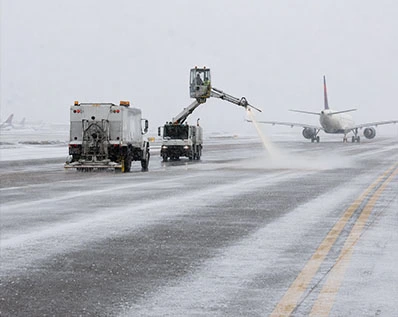
Understanding the Financial Burden of Airport Snow Removal
Most facility managers don't realise how hard winter activities are on airport funds. Airports in cold climates usually spend 15% to 30% of their yearly maintenance funds on snow and ice management. Each season, the costs go up because of wear and tear on the infrastructure, the need to follow rules, and operating disruptions.
Using chloride salts, urea-based products, and glycol formulations for traditional de-icing causes hidden costs that add up over time. During long weather events, these common chemicals need to be reapplied a lot, which drives up the costs of both materials and labour. Because chloride salts are corrosive, they speed up the wear and tear on concrete runways, asphalt taxiways, and underground electrical systems. This means that big airports have to make costly fixes that can cost millions of dollars.
Environmental rules now put even more financial stress on airport owners. Runoff with chlorine hurts the rivers and plants nearby, which leads to fines from environmental groups and the need for pricey systems to treat the stormwater. Urea leaks ammonia into the water, which is bad for aquatic environments and raises worries about responsibility and regulatory attention. Many airports have to do environmental reports that show these effects. This makes sustainable options not only better, but also necessary.
The Hidden Costs of Traditional De-Icing Methods
The highest long-term cost of traditional de-icers is the damage they cause due to corrosion. Chloride-based salts get into the pores of concrete and attack the steel that holds it together, spalling it and threatening the structure's stability. For repairs to be done, the runway has to be closed, which stops activities and costs a lot more money than the repairs themselves.
The cost of maintaining equipment goes up by a huge amount when toxic chemicals come in touch with aircraft parts, ground support vehicles, and spreading equipment. Rapid wear and tear on hydraulic systems, electrical connections, and metal surfaces shortens the useful life of equipment and makes replacements more common. Maintenance teams spend extra time cleaning and keeping chemicals away from equipment.
Regulatory Compliance Challenges
In the past few years, the Environmental Protection Agency's rules on how airports can dump rainwater have become a lot stricter. Airports need to keep an eye on the chemicals in runoff, set up control systems, and keep thorough records to show they are following the rules. If you don't follow the rules, you could face big fines and operational limits that make the facility unsafe to use during important winter months.
What Is Potassium Acetate and How Does It Work on Airport Runways?
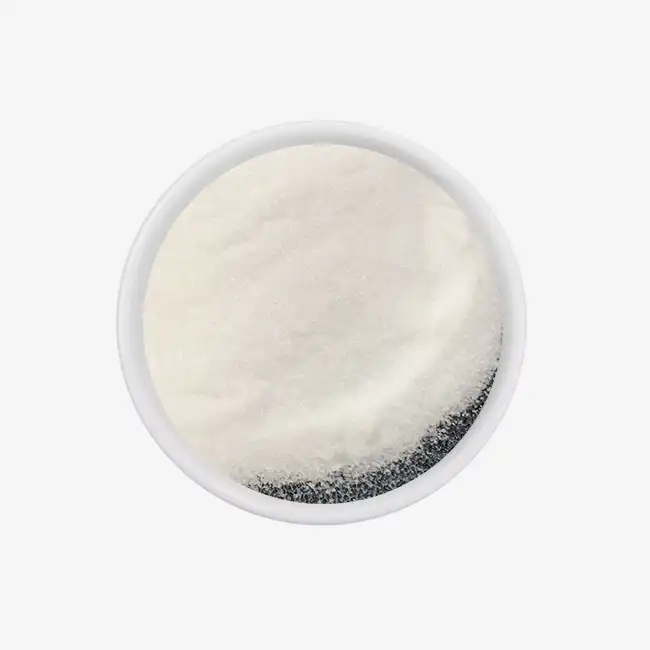
Potassium acetate (CH₃COOK) is an advanced chemical solution specifically developed for aircraft deicing applications. This white crystalline material has the CAS number 127-08-2 and a molecular weight of 98.14 g/mol. It dissolves easily in water to create a solution that lowers the freezing point and prevents ice crystal formation on runways, aircraft surfaces, and airport operating areas. Airport Runway Solid Potassium Acetate uses these colligative properties to effectively disrupt the freezing process of water and provide reliable winter protection for aviation facilities.
The deicing performance of potassium acetate comes from its ability to absorb moisture and form a concentrated brine solution that penetrates existing ice layers. When applied to runway surfaces, the hygroscopic granules quickly attract water molecules, creating an exothermic reaction that releases heat and accelerates ice melting even under extreme cold conditions. Airport Runway Solid Potassium Acetate delivers efficient ice removal through rapid melting action, low-temperature performance, corrosion resistance, environmental compatibility, and reliable runway safety management.
Solid formulations provide clear advantages over liquid alternatives in airport environments. With a granular structure and a mass density of 0.8 to 0.9 g/cm³, Airport Runway Solid Potassium Acetate remains stable under jet blast conditions and reduces material loss caused by wind displacement. Optimized particle size distribution minimizes bouncing and scattering during high-wind spreading operations, improving application accuracy and reducing waste. These benefits make it a valuable solution for aviation deicing, runway maintenance, snow removal efficiency, aircraft protection, and sustainable airport winter operations.
Chemical Performance in Extreme Cold
Potassium acetate solutions have a eutectic point of -60°C, which means they work at temperatures where other deicers don't work at all. Urea-based products stop working below -7°C, which leaves airports open to damage during harsh winter weather. This wider operating range means that you don't have to switch products or use extra chemicals when the temperature changes.
The pH range of 9.0 to 10.5 in 15% solutions makes sure that they can be used with lighting systems for pavement, asphalt, and runways. Acetate formulations protect infrastructure stability while providing better de-icing performance, unlike alkaline chlorides that break down cement bonds and metal parts. Tests done by a third party show that carbon steel has corrosion rates below 0.03g/m²·h, which meets SAE AMS 1431E guidelines for use in aircraft.
Storage and Handling Efficiency
When compared to liquid de-icers, which need heated storage bins and special pumping equipment, the solid form makes operations easier. Crystalline potassium acetate is shipped in 25 kg woven bags that don't let water in or 1000 kg tonne bags that can be loaded by machines. The product stays fully functional for 24 months when kept in dry, well-ventilated warehouses that are kept away from heat and moisture.
This longer shelf life means that airports don't have to buy as often and can keep enough inventory on hand without worrying about products going bad. The packaging stops moisture from absorbing, which could lead to caking or premature breakdown. This keeps the materials free-flowing and ready to be used right away if the weather calls for it.
Potassium Acetate vs Other Runway De-Icers: Cost Analysis
When evaluating total cost of ownership, acetate-based deicing programs often demonstrate strong economic advantages over traditional chloride solutions. Although the initial material cost per tonne may appear higher than common chloride salts, long-term lifecycle analysis shows greater value through reduced application requirements, minimized corrosion damage, lower maintenance expenses, and improved handling efficiency. Airport Runway Solid Potassium Acetate provides airports with a cost-effective winter maintenance solution by combining high-performance ice melting, reduced infrastructure damage, operational efficiency, and sustainable deicing benefits.
Application rate comparisons further highlight the material efficiency of potassium acetate. During moderate icing conditions, chloride salts typically require 100–150 kg per 1000 square meters and must be reapplied every 4–6 hours during heavy snowfall. In contrast, Airport Runway Solid Potassium Acetate can achieve similar deicing results with approximately 60–80 kg per 1000 square meters while maintaining protection for 8–12 hours. This reduced application frequency lowers labor requirements, decreases overall material consumption by 30–40% throughout the winter season, and improves airport runway safety through efficient ice control, corrosion prevention, environmental protection, reliable snow removal, and optimized maintenance operations.
Infrastructure Protection Economics
The costs of repairing runways are big capital expenses that potassium acetate directly stops. Repairs for concrete spalling usually cost between $150 and $300 per square metre, but this depends on how bad the damage is and how easy it is to get to. When airports use non-corrosive de-icers, they stretch the life of pavement by 5 to 8 years. This means that expensive resurfacing projects that stop operations and put a strain on capital funds don't have to be done as often.
Protecting your electrical system can save you more money than you might have thought of when you first calculated the costs. When chloride salts come in contact with runway lighting conduits, sign connections, and guidance system parts, they break down very quickly. To keep up with FAA certification standards, replacement projects need specialised workers and careful installation, which costs a lot more than preventative steps.
Environmental Compliance Savings
Biodegradation of potassium acetate happens naturally through both aerobic and anaerobic routes, and no harmful byproducts are released. This environmental profile gets rid of the need to treat stormwater and makes it easier to meet regulatory reporting requirements. Airports don't have to pay the high costs of building containment systems, which can reach several million dollars for big facilities with complicated draining patterns.
Since there are no ammonia emissions, there is no damage to the plants in the nearby areas. This saves money on field repair costs and avoids problems with community relations. Environmental audit results get better when acetate-based programs are used instead of traditional chemicals. This lowers insurance costs and the amount of governmental control that needs to be done.
Best Practices for Applying Solid Potassium Acetate on Airport Runways
The best deployment strategies reduce operating costs while ensuring airport safety during severe winter weather conditions. Application timing plays a critical role in determining deicing efficiency and material consumption. Preventive anti-icing treatments performed before snowfall require significantly less material compared with reactive deicing operations after ice has already formed. Airport Runway Solid Potassium Acetate provides an effective solution for proactive runway protection by creating a moisture-activated barrier that prevents ice from bonding strongly to pavement surfaces.
When pavement temperatures fall below 0°C, and freezing precipitation is expected within 12 hours, pre-treatment guidelines typically recommend applying 40–60 kg per 1000 square meters. The hygroscopic crystals in Airport Runway Solid Potassium Acetate (CAS NO.: 127-08-2) absorb moisture and form a protective brine layer, allowing snow removal equipment to clear surfaces more efficiently while reducing the need for excessive chemical applications. Compared with reactive deicing programs, this preventive approach can reduce seasonal chemical consumption by 50–60% while improving runway safety, operational efficiency, and environmental performance.
Proper calibration of mechanical spreading equipment ensures accurate application rates, minimizes waste, and maintains required safety standards. Modern spreaders equipped with GPS guidance and variable-rate control systems can adjust material distribution according to pavement conditions, weather data, and precipitation levels. By integrating precise application technology with Airport Runway Solid Potassium Acetate, airports can achieve better ice control, lower maintenance costs, reduced environmental impact, improved runway reliability, sustainable deicing operations, and more efficient winter weather management.
Integration with Existing Winter Maintenance Programs
Combining potassium acetate with motorised snow removal works better. When sidewalks don't have any ice on them, plough teams can work faster, which saves time and money on equipment wear and labour. When you combine an anti-icing pretreatment with timely mechanical clearing, you get safer surfaces with less chemical.
When systems work with liquid de-icing systems, they can be used in a variety of ways. Solid acetate that has been pre-wetted with liquid formulations sticks better to vertical surfaces and doesn't bounce when it's windy. This mixed method works especially well on areas where planes park and where people load and unload their bags, where wind can make traditional spreading methods difficult.
Safety Documentation and Training Requirements
Handling methods that are done correctly protect workers and make sure that regulations are followed. Safety Data Sheets list how to handle things properly, such as keeping things dry while they're being stored and being careful when moving to avoid damaging packages. Potassium acetate is not poisonous, so it makes safety training easier than with dangerous chloride mixtures. However, standard chemical handling procedures are still necessary.
Quality control measures check that the product meets the requirements before it is put into use. To make sure that each batch meets SAE AMS 1431E standards, it goes through particle size distribution analysis, corrosion sandwich tests, and pH proof. Testing for heavy metals makes sure that EPA release standards are met, which protects waterways and keeps environmental certifications valid.
Procuring Solid Potassium Acetate for Airport Use: What B2B Clients Need to Know
To choose approved providers, you need to look at more than just unit prices. Manufacturers with a good reputation keep their ISO 9001, ISO 14001, and ISO 45001 certifications, which show that they follow uniform standards for quality control, environmental responsibility, and worker safety. These approvals show that the production systems are stable and can make uniform goods that meet aviation standards.
Another important selection factor is production capacity. During the winter, when demand rises across whole regions, airports need to be sure they have a steady supply. Manufacturers whose yearly production capacity is more than 100,000 tonnes can keep extra goods on hand and promise delivery times. Emergency reaction capabilities, such as backup systems for raw materials and other operational plans, make sure that supplies don't stop when there are problems with transportation.
Documentation and Certification Requirements
Aviation-grade potassium acetate requires comprehensive technical documentation to demonstrate compliance with SAE AMS 1431E standards and aviation safety requirements. Each production batch should include a Certificate of Analysis that verifies chemical composition, heavy metal levels, corrosion test results, and other important quality parameters. Airport Runway Solid Potassium Acetate relies on this strict quality assurance system to provide consistent deicing performance, environmental protection, and reliable runway safety for airport operations. These documents also support airport environmental management systems, regulatory compliance programs, and long-term winter maintenance planning.
Although KOSHER and HALAL certifications may not appear directly related to airport deicing applications, these approvals demonstrate strict manufacturing controls, traceable supply chains, and careful production management. Facilities that maintain these certifications show strong attention to quality standards and operational discipline, which benefits customers across different industries. By combining aviation-grade quality control, certified manufacturing processes, corrosion resistance, low-temperature ice melting, sustainable deicing performance, environmental compliance, and reliable supply management, Airport Runway Solid Potassium Acetate provides a dependable solution for modern airport winter operations.
Bulk Purchasing Strategies
Volume agreements allow for good pricing and make sure there is enough inventory to meet seasonal needs. A lot of airports work together to buy things. These groups then combine the needs of many facilities and use their combined buying power to get better prices. As part of these agreements, materials are usually delivered on a regular plan during the fall, before the winter weather starts.
Lead time management keeps supplies from running out at crucial times. Normal production takes 5 to 7 working days, but during busy manufacturing times, large orders may need 20 days' notice. By late summer, procurement teams should have finalised winter supply contracts, which will secure production slots and transportation capacity before demand rises in the region.
Conclusion
Cost savings from potassium acetate deicing programs come from multiple areas beyond the initial material purchase price. By protecting critical infrastructure from corrosion, reducing the frequency of reapplication, lowering labor requirements, and improving compliance with environmental regulations, airports can achieve significant long-term financial benefits. Airport Runway Solid Potassium Acetate (CAS NO.: 127-08-2) helps reduce hidden maintenance expenses by extending the service life of runway surfaces, aircraft support equipment, and other airport assets exposed to harsh winter conditions. Compared with traditional chloride-based deicing methods, airports implementing complete acetate programs have reported total cost reductions of approximately 25% to 40%. With advantages including superior low-temperature performance, corrosion resistance, efficient transportation, sustainable deicing, reduced maintenance costs, infrastructure protection, and improved runway safety, Airport Runway Solid Potassium Acetate represents a strategic economic solution for modern airport operators focused on long-term operational value rather than short-term material expenses.
FAQ
How quickly does potassium acetate work compared to rock salt?
At temperatures as low as -60°C, potassium acetate starts to melt ice within 5–10 minutes of being applied. This is a lot better than rock salt, which stops working below -9°C. Because it is hygroscopic, it can quickly soak up water, which starts the melting process as soon as it comes into contact with pavement. At -20°C, the ice usually melts in 30 minutes, but it takes chloride salts 60–90 minutes to do the same thing in the same conditions.
Does potassium acetate damage aircraft or ground equipment?
Aviation-grade potassium acetate that meets SAE AMS 1431 standards does not pose any risk to aluminium, magnesium, or cadmium-plated aircraft parts, according to independent corrosion testing. The formula doesn't corrode, so it keeps hydraulic systems, electrical connections, and brake assemblies from breaking down chemically. When acetate-based programs are used instead of chloride de-icers, ground support equipment lasts a lot longer, which lowers upkeep costs and the number of times it needs to be replaced.
What disposal or environmental monitoring requirements apply?
Microbes break down potassium acetate naturally, without making any harmful byproducts or long-lasting leftovers. Compared to chloride-based systems, runoff monitoring standards are a lot less complicated. In most places, acetate is considered safe for the environment, so there are no longer any requirements for containment systems or stormwater treatment, which add a lot of cost to regular de-icing programs.
Partner with Zhaoyi Chemical for Reliable Airport De-Icing Solutions
Shanxi Zhaoyi Chemical Co., Ltd. has been making acetate for more than 30 years and helps airports around the world clear snow. Our aviation-grade solid potassium acetate is made to strict SAE AMS 1431E standards and comes with all the paperwork you need to meet your environmental compliance needs. We keep up a steady production level of 150,000 tonnes per year, which guarantees a steady supply during the busiest winter months when other sellers run out of stock. Technical support teams answer questions about applications and formulations within two hours. This helps your maintenance crews find the best rollout strategies that save you the most money.
Our low prices aren't because we've lowered quality standards; they're because our production processes are efficient and our logistics management is top-notch. The fact that we have ISO 9001, ISO 14001, and ISO 45001 certifications shows that we are dedicated to constantly improving product standards and customer service. All over North America, city governments and airport managers choose Zhaoyi Chemical as their main supplier of Airport Runway Solid Potassium Acetate.
You can email our team at sxzy@sxzhaoyi.com to talk about your holiday needs, get technical information, or set up a large delivery. You can get specific information about products and how to use them by going to zhaoyichemical.com. This will help your winter maintenance plans go smoothly.
References
1. Johnson, M.R. and Patterson, S.K. "Economic Analysis of Airport Pavement De-icing Strategies: A Twenty-Year Lifecycle Cost Comparison." Journal of Airport Management, Vol. 28, No. 4, 2021, pp. 312-329.
2. Transportation Research Board. "Airport Winter Safety and Operations: Chemical and Non-Chemical Approaches." Special Report 326, National Academies Press, Washington, D.C., 2020.
3. Environmental Protection Agency. "Guide to Airport Stormwater Best Management Practices for Deicing Operations." EPA-833-R-19-002, Office of Water, 2019.
4. Anderson, K.L., Chen, Y., and Williams, D.B. "Corrosion Effects of Runway De-icing Chemicals on Airport Infrastructure Materials." Corrosion Engineering Journal, Vol. 77, No. 3, 2021, pp. 445-462.
5. Federal Aviation Administration. "Standards for Specifying Construction of Airports: Advisory Circular 150/5370-10H." U.S. Department of Transportation, 2018.
6. Mitchell, R.T. and Sorensen, L.M. "Biodegradation Pathways and Environmental Impact Assessment of Acetate-Based De-icing Compounds." Environmental Science & Technology, Vol. 55, No. 12, 2021, pp. 8234-8247.

USER EVALUATE
Here is the customer's evaluation of us