



What Factors Matter When Buying Bulk Potassium Acetate Deicer?
When purchasing bulk potassium acetate deicer, procurement professionals should prioritize several critical factors: temperature performance, product purity, environmental impact, and supplier reliability. Snow Melting Solid Potassium Acetate(CAS No.: 127-08-2) stands out as an acetate-based deicing solution that functions effectively down to -35°C, offering non-corrosive protection for infrastructure while remaining biodegradable. Understanding the chemical composition (CH₃COOK), purity levels above 99%, and storage requirements ensures you select a high-performing product that balances operational efficiency with environmental responsibility, particularly for airports, municipal infrastructure, and industrial facilities requiring sensitive material handling.

Understanding Solid Potassium Acetate as a Snow Melting Agent
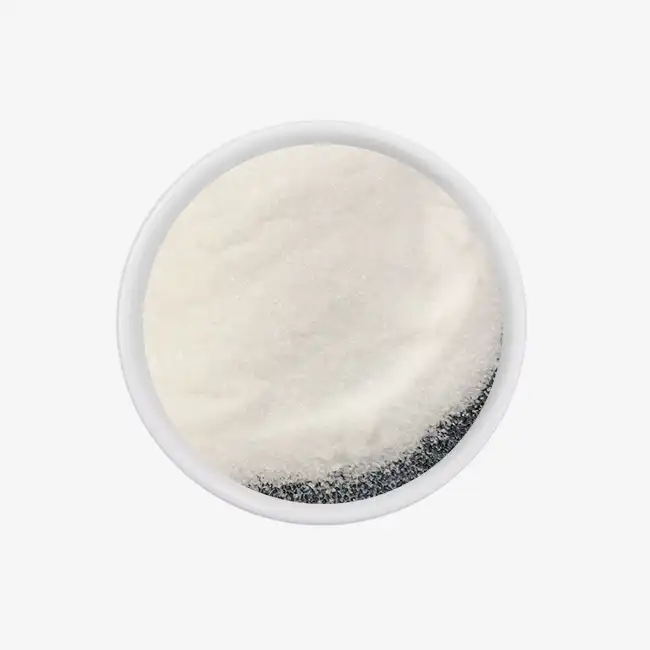
Potassium acetate is a big step forward in the science of winter upkeep. Unlike regular sodium chloride, which stops working around -7°C, this white crystalline substance keeps melting ice quickly even when it's very cold outside. When this molecular structure (CH₃COOK, molecular weight 98.14) comes into contact with frozen surfaces, it starts an exothermic reaction that breaks up the bonds between the ice and the pavement very quickly while also making heat that speeds up the melting process.
Chemical Composition and Melting Mechanism
When bacteria in the earth break down this compound, the acetate ion turns into carbon dioxide and water without leaving any dangerous residues. This process of biodegradation makes it very different from chloride-based options that build up in groundwater and hurt plants. Potassium acetate dissolves easily in water, acid, and alcohol, which makes it possible for brine to form quickly and better break through ice than granular rock salt.
Environmental and Safety Advantages Over Traditional Deicers
Formulations based on acetate protect environments that are sensitive to the treatment area. Calcium chloride and magnesium chloride make acidic runoff that hurts metal buildings and concrete support, but potassium acetate doesn't pose much of a threat to infrastructure. This quality is very important to airport owners because it means that residual deicer contact doesn't affect aeroplane parts like electronics, landing gear, and composite materials. Municipal wastewater treatment plants also benefit from less biochemical oxygen demand (BOD) in stormwater runoff, which makes it easier to follow rules about environmental discharge.
Regulatory Compliance and Sustainability Demands
More and more environmental rules in North America and Europe favour deicing products that are based on acetate. Non-corrosive formulations keep concrete from flaking off and increase the life of assets that are managed by procurement teams for historic bridges, parking structures with visible rebar, and historical buildings. The recyclable recipe meets stricter standards for water quality while keeping the smooth surfaces needed for people and cars to walk and drive on during freeze-thaw cycles.
Key Performance Factors When Selecting Bulk Potassium Acetate
Performance specifications have a direct effect on how well operations go during winter weather events. Knowing about technical factors helps procurement managers compare offers and make sure that results are the same at all places.
Low-Temperature Effectiveness and Working Range
Premium deicing solutions are different from basic ones because of how well they work at different temperatures. Snow Melting Solid Potassium Acetate stays active at -35°C, and its predicted eutectic performance is close to -60°C. This wider working range is very important for northern sites that have to deal with long cold spells where regular deicers don't work. Activation right away after application cuts down on labour costs and speeds up response times during emergency snow removal operations.
Product Purity and Chemical Specifications
Formulations with a lot of clarity give consistent melting performance. Products that meet standards for purity of ≥99.0% make sure that the expected drop in freezing point happens. Levels of contamination are very important. To keep equipment from rusting and the environment safe, salt levels should stay below 0.2%, water-insolubles below 0.05%, and iron levels below 0.05%. These requirements are especially important for aerospace uses, where strict adherence to SAE AMS 1435 chemical precursor requirements is needed to meet material compatibility standards.
Physical Form Considerations and Shelf Life
The size and amount of wetness in the granules affect how well application equipment works. Free-flowing crystals don't get clumped together when they're stored, and mechanical spreaders keep the flow rates steady. A moisture level below 1.0 percent stops the material from sticking too soon, which can jam spreaders and make the distribution uneven. Anti-caking agents make the shelf life longer, but because potassium acetate is hygroscopic, it needs to be stored in a very specific way. When stored properly in sealed, moisture-proof packaging, properly maintained goods stay useful for many years, which gives facilities that manage seasonal inventory more operating freedom.
Comparing Potassium Acetate With Alternative Deicing Agents
In order to move from knowing product details to comparing alternatives, you need to look at the total cost implications and application-specific benefits that affect buying choices.
Cost-Effectiveness and Total Ownership Analysis
A cost-effectiveness study looks at more than just the original purchase price. It also looks at application rates, infrastructure security, and regulatory compliance costs. When you buy something smartly, you weigh the initial cost against the long-term cost saves and reduced danger. Potassium acetate costs more per kilogram than rock salt, but the higher application rate often makes up for the difference. Because it melts more quickly, less product is needed to get the same results. This saves money on shipping, store space, and labour hours. Preserving infrastructure saves a lot of money in the long run because it keeps assets from needing to be fixed or replaced, and it stops equipment from rusting and extending its life by decades. Environmental compliance costs are also added to the total cost of ownership because lowering BOD loading and getting rid of heavy metal discharge make permit maintenance easier and lower the risk of fines.
Advantages Over Chloride-Based Alternatives
Calcium chloride and magnesium chloride create hygroscopic brines that can enter buildings, damage flooring materials, and leave slippery residues on indoor surfaces. These chloride-based compounds accelerate corrosion on vehicles, structural steel, and reinforcing bars much faster than acetate-based alternatives, increasing long-term maintenance requirements and repair costs. Snow Melting Solid Potassium Acetate provides a safer and more sustainable deicing solution because its non-corrosive properties help protect critical infrastructure while maintaining effective winter ice control. This advantage is especially valuable for railway switch systems, hospital entrances, radar installations, transportation hubs, and other sensitive facilities where chloride contamination can cause equipment failures and operational disruptions. By reducing chemical damage, protecting equipment reliability, improving winter safety, and supporting continuous operation during severe weather, Snow Melting Solid Potassium Acetate delivers benefits including corrosion resistance, low-temperature deicing, environmental protection, infrastructure preservation, sustainable snow removal, and reliable winter maintenance performance.
Industry-Specific Preferences and Application Trends
For airport runway deicing, materials must meet strict standards for working with aeroplane systems. Because it doesn't corrode, potassium acetate protects aluminium metals, carbon brakes, and electronics from the damage that chloride compounds do. Highway maintenance workers who are in charge of suspension bridges use acetate formulas to stop the concrete from breaking down because of chloride. This keeps the repair costs from going up into the millions of dollars. As more cities and towns switch to environmentally friendly winter care methods, biodegradable, low-impact options that meet both performance and environmental goals are becoming more popular in purchase requirements.
Procurement Considerations for Bulk Purchasing
Knowing these comparative advantages helps procurement teams evaluate the skills of suppliers and negotiate good terms for buying. Choosing the right supplier affects the quality of the goods, the reliability of delivery, and the long-term success of the business. Building ties with certified makers guarantees a steady supply during times of high demand.
Selecting Certified Manufacturers and Quality Assurance
Getting ISO 9001 certification shows that you are dedicated to quality management systems that keep products consistent. Companies that have both ISO 14001 environmental certification and ISO 45001 occupational safety standards put in place strict controls at every stage of the production process. Batch testing protocols that check for purity, moisture content, and trace metal levels make it possible to track products, which helps with quality audits. Shanxi Zhaoyi Chemical has been making acetate for 30 years, which shows that they have the steadiness needed for important supply relationships. Their yearly production capacity of 150,000 tonnes makes sure that they have enough during the busy winter months.
Pricing Negotiation and Delivery Terms
Bulk purchasing agreements often provide volume savings that make budgeting and cost planning more predictable for winter maintenance programs. Understanding international shipping terms such as FOB, CIF, and DAP helps define cost responsibilities, transportation risks, and delivery expectations throughout the supply chain. For organizations using Snow Melting Solid Potassium Acetate (CAS NO.: 127-08-2), effective lead time management is especially important during peak winter seasons, when production schedules of 5–7 working days require advance planning for large-volume orders. Maintaining safety stock levels allows airports, municipalities, highways, and industrial facilities to respond quickly when severe weather causes unexpected material shortages. Strategic partnerships with reliable manufacturers that maintain reserve inventory help prevent supply disruptions while ensuring continuous access to high-performance deicing materials. By combining supply chain stability, bulk procurement efficiency, emergency inventory planning, reliable logistics, winter operation readiness, sustainable snow removal, and corrosion-resistant deicing performance, Snow Melting Solid Potassium Acetate supports efficient and dependable cold-weather maintenance strategies.
Packaging Options and Logistics Optimization
Standard packing in 25 kg plastic woven bags makes it easier to handle by hand, while 1000 kg ton-bags are better for bulk uses and waste less packaging. Custom packaging meets specific operational needs, such as sealing to keep moisture out for long-term storage outside or using special labels to meet regulatory requirements. Import delays are kept to a minimum by coordinating container shipping and customs clearance procedures. Regulatory approvals go more quickly through foreign supply chains when manufacturers provide full documentation, such as MSDS, COA, and certification papers in the necessary languages.
Best Practices for Using Potassium Acetate Deicer Effectively
These basic principles of buying set the stage for efficient product use that maximises return on investment. The best speed and lowest costs are achieved by using the right application methods and storage standards. Teaching employees the right way to use things cuts down on waste and improves safety.
Recommended Application Rates and Surface-Specific Techniques
The best dose relies on the temperature of the ground, the thickness of the ice, and the rate of precipitation. Using lower rates for pre-treatment applications stops ice from forming before storms, which means less product is used overall than with reactive treatments after a storm. Direct application methods work best in parking lots and walkways, while pre-wetting methods make highway surfaces last longer. Calibration of the equipment makes sure that the treatment is spread out evenly, so that some areas don't get too much treatment while others don't get enough.
Equipment Compatibility and Safety Protocols
When properly kept, mechanical spreaders made for free-flowing granular goods work well with potassium acetate. Hopper parts made of stainless steel or a hybrid material resist rust better than parts made of mild steel. As part of worker safety protocols, standard ways to handle chemicals are to wear eye protection, the right gloves, and take steps to control dust while loading. When compared to more active chemicals, the low toxicity rating makes it safer to handle dangerous materials.
Real-World Performance and Cost Savings
After switching to deicing programs that use acetate, concrete maintenance costs have gone down by a measurable amount for municipal operations. Case studies from airports show that using acetate increased the life of the ground and lowered the number of claims for aeroplane corrosion. Loading dock workers can clear the ice faster and with fewer product uses, which makes operations more efficient during bad weather. These recorded results back up the performance benefits that make the higher original investment costs worthwhile.
Conclusion
Selecting the right bulk potassium acetate deicer requires balancing multiple technical, environmental, and practical factors. Compared with standard chloride-based products, premium acetate solutions offer superior low-temperature performance, higher purity levels, and significantly reduced corrosion risks. Snow Melting Solid Potassium Acetate (CAS NO.: 127-08-2) provides reliable winter maintenance performance for airports, municipalities, highways, and industrial facilities by combining effective ice melting, infrastructure protection, and environmental compatibility. Successful procurement decisions depend on evaluating supplier certifications, establishing reliable delivery agreements, and following proper application procedures to achieve maximum efficiency and cost control. As infrastructure protection and environmental sustainability become increasingly important, Snow Melting Solid Potassium Acetate has become a preferred choice for organizations seeking long-term winter maintenance solutions, offering advantages such as corrosion resistance, low-temperature deicing capability, sustainable snow removal, asset preservation, reduced maintenance costs, and eco-friendly winter management performance. By protecting critical infrastructure and surrounding ecosystems, this advanced deicing material delivers dependable results for demanding cold-weather applications.
FAQ
In what temperature range does potassium acetate deicer work best?
When used in real life, potassium acetate keeps melting quickly down to -35°C. In theory, it should work at -60°C eutectic temperatures as well. This is much colder than the freezing point of rock salt, which is -7°C. This makes acetate formulations necessary for northern climates that have long periods of extreme cold.
What effects does potassium acetate have on steel and concrete buildings?
Chloride-based deicers break down concrete and rebar, but potassium acetate's non-corrosive chemistry keeps infrastructure in good shape. Because it doesn't attack concrete paste chemically or speed up freeze-thaw damage, it's the best choice for historic bridges, parking structures, and historical buildings that need to be preserved.
Is this product safe for plants and pets?
The acetate ion is biodegradable and breaks down naturally in bacteria into carbon dioxide and water. It doesn't pose much of a threat to grass, plants, or animal paws. This environmental safety rating is higher than chloride salts, which build up in the soil and hurt plants near cleaned roads.
Partner With Zhaoyi Chemical for Reliable Snow Melting Solid Potassium Acetate Supply
Zhaoyi Chemical has been making acetate well for more than 30 years and now sells it in North America and Europe. Our ISO-certified factory has strong quality controls that make sure Snow Melting Solid Potassium Acetate meets standards for purity of 99.0% or higher, so it always works well. We can package your items in 25 kg bags or 1000 kg tonne bags, and our FOB, CIF, and DAP shipping prices are all very reasonable. Our technical team can help you with application advice, custom formulations, and getting a quote quickly (within two hours). As a reliable provider of Snow Melting Solid Potassium Acetate, we keep safety stock on hand so that we can fill orders right away. For large orders, the production wait time is between 5 and 7 days. Email us at sxzy@sxzhaoyi.com for full product details, proof of certification, and a bulk price that fits your winter care budget.
References
1. Transportation Research Board. Guidelines for the Selection of Snow and Ice Control Materials to Mitigate Environmental Impacts. National Academy of Sciences, 2007.
2. Shi, Xianming, et al. Sustainable Winter Road Operations. Wiley-Blackwell, 2018.
3. American Society for Testing and Materials. Standard Specification for Solid Potassium Acetate for Deicing and Anti-icing Use, ASTM D7148-20.
4. Airport Cooperative Research Program. Aircraft and Airfield Deicing and Anti-icing Systems and Procedures, Report 14. Transportation Research Board, 2008.
5. Fischel, Margaret. Evaluation of Selected Deicers Based on a Review of the Literature. Colorado Department of Transportation, 2001.
6. Levelton Engineering Ltd. Guidelines for the Selection of Snow and Ice Control Materials to Mitigate Environmental Impacts. Environment Canada, 2004.

USER EVALUATE
Here is the customer's evaluation of us