



Potassium Acetate Deicer Improves Safety Across Transportation Infrastructure
Winter weather creates persistent safety challenges across highways, airport runways, and rail networks throughout the United States. Transportation infrastructure managers face mounting pressure to maintain operational continuity while protecting expensive assets from corrosion and environmental damage. Snow melting liquid potassium acetate (CAS NO.: 127-08-2) represents a breakthrough solution that addresses these critical concerns. This advanced non-chloride formula delivers rapid ice-melting performance while eliminating the infrastructure degradation associated with traditional salt-based alternatives, making it an essential component of modern winter maintenance programs.
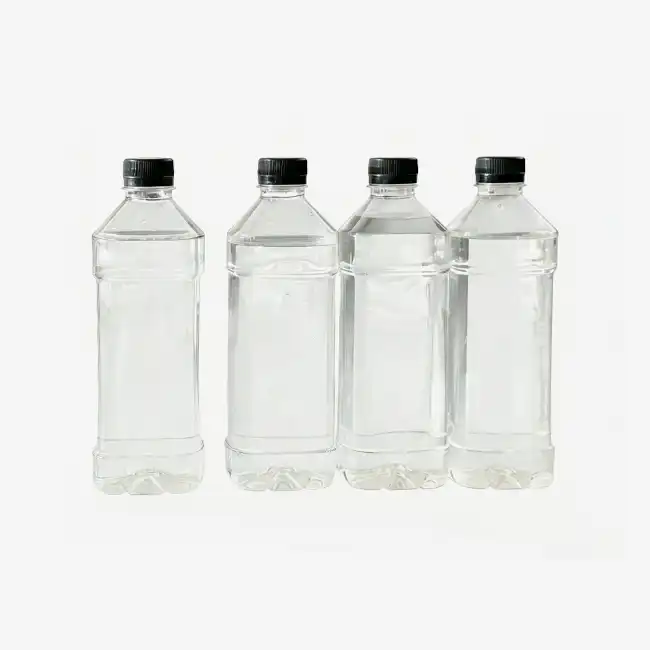
Understanding Potassium Acetate and Its Ice-Melting Properties
The main things that determine how well a deicer works are its chemical makeup and how it reacts to heat. Potassium acetate (CH3COOK) is unique because of the way its molecules are structured, which lets it significantly lower the freezing point of water. When you put this solution on surfaces that are covered in ice, the potassium and acetate ions start breaking down the crystal bonds that hold the ice together right away.
Chemical Mechanism Behind Freeze Point Depression
The thermodynamic benefit of snow-melting liquid potassium acetate is clear when you look at how its concentration changes with temperature. The freezing point of a properly made solution at a percentage of 50–60% is -35°C (-31°F), so it works reliably in harsh winter circumstances. Liquid deicers start working right away on contact with ice and snow, while solid deicers need time to dissolve before they can be used. This gets rid of the delay that often lets dangerous conditions last during busy morning traffic times or airport operations.
Thermal Stability Under Operational Conditions
Maintenance teams at airports and highway offices like how snow-melting liquid potassium acetate always has the same viscosity. Even when temperatures drop below zero, the fluid can still be pumped and sprayed, so automatic spray systems can keep working efficiently. This dependability is very important for Fixed Automated Spray Technology (FAST) systems that need to react right away to changing weather on bridge decks and high roads.
Safe Handling Protocols for Industrial Use
The rules for storing and handling chemicals are in line with what is usually done with industrial chemicals. Our goods come in 1000L IBC tanks or flexitanks that are made to be easily connected to other machines. Facilities should keep storage areas dry, well-ventilated, and away from extreme heat, but the chemical safety of the product makes many of the problems that come with more volatile choices less of a problem. The slightly alkaline pH range of 7.5 to 9.2 protects metal surfaces in storage tanks and spray equipment by naturally passivating them.
Comparative Analysis: Why Choose Potassium Acetate Over Other Deicing Agents?
Transportation infrastructure managers often look at a number of different deicer choices, each with its own pros and cons. To make smart decisions about what to buy, you need to know how different formulations perform across important evaluation criteria.
Performance Benchmarking Against Traditional Options
Sodium chloride remains one of the most cost-effective deicing options, but its corrosive properties create high hidden costs through infrastructure damage and increased maintenance requirements. In bridge deck rehabilitation projects, structural deterioration is often directly connected to chloride penetration into concrete and the corrosion of reinforcing steel. Calcium chloride provides better low-temperature performance, but it also increases corrosion risks and absorbs moisture, which can contribute to refreezing problems when temperatures fluctuate. These limitations have encouraged transportation agencies to consider more sustainable alternatives that provide reliable winter performance while protecting valuable infrastructure assets.
Snow melting liquid potassium acetate can melt more than 85% of snow within one hour at -25°C, matching or exceeding the performance of chloride-based alternatives without causing severe corrosion damage. Third-party testing shows that carbon steel corrosion rates of approximately 0.03g/m²·h are similar to distilled water and significantly lower than chloride formulations. With benefits including low-temperature ice melting, corrosion resistance, infrastructure protection, environmental compatibility, sustainable snow removal, and long-term maintenance savings, snow melting liquid potassium acetate provides an advanced solution for modern winter road management programs. Its ability to improve road safety, reduce repair costs, extend infrastructure lifespan, and support eco-friendly deicing strategies makes it a preferred choice for demanding winter environments.
Environmental Impact Assessment
Environmental regulations are making people more careful about which deicers they choose. Groundwater pollution and plant damage are caused by chloride flow, which has long-lasting effects on the environment that go beyond individual application sites. Even though ethylene glycol works, it is very dangerous for water environments and wildlife.
Our snow-melting liquid potassium acetate formula is biodegradable at levels higher than 95%. It breaks down naturally and doesn't stay in soil or water systems. The acetate part actually acts as a carbon source in biological cleaning methods, which means that it can be used with systems that handle stormwater. Testing shows that the chloride level is less than 0.01%, which pretty much eliminates the main way that traditional deicers get contaminated.
Cost-Efficiency Beyond Unit Pricing
Professionals in procurement know that a true cost analysis goes beyond the initial purchase amounts. Keeping infrastructure in good shape is an important economic factor. The Federal Highway Administration says that a dollar spent on strategic bridge maintenance will save four to five dollars in future costs for repairs. Even though it costs more up front than regular rock salt, snow-melting liquid potassium acetate saves a lot of money over its lifetime because it stops rust, which leads to premature replacement of concrete and steel.
Application of Potassium Acetate Deicer Across Transportation Infrastructure
The performance of snow-melting liquid potassium acetate in real life proves its strategic benefits in a wide range of transportation applications.
Airport Runway and Taxiway Operations
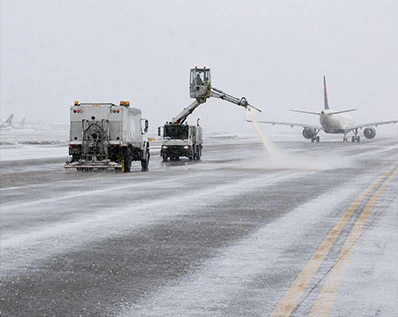
The most difficult place for deicing chemicals to be used is in aviation. To keep planes safe, you have to get rid of Foreign Object Debris (FOD) and keep chemicals from attacking sensitive aluminium alloys, landing gear parts, and braking systems. Major airports across the US have switched to snow-melting liquid potassium acetate formulations that meet the requirements of Aerospace Material Specification (AMS) 1435.
The liquid structure works especially well for operations on the runway, where quick action is needed to make sure planes stay on schedule. When anti-icing is applied before it rains, ice bonds don't form. This means that less chemical is needed and there are fewer problems with operations. When deicing reactively is needed, liquid solutions quickly restore safe conditions because they don't need time to dissolve as solid options do.
Bridge Deck and Highway Infrastructure Protection
Elevated roads and bridge decks present greater winter maintenance challenges because they lack ground insulation and freeze more quickly than pavement at ground level. Although bridges represent only a small percentage of total highway mileage, they contribute significantly to winter-related accidents due to faster ice formation and changing temperature conditions. snow melting liquid potassium acetate (CAS NO.: 127-08-2) is applied through FAST (Fixed Automated Spray Technology) systems installed on critical bridge infrastructure. These systems use automated nozzle arrays activated by sensors that monitor pavement temperature, moisture levels, and changing weather conditions, allowing precise and timely deicing treatment.
Transportation agencies across different states have reported significant reductions in bridge-related accidents after implementing these automated systems. The corrosion-resistant properties of snow melting liquid potassium acetate are especially important for protecting post-tensioned concrete structures, weathering steel components, and other sensitive infrastructure where chloride penetration could weaken long-term durability. Maintenance records show that acetate-treated structures experience less cracking, spalling, joint deterioration, and surface damage compared with traditionally maintained facilities. By providing automated deicing performance, low-temperature ice melting, corrosion protection, infrastructure preservation, winter road safety, and sustainable maintenance advantages, snow melting liquid potassium acetate supports safer and more reliable transportation networks.
Commercial and Municipal Property Management
Universities, hospital complexes, and business sites all have large areas for pedestrians that are maintained in a way that balances safety and aesthetics. Traditional rock salt hurts plants that are used for decoration, stains building stone, and leaves an ugly film that people walk on and bring into buildings. Snow-melting liquid potassium acetate treatments work well to get rid of ice without these other issues.
Property managers like that there is less cleanup to do and that there isn't any grit that would need a lot of cleaning. Because the formula breaks down naturally, it can be used safely near landscape beds and water features without hurting plants or raising concerns about aquatic toxicity.
Procurement Insights: How to Source and Specify Liquid Potassium Acetate
To buy industrial chemicals successfully, you need to look at more than just the basic product specifications that a supplier offers.
Quality Certification and Supplier Evaluation
Operational dependability is based on how consistently the products are made. We keep our ISO 9001, ISO 14001, and ISO 45001 certifications, which show that we meet high standards for quality control, environmental responsibility, and worker safety. Before it can be shipped, each production batch goes through strict testing procedures to check the amount of snow-melting liquid potassium acetate, impurities, pH stability, and freeze point performance.
Our KOSHER and HALAL certificates show that we are dedicated to meeting the needs of a wide range of customers and upholding the highest output standards. These third-party validations give more than just basic chemical specs of process control and ingredient source peace of mind.
Technical Specifications to Request
The paperwork for buying something should say what concentration is needed, which is usually 50 to 60 percent snow-melting liquid potassium acetate by weight. Limits on impurities are very important. For example, a chloride content below 0.01% makes sure that the material doesn't corrode, and limits on heavy metals (lead ≤0.01% and iron ≤0.002%) protect ecosystems and keep colours from running. By asking for proof of analysis with every package, you can keep quality control up throughout your supply relationships.
Logistics and Supply Chain Considerations
Reliable winter operations require a stable supply of deicing materials, even when severe weather conditions create unpredictable demand. Maintaining security stock allows suppliers to respond quickly to urgent orders, with normal production lead times typically ranging from 5 to 7 working days. Strategic partnerships with international logistics providers help optimize transportation costs, improve delivery reliability, and ensure that customers receive products on schedule. snow melting liquid potassium acetate provides a dependable solution for municipalities, airports, highways, and industrial facilities that require consistent winter maintenance performance.
Different packaging options can meet the needs of various operational scales and application environments. IBC tanks allow efficient handling with forklift equipment in city storage yards and airport facilities, while flexitank solutions provide cost-effective transportation options for large-volume shipments. For users of snow melting liquid potassium acetate, professional technical support helps determine the most suitable packaging, storage method, and delivery plan for each facility. By combining reliable supply chain management, flexible packaging solutions, rapid customer support, efficient logistics, winter maintenance planning, and sustainable deicing technology, snow melting liquid potassium acetate ensures effective ice control and continuous operation during demanding winter conditions.
Future Prospects and Industry Trends for Potassium Acetate Deicers
Pressure from regulators, calls for sustainability, and new technologies are all pushing the deicing business to change.
Regulatory Environment and Environmental Standards
More and more, state and federal agencies are limiting how much chloride can be used near drinking water sources and sensitive waterways. The Environmental Protection Agency says that chloride pollution is a new threat to freshwater environments, and many states have put limits in place for each area. These changes in regulations favour snow-melting liquid potassium acetate, which works just as well without building up over time in the environment.
Transportation offices are under more and more pressure to show they care about the environment while also meeting safety standards. By using snow-melting liquid potassium acetate products, agencies can meet both standards at the same time. This puts forward-thinking organisations ahead of when regulations are expected to change.
Technological Integration and Smart Infrastructure
When smart transport systems are put in place, they make it possible to use deicers more efficiently. When weather forecast algorithms are mixed with pavement sensors, exact anti-icing treatments can be used to stop ice from forming instead of responding to what is already there. These automatic systems work perfectly with snow-melting liquid potassium acetate, giving the right amounts at the right time and place.
Data analytics systems keep track of the number of applications, how the weather affects them, and the number of accidents that happen. This lets winter repair plans be improved all the time. Companies using these smart infrastructure methods say they use fewer chemicals overall and have better safety results. This is a strong example of how improved materials and smart systems can work together to make operations more efficient.
Market Dynamics and Procurement Strategies
The market for sustainable snow-melting liquid potassium acetate options is growing because more people in both public and private sectors are concerned about the environment. Facility managers who used to think acetate goods were too expensive are now becoming more interested because they see that total cost analysis shows strong lifecycle economics.
This change in the market gives early users chances to make their winter repair programs stand out. Businesses can show that they care about the environment to stakeholders, employees, and customers, and at the same time, they can protect their infrastructure investments. As more makers join the market and production volumes rise, economies of scale continue to narrow the price gap between new products and older ones.
Conclusion
Transportation infrastructure managers constantly face difficult decisions when balancing immediate operational needs with long-term asset protection and environmental responsibility. snow melting liquid potassium acetate addresses these challenges by providing rapid ice-melting performance, excellent corrosion resistance, and environmentally responsible deicing capabilities. Its successful application in airport operations, bridge structures, highway systems, and commercial facilities demonstrates its ability to perform effectively in a wide range of demanding winter environments. Unlike traditional chloride-based products, this acetate-based solution helps reduce infrastructure damage while maintaining reliable snow and ice control.
As environmental regulations become stricter and sustainability expectations continue to grow, snow melting liquid potassium acetate (CAS NO.: 127-08-2) is becoming more than a simple replacement for chloride deicers. It represents a long-term investment in infrastructure durability, operational safety, and environmental protection. With advantages including low-temperature deicing performance, corrosion prevention, sustainable winter maintenance, asset preservation, reduced repair costs, and eco-friendly snow removal technology, potassium acetate formulations provide transportation agencies and facility operators with a dependable strategy for future winter management challenges.
FAQ
What makes liquid potassium acetate more effective than solid deicers?
When you use liquid formulas, you don't have to wait for solid goods to dissolve. Granular deicers need to be mixed with water and broken down before they can make an active brine solution. If it's dry, this wait can last up to 15 minutes longer. Snow-melting liquid potassium acetate starts breaking up ice bonds as soon as it comes in contact with them, which allows for faster action in dangerous situations.
How does potassium acetate compare to calcium chloride for low-temperature performance?
Both products work well in very cold or very hot conditions, but they do so in different ways. When calcium chloride dissolves, it releases exothermic heat, which has some benefits at first but can cause problems if the temperature changes. When mixed with the right amount of water, snow-melting liquid potassium acetate stays useful down to -35°C through pure freeze-point depression, without the problems that come with hygroscopic chloride products attracting water.
What infrastructure types benefit most from acetate-based deicers?
The biggest benefits are seen in high-value items where preventing rust is worth the extra cost. This includes operations at airports that protect planes, post-tensioned concrete bridges with steel embedded in them, parking structures that can rust from rebar corrosion, and historic districts with architectural elements that can't be replaced. Acetate should be thought about in any situation where chloride harm would lead to expensive fixes or safety risks.
Partner with Zhaoyi Chemical for Reliable Snow Melting Liquid Potassium Acetate Supply
To keep the transport system safe during the harsh winter months, you need to work with providers who can provide you with reliable service and proven knowledge. Zhaoyi Chemical has been making specialised acetate for more than 30 years and works with airport authorities, city highway departments, and commercial facility managers all over the United States. Our yearly production capacity of 150,000 tonnes guarantees consistent supply, and our extensive quality standards ensure reliable performance. You can email our technical team at sxzy@sxzhaoyi.com to talk about your specific deicing needs, get product samples, or get full specifications. We are a reliable company that makes snow-melting liquid potassium acetate. We offer custom solutions, such as changing the formula to fit the climate where you live and giving you a choice of flexible packaging options that fit your business's needs.
References
1. Federal Highway Administration. "Bridge Preservation Guide: Maintaining a Resilient Infrastructure." U.S. Department of Transportation, 2018.
2. Transportation Research Board. "Guidelines for the Selection of Snow and Ice Control Materials to Mitigate Environmental Impacts." National Cooperative Highway Research Program Report 577, 2007.
3. Airport Cooperative Research Program. "Aircraft and Airfield Deicing Fluid Holdover Time Guidelines." Transportation Research Board, Annual Updates 2015-2023.
4. Shi, Xianming, et al. "Chloride-based Deicing Salt: Cost-Effectiveness, Environmental Impact, and Alternative Strategies." Journal of Infrastructure Systems, Vol. 15, No. 3, 2009.
5. American Association of State Highway and Transportation Officials. "Corrosion Protection of Highway Bridges: Best Management Practices." AASHTO Transportation Library, 2020.
6. National Academies of Sciences, Engineering, and Medicine. "Assessment of Technologies for Improving Roadway Winter Operations." Strategic Highway Research Program Report S2-R26B-RR-1, 2016.

USER EVALUATE
Here is the customer's evaluation of us