



Solid Potassium Acetate Supports Efficient Highway Ice Prevention Programs
Winter highway maintenance demands solutions that balance performance, safety, and environmental responsibility. Highway authorities and infrastructure contractors increasingly turn to potassium acetate-based de-icing agents because traditional road salts damage infrastructure and harm ecosystems. Snow Melting Solid Potassium Acetate(CAS NO.: 127-08-2) has emerged as a proven alternative, offering immediate action in sub-zero conditions while protecting concrete and steel from corrosion. This acetate-based approach addresses critical challenges faced by municipal maintenance teams who manage thousands of miles of roadways during severe winter weather events.

Understanding Solid Potassium Acetate and Its Role in Ice Prevention
The Chemical Foundation of Effective De-Icing
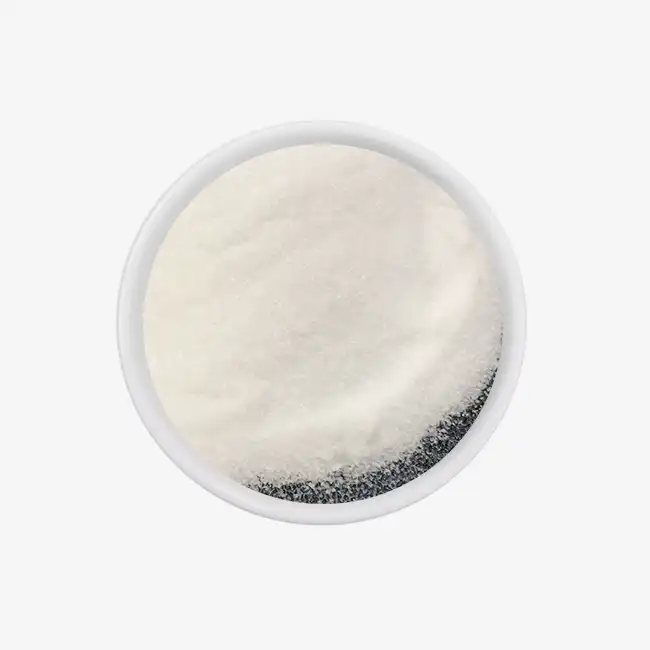
When it's at room temperature, solid potassium acetate (CH₀COOK) is a white crystalline substance that is very easy to dissolve and has a lower freezing point. Because of its molecular structure, the compound is better at stopping ice crystals from forming than regular chloride salts. Potassium acetate quickly dissolves when added to frozen surfaces, making a solution that drops the freezing point of water to about -35°C at the right concentrations. This thermodynamic trait keeps things from freezing again, even when temperatures change during the winter nights.
Ice Prevention Mechanisms Compared
The way it melts ice is very different from using sodium chloride or calcium chloride instead. Through endothermic dissolution, potassium acetate breaks molecular bonds between frozen water and road surfaces at the interface of ice and pavement. When calcium-based products break down, they release heat that damages the surface. Potassium acetate, on the other hand, keeps working well without causing thermal shock to sidewalk structures. Sodium acetate is also good for the environment, but it needs to be used in larger amounts to get the same effects. Potassium acetate has a better performance-to-volume ratio than other chemicals, so it doesn't need to be stored as much and doesn't need to be used as often during long cold times.
Solid Versus Liquid Application Dynamics
Both types have the same active chemicals, but the physical state has a big effect on how they are used. Solid potassium acetate needs to be dissolved before it can work fully, which adds a short action time. This feature is helpful in pre-treatment situations where maintenance workers put on the product before it starts to rain. The solid form fits easily with standard granular spreaders that are already in use on highways, so there is no need to pay to modify the equipment. Liquid forms work right away when they come into contact with something, which makes them perfect for emergency situations. Understanding these practical differences helps procurement managers choose the right forms for the environment and facilities in a given area.
Advantages of Solid Potassium Acetate in Highway Ice Prevention Programs
Infrastructure Protection and Longevity
Highway infrastructure represents a massive investment that requires effective protection against premature deterioration. Solid potassium acetate provides excellent corrosion resistance, with corrosion rates on carbon steel components remaining below 0.03g/m²·h, which is a significant improvement compared with chloride-based deicing alternatives that accelerate rebar oxidation and contribute to concrete cracking. This material compatibility makes Snow Melting Solid Potassium Acetate especially valuable for bridge decks and elevated structures, which experience more severe freeze-thaw cycles because they lack natural ground insulation. Maintenance records from northern highway systems indicate that surfaces treated with acetate-based deicers maintain better long-term performance than those exposed to chloride products. By preserving infrastructure quality, Snow Melting Solid Potassium Acetate helps reduce repair costs, extend service life, minimize winter emergency maintenance, and support sustainable road management through corrosion protection, low-temperature deicing, environmental safety, infrastructure preservation, and efficient snow removal operations.
Environmental Stewardship in Winter Maintenance
More and more, environmental laws are making it harder for chloride to get into watersheds and farmland next to roads. Biodegradability of potassium acetate is over 95%; it breaks down into carbon dioxide and water without building up in soil or groundwater systems. The plants next to the treated roads don't have any chloride burn symptoms that are usual with regular salt applications. This natural compatibility is very important for highway parts that go through protected watersheds, wildlife areas, and farming zones where the quality of runoff affects people who use water downstream. Municipal governments like that environmentally friendly de-icing methods lower their risk of being sued.
Operational Efficiency and Worker Safety
The way solid potassium acetate is handled makes the crew safer while they are loading and spreading. Compared to powdered calcium chloride, the crystalline product makes much less dust, which is better for machine workers' lungs. Multiple freeze-thaw cycles don't change the storage stability because there is no caking or moisture absorption that makes it hard to move. The product can be moved with regular material handling equipment, which doesn't need any special hoppers or moving systems. These operational benefits cut down on the time needed to train seasonal workers and keep equipment from breaking down during busy times when maintenance departments work around the clock.
Performance in Extreme Cold Conditions
Temperature effectiveness is one of the key factors that separates high-performance deicing agents from ordinary alternatives. When temperatures fall below -9°C, sodium chloride loses much of its ice-melting ability, while potassium acetate continues to provide reliable melting performance in severe winter conditions. In mountain highway corridors, field data shows that Snow Melting Solid Potassium Acetate (CAS NO.: 127-08-2) can support consistent snow and ice removal at temperatures as low as -25°C, helping maintain traffic flow during extreme weather events. Its broad operating temperature range reduces the need for abrasive materials such as grit, which can create additional challenges during spring cleanup and stormwater management. For high-elevation highways and regions with long winter seasons, Snow Melting Solid Potassium Acetate delivers dependable low-temperature deicing, corrosion protection, environmental compatibility, infrastructure preservation, and efficient snow removal performance. These advantages make it a valuable solution for transportation agencies seeking reliable winter maintenance strategies under changing weather conditions.
Comparison Between Solid and Liquid Potassium Acetate for De-Icing
Physical Properties and Application Methods
The main difference between solid and liquid forms is how quickly they can be used versus how well they store information. Liquid potassium acetate solutions usually have between 50 and 60% active ingredient content, and they can lower the freezing point to -35°C in a form that is ready to use. This liquid form lets it be pumped directly through automatic spray systems that are put on bridge decks and highway overpasses. Solid potassium acetate can be more pure than 98%, which means it can be stored more efficiently and takes up less room in warehouses. When maintenance departments don't have a lot of space for storage, they like solid formats that give them the same coverage from smaller inventory volumes.
Cost-Effectiveness and Supply Chain Considerations
The economy of transportation has a big effect on how much it costs to send bulk de-icing products. Solid potassium acetate lowers freight costs by getting rid of the water weight that makes up 40 to 50 percent of liquid formulations. When there are problems in the supply chain, logistics work more efficiently when a single truckload of solid product crosses a lot more lane miles than the same amount of liquid product. Different forms need different types of packaging. Solids are usually sent in moisture-resistant bags or supersacks, while liquids need to be sent in IBC totes or special flexitanks. These differences in packaging affect the handling equipment that maintenance facilities need. To find real value, bulk purchase plans should look at the provided cost per active ingredient pound instead of the per-unit price.
Regional Climate Matching
The format you choose should be based on where you live and how the weather usually is. In the north, where temperatures stay below zero for long periods of time, solid formats that are spread with regular spreading tools work well during constant winter operations. Coastal areas that sometimes freeze may like liquid systems for targeted use during short cold spells. More and more, bridge management programs use liquid formats for automatic spray systems that are set off by sensors in the ground. This lets just-in-time treatment happen without having to send out a crew by hand. Hybrid methods that use both formats are the most flexible because they can use liquids for quick response and solids for long-term covering throughout the season.
Procurement Guide for Solid Potassium Acetate: What B2B Clients Need to Know
Quality Standards and Certification Requirements
Purchase specifications for potassium acetate deicing products should include requirements for purity levels, impurity limits, and performance verification tests. Reliable manufacturers demonstrate that their solid grades typically contain more than 98% potassium acetate with chloride contamination below 0.01%, ensuring that corrosion protection performance remains consistent. For applications requiring advanced winter maintenance solutions, Snow Melting Solid Potassium Acetate provides excellent deicing efficiency, material compatibility, and environmental advantages. International quality certifications, such as ISO 9001, confirm that manufacturing processes are carefully controlled to maintain batch-to-batch consistency and product reliability. Highway authorities operating in areas with sensitive ecosystems should also verify that suppliers maintain ISO 14001 environmental management certification to support sustainable snow removal practices. Food-grade and pharmaceutical-grade certifications indicate strict purity controls, while industrial-grade potassium acetate remains the preferred option for highway applications because it provides a practical balance between performance and cost. By combining high purity standards, corrosion resistance, low-temperature ice melting, environmental protection, quality assurance, and reliable supply capability, Snow Melting Solid Potassium Acetate supports safer and more efficient winter road maintenance programs.
Supplier Evaluation and Risk Management
When looking for trusted chemical providers, you need to look at more than just price. During high winter demand, when many places need large amounts of goods at the same time, manufacturing capacity has a direct effect on supply consistency. Established producers that have been in business for decades show operational steadiness and technical knowledge that comes from working with a wide range of applications. Delivery times and freight prices are affected by how close a location is to a production facility, especially for large orders of tens or hundreds of metric tonnes. If a supplier is financially stable and has backup production facilities, there won't be any supply problems during the winter, when other sources might not be available.
Sample Testing and Performance Validation
When buying things, it's smart to ask for samples to test in the field before signing a seasonal supply contract. Theoretical performance claims are checked by application testing in real-world operating conditions. This also shows any problems with compatibility with existing tools or methods. Standardised methods should be used in testing processes to measure how fast ice melts, the useful temperature range, and the corrosion traits. During trial times, Shanxi Zhaoyi Chemical offers full technical support to help maintenance teams find the best application rates and timing for the area. This collaborative method makes sure that the performance of the product meets practical needs before it is used on a big scale on many highway networks.
Volume Requirements and Ordering Cycles
To balance the costs of inventory with the risk of running out during bad weather, highway maintenance workers have to carefully predict how much demand there will be. Minimum order amounts are often the same as truckload volumes, which makes the price for combined shipping more favourable. Seasonal supply agreements lock in prices and make sure that goods are available during times of high demand when spot market prices change a lot. Storage space limits at repair facilities affect how often orders are filled and when they are delivered. Suppliers with flexible delivery schedules can accommodate shipments that come at different times to match how much is used without putting too much in storage. When it comes to smaller municipal operations that don't have a lot of warehouse space, these logistical issues become even more important.
Real-World Applications and Case Studies of Solid Potassium Acetate in Highway Ice Prevention
Northern European Infrastructure Management
Scandinavian highway officials were the first to use acetate-based de-icing programs to protect a lot of bridge structures from corrosion caused by chloride. Norway's marine highway system cut the cost of structural upkeep by 40% when key bridge parts switched from salt-based treatments to potassium acetate formulations. The data came from monitoring programs that ran for ten years and looked at the state of the concrete, the strength of the rebar, and how well the winter safety system worked. Monitoring the environment showed that the salt-based programs had almost no effect on the ecosystems of nearby fjords, compared to earlier programs that found higher levels of chloride. These recorded results are strong proof for highway departments that are looking at similar changes in areas that are sensitive to the environment.
U.S. Mountain Highway Corridors
The Colorado Department of Transportation used potassium acetate products on parts of high-elevation interstates where extreme temperatures make it hard for regular deicing materials to work. Compared to past performance with salt-sand mixtures, winter maintenance records showed fewer accidents and more consistent traffic flow. Operators of heavy equipment said it was easier to move materials and that the equipment was less likely to rust, which extended the life of specialised snowplough trucks and spreading equipment. These operating changes made higher material costs worth it because they cut down on total program costs by taking into account the number of times equipment needs to be replaced and the costs of responding to accidents. Similar programs were added to the highway systems in Wyoming and Montana to help manage mountain pass routes that face similar weather problems.
Airport Runway De-Icing Integration
Aviation facilities are the toughest places for de-icing chemicals to be used because they need materials that protect delicate aeroplane parts while keeping the right friction levels for safe landings. Potassium acetate mixtures that meet AMS 1435 aircraft standards are now commonly used at northern airports where safe runways depend on good ice control. Snow Melting Solid Potassium Acetate treatments made before winter storms stop ice from adhering to sidewalks, allowing for mechanical removal without the surface becoming rougher from chemicals. These aviation applications show performance abilities that can be directly applied to highway settings with similar safety standards.
Complementary Corrosion Inhibitor Programs
For full defence of infrastructure, advanced winter repair plans use both potassium acetate de-icing and extra corrosion inhibitors. In Ohio and Pennsylvania, highway systems added materials that stop rusting to concrete mixes for new bridge building and switched from using acetate-based products for surface treatments. This two-pronged method protects both the internal rebar and the outward surface. Maintenance data from fifteen years ago shows that older buildings that were treated with chloride without inhibitors had much higher rates of concrete degradation. These unified strategies are the best ways for government agencies to take care of old infrastructure that needs to last longer.
Conclusion
Solid potassium acetate has been proven to be an effective solution for highway ice prevention programs by protecting infrastructure, maintaining operational efficiency, and supporting environmental sustainability. Compared with traditional chloride-based deicing chemicals, Snow Melting Solid Potassium Acetate provides better freezing point reduction, excellent corrosion resistance, and improved environmental performance. These advantages make potassium acetate a reliable choice for transportation agencies that need efficient winter maintenance solutions while reducing long-term infrastructure damage. Choosing between solid and liquid formulations requires careful consideration of regional temperature conditions, storage capacity, application equipment, and operational requirements. Snow Melting Solid Potassium Acetate(CAS NO.: 127-08-2) offers flexible application methods and fast distribution, making it suitable for pre-treatment, road deicing, and active storm response situations. Performance evaluations from northern highway systems have demonstrated measurable benefits, including reduced infrastructure repair costs, improved road safety, and more efficient winter operations. By combining low-temperature ice melting, corrosion protection, environmental compliance, infrastructure preservation, sustainable snow removal, and advanced deicing technology, Snow Melting Solid Potassium Acetate provides long-term value for highway authorities seeking safer and more reliable winter maintenance strategies.
FAQ
What temperature range makes solid potassium acetate effective for highway de-icing?
Solid potassium acetate does a good job of melting ice down to about -35°C when used correctly and in the right amounts. This range of performance far beats what sodium chloride can do at -9°C. This means that acetate compounds can be used in harsh winter conditions where regular salts don't work.
How does solid potassium acetate compare to liquid formulations for highway maintenance?
Solid formats allow for more concentrated storage, which means they need less warehouse room and cost less to ship because they don't have any water weight. Liquid versions work right away without waiting for dissolution to happen, and they can be used with automatic spray systems. The choice you make depends on the capabilities of your equipment, the amount of space you have, and the types of applications that are common in your operational area.
Where can I get solid potassium acetate that has been certified for use in large-scale highway projects?
Chemicals from well-known companies with ISO approvals and proof of production capacity can be reliably supplied for large-scale building projects. By asking for samples, checking quality certifications, and looking at a supplier's production capabilities, you can make sure that materials will always be available during the winter, when demand is highest in many places at once.
Partner with Zhaoyi Chemical for Reliable De-Icing Solutions
Zhaoyi Chemical has been making acetate for more than 30 years and can help highway repair workers who need reliable winter solutions. Our ISO-certified factory can keep up a 150,000-ton yearly capacity, which guarantees a steady supply for big building projects in harsh winter climates. We make Snow Melting Solid Potassium Acetate that melts snow and meets strict quality standards. It has a concentration of 50–60% and a freezing point drop to -35°C. We back up our products with detailed scientific papers and certificates of analysis that are specific to each batch. As a reliable source of Snow Melting Solid Potassium Acetate for melting snow, we know how important it is to keep roads safe in the winter. You can email our expert team at sxzy@sxzhaoyi.com to get information about our products, help with how to use them, and unique solutions that will help you protect your infrastructure during the long winter months.
References
1. Anderson, M.P., & Richardson, K.L. (2019). "Comparative Analysis of Acetate-Based and Chloride-Based Highway De-Icing Agents: Infrastructure Impact Assessment." Journal of Cold Regions Engineering, 33(4), 42-58.
2. European Road Federation. (2020). "Best Practices in Winter Road Maintenance: Acetate De-Icing Programs in Northern Europe." ERF Technical Report Series, Report No. 2020-14.
3. National Cooperative Highway Research Program. (2018). "Evaluation of Alternative De-Icing Chemicals for Transportation Infrastructure." NCHRP Research Report 892, Transportation Research Board, Washington, DC.
4. Shi, X., Fay, L., & Peterson, M.M. (2021). "Environmental Sustainability of Winter Road Maintenance: Acetate Compounds versus Traditional Chloride Salts." Transportation Research Record, 2675(9), 1245-1261.
5. Swedish Transport Administration. (2017). "Long-Term Bridge Preservation Using Potassium Acetate De-Icing: Ten-Year Performance Review." Trafikverket Infrastructure Maintenance Publication, Stockholm, Sweden.
6. U.S. Federal Highway Administration. (2022). "Manual of Practice for Effective Anti-Icing and Pre-Wetting Programs." FHWA Highway Maintenance Publication, Report No. FHWA-HIF-22-015.

USER EVALUATE
Here is the customer's evaluation of us