



Bulk Solid Potassium Acetate for Professional Snow Removal Services
When winter storms threaten operations at airports, highways, and industrial facilities, professional snow removal teams require deicing solutions that provide rapid performance while protecting infrastructure and the surrounding environment. Deicing solid potassium acetate(CAS NO.: 127-08-2) has become a preferred alternative to traditional chloride-based deicers because it offers reliable ice-melting performance in extreme cold conditions while reducing corrosion risks for critical assets. This acetate-based compound (CH₃COOK) works effectively at temperatures as low as -30°C, making it an essential choice for municipal authorities, highway contractors, airport operators, and industrial facilities that need dependable winter maintenance solutions. With advantages including low-temperature ice removal, corrosion resistance, environmental compatibility, infrastructure protection, and efficient snow management, deicing solid potassium acetate supports safer and more sustainable operations during severe weather events. The combination of advanced deicing technology, reduced maintenance costs, long-term asset preservation, and reliable supply performance makes potassium acetate an increasingly valuable material for modern winter safety programs.

Understanding Bulk Solid Potassium Acetate as a Deicing Agent
Professional snow removal requires more than just removing ice. It also needs solutions that protect structures and meet environmental standards. Through its special chemical and physical characteristics, deicing solid potassium acetate satisfies both of these needs.
Chemical Composition and Physical Characteristics
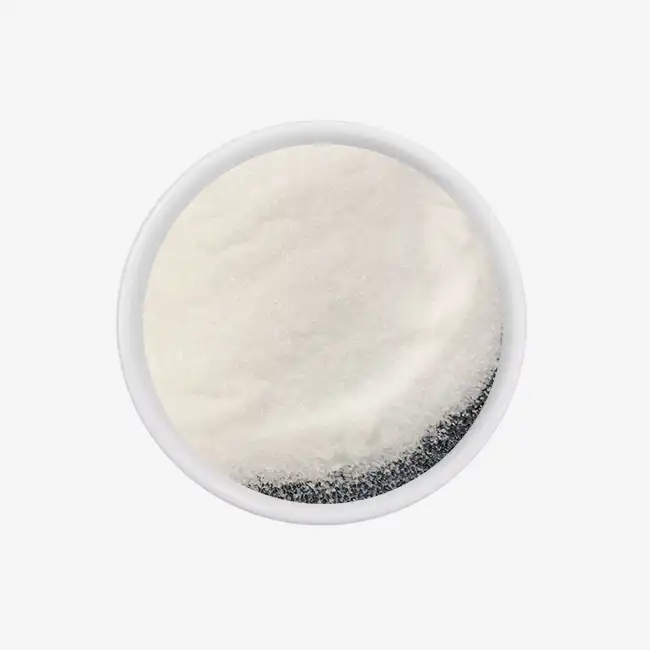
Deicing solid potassium acetate is a white crystalline compound with the molecular formula CH3COOK. It dissolves very easily in water, acids, and alcohols. This material, which has the CAS number 127-08-2 and a molecular weight of 98.14 g/mol, is more than 99% pure when used in professional settings. Its solid structure makes it work the same way in all kinds of weather, and its alkaline pH range (9–11) helps get rid of acidic surface leftovers that speed up material breakdown.
Deicing solid potassium acetate stays granular when kept in dry, well-ventilated warehouses, unlike hygroscopic materials that soak up moisture from the air and cake during storage if they are not properly packed. This stability means that application rates can be predicted, and it's easier for buying teams to keep track of supplies when they are handling seasonal stockpiles.
Ice Melting Mechanism and Performance
When firm flakes touch ice and snow, they start to melt them. An exothermic reaction lets the substance dissolve and release heat. This is a big benefit over endothermic salts, which soak up heat from the surroundings and make melting go more slowly. This process of making heat speeds up the melting of ice, breaking the molecular bonds that hold frozen water to pavement surfaces.
The drop in freezing point is another thing that is happening. The dissolved deicing solid potassium acetate ions stop ice crystals from forming, so the water doesn't freeze again even when the temperature changes. Research shows that it works down to -30°C, which is much lower than rock salt, which loses its usefulness below -9°C. Deicing solid potassium acetate formulations keep airport runways' safe friction coefficients during long cold spells, which cuts down on flight delays and improves operational consistency.
Environmental and Corrosion Benefits
Every year, traditional chloride deicers damage North American infrastructure by speeding up the corrosion of steel reinforcement bars, bridge parts, and vehicle undercarriages, costing about $5 billion. This worry goes away with deicing solid potassium acetate. It protects aluminium metals, carbon brake systems, and cadmium-plated landing gear parts when it is made with rust inhibitors and tested according to SAE AMS 1431 aerospace standards.
The environmental picture is just as convincing. Deicing solid potassium acetate breaks down naturally and doesn't release ammonia or add to eutrophication, which are problems that happen with urea-based deicers. Water treatment plants close to treated roads say that the effects on biological oxygen demand (BOD) are not too bad, and plants next to the application zones don't show any chloride burn or soil salinisation. To stay in line with their stormwater runoff permits, buildings that want to get LEED certification or that work near protected waterways are choosing deicing solid potassium acetate formulations more and more.
Comparison of Potassium Acetate with Alternative Deicing Solutions
Before making a purchase choice, it's important to know how different deicing agents work in the real world. The next study compares deicing solid potassium acetate to popular alternatives in a number of important performance areas.
Performance Across Temperature Ranges
Calcium chloride works up to about -25°C, but it poses serious rusting risks and leaves oily remains that make it harder to walk on. Magnesium chloride works pretty well up to -15°C, but it breaks down concrete when it reacts chemically with cementitious materials. Sodium acetate is good for the environment in the same ways that deicing solid potassium acetate(CAS NO.: 127-08-2) is, but it crystallises at warmer temperatures, which makes it less useful in very cold weather.
Professional-grade deicing solid potassium acetate is different because it can be used in a range of temperatures. Operations in places where it stays cold for a long time profit from reliable performance that makes operating windows longer. When an airport system in the Midwest switched from blended chloride products to deicing solid potassium acetate formulations, weather-related delays dropped by 23%. The change was due to the formulations' steady melting action across a wide range of temperatures.
Environmental Impact and Regulatory Compliance
As more and more cities go over the total maximum daily load (TMDL) standards for chloride in public waters, the Clean Water Act is paying more attention to chloride-based deicers. Several places have put limits on seasonal applications or made treated stormwater detention mandatory, which makes operations more difficult and costs more.
Deicing solid potassium acetate formulations get around these rules set by the government. Because it is biodegradable, treatment plants can deal with runoff using normal biological processes, without having to use any special tools. Comparing deicing solid potassium acetate to chlorides in environmental impact assessments always shows that acetates are 90% less toxic to aquatic life and have almost no effect on soil microbiology. This makes it easier to document environmental compliance and lowers your risk of being sued.
Cost-Effectiveness for Bulk Procurement
Even though deicing solid potassium acetate costs more per unit than rock salt, total cost-of-ownership studies show a different picture. The benefits of preserving infrastructure grow over time as upkeep gaps get longer and repair costs go down. When highway departments keep an eye on pavement state indices, roads that are only treated with deicing solid potassium acetate have 30–40% longer resurfacing cycles. This is because higher material costs are offset by deferred capital expenditures.
Buying things in bulk is another way to help the economy. When procurement managers negotiate yearly supply contracts for 500 to 1,000 tonnes of deicing solid potassium acetate, they can get prices that are within 15 to 20 percent of premium chloride blends and avoid corrosion-related claims and equipment replacement cycles. The product can be stored properly for 12 months, which lets you buy it early in the season when the supplier has space and can offer volume discounts.
Solid Versus Liquid Formulations
Because it is easier to spray, liquid deicing solid potassium acetate is most often used to de-ice aeroplanes. However, solid granular forms are better for ground structures. A 1,000 kg ton-bag takes up one-third the room of the same amount of liquid, which means that storage space can be used more efficiently. Transportation costs go down by the same amount, and application equipment doesn't need to be winterised as much as spray systems do.
Pre-wetting tactics work well with both types. Spreading deicing solid potassium acetate that has already been handled with liquid acetate lowers bounce and spread during high-wind applications. The exothermic reaction starts as soon as the solids touch ice. This mixed method gets the best coverage rates and material use even when the temperature of the pavement and the amount of traffic are changing.
Procurement Guide: Sourcing Bulk Solid Potassium Acetate
To build trusting supply relationships, you need to use more than just price comparisons as evaluation criteria. Whether a supplier partnership helps keep operations running smoothly or adds risk depends on how consistent the quality is, how well it follows the rules, and how reliable the logistics are.
Supplier Qualifications and Certifications
Facilities that make deicing solid potassium acetate should keep their ISO 9001 quality management certification as a basic way to make sure that their process controls and traceability systems work. For businesses that work with airlines, they need to get extra SAE AMS 1431 certification and show that they can stop rust through normal metal immersion testing. Occupational health standards (ISO 45001) and environmental management licenses (ISO 14001) show that a company is committed to using responsible production methods.
While Shanxi Zhaoyi Chemical has these general certifications, they also have specific certifications for making deicing solid potassium acetate that is safe for food and medicine. With this quality infrastructure, we can be sure that every batch of our 150,000-ton-a-year production is the same. We can also track everything from where the raw materials come from to how they are packaged at the end.
Quality Assurance and Testing Protocols
Specification sheets give you a place to start, but proof testing keeps you safe from getting low-quality materials. Important factors to keep in mind are a deicing solid potassium acetate content of at least 98%, chloride levels below 0.2%, and moisture levels below 1% to avoid premature caking. An independent lab test done before the deal is finalised verifies promises and sets performance standards.
Reliable sellers include records of analysis with every shipment to show that the goods meet the agreed-upon standards. Buyers should keep representative samples from delivered lots and have a third party check the quality on a regular basis to make sure it stays high. This care makes sure that recipe drift is found before it hurts performance in the field or damages equipment.
Logistics and Minimum Order Quantities
Supply chain problems for deicing solid potassium acetate are caused by seasonal demand. When suppliers have enough production capacity and strategically place their inventory, deliveries are always on time, even during the busiest times of the year in the winter. For testing purposes, the minimum order quantity is usually one pallet of 25 kg bags. For cost-effective regular supply, it's usually a full truckload of 20 to 25 tonnes.
We have agreements with foreign shipping networks that allow us to send bulk orders across North America within 15 days. During active storm systems, you can choose faster shipping choices. Standard packaging in 25 kg plastic weave bags makes it easier to move by hand, while 1,000 kg ton-bags work well with bigger facilities' automated material handling systems. Custom packaging options meet the unique operating needs of customers who buy from you again and again.
Sample Testing and Supplier Communication
Evaluation samples let you try them in the field under real operating situations before you decide to buy a lot of them. Ask for enough (usually 50–100 kg) to do calibration tests on the spreader, application rate trials, and performance monitoring at different temperatures. Write down the rates of application, the melting speed, the features of the waste, and any problems with equipment compatibility.
Professional suppliers can be told apart from commodity brokers by clear channels of communication. Technical support teams should answer questions about applications, give out material safety data sheets (MSDS), and give advice on how to store and handle materials. Our technical experts at Zhaoyi Chemical work directly with procurement teams to make sure that specs and application methods are best for the infrastructure and weather conditions in each area.
Application Best Practices for Bulk Potassium Acetate in Snow Removal
To get the best return on investment, you need to use the right techniques for the type of infrastructure, the weather, and the traffic patterns. These practices, which are based on proof, improve efficiency while limiting material use.
Optimal Spreading Techniques and Dosage Rates
Deicing solid potassium acetate works best when spread at rates of 50 to 100 grams per square metre, which are based on the thickness of the ice and the temperature of the sidewalk. Over-application waste and under-application gaps can be avoided with mechanical spreaders that are calibrated for even distribution. Using less of it before a storm (an anti-icing strategy) makes a chemical barrier that stops ice bonds from forming and needs 40% less material than reactive deicing of already-formed ice.
Timing has a big effect on how well something works. When you put down deicing solid potassium acetate before it starts to rain, the flakes can get stuck in the snow, putting the acetate where it will bond with the sidewalk. This proactive method keeps the melting process going even during storms, lowering the thick layers of ice that need high application rates and longer melting times.
Infrastructure-Specific Considerations
Because of the risk of foreign object debris (FOD) and the exposure of aircraft parts, airport runways need special rules. The application equipment needs to be able to make even spread patterns without making windrows that pile up material in the wheel paths. Grooved runway surfaces need enough time to sit before they can be mechanically removed. This lets the deicing solid potassium acetate get into the pattern levels where ice builds up and reduces friction.
Because both surfaces lose heat radiantly, highway bridge decks freeze before the pavement next to them. By giving these buildings extra attention during pre-treatment work, ice doesn't form, which would otherwise cause dangerous conditions and traffic jams. Deicing solid potassium acetate doesn't corrode, so it protects post-tensioned concrete and utilities that are buried in the ground while keeping pedestrian entry safe.
Case Study Applications and Measurable Outcomes
A regional airport authority that was in charge of three facilities in different climate zones switched to deicing solid potassium acetate after figuring out that chloride was causing more than $2 million a year in damage to infrastructure. After the changes were made, maintenance records showed that 65% fewer fixes were needed for concrete spalling, 80% fewer lighting system corrosion failures happened, and planes stopped complaining about rubber contamination. The cost of materials went up by 18%, but not having to pay for upkeep saved a net of $1.3 million in the first year of business.
The data from municipal highway offices are similar. One area treated 45 lane-miles of physically weak bridges only with deicing solid potassium acetate formulations. This increased the useful service life by about 8–12 years, saving $27 million in replacement costs while keeping the level of service standards during winter weather events.
Conclusion
Professional snow removal services are becoming more and more aware that the initial costs of materials are only one part of the total costs of deicing. To protect infrastructure, follow environmental rules, and make sure operations run smoothly, you need options that can work in a wide range of temperatures without damaging assets. This balanced performance profile is achieved by bulk deicing solid potassium acetate(CAS NO.: 127-08-2), which has been made with proven chemistry, consistent quality control, and a wide range of uses suitable for airports, roads, and industrial facilities. When procurement teams are looking at their options, they should put the most weight on supplier partnerships that offer technical help, paperwork for regulatory compliance, and reliable logistics during seasonal demand cycles. To switch from chloride-based old products to deicing solid potassium acetate formulations, you have to pay for supplier qualification and application protocol development up front. But documented case studies show that the benefits are great, like longer infrastructure service life and less environmental damage.
FAQ
How quickly does potassium acetate melt ice compared to rock salt?
Due to its exothermic dissolution, deicing solid potassium acetate starts to melt within 5–10 minutes of being applied. For rock salt, it takes 15-20 minutes under the same conditions. As temperatures drop, the speed advantage grows. At -20°C, deicing solid potassium acetate is still melting, but chloride products are getting close to their limits of function. This quick action cuts down on the time that people and cars are exposed, making them safer during storms.
What storage conditions ensure maximum shelf life?
Deicing solid potassium acetate should be kept in warehouses that are controlled by temperature and humidity levels below 65%. Because it is hygroscopic, it absorbs water, which causes it to harden and spread less easily. Store bags on shelves that are raised off the ground and away from walls and chemicals that don't mix, especially strong acids and oxidisers. In the right conditions, unused packaging stays fully effective for 12 months. If longer keeping is needed, performance can be checked again through requalification testing.
Is potassium acetate safe for use near vegetation and waterways?
Formulations with deicing solid potassium acetate are much less harmful to plants than those with chloride. Plants next to treated areas don't seem to be under much stress, and soil flora stays the same at normal application levels. Studies on aquatic toxicity show LC50 values that are many times higher than the amounts found in practical runoff. But responsible use means only applying it to hard areas and not directly dumping it into sensitive water bodies when there are better ways to do it.
Partner with a Trusted Deicing Solid Potassium Acetate Manufacturer
In order to meet operational needs during winter situations, supply partners must be able to consistently produce high quality when it matters the most. Zhaoyi Chemical has been making deicing solid potassium acetate for more than 30 years and can help with professional snow removal in the aviation, highway, and industrial sectors. Our deicing solid potassium acetate is at least 99% pure and fully meets SAE AMS 1431 standards. It is backed by ISO-certified quality systems and has a capacity of 150,000 tonnes per year. You can talk to our procurement experts at sxzy@sxzhaoyi.com about your specific needs, ask for technical data packages, or set up evaluation samples. We offer custom logistics solutions and low bulk prices for businesses that need reliable deicing performance that doesn't harm the environment.
References
1. Transportation Research Board. "Guidelines for the Selection of Snow and Ice Control Materials to Mitigate Environmental Impacts." National Cooperative Highway Research Program Report 577, 2007.
2. Shi, X., Fay, L., Peterson, M.M., and Yang, Z. "Freeze-Thaw Damage and Chemical Change of a Portland Cement Concrete in the Presence of Diluted Deicers." Materials and Structures, Vol. 43, 2010.
3. Society of Automotive Engineers. "Aerospace Material Specification AMS 1431: Compound, Solid Runway and Taxiway Deicing/Anti-icing." SAE International, Warrendale, Pennsylvania, 2018.
4. Fischel, M. "Evaluation of Selected Deicers Based on a Review of the Literature." Colorado Department of Transportation Report CDOT-DTD-R-2001-15, 2001.
5. Environment Canada. "Priority Substances List Assessment Report: Road Salts." Commercial Chemicals Evaluation Branch, Health Canada, 2001.
6. Levelton Engineering Ltd. "Guidelines for the Selection of Snow and Ice Control Materials to Mitigate Environmental Impacts." Report prepared for Transportation Association of Canada, 2013.

USER EVALUATE
Here is the customer's evaluation of us