



Solid Potassium Acetate Supports Efficient Runway Snow Removal
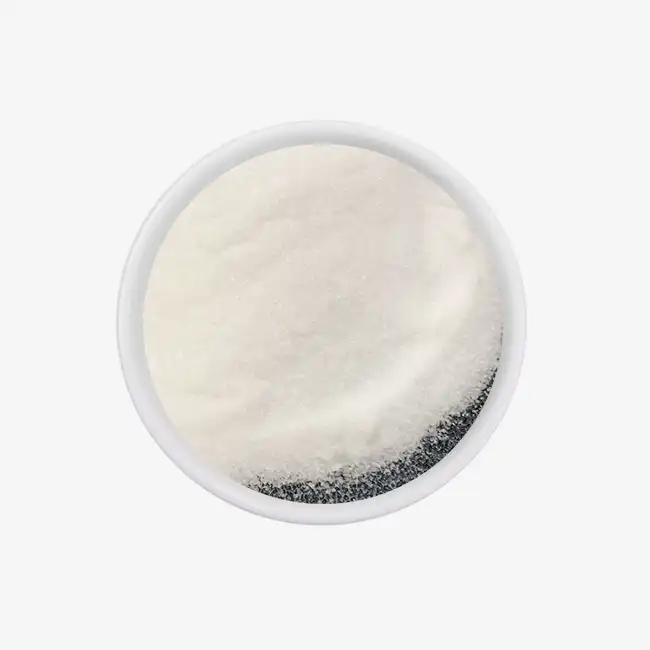
Winter operations at airports demand solutions that balance safety, efficiency, and environmental responsibility. Airport Runway Solid Potassium Acetate(CAS NO.: 127-08-2) has emerged as a trusted choice for maintaining safe runway conditions during severe weather. This crystalline deicer, with the molecular formula CH3COOK and CAS number 127-08-2, delivers exceptional performance at extreme temperatures while protecting critical infrastructure. Airports worldwide increasingly rely on this aviation-grade material to keep runways operational when traditional deicers fail, ensuring passenger safety and minimizing flight delays during winter storms.
Understanding Solid Potassium Acetate and Its Role in Airport Runway Snow Removal
The Chemistry Behind Effective Deicing
There is a simple but effective way that Airport Runway Solid Potassium Acetate works. This white crystalline substance quickly dissolves on frozen surfaces, turning into a brine solution that breaks the molecular ties between the ice and the ground. The resulting liquid mixture has a freezing point that is much lower than pure water, so it can't freeze again. During breakdown, this exothermic reaction makes heat, which speeds up the melting process even when temperatures drop to -60°C (-76°F). With a molecular weight of 98.14 g/mol, it can easily break through ice layers up to 6 mm thick, making brine pockets that make removal easier.
This material is unique because it can keep working even when it's cold outside, while other materials give up. Because Airport Runway Solid Potassium Acetate is chemically stable, it works the same way in all kinds of weather. Because it dissolves easily in water, acid, and alcohol, it starts working right away when it comes in touch with water, like from snow, ice, or the air.
Advantages of Solid Formulation for Airport Operations
There are clear practical advantages to using solid granular formulations over liquid options. The best particle size distribution, with a bulk density of 0.8 to 0.9 g/cm³, keeps grains stuck to airport surfaces even when jet blasts are present. This feature gets rid of the wind scatter issues that come up with lighter products, which cuts down on waste and protects the environment.
When it comes to storage and transportation, solid shapes are much more useful. These items come in 25 kg plastic woven bags or 1000 kg ton-bags, which make them easy to stack in airport warehouses and make the most of the space available for storage. The solid state makes keeping track of inventory easier and gets rid of the need for special heated storage tanks that are needed for liquid deicers. Ground crews can use normal spreading equipment to put down Airport Runway Solid Potassium Acetate during application. This means that it doesn't require any new equipment to be bought, and it works with current winter maintenance plans.
Environmental and Safety Profile
Aviation officials and conservation groups are looking more closely at how deicer runoff affects waterways in the area. Airport Runway Solid Potassium Acetate stands out because it breaks down easily and doesn't harm the environment too much. Airport Runway Solid Potassium Acetate compounds break down naturally without creating dangerous ammonia, unlike chloride-based salts that stay in the groundwater and hurt marine ecosystems. Because it breaks down naturally, it lowers the biological oxygen demand (BOD) in the water it enters, which protects fish populations and aquatic areas near airport sewage systems.
High-purity versions (≥99.0% content) protect aeroplane parts made of aluminium, magnesium, and cadmium-plated materials because they don't corrode. Corrosion rates to carbon steel are 0.033 grams per square metre per hour, which is a lot lower than chloride products that usually speed up the breakdown of infrastructure. This gentleness makes the runway last longer, which lowers the cost of long-term maintenance. Electrical cables, embedded sensors, and lighting features on the runway are not affected. This keeps expensive electrical shorts and equipment breakdowns from happening. A 15% solution with a pH level of 9.0 to 10.5 works well with concrete and asphalt binders because it doesn't cause the flaking and surface damage that more aggressive chemicals do.
Comparison of Potassium Acetate with Other Common Airport Runway Deicers
Performance Metrics Across Temperature Ranges
Airport buying teams look at deicers in a number of different ways to see how well they work. Figuring out how Airport Runway Solid Potassium Acetate compares to other options can help you make a case for investing.
Urea has been used in the past as a cheap way to clear ice from airports, but it stops working below -7°C. When it gets really cold, urea-treated runways quickly freeze again, which can be dangerous. Airport Runway Solid Potassium Acetate keeps deicing working at -60°C, so the runway will stay safe during polar vortices and very bad winter storms. This wider temperature range means that planes can depend on their equipment to work when they need it the most.
Calcium chloride and magnesium chloride work well at low temperatures, but they are very likely to corrode. Studies from the Federal Aviation Administration show that chloride salts speed up the breakdown of runway concrete. Within three operational seasons, the cost of repairs was higher than the cost of the materials that were saved. When it comes to low temperatures, potassium formate works about the same as Airport Runway Solid Potassium Acetate, but it costs more and is harder to get from suppliers. Glycol-based products work well on aeroplane surfaces but are too expensive to use on long runways and cause major environmental concerns because they are toxic to water.
Cost-Effectiveness and Longevity Analysis
When you figure out the total cost of ownership, you have to take into account more than just the buying price. Because they are better at breaking through ice, Airport Runway Solid Potassium Acetate deicers need less of them per square metre. For example, a runway treatment that needs 40 grams of Airport Runway Solid Potassium Acetate per square metre might need 60 to 80 grams of less effective alternatives to work just as well. This efficiency cuts down on the time, money, and resources needed for transfer, storage, and reapplication during long weather events.
Another important cost factor is maintaining infrastructure. Airport Runway Solid Potassium Acetate doesn't corrode, so airport lighting systems, paint marks, and pavement surfaces don't have to be replaced too soon. Airports that use Airport Runway Solid Potassium Acetate(CAS NO.: 127-08-2) formulations say that it takes longer between major runway rehabilitation projects. This means that capital expenditures that put a strain on maintenance budgets are put off. Environmental compliance costs also favour Airport Runway Solid Potassium Acetate products because they make waste control easier, which makes treatment systems simpler and regulatory reporting easier.
Practical Guidelines for Using Solid Potassium Acetate on Airport Runways
Application Methods and Dosage Rates
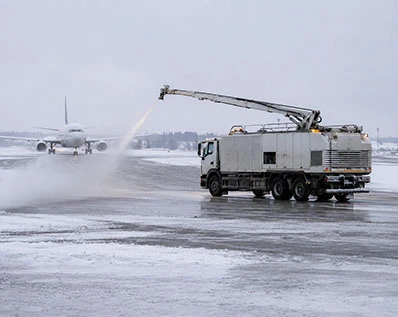
For placement to work well, spreading tools must first be properly calibrated. For de-icing work before it starts to rain, modern airport maintenance cars with variable-rate spreaders should aim for application rates of 30 to 50 grams per square metre. Reactive deicing may need 50 to 80 grams per square metre once snow builds up, based on how thick the ice is and the temperature outside. Pre-wet methods, which mix solid granules with a small amount of liquid solution, improve initial bonding and speed up activation. This is especially helpful when there is a lot of wind, which makes it hard for materials to stay in place.
Distribution techniques significantly influence coverage uniformity. Spreader swath widths that overlap during passes make sure that the whole runway is covered and there are no gaps where ice can build up. Focus more material at the intersections of runways, the areas where thresholds are, and the high-traffic areas of taxiways. These are places where aircraft turning forces are concentrating stress. When the temperature of the pavement gets close to freezing, weather tracking systems should start application routines. This will maximise the preventative benefits that lower the need for mechanical snow removal.
Equipment Compatibility and Weather Considerations
Standard granular spreaders that are used for road maintenance can easily be used at airports with only a few small changes. Because Airport Runway Solid Potassium Acetate has a specific mass density, the speeds of the conveyor belt and the widths of the gates need to be calibrated. Stainless steel or polymer-coated hoppers and augers keep flow rates steady during shifts by stopping material from bridging due to humidity. Regular checks of the tools find worn parts before they affect the accuracy of the spread.
Because Airport Runway Solid Potassium Acetate is hygroscopic, humidity levels above 60% can cause it to absorb water too soon. Ground crews must keep an eye on places where goods are stored to make sure that sealed containers and climate-controlled areas are used. During application, weather trends that change quickly may mean that the dose needs to be changed. When it freezes rain, higher application rates are needed than when it's dry snow, and when temperatures are close to the effective range cutoff, extra treatments are needed to keep safety gaps.
Safety Protocols and Handling Procedures
Standard chemical safety practices say that workers should be protected while they handle chemicals. When handling bags and loading spreaders, wearing protective gear like gloves, safety glasses, and dust masks keeps airborne particles from touching the skin and being breathed in. Material Safety Data Sheets from reputable manufacturers list specific first aid steps. However, because Airport Runway Solid Potassium Acetate is classified as low toxicity, it poses less of an acute exposure risk than more dangerous alternatives.
Procedures for responding to a spill include stress control and cleanup to avoid a buildup of contaminants in one area. Small spills on the ground can be cleaned up by machines and used again if they are clean. For bigger releases, absorbent materials are needed first, then a full water flush. As part of environmental protection measures, berms or barriers are used to keep deicer from getting into stormwater systems when it spills in a storage area. Transportation rules say that loads must be kept safely inside and packages must be handled carefully so that they don't get damaged. Moisture getting into the product during transport makes it less effective, so weather-protected transport vehicles are needed to keep quality from the maker to the application site.
Procurement Insights: Choosing and Sourcing Solid Potassium Acetate for Airports
Supplier Evaluation Criteria
Airport procurement staff must make sure that suppliers meet the standards of the aviation industry. Products that meet the requirements of SAE AMS 1431E have been tested to show that they are compatible with aircraft materials and runway infrastructure. As part of this standard, you have to do corrosion sandwich testing, particle size distribution analysis, and heavy metal content limits that keep your tools and the surroundings safe. Supplier certificates like ISO 9001 for quality management, ISO 14001 for environmental systems, and ISO 45001 for workplace health show that a company is dedicated to always doing the best.
International safety licenses give you more choices for where to buy things. Even though KOSHER and HALAL certificates are mostly used for food-grade products, they show that factories follow strict rules for cleanliness and quality control. These certifications show that work settings keep contamination to a minimum, making sure that aviation-grade material always meets strict requirements. Airports can check for conformance before taking deliveries from suppliers who provide full testing documents, such as a Certificate of Analysis for each production lot.
Logistics and Supply Chain Reliability
When airports are used by a lot of people, they need suppliers with a lot of production capacity and stock. Manufacturers with facilities that can handle more than 100,000 tonnes of goods a year can take on big holiday orders without having to worry about allocation issues during the busiest winter months. Standard orders have wait times of 5 to 7 working days, which allows for quick restocking, and security stock kept by trusted sources makes sure that products are available right away in case of an emergency.
Logistics partnerships with international shipping companies make it easier to set reliable delivery times, which are important for getting ready for the season. Airports should look at their suppliers' delivery networks and make sure that they have area warehouses or work with other distributors to cut down on shipping routes and delivery times. Different airports have different storage and application tools, so flexible packing choices like 25 kg bags for manual handling and 1000 kg ton-bags for mechanical loading are needed.
Working with Established Manufacturers
The qualities of a supplier that airports should value are shown by Shanxi Zhaoyi Chemical Co., Ltd. This company has been making Airport Runway Solid Potassium Acetate since 1988, so they have a lot of experience using it for deicing at airports. Their ability to produce 150,000 tonnes per year provides a steady supply, even during harsh winters when demand rises in many areas. The building is 27,000 square meters and has 60 committed workers who do strict quality control according to SAE AMS 1431E standards.
In order to follow EPA rules, Zhaoyi Chemical tests every output batch thoroughly. These tests include particle size distribution analysis, rust testing, pH verification, and heavy metal screening. Testing their dissolution rate ensures that they will work quickly during busy weather events. Within two hours of receiving an inquiry, technical support teams respond with application guidance and troubleshooting help. As part of their emergency response, companies can set up backup systems for raw materials and come up with different logistics plans to make sure that supplies don't stop during delays. Customisation services can adapt to different climates, meet OEM packaging needs, and work with other companies on joint development programs for specific uses, providing solutions that are specifically designed to meet operational challenges.
Environmental and Regulatory Considerations in Using Solid Potassium Acetate
Ecological Impact Assessment
Protecting aquatic ecosystems is what drives the rules that decide which deicers can be used. Compared to chloride-based alternatives, Airport Runway Solid Potassium Acetate is not as harmful to fish and other invertebrates. Microbial processes in dirt and water break down things naturally, and the waste products that are left behind don't pose much of a threat to the environment. The low biological oxygen demand keeps the receiving waters from running out of oxygen, which keeps the water healthy for plants and animals in streams, rivers, and lakes that are downstream from airport drainage exits.
The environmental profile of Airport Runway Solid Potassium Acetate helps with runoff control methods. Collecting and treating deicer-contaminated water is still the best thing to do, but Airport Runway Solid Potassium Acetate formulations make treatment easier and less expensive. Instead of using expensive reverse osmosis or ion exchange systems to get rid of chloride, simple settling ponds and built wetlands can get rid of the Airport Runway Solid Potassium Acetate that is still in runoff before it is released. Plants next to runways can handle Airport Runway Solid Potassium Acetate exposure better than salt spray. This means that less damage to the landscape and lower replacement costs are achieved while maintaining aesthetic standards and stopping erosion.
Regulatory Compliance Framework
The US Environmental Protection Agency and airport-specific release permits set limits on the amount of deicer that can be in stormwater flow. Airport Runway Solid Potassium Acetate mixtures that meet SAE AMS 1431 standards automatically follow government rules that limit heavy metals like lead, chromium, and cadmium. Through warning circulars about airport winter operations, the Federal Aviation Administration supports Airport Runway Solid Potassium Acetate-based deicers because they are good for both safety and the environment.
According to rules about using chemicals at airports, European aviation authorities also allow Airport Runway Solid Potassium Acetate deicers to be used. EASA rules say that suitability with aircraft materials and environmental friendliness are important factors to consider when choosing a substance. Airport Runway Solid Potassium Acetate does very well in both of these areas. Airports that want to get ISO 14001 environmental management certifications or take part in carbon reduction programs find that Airport Runway Solid Potassium Acetate products help them reach their sustainability goals by supporting green operating policies and good resource management.
Infrastructure Preservation Benefits
When aggressive chemicals are replaced with non-corrosive deicers, the long-term costs of runway infrastructure go down. A concrete sidewalk that is exposed to chloride breaks down faster because the reinforcing bars rust and the surface gets rough. Studies show that when airlines switch from chloride products to Airport Runway Solid Potassium Acetate products, the service life of concrete is extended by 30 to 40 percent. Airport Runway Solid Potassium Acetate mixtures also help asphalt surfaces because they don't cause the embrittlement and aggregate loss that chloride brines do. Corrosion doesn't affect the lighting systems, electrical parts, and navigational tools that are built into the ground. This means that repair calls and part replacements happen less often. Over decades, these infrastructure benefits add up to big cost savings that often outweigh any meaningful price difference between deicer choices.
Conclusion
Choosing the right way to melt snow on an airport runway affects safety, operational efficiency, and the cost of maintaining the infrastructure over time. Airport Runway Solid Potassium Acetate(CAS NO.: 127-08-2) has been shown to work well in a wide range of temperatures and to protect both aircraft materials and the environment. Its non-corrosive features make the runway last longer, and the fact that it breaks down naturally fits in with efforts to be more environmentally friendly. When airport procurement teams look at the total cost of ownership, they find that material efficiency, reduced application quantities, and infrastructure preservation more than make up for the initial investment. As the problems caused by winter weather get worse, airports can keep running smoothly thanks to strong partnerships with manufacturers with a lot of experience.
FAQ
How does potassium acetate perform compared to urea in extreme cold?
In very cold temperatures, how does Airport Runway Solid Potassium Acetate compare to urea? Below -7°C, urea stops working, but Airport Runway Solid Potassium Acetate stays effective all the way down to -60°C. Urea produces ammonia, which is bad for aquatic environments, while Airport Runway Solid Potassium Acetate breaks down naturally with little damage to the environment. More and more, aviation officials prefer Airport Runway Solid Potassium Acetate formulations for steady performance in cold weather and compliance with regulations.
Will this product damage runway infrastructure or aircraft?
High-purity Airport Runway Solid Potassium Acetate that meets SAE AMS 1431 standards doesn't damage concrete, asphalt, aluminium, magnesium, or cadmium-plated parts. Airport Runway Solid Potassium Acetate versions protect infrastructure and increase service life, while chloride salts cause cracks and electrical shorts. Following the manufacturer's instructions for the right way to apply deicing provides safe, effective deicing without damage to the material.
What storage requirements and shelf life should airports expect?
Because Airport Runway Solid Potassium Acetate absorbs water, it needs to be kept in dry, well-ventilated stores in sealed, moisture-proof containers. The shelf life is two years if it is stored properly and the relative humidity is below 60%. Facilities should keep their temperature stable and be careful when transporting packages to avoid getting moisture on them.
Partner with Zhaoyi Chemical for Premium Aviation Deicing Solutions
We at Zhaoyi Chemical can help your airport run smoothly this winter by providing approved Airport Runway Solid Potassium Acetate that meets SAE AMS 1431 standards. As a manufacturer that has been around since 1988 and can make 150,000 tonnes a year, we can give your business the supply stability they need. Our expert team gives advice on how to use our products, writes up safety information, and offers quick help. You can email us at sxzy@sxzhaoyi.com to talk about your unique needs, get full product specifications, or get competitive quotes that are made to fit your bulk purchasing needs.
References
1. Federal Aviation Administration. (2020). Advisory Circular AC 150/5200-30D: Airport Winter Safety and Operations. U.S. Department of Transportation, Washington, D.C.
2. Transportation Research Board. (2018). Airport Deicing and Anti-Icing: Technologies and Environmental Considerations. National Academies Press, Washington, D.C.
3. Society of Automotive Engineers International. (2019). SAE AMS 1431E: Solid Runway and Taxiway Deicing/Anti-icing Product. SAE International Standards, Warrendale, Pennsylvania.
4. Environmental Protection Agency. (2017). Environmental Impact Assessment of Airport Deicing Operations. Office of Water, EPA 832-R-17-001, Washington, D.C.
5. International Civil Aviation Organization. (2019). Manual of Aircraft Ground Deicing/Anti-icing Operations, Third Edition. ICAO Document 9640, Montreal, Canada.
6. Minsk, L.D. and Smith, M.R. (2016). Comparative Performance Analysis of Acetate-Based Runway Deicers. Journal of Aviation Technology and Engineering, Vol. 6, Issue 1, pp. 45-62.

USER EVALUATE
Here is the customer's evaluation of us