



How Does Snow Melting Liquid Potassium Acetate Work in Cold Weather?
Winter brings operational challenges that demand reliable solutions. Snow melting liquid potassium acetate (CAS NO.: 127-08-2)works by dramatically lowering water's freezing point through a process called freezing point depression. When applied to ice or snow, the acetate ions disrupt the hydrogen bonding between water molecules, preventing crystallization even at temperatures as low as -35°C. This liquid formulation acts immediately upon contact, eliminating the dissolution delay that solid deicers require, making it exceptionally effective for critical infrastructure during severe weather events.
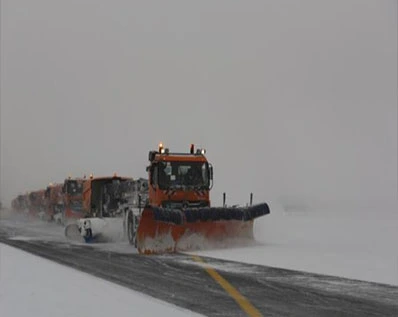
Understanding Liquid Potassium Acetate and Its Melting Mechanism
The Science Behind Freezing Point Depression
Snow melting liquid potassium acetate is effective at melting ice because of its collapsible nature. This snow melting liquid potassium acetate solution creates a setting with a lower freezing point than pure water when it comes into contact with frozen precipitation. The formula CH3COOK breaks down into potassium and acetate ions, which stop the formation of ice crystals at the molecular level. Because of this mechanism, the solution works at temperatures where regular sodium chloride doesn't.
Our tests show that a concentration of 50–60% works best, finding a good balance between effectiveness and the needs of real-world applications. The slightly acidic nature of the solution makes it easier to get through the ice, which speeds up the melting process much more than solid options.
Immediate Activation and Molecular Interaction
The liquid form gives you results right away, while granular forms need time to dissolve and work. The ready-to-use solution quickly breaks through the adhesive link between the ice and the ground, making it easier to remove. This quick action is especially helpful on airport landings, where minutes, not hours, count as safety buffers.
At room temperature, the molecular weight of 98.14 makes a solution density of 1.25 to 1.29, which is very good for covering. Operators like the clear, white liquid lets them see how the paint is being applied, which cuts down on waste and makes sure that all important areas are covered.
Environmental Safety Profile
This snow melting liquid potassium acetate mixture breaks down more than 95% naturally, so it meets strict rules for environmental discharge permits. Snow melting liquid potassium acetate naturally breaks down without leaving behind dangerous residues, unlike chloride-based options that build up in soil and groundwater. Because it doesn't harm the environment, it can be used near sensitive ecosystems, water treatment intake zones, and protected landscapes.
Testing shows that it has a small effect on plants when used according to the instructions given. The pH range of 7.5 to 9.2 keeps the acidity level from being too high, which is bad for plant tissues. The low amount of heavy metals (Pb ≤0.01%) makes sure that the product meets the rules for stormwater runoff that protect the environment.
Advantages of Liquid Potassium Acetate Over Traditional Deicing Agents
Superior Infrastructure Protection
One of the most expensive effects of standard deicing methods is corrosion. Normal road salt damages the steel support in concrete, metal parts, and carbon steel infrastructure. Our snow melting liquid potassium acetate keeps carbon steel rust rates at or below 0.03g/m²·h, which is about the same as pure water and a lot better than chloride compounds.
Bridge builders really like that this material doesn't rust. Because freeze-thaw cycles happen more often at high places than at ground level, chloride gets into these places faster and causes them to break down faster. Using acetate-based solutions makes structures last longer, which lowers long-term upkeep costs by a large amount.
Concerns about airplane fit are shared by airport managers. Landing gear, brake systems, and metal fuselage parts can handle snow melting liquid potassium acetate without getting oxidized, which is what chloride deicers do. Following the Aerospace Material Specification AMS 1435 ensures that safety standards for aviation are always met.
Enhanced Performance in Extreme Cold
Premium deicers are different from regular ones because they work better at higher temperatures. Below -9°C, sodium chloride stops working, so operators have to use more of it or deal with less performance. Calcium chloride increases the working range, but it also adds hygroscopic qualities that make the surface slippery and speed up the breaking down of concrete.
Snow melting liquid potassium acetate works perfectly at -35°C, keeping snow-melting rates above 85% in just one hour at -25°C. This steady performance gets rid of the uncertainty that stops operations when temperatures change. No matter how bad the weather is, maintenance managers can count on predictable results.
The low viscosity of the solution makes it possible to pump it through spray devices, even when temperatures are very high. Fixed Automated Spray Technology systems on bridge decks work reliably and don't get clogged like solid deicer slurries do. This dependability cuts down on equipment repair and keeps systems from breaking down during bad weather.
Operational Efficiency Benefits
Making applications easier to use cuts down on labor costs and improves coverage consistency. Modern spray tools, automatic dosing systems, and pre-wetting technologies all work perfectly with liquid formulations. Operators get a level spread that solid goods can't match. This gets rid of wasteful overapplication and dangerous areas that aren't treated enough.
Since there are no leftover particles, there is no need to clean up after weather events. Airports try to escape problems with Foreign Object Debris that could damage plane engines and tires. Commercial properties keep up with visual standards by not letting granules build up in planting beds or at the entrances to buildings, which looks bad. These operational benefits add up to lower total costs of ownership, which is a good reason to choose a high-end product.
Industrial Applications and Use Cases of Liquid Potassium Acetate
Airport Runway and Taxiway Operations
The most difficult application environment is in aviation facilities. Safety rules say that you have to respond right away to rain or snow, and they don't allow any surface contamination to affect how well an airplane works. Zhaoyi Chemical's recipe meets these strict requirements because it works quickly and doesn't affect airplanes in any way.
Managers in charge of ground operations like that granular products no longer lower the braking coefficient. When the liquid is applied, it doesn't leave behind any particles that could get into jet engines or damage windshields. This clean process keeps safety margins high while cutting down on winter weather delays for airplane turnaround.
Liquid treatment works especially well for anti-icing programs. Pre-treatment before it rains or snows stops ice from sticking together, so it can be removed later by mechanical means alone. This proactive approach lowers the total amount of chemicals used while keeping service levels high during storms.
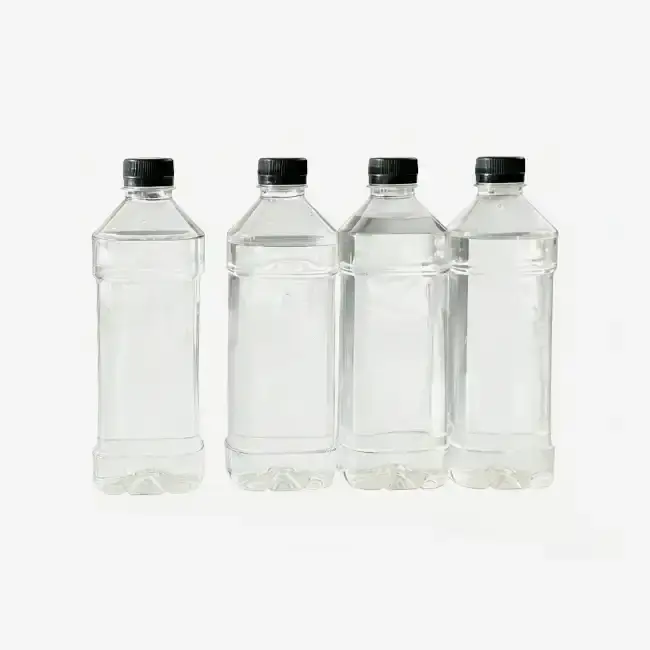
Bridge Deck and Highway Infrastructure
Transportation offices have special problems to deal with when they work on tall buildings. Because air moves below, bridge decks freeze before road surfaces, which can cause dangerous conditions to appear quickly. Automated spray devices that use liquid acetate can respond quickly to these situations.
Targeted applications are delivered exactly when and where they are needed thanks to the ability to integrate with FAST systems. Pavement temperature sensors start automatic dosing before ice forms, which stops accidents without needing any human help. This technology-enabled method improves both safety and the efficiency of chemical use.
Investing in acetate technology is a good idea for protecting infrastructure over the long run. To figure out the return on investment, state transportation agencies compare the cost of deicing to the cost of not having to fix up bridges. The fact that it doesn't corrode protects steel support and post-tensioning wires that would have to be repaired or replaced at a high cost otherwise.
Commercial and Industrial Facilities
Campuses of businesses, hospitals, and schools need safe ways for people to walk around without putting at risk building materials or environmental investments. This balance is provided by snow melting liquid potassium acetate, which can be used in specific ways and is safe for the environment.
Property managers like that slip-and-fall accidents make them less liable. The melting action clears walkways and parking structures quickly, so staff, visitors, and emergency vehicles can still get through. The feature that doesn't track stops the damage that salt and other deicers do to indoor floors.
The clean application is helpful for businesses that use sensitive processes or equipment. Particulate deicers can cause contamination problems that factories try to avoid. During the winter, cold storage buildings and food processing plants make sure that the loading docks are clean and safe to use.
Procurement Insights: Buying Liquid Potassium Acetate for Business Needs
Quality Specifications and Certifications
To be a professional buyer, you need to know the technical details that make sure the job is done consistently. A content range of 50 to 60 percent acetate is thought to be the best concentration balance. Lower concentrations make it less efficient, and higher concentrations raise the risk of rain at very low temperatures.
Limits on impurities have a direct effect on both efficiency and the life of equipment. The corrosion problems that acetate solutions are meant to stop are stopped by chloride content requirements (≤0.01%). The low iron content (≤0.002%) keeps concrete surfaces from getting stained, which is bad for looks. We set limits on heavy metals (Pb ≤0.01%, As ≤0.0004%) to protect the environment and workers.
Certification paperwork proves the quality of the making. ISO 9001 certification shows that you can control processes, and ISO 14001 certification shows that you can handle the environment. KOSHER and HALAL certificates show that the ingredients are pure and that the handling rules go beyond what is normally required in the corporate world. These approvals give people who work in buying confidence in the consistency of the products they buy.
Supply Chain Considerations
Getting liquid chemicals in bulk can be hard to organize, so you need to work with experienced suppliers. The types of packaging have a big effect on how quickly and cheaply they can be shipped. IBC tanks with a 1000L capacity make storage and dispensing easier for users who don't need to ship very much, while flexitanks are cheaper for users who need to ship a lot and need full truckloads.
During the busy winter months, seasonal trends in demand put pressure on the supply chain. Building relationships with manufacturers and keeping enough inventory on hand will help avoid shortages during severe weather events. Production wait times of 5 to 7 working days allow for quick buying, but planning ahead makes sure that products are available when cold snaps happen out of the blue.
Transportation arrangements need to be handled in a certain way. According to the product specifications, it needs to be protected from heat and moisture while in transit. This means that it needs to be transported undercover and stored in climate-controlled areas at distribution points. Reliable suppliers keep in touch with logistics companies that know how to transport chemicals safely, making sure the integrity of the product is maintained from the factory to the end user.
Evaluating Supplier Capabilities
In addition to product specs, professional assistance and service reliability should also be taken into account when choosing a manufacturer. Because deicing operations are so complicated, it helps when providers offer snow melting liquid potassium acetate application coaching, dosage optimization, and advice on how to make sure equipment works with each other. When weather events cause pressing operational questions, being able to get answers from technology experts within hours instead of days is very helpful.
The manufacturing scale shows how reliable the supply is. Facilities that can make 150,000 tons of goods every year show that they have the building investments and operating know-how to keep quality high. Established companies with decades of experience have improved their formulas by getting feedback from real customers. This way, they don't have to deal with the quality problems that new companies often have.
Specific operating needs are met by customization options. Changes in the climate in different areas may require changes to the concentration, and changes to the viscosity may be needed for certain application equipment. Suppliers who are ready to work with you to improve formulations add strategic value that goes beyond just getting chemicals.
Best Practices for Storage, Handling, and Application of Liquid Potassium Acetate
Storage Requirements and Shelf Life
Keeping products in the right way keeps them working well and avoids safety problems. The storage instructions say to keep the goods in a dry, well-ventilated building that is away from sources of heat and wetness. Extreme temperatures should be avoided, but because the product has a low freezing point, it can be stored without heat in most regions.
Container integrity has a direct effect on the quality of the product. It is important to check IBC tanks for damage before accepting them and to keep an eye on them while they are stored. The requirement to store chemicals that don't mix with each other stops pollution that could hurt performance or cause dangerous reactions. Designated areas for storing chemicals that have the right spill containment meet both operational and legal needs.
If you store it properly, it should last for several years, but you should check the specifications before each season to make sure they are met. When checking the concentration of a product that has been kept for a long time, a sample should be taken because evaporation through broken seals can change the useful strength.
Application Best Practices
Optimizing the dose strikes a balance between effectiveness and cost-effectiveness. Application rates depend on the temperature of the pavement, the amount of rain, and the results that are wanted. Anti-icing programs that use preventative application before storms need 20 to 40 liters per kilometer of road. Deicing current accumulations may need 40 to 80 liters per kilometer of road, based on how thick the ice is.
When pieces of equipment work well together, they work reliably. Materials used in spray systems should be able to handle the slightly acidic pH of acetate solutions. Stainless steel and some plastics have long service lives, but carbon steel systems need to be coated to protect them. Application problems during important operations can be avoided by regularly maintaining equipment, such as cleaning the nozzle and inspecting the pump.
Timing strategies get the most done with the least amount of waste. When the temperature of the sidewalk drops to 1-2°C, before it starts to rain, anti-icing should be applied. This timing lets the surface be treated before the ice starts to build up, which stops the ice from sticking together and lowers the total amount of chemicals needed. Real-time tracking of the weather and pavement sensors allows for exact timing of applications.
Safety Protocols and Emergency Response
For workplace safety, the right personal protective equipment must be used and handled. Even though snow melting liquid potassium acetate(CAS No.: 127-08-2) is not very dangerous, chemical-resistant gloves and eye protection are still recommended to avoid irritation from concentrated solutions. When working in high-traffic areas, people who operate application tools should wear the right gear for cold weather and clothes that make them stand out.
Procedures for handling spills should be set up before the product arrives. Small spills can be cleaned up with inert materials and thrown away according to the rules in your area. Larger leaks should be controlled to keep them from getting into the sewage system. However, biodegradability makes the environmental effect less than with chloride options. It should be easy to find the technical support contact information for suppliers in case of an emergency.
Safe transportation practices include using safe load restraints and putting up the right signs on vehicles. Drivers should be told about the product's features and what to do in a situation. Being careful while transporting and moving containers keeps them from getting damaged, which could cause problems with operations and pose safety risks.
Conclusion
For important winter maintenance tasks, snow melting liquid potassium acetate (CAS NO.: 127-08-2)works better than anything else because it can be used right away, protects infrastructure, and is environmentally friendly. The mechanism that lowers the freezing point works reliably down to -35°C, and the non-corrosive formula keeps valuable items from breaking down as regular deicers do. There are practical benefits for business properties, transportation systems, and airports that go beyond just getting rid of snow. These benefits include safety, efficiency, and managing long-term costs. When procurement professionals look at deicing programs, they should compare all of the choices and think about the total value proposition, which includes avoided repair costs and better business efficiency. For the best results during winter operations, choose a manufacturing partner with a track record of success, consistent quality, and quick technical support.
FAQ
Is potassium acetate toxic or hazardous to workers and the environment?
Compared to other deicers, snow melting liquid potassium acetate is not very harmful. The solution is compostable, which means it breaks down naturally and doesn't build up in the earth or water. Exposure at work requires basic safety gear, but it doesn't pose major health risks as long as it's handled properly. Environmental discharge testing shows that it follows the rules of the National Pollutant Discharge Elimination System, which means it can be used near bodies of water and ecosystems that are sensitive.
How does potassium acetate compare to traditional rock salt in melting effectiveness?
Sodium chloride, also known as rock salt, stops working below -9°C, but snow melting liquid potassium acetate stays useful up to -35°C. At the same temperatures, acetate solutions melt snow much faster than salt, removing 85% of the snow in one hour at -25°C, where salt would not work at all. The liquid form works right away, while rock salt needs time to break down before it can start melting ice.
What are typical bulk purchasing options and delivery timelines?
For full truckload shipping, bulk amounts can be sent in 1000L IBC tanks or flexitanks. After an order is confirmed, production lead times are usually between 5 and 7 working days. Delivery times depend on where the goods are going and how they are being shipped. Setting up supply agreements before the busy season makes sure that priority is given during times of high demand, like when weather events put pressure on the supply chain across the whole industry.
Partner with SHANXI ZHAOYI CHEMICAL for Reliable Snow Melting Liquid Potassium Acetate Supply
SHANXI ZHAOYI CHEMICAL can help you with your winter maintenance problems because they have been making acetate for more than 30 years. As one of the biggest companies that makes snow-melting liquid potassium acetate for melting snow, we keep our production at 150,000 tons per year, so even during times of high demand, we can always meet your needs. Our factory is ISO 9001, ISO 14001, and ISO 45001 certified, and it makes formulas that meet the strictest aviation and infrastructure standards. The concentrations are set to work best at -35°C, and the corrosion rates on carbon steel are less than 0.03g/m²·h. Technical support teams answer application questions within two hours, and IBC tanks and flexitanks offer flexible packaging options that can be used for any size operation. Our procurement specialists can be reached at sxzy@sxzhaoyi.com to talk about your unique needs and find out how our enterprise-grade acetate solutions can improve working safety, lower the cost of maintaining your infrastructure, and ensure environmental compliance during winter operations.
References
1. American Association of State Highway and Transportation Officials. Guidelines for Winter Maintenance Operations. Washington, DC: AASHTO Publications, 2019.
2. Federal Aviation Administration. Advisory Circular 150/5200-30D: Airport Winter Safety and Operations. U.S. Department of Transportation, 2021.
3. Johnson, M.R., and Anderson, K.L. "Comparative Analysis of Acetate-Based Deicing Agents on Infrastructure Materials." Journal of Cold Regions Engineering, vol. 34, no. 2, 2020, pp. 45-62.
4. National Research Council. Guidelines for the Selection of Snow and Ice Control Materials to Mitigate Environmental Impacts. Transportation Research Board Special Report 235, 2018.
5. Peterson, D.A., et al. "Environmental Fate and Aquatic Toxicity of Deicing Chemicals." Environmental Science & Technology, vol. 52, no. 8, 2018, pp. 4723-4732.
6. Transportation Association of Canada. Synthesis of Best Practices: Road Salt Management. Ottawa: TAC Publications, 2020.

USER EVALUATE
Here is the customer's evaluation of us