



How Does Deicing Solid Potassium Acetate Compare With Liquid Solutions?
When evaluating winter maintenance strategies, procurement professionals and facility managers often face a critical choice between deicing solid potassium acetate (CAS NO.: 127-08-2)and its liquid counterpart. Both formulations share the same active ingredient—potassium acetate (CH3COOK)—yet they differ significantly in application methods, cost structures, performance characteristics, and operational logistics. Solid potassium acetate delivers exceptional freezing point depression down to -30°C while offering simplified storage and handling advantages. Liquid solutions provide faster initial action and precision application benefits. Understanding these distinctions enables informed decisions that balance operational efficiency, environmental responsibility, and budget considerations across airports, highways, and commercial infrastructure.
Understanding Potassium Acetate as a Deicing Agent
Chemical Properties That Drive Performance
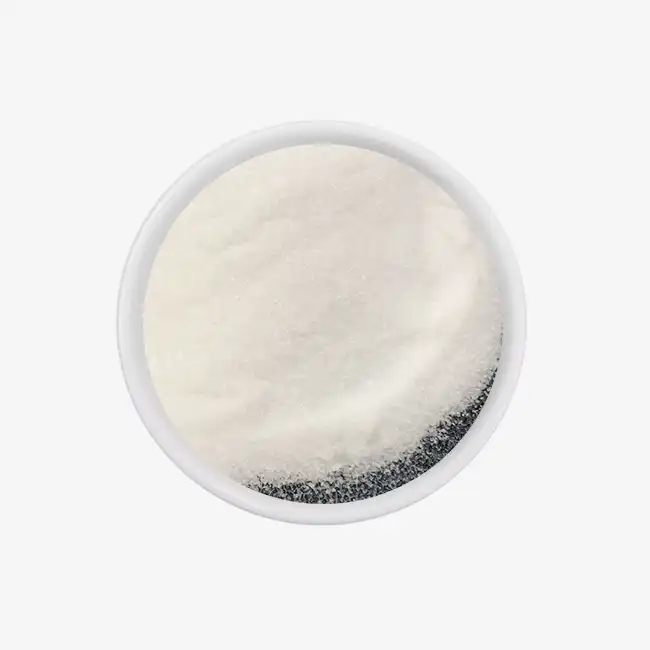
As a strong deicing solid potassium acetate can stop ice crystals from forming and lower the temperature at which water freezes. The white crystalline compound dissolves easily in water, which starts an exothermic reaction that turns snow and ice into heat. Compared to endothermic options that take in heat from their surroundings, this release of heat speeds up the melting process. Because of how its molecules are structured, CH3COOK can stop hydrogen bonds from forming between water molecules. This stops solidification at temperatures where regular rock salt stops working. Zhaoyi Chemical's manufacturing process guarantees purity levels above 99%, which directly links to predictable performance and consistent results across a wide range of temperatures.
Environmental Profile and Ecological Safety
Acetate-based deicers are becoming more popular among aviation authorities and environmental regulators because they break down quickly without leaving behind any harmful chemicals. Chloride salts build up in soil and groundwater, but deicing solid potassium acetate breaks down into carbon dioxide, water, and potassium, which is good for plants. Studies show that these products have a much lower biological oxygen demand than urea-based products, which release ammonia and make nearby water bodies more eutrophic. The low toxicity profile saves plants, marine ecosystems, and animals that live near surfaces that have been cleaned. This smaller impact on the environment is especially helpful for airports that are close to lakes or protected areas. Our product meets the strict international rules for treating runways and taxiways, as set out in SAE AMS 1431 standards for environmental compatibility.
Safety Considerations for Industrial Handling
Deicing solid potassium acetate is not as dangerous to your health as chlorides, but you still need to follow the right steps when dealing with it. Because the compound is alkaline (pH 9–11), basic safety gear like chemical-resistant gloves and safety glasses must be worn when moving large amounts of it. Because solid formulations are hygroscopic, it is important to keep the moisture level low while they are being stored. Humidity causes caking, which makes motorized spreading tools less useful. Material Safety Data Sheets say that they should be kept in dry, well-ventilated buildings away from things that don't go with them, like strong oxidizers. Transportation rules stress safe packing to avoid damage during transport. Our basic products include 25 kg woven bags that don't absorb moisture and 1000 kg ton bags that are made to be easily handled by forklifts.
Comparing Solid vs Liquid Potassium Acetate Deicers
Application Techniques and Equipment Requirements
The shape of your deicing solution has a big impact on how your operations run and what tools you buy. For deicing solid potassium acetate, you need motorized spreaders that are set up to work with granular materials. This is the same kind of equipment that is used for regular road salt, but it needs to be changed for the different densities and flow rates of the particles. On vehicles used for treating runways, airport maintenance teams use spinner spreaders, while highway workers use hopper trucks with auger systems. For liquid mixtures, you need spray bars, pump systems, and tanks that are under pressure to spread the solutions out evenly on the pavement. Pre-wetting techniques use both methods together. Putting liquid potassium acetate on solid pellets right before spreading them lowers their bounce and scatter while starting the melting reaction as soon as they touch.
The effects on labor are very different between forms. Spreading methods for solid uses are similar to those used for salt operations, so they usually don't need as much specialized training. Liquid systems need operators who know how to set the spray rates, keep the pump equipment in good shape, and deal with changes in viscosity caused by changes in temperature. Different types of treatments leave different amounts of residue, which can be easily swept away after storms. Liquid treatments, on the other hand, leave very little visible residue but need to be flushed out regularly to keep crystallization from forming in nozzles and lines.
Performance Metrics Across Weather Conditions
Temperature effectiveness is one of the main criteria used for selection. Both deicing solid potassium acetate and liquid versions stay active up to about -30°C, which is much longer than calcium chloride and magnesium chloride. Because the active ingredient gets to the ice surfaces already dissolved, liquid solutions melt faster at first. This is because solid chunks need more time to dissolve. This benefit is very useful when it's snowing heavily because fast penetration keeps the pavement from sticking to the snow.
Solid versions are better for residual longevity. Granular deicing solid potassium acetate stays on surfaces longer after they have been treated, protecting them from freezing for longer after the first application. Liquid solutions get into the skin quickly, but they may wash off more easily if it rains or if traffic flows over them. Infrastructure managers who want to prevent icing before a storm usually choose liquid applications because they can get deeper into the ground. On the other hand, those who need long-lasting effectiveness during long winter events tend to choose solid products for long-lasting surface protection.
Economic Analysis for Budget Planning
Cost structures include more than just unit prices. They also take into account things like storage infrastructure, transportation logistics, and shelf life. The price per ton of deicing solid potassium acetate is usually lower because it is easier to make and package. The concentrated form cuts down on the cost of shipping each unit of active ingredient, which is especially helpful for places that are far from where the ingredients are made. When you buy in bulk from well-known companies like Zhaoyi Chemical, you can get big savings that make your budget more stable during seasonal procurement cycles.
The economics of storage show complex trade-offs. Solid goods need to be stored in a closed, climate-controlled area to keep them from absorbing water and forming a crust. If they are stored properly, they can last longer than twelve months. In cold places, liquid solutions need heated storage tanks to keep them pumpable and keep them from freezing. This adds to the cost of energy but gets rid of the problem of caking. Solids are better for long-distance shipments because their weight-to-volume ratios make them more efficient, but liquids work best in regional distribution networks that have the right tank truck infrastructure.

How Solid Potassium Acetate Compares With Other Deicing Chemicals
Performance Against Chloride-Based Alternatives
Traditional deicing markets are dominated by calcium chloride and magnesium chloride, which are easy to get and don't cost much. These chloride salts give off heat that is not thermal and melt quickly at first. Their corrosive nature is very bad because it has been shown to damage reinforced concrete through steel rust caused by chloride, speed up the breakdown of car parts, and hurt plants growing along the sides of roads. Airports are especially at risk because chloride exposure breaks down aluminum alloys in landing gear, carbon brake systems, and cadmium-plated parts that are important for flying safety.
Deicing solid potassium acetate completely blocks these ways for rusting to happen. Independent testing proves that it works with delicate metals and alloys that are used in infrastructure and flight. The lack of chloride ions protects the structure while providing the same or better melting performance. Environmental groups say that groundwater and surface water systems are much less polluted. This means that acetate-based goods must be used in areas that provide drinking water to cities or protect sensitive marine habitats.
Advantages Over Sodium Acetate Formulations
Sodium acetate and deicing solid potassium acetate are both good for the climate and don't rust, but there are some important differences that affect which one to use. Potassium acetate has a better freezing point decline than sodium versions; it still works at temperatures about 5°C lower. As a plant ingredient, potassium is good for agriculture. On the other hand, too much sodium in the soil makes it hard to grow crops and weakens the structure of the soil over time.
Aviation standards clearly say that deicing solid potassium acetate should be used on the runway. The standards for SAE AMS 1431 certification set performance levels that potassium-based formulations can easily meet compared to sodium-based options. Because pavement treatment chemicals have such a big effect on airplane operations and traveler safety, airport managers put a lot of weight on this difference.
Regulatory Compliance and Infrastructure Suitability
Based on toxicity profiles and ecosystem impact assessments, the European Union and the Federal Aviation Administration are putting more and more limits on deicing chemicals. Deicing solid potassium acetate is always allowed to be used in places that are sensitive to the environment, but chloride-based products are not allowed. LEED-certified buildings that want to meet green building standards and meet corporate sustainability goals find that the chemistry of acetate matches the environmental performance metrics that are tracked in annual reports.
Our factory has ISO 9001, ISO 14001, and ISO 45001 certifications, which make sure that our quality management systems meet international standards. Kosher and Halal certifications for specific products make it possible for deicing agents to be used in pharmaceutical and food-grade settings, where high purity standards must be met. These titles give procurement workers the proof they need to file with regulators and make sure their companies are following the rules.
Procurement and Supply Chain Insights for B2B Buyers
Supplier Evaluation and Quality Verification
To make a sourcing decision, you need to carefully look at the manufacturer's skills and the consistency of the product. Established makers have been in business for a long time, can make a lot of products, and have invested in quality control equipment. Zhaoyi Chemical can produce 150,000 tons of deicing solid potassium acetate every year, which gives them economies of scale that help them keep making chemicals even during times of high demand when spot market shortages are common. We've been specializing in acetate since 1988, which gives us technical know-how and process optimization that newer companies can't match.
The first step in quality control is reviewing the technical specifications. For each batch of production, you should ask for records of analysis that show the CH3COOK content (at least 99%), water-insoluble impurities (at most 0.05%), salt levels (at most 0.2%), and iron content (at most 0.05%). These factors directly affect how well the field works. For example, higher purity gives a more consistent melting action per unit weight, while lower impurity levels cut down on equipment wear and pavement residue. Ask for lab reports from a third party that prove agreement with SAE AMS 1431 or other foreign standards that are similar and relevant to your use case.
Order Placement and Logistics Coordination
The minimum order amounts are usually based on the cost of a container load or a truckload. Standard packing in 25 kg woven bags works well for smaller activities that need to be handled by hand. For large-scale users of deicing solid potassium acetate, 1000 kg ton bags make the best use of building room and forklift efficiency. Custom packaging configurations can be made to fit specific business needs; talk about these needs with the provider during the initial chats to find solutions that will work.
When planning deliveries, it's important to keep seasonal demand patterns in mind. It's best to place large orders of deicing solid potassium acetate at least 15 days ahead of time during the busy winter months, when production plans fill up quickly, and transportation becomes limited. Strategic buyers make sure they have enough by signing annual contracts that guarantee allocation during times of shortage. By committing to buy a certain amount, they can often get better terms. International operations need to be coordinated with freight forwarders who know the rules for transporting chemicals. Our long-term partnerships with global shipping companies allow us to offer reasonable rates and reliable delivery plans to North American ports and rural distribution centers.
Building Supplier Relationships for Long-Term Success
Supplier evaluation includes more than just the original transaction. It also includes ongoing contact, technical help, and how quickly the supplier can solve problems. Get in touch with technical representatives who know how to solve the problems your company is having with certain deicing solid potassium acetate applications. Companies with dedicated customer service teams add value by helping with problems, giving advice on how to use their products, and being open about telling customers about things like production plans or material availability.
As part of due research, a business's credentials must be checked, the production site must be inspected (either virtually or in person), and references must be gathered from current customers in similar industries. Suppliers who are open and honest are happy to share information about their facilities, security, and quality management systems. This transparency makes people more sure that the supply chain will work, which is very important when deicing materials have a direct effect on safety operations and can't be interrupted under any circumstances.
Best Practices and Safety Measures When Using Potassium Acetate Deicers
Handling Protocols and Personal Protection
Operational safety starts with thorough training programs that cover things like deicing solid potassium acetate qualities, how to handle emergencies, and how to use tools. People who work with concentrated potassium acetate should wear the right safety gear, like chemical-resistant gloves, safety glasses with side shields, and protective clothing to keep their skin from coming into contact with the chemical for long periods of time. Even though the substance is not very dangerous in small amounts, the alkaline pH means that normal safety measures for industrial chemicals should be taken. Set up eyewash stations and safety showers in loading areas where bulk transfer activities happen so that people can get to them right away if an exposure incident does happen.
For mechanical handling equipment to work reliably in the winter, it needs to be serviced on a regular basis. Spreaders and spray systems should be calibrated according to the manufacturer's instructions. Application rates for deicing solid potassium acetate should be changed based on the temperature of the ground, the amount of wetness on the surface, and predictions of how bad the storm will be. When teaching operators, they should be taught how to use materials in a way that makes the best use of them while avoiding over-application, which loses materials and adds unnecessary stress to the environment.
Storage Management and Environmental Controls
Because deicing solid potassium acetate is hygroscopic, it needs to be kept dry while it is being stored. Relative humidity must stay below 65% in warehouses to avoid caking, which makes it harder for materials to flow through spreading equipment. Check the quality of the packaging as soon as you receive it; reject packages with torn bags or damage from moisture. Stack boxes on raised platforms to keep them from touching wet ground, and make sure there is enough space between rows for air to flow. To keep products as fresh as possible, rotate your collection so that older items go out before younger ones.
Different things need to be thought about when storing liquid potassium acetate. Contamination and rust can't happen in tanks made of suitable materials like polyethylene, fiberglass, or stainless steel. Heating systems keep pumps working when it's cold outside, and thermostatic controls keep storage infrastructure from freezing over. Soil and groundwater are kept safe from accidental releases by secondary containment systems that catch any spills that might happen from deicing solid potassium acetate (CAS NO.: 127-08-2)containers.
Environmental Stewardship and Regulatory Compliance
Responsible application methods keep safety levels high while minimizing damage to the environment. Applying the right amount of anti-icing solutions before a storm stops ice from sticking together better than reactive deicing after a storm, which lowers the total amount of deicing solid potassium acetate used each winter. Keep an eye on the weather forecast to know when to apply the products so they work best. For example, don't do treatments right before heavy rain, which would wash them away before the ice forms.
Make plans for how to handle spills that include possible release situations that could happen during storage, movement, and application. Teach people how to limit the problem, how to clean up afterward, and how to follow the reporting rules set by local environmental agencies regarding deicing solid potassium acetate. Keep detailed records of application rates, weather conditions, and surface treatments to help with regulatory compliance checks and efforts to make things better all the time. Several foreign airports that switched to acetate-based programs say that they use 30–40% less deicing chemicals than they did with chloride-based programs in the past.
Conclusion
You can choose between deicing solid potassium acetate (CAS No.: 127-08-2)and liquid formulations based on your facility's business goals, infrastructure, and specific application needs. Solid products have concentrated active ingredients, are easier to store, stay on surfaces longer, and are cheaper when bought in bulk. Liquid solutions work quickly, can be applied precisely, and are better at melting snow and ice because they can get deeper into the pavement. Both formats work much better than regular chloride salts at being compatible with the environment, stopping corrosion, and working well at low temperatures. Strategic procurement includes carefully evaluating suppliers, following quality control procedures, and building long-term relationships with them to make sure that winter safety activities have stable supply lines. Best practices for handling, storing, and using materials get the best return on investment and help companies reach their sustainability goals.
FAQ
What are the primary advantages of solid over liquid potassium acetate?
Deicing solid potassium acetate versions have concentrated active ingredients that make keeping and shipping cheaper and easier. They stay on the surface for a long time to keep it from freezing, and they work best when applied to a dry sidewalk before a storm. The granular format works perfectly with salt-spreading equipment that is already in use, so organizations switching from chloride-based programs don't have to spend as much money on new equipment. When planning seasonal purchases, solid products usually have more predictable budgets because they cost less per ton.
Can liquid and solid potassium acetate be combined in applications?
When pre-wetting tactics are used, both deicing solid potassium acetate and its liquid counterpart are used to their full potential. By putting liquid potassium acetate on solid granules right before spreading them, you can stop the particles from bouncing and scattering and start the melting reaction right away. This mixed method works faster at first thanks to the liquid part, and it protects for a longer time thanks to the solid part. When using pre-wetted materials, change the application rates to take into account how much of the active ingredient is in both parts.
How does temperature affect product selection between formats?
Both deicing solid potassium acetate and liquid solutions are still useful at temperatures as low as -30°C, which is much lower than the freezing point of salt. When it's not too cold, liquid solutions melt faster because the dissolved active ingredient hits the ice surfaces right away. Solid products only need a short time to dissolve, but they work better during long cold spells because they stay on the surface longer. When choosing the best style for a given weather situation, you should think about how long the storm will last and what the lowest temperature will be.
Partner With a Trusted Deicing Solid Potassium Acetate Manufacturer
SHANXI ZHAOYI CHEMICAL can help you with your winter maintenance problems because they have been making potassium acetate for more than 30 years. As a specialist provider of deicing solid potassium acetate, we keep high-quality standards by using ISO-certified production methods and testing the consistency of each batch. Our annual capacity of 150,000 tons makes sure that there is a steady supply, even during times of high demand. You can email our expert team directly at sxzy@sxzhaoyi.com to talk about your specific application needs, ask for certificates of analysis, and look into custom package options. You can find detailed information about our products at zhaoyichemical.com. You can also read about how our environmentally friendly deicing solutions protect important infrastructure while also meeting strict safety and performance standards.
References
1. Transportation Research Board. "Guidelines for the Selection of Snow and Ice Control Materials to Mitigate Environmental Impacts." National Cooperative Highway Research Program Report 577. Washington, DC: National Academy of Sciences, 2007.
2. Fischel, M. "Evaluation of Selected Deicers Based on a Review of the Literature." Colorado Department of Transportation Research Report CDOT-2001-1. Denver: Colorado Department of Transportation, 2001.
3. Shi, X., Fay, L., Peterson, M.M., and Yang, Z. "Freeze-Thaw Damage and Chemical Change of a Portland Cement Concrete in the Presence of Diluted Deicers." Materials and Structures 43(7), 2010: 933-946.
4. Federal Aviation Administration. "Standards for Specifying Construction of Airports, Airport Pavement Design and Evaluation, Airport Pavement Joints, and Airport Deicing." Advisory Circular AC 150/5320-6F. Washington, DC: U.S. Department of Transportation, 2016.
5. Levelton Engineering Ltd. "Evaluation of Alternative and Composite Deicing Materials." Research Report prepared for Transportation Association of Canada. Richmond, BC: Levelton Consultants, 2004.
6. Williams, D.J., Gupta, A., and Baker, M. "Sodium and Potassium Acetate for Airfield Pavement Deicing: A Synthesis of Federal Aviation Administration Research." Airport Cooperative Research Program Synthesis 6. Washington, DC: Transportation Research Board, 2008.

USER EVALUATE
Here is the customer's evaluation of us