



How Does Solid Potassium Acetate Perform in Snow Control Applications?
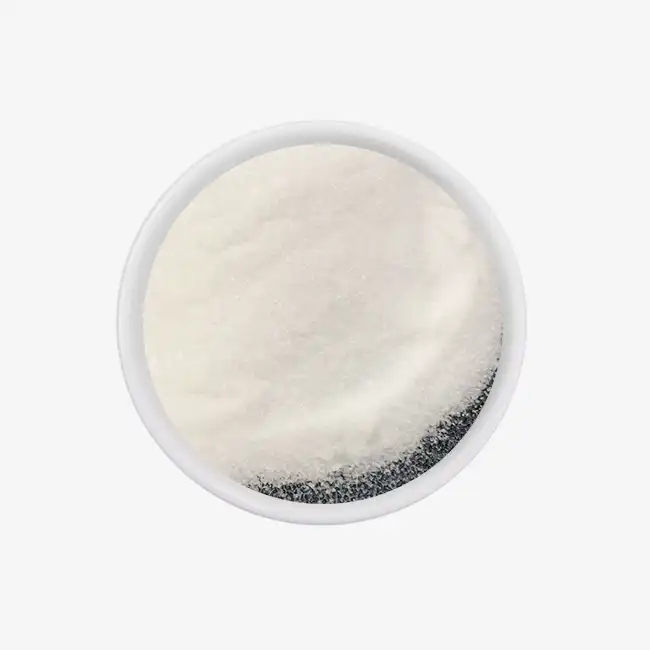
Snow Melting Solid Potassium Acetate (CAS NO.: 127-08-2)delivers exceptional performance in winter maintenance by working effectively down to -35°C, offering rapid ice melting through powerful exothermic reactions upon contact with frozen surfaces. This white crystalline compound (CH₃COOK, CAS 127-08-2) provides non-corrosive protection for infrastructure while maintaining environmental safety—biodegrading naturally without harming vegetation, waterways, or sensitive equipment. Its superior low-temperature efficacy, combined with minimal corrosive impact on concrete and metal surfaces, makes it an optimal choice for airports, highways, and industrial facilities requiring reliable winter operations.
Introduction
Winter weather makes it very hard for city governments, airport owners, and managers of manufacturing facilities all over the United States to do their jobs. When it gets cold and ice forms on important surfaces, the deicing agent you use has a direct effect on safety, the life of infrastructure, and environmental compliance. Traditional goods made from rock salt and chloride have ruled the market, but buying professionals are looking for more environmentally friendly options because they are more corrosive.
Snow Melting Solid Potassium Acetate solutions are a big step forward in the science of winter upkeep. In contrast to regular sodium chloride, which stops melting around -7°C, Snow Melting Solid Potassium Acetate formulations keep working well in very cold temperatures and keep valuable items from rusting. By learning about the technical features, benefits, and real-world uses of these advanced deicing agents, you can make smart buying choices that balance performance needs with long-term cost savings and following the rules.
Understanding Solid Potassium Acetate in Snow Melting
Chemical Properties and Mechanism of Action
The molecular structure of Snow Melting Solid Potassium Acetate makes it possible to lower the freezing point more effectively in a way that is very different from breaking ice mechanically. When put on frozen surfaces, this Snow Melting Solid Potassium Acetate quickly soaks up water from the air and starts a chemical reaction that gives off heat. The brine solution that is made can get through ice-pavement links at temperatures where regular salts can't. The acetate ion (CH₃COO⁻) breaks down hydrogen bonds in ice crystals, and the potassium cation (K⁺) makes it easier for solutions to move across different types of surfaces.
At eutectic concentration, this chemical process can melt at temperatures as low as -60°C, but most operating uses aim for temperatures between -25°C and -35°C. Because the substance dissolves easily in water (253 g/100 mL at 20°C), it works right away to melt ice when applied. Unlike chloride salts, which need traffic to work properly, Snow Melting Solid Potassium Acetate formulations make lubricating layers that make it easier to remove snow with little to no physical help.
Physical Characteristics and Handling Properties
High-purity Snow Melting Solid Potassium Acetate (≥99.0% assay) looks like white crystals that run freely and have controlled particle sizes for constant spreading use. When stored correctly, the material doesn't harden, so it stays ready to use even during long winters. Modern anti-caking treatments make it even easier for the substance to flow, which stops it from clumping, which happens when the humidity changes, which is a problem that Snow Melting Solid Potassium Acetate deicing agents have.
The crystalline structure makes it easy for workers to see how well the coverage is even across all treated areas. This openness in field use cuts down on wasteful overapplication while still providing enough safety in key areas. The density of the material makes it possible to calibrate mechanical spreaders for exact application rates. This makes large-scale processes more cost-effective.
Environmental Profile and Ecological Safety
Snow Melting Solid Potassium Acetate deicing products have a much smaller effect on the environment than chloride-based options. Acetate ions are easily broken down by soil microorganisms into carbon dioxide and water through natural biodegradation processes. Because of this organic breakdown, the soil and waterways that are polluted by chloride buildup along roads are no longer polluted.
Studies on plant tolerance show that Snow Melting Solid Potassium Acetate runoff has only minor harmful effects on landscape plants, turf, and root systems. The chemical doesn't cause the osmotic stress that makes plants along the road get chloride "salt burn." Environmental guidelines are very strict when it comes to aquatic toxicity profiles. At practical amounts, Snow Melting Solid Potassium Acetate solutions have almost no effect on freshwater environments. These environmental benefits make it easier for businesses that need to follow the rules when they are near protected watersheds or facilities with strict stormwater discharge permits.
Comparative Analysis of Potassium Acetate vs Other Snow Melting Chemicals
Performance Against Sodium Chloride and Rock Salt
Municipalities spend most of their snow removal budgets on rock salt because it is cheap to buy, but its poor performance creates hidden operational costs. When temperatures drop below -7°C, sodium chloride stops working as well, so higher application rates or mixed formulas are needed during very cold spells. Because chloride ions are acidic, they speed up the breakdown of concrete, rebar, and vehicle undercarriages. These problems cost a lot over the life of infrastructure.
Snow Melting Solid Potassium Acetate keeps its melting speed constant over a wider range of temperatures, so it doesn't need to be reapplied after long periods of cold weather. The biggest economic benefit is keeping infrastructure in good shape. Concrete structures treated with Snow Melting Solid Potassium Acetate based agents don't get the damage and scaling that come from freeze-thaw cycles that need expensive repairs. When it comes to maintaining old bridge decks, highway departments find that non-corrosive formulations that make the structures last longer without lowering winter safety standards are especially useful.
Comparison with Magnesium Chloride and Calcium Chloride
Hygroscopic chloride salts, such as magnesium and calcium chloride, work better at low temperatures than sodium chloride, but they still cause rusting problems. These alternatives damage paint, electrical systems, and stainless steel parts on cars while leaving behind slippery films that stay on after snowfalls. When it's dry, chloride products make dust that makes it harder to see and speeds up the contamination of the facility's interior.
These problems can't happen with Snow Melting Solid Potassium Acetate formulas. The non-corrosive chemical keeps sensitive equipment safe in industrial yards, keeps emergency vehicle companies' paint from getting damaged, and keeps facility interiors cleaner by cutting down on tracked-in residue. Aviation facilities like how well it works with airplane systems. For example, using Snow Melting Solid Potassium Acetate to melt ice on the runway keeps landing gear, brake parts, and sensitive electronics from getting damaged, which would happen with chloride.
Effectiveness Versus Urea and Alternative Organics
Urea and calcium magnesium acetate (CMA) are examples of earlier attempts to deice that are better for the environment. Urea has a mild melting action that is good for delicate surfaces, but it doesn't work well in harsh conditions and adds nitrogen pollution to water that it comes into contact with. CMA is less likely to corrode, but it melts more slowly and needs to be applied at higher rates than Snow Melting Solid Potassium Acetate formulations.
Snow Melting Solid Potassium Acetate has the strong melting action needed for important structures while still being good for the earth. When the temperature stays the same, the product works faster than CMA, cutting down on the time between application and safe surface conditions. This performance advantage is very important for airports because quickly clearing the runway affects flight schedules and protecting revenue during winter weather events.
Benefits and Applications of Solid Potassium Acetate in Winter Maintenance
Operational Efficiency and Cost Management
When procurement managers look at the total cost of ownership, they know that the initial price of the materials is only one factor in figuring out the economics. Because Snow Melting Solid Potassium Acetate works better at lower application rates, less material is needed per treated area compared to other options. When treating 100,000 square feet of pavement, a facility may use 30–40% less Snow Melting Solid Potassium Acetate product by weight than rock salt and still get faster, more reliable results.
The lower corrosion profile saves money on infrastructure maintenance, keeping vehicles in good shape, and making equipment last longer. If a city's highway department switches from chloride-based to Snow Melting Solid Potassium Acetate based winter maintenance plans for 50 lane miles of concrete roads, resurfacing jobs can be put off for several years. These put-off capital expenses usually go over the extra money that was paid for more advanced deicing chemicals, giving a good return on investment within the time frame of most budget planning.
Critical Infrastructure Applications
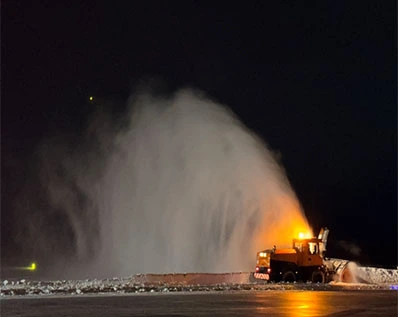
Deicing products for airport runways and taxiways must meet strict performance and safety standards. Formulations containing Snow Melting Solid Potassium Acetate meet standards for the compatibility of aerospace materials. This keeps carbon brake systems, composite structures, and sensitive navigation equipment from getting damaged. The Snow Melting Solid Potassium Acetate works quickly, which keeps planes from being delayed on the ground as much as possible during winter weather disruptions. This protects flight schedules and hub working efficiency.
Historic bridges, parking garages, and buildings with a lot of architectural value need ice control that is both gentle and effective. Because it doesn't corrode, concrete doesn't fall apart, which could damage the structure or make it look bad. Facility managers who are in charge of historic buildings or high-value business property find that Snow Melting Solid Potassium Acetate solutions help protect the value of their assets while also meeting their duty of care for the safety of pedestrians and vehicles.
Deicing agents that won't damage or break down equipment faster are helpful in industrial settings with exposed electrical systems, radar installations, or precise machinery. High-quality Snow Melting Solid Potassium Acetate chemicals are needed to keep things running smoothly at railroad switch points, hospital emergency exits, and data center parking areas during the winter. A single outage that is avoided can often cover the difference in material costs for an entire season.
Regulatory Compliance and Environmental Stewardship
Facilities with National Pollutant Discharge Elimination System (NPDES) permits have to choose which chemicals to use for winter repair under more and more scrutiny. Monitoring stormwater and limiting the total maximum daily load (TMDL) of chloride flows make it hard for standard deicing programs to follow the rules. Biodegradable chemistry that minimizes the impact on receiving water makes Snow Melting Solid Potassium Acetate based strategies easier to comply with regulations.
Corporate sustainability programs are pushing procurement requirements more and more toward environmentally friendly options. Companies that report on environmental, social, and governance (ESG) measures can show that using Snow Melting Solid Potassium Acetate has lessened their impact on the environment while still meeting safety standards. Aligning environmental responsibility with practical performance provides value for stakeholders that goes beyond the immediate goals of winter maintenance.
Procurement and Supply Considerations for Solid Potassium Acetate
Sourcing Strategies and Bulk Purchasing
To get a steady supply of specialized deicing products, you need to plan ahead and build relationships with suppliers. Manufacturers with large production capacities—facilities that make 150,000 tons a year—offer a wide range of Snow Melting Solid Potassium Acetate products, which keeps gaps from happening in the middle of the season when bad weather hits. There are different ways to package bulk goods, such as 25 kg woven bags that can be used by hand and 1000 kg ton-bags that can be loaded by machines.
When you buy something from another country, the processes get more complicated, and your seller needs to know a lot about customs paperwork, shipping coordination, and quality control. Well-known companies offer certificates of analysis (COA), material safety data sheets (MSDS), and legal paperwork that is structured to meet the needs of the final market. This administrative help speeds up the buying process and makes sure that Snow Melting Solid Potassium Acetate materials delivered meet local standards.
Quality Standards and Supplier Certification
For deicing-grade Snow Melting Solid Potassium Acetate, technical standards set minimum purity levels (≥99.0% assay), limited impurity levels (chloride ≤0.2%, iron ≤0.05%), and uniform physical properties. Suppliers with ISO 9001 quality management systems show process controls that make sure stability from batch to batch, which is important for planning operations and predicting performance.
Other certifications, like ISO 14001 for environmental management and ISO 45001 for health and safety at work, show that the supplier can do a lot more than just make Snow Melting Solid Potassium Acetate products. Facilities that serve the food-grade, pharmaceutical, and industrial markets follow strict quality rules that help all customer groups by requiring higher manufacturing standards and systems that stop pollution.
Logistics and Delivery Planning
Demand for winter deicing chemicals follows predictable seasonal patterns. However, when it gets really cold, the market can get tight on the spot. When regional demand spikes too high for just-in-time delivery systems to handle, operations are protected from supply disruptions by procurement strategies that include pre-season contracts and on-site inventory placement. Suppliers with Snow Melting Solid Potassium Acetate safety stock programs and guaranteed allocation give businesses peace of mind that is worth small investments in carrying costs.
The right storage infrastructure protects the quality of Snow Melting Solid Potassium Acetate(CAS NO.: 127-08-2) materials and their readiness for use. A warehouse that is dry and well-ventilated keeps moisture from absorbing, which can affect how well things flow and spread. Facilities that don't have their own storage space for chemicals can ask for packaging that doesn't absorb water and smaller delivery amounts that fit their storage space while still making sure they have a steady supply throughout the season.
Making the Right Choice: Is Solid Potassium Acetate Right for Your Operation?
Decision Criteria for Deicing Agent Selection
Choosing the right winter care chemicals means balancing a lot of different operational, financial, and legal factors that are unique to each location. Surface types have a big effect on how well an agent works with them. For example, non-corrosive choices work best with concrete infrastructure that is easily damaged by freeze-thaw cycles, while asphalt surfaces can handle a wider range of chemicals. The severity of the climate decides whether extended low-temperature performance is worth the extra cost of Snow Melting Solid Potassium Acetate. Facilities that experience severe cold conditions on a regular basis find that Snow Melting Solid Potassium Acetate formulations work best.
When making a budget, you need to think about the total cost of ownership, not just the price per ton of materials. A full study looks at differences in application rates, the benefits of keeping infrastructure in good shape, the costs of following the rules, and the effects on operating efficiency. Facilities with valuable assets, strict environmental requirements, or income that is sensitive to winter outages often find that Snow Melting Solid Potassium Acetate solutions make them money, even though they cost more to buy.
Practical Application Scenarios
Aviation is the best place for Snow Melting Solid Potassium Acetate deicing because of the strict material compatibility requirements, the loss of revenue from delays, and the regulatory oversight that comes with using high-end chemicals. By clearing 500,000 square feet of runway and approach surfaces, a regional airport can quickly remove ice without putting airplane systems at risk. This helps the airport stay on schedule during bad weather that would normally shut down operations.
More and more, cities are using Snow Melting Solid Potassium Acetate methods for fixing bridges and high roads where chloride damage is a problem for public safety and the budget. By preventing corrosion before it happens, a city that is in charge of 20 concrete bridges can avoid having to replace their decks every 15 years. This means that capital funds can be used to expand the network instead of fixing up structures that were damaged in the first place.
Reliable deicing that won't affect business continuity is useful for industrial sites with sensitive equipment or processes that run all the time. A factory complex with outdoor material handling systems and production schedules that run 24 hours a day, seven days a week avoids costly shutdowns by controlling ice effectively with Snow Melting Solid Potassium Acetate chemicals that are safe for equipment. The cost of avoiding downtime during a single shift stoppage is often higher than the cost of deicing materials for the whole winter.
Future Trends in Winter Maintenance Chemistry
New developments in deicing technology are leading to better environmental performance, higher working efficiency, and lower total cost of ownership. More performance gains are expected from research into corrosion inhibitor additives, application rate optimization, and pre-treatment strategies. Market acceptance of Snow Melting Solid Potassium Acetate based solutions is driven by regulatory trends toward reducing chloride and environmentally friendly chemistry. As more of these solutions become available, price differences between them and standard options may get smaller.
More frequent freeze-thaw cycles and extreme cold events are some of the ways that climate change is changing winter weather trends. These changes make stable low-temperature performance more valuable. Facilities that invest in advanced Snow Melting Solid Potassium Acetate chemicals now set up their operations to deal with changing climate conditions and meet the environmental responsibility expectations of stakeholders. This method looks to the future to protect the long-term value of assets and their ability to keep working even as winter repair problems get worse.
Conclusion
Snow Melting Solid Potassium Acetate (CAS NO.: 127-08-2)- based deicing agents have real benefits for businesses that care about protecting infrastructure, being good to the environment, and working reliably at low temperatures. The non-corrosive chemistry of the Snow Melting Solid Potassium Acetate protects valuable items and keeps ice melting even in very cold conditions. Even though the material costs more than regular rock salt, a total cost study that takes into account infrastructure longevity, regulation compliance, and operating efficiency shows that it is economically viable for important uses. Snow Melting Solid Potassium Acetate formulations that balance performance with responsibility are especially useful for airport operators, city governments that are in charge of sensitive infrastructure, and factories that need to protect their equipment.
FAQ
What effective working temperature range does potassium acetate maintain compared to rock salt?
Around -7°C (20°F), rock salt stops melting ice, so higher application rates or extra products are needed when it's really cold. In real life, Snow Melting Solid Potassium Acetate works quickly and effectively down to -30°C (-22°F), and its theoretical eutectic ability goes up to -60°C. This wider temperature range means that it doesn't need to be reapplied during long periods of cold weather, and there are no worries about poor performance during extreme weather events.
Is potassium acetate safe for landscaping, pets, and surrounding vegetation?
The safety profile of Snow Melting Solid Potassium Acetate is much lower than that of chloride-based alternatives. Bacteria in the dirt quickly break down the Snow Melting Solid Potassium Acetate into carbon dioxide and water, so it doesn't stay in the environment for long. Instead of "salt burn" and osmotic stress that chloride salts cause, Snow Melting Solid Potassium Acetate formulations don't hurt grass, landscaping plants, or root systems very much. Snow Melting Solid Potassium Acetate chemistry greatly lowers the risks of chemistry causing discomfort to pet paws and swallowing, which are both related to chloride.
What storage requirements prevent product degradation?
Because Snow Melting Solid Potassium Acetate absorbs water, it needs to be stored in a dry, well-ventilated warehouse that is kept away from moisture. The material should stay in sealed containers until it is used, and containers that have been opened should be quickly sealed again to keep moisture from absorbing from the air. The right storage conditions keep the free-flowing properties that are needed for motorized spreading use. Facilities that don't have climate-controlled storage can ask for packaging that doesn't absorb moisture and smaller delivery amounts that match the rate of consumption. This will keep the quality of the Snow Melting Solid Potassium Acetate throughout the winter.
Partner with SHANXI ZHAOYI CHEMICAL for Your Winter Maintenance Solutions
SHANXI ZHAOYI CHEMICAL can help you with your winter maintenance problems because they have been making acetate for more than 30 years. Our Snow Melting Solid Potassium Acetate supplier can produce up to 150,000 tons of it every year, so you can always get it in bulk even when bad weather limits supply in your area. We have many certificates, such as ISO 9001, ISO 14001, KOSHER, and HALAL, which show that our quality standards meet the strictest requirements for purchasing. To help you get the most out of your deicing programs, our expert team offers application advice, unique formulation services, and quick response times. You can email us at sxzy@sxzhaoyi.com or visit zhaoyichemical.com to talk about your unique needs and get full product specifications, pricing information, and logistics solutions that are made to fit your business.
References
1. Transportation Research Board. Winter Maintenance Technology and Practices: Learning from Abroad. National Academy of Sciences, 2018.
2. Environmental Protection Agency. Deicing Chemicals: Environmental Impacts and Best Management Practices. Office of Water, 2020.
3. American Concrete Institute. Guide to Joint Sealants for Concrete Structures and Selection of Deicing Chemicals. ACI Committee Report 201, 2019.
4. Airport Cooperative Research Program. Aircraft and Airfield Pavement Deicing Fluid Management. Transportation Research Board, 2017.
5. Fischel, M. Evaluation of Selected Deicers Based on a Review of the Literature. Colorado Department of Transportation, 2016.
6. Nixon, W.A. and Williams, D. A Guide for Selecting Anti-icing and Pre-wetting Products for Winter Maintenance. Iowa Highway Research Board, 2015.

USER EVALUATE
Here is the customer's evaluation of us