



What Makes Deicing Liquid Potassium Acetate Ideal for Airports?
Deicing liquid potassium acetate(CAS NO.: 127-08-2) stands out as the optimal choice for airports because it combines exceptional low-temperature performance, non-corrosive properties, and environmental safety. Unlike traditional chloride-based deicers that attack aircraft alloys and concrete infrastructure, this biodegradable solution effectively prevents ice bonding at temperatures down to -60°C while maintaining strict compliance with aviation safety standards. Its liquid formulation enables rapid, uniform application across runways and taxiways, ensuring operational continuity during critical winter weather events without compromising equipment integrity or ecological responsibility.
Introduction
Winter operations at airports are hard because they have to keep the runways safe for planes to fly on while also protecting expensive infrastructure and sticking to tight schedules. Every delayed takeoff because of ice costs airlines thousands of dollars, makes it hard for passengers to move, and puts a lot of stress on the ground team. Choosing the right anti-icing solution will decide whether your building runs smoothly or has to be shut down during storms, which can be very expensive.
More and more, airport managers are realizing that the old ways of deicing have hidden costs. Chloride salts break down metal parts and speed up the breakdown of concrete. Products made with urea cause harmful runoff that hurts aquatic ecosystems. Glycol mixtures need to be thrown away and handled with care. But because of these problems, the flight industry has turned to acetate-based options that work better without hurting safety or the environment.
Potassium acetate has become the deicing agent of choice for airports around the world. Its ability to quickly break through ice, work at a wide range of temperatures, and be safe for infrastructure all meet the basic needs of modern airports. This article looks at why this formulation has become so important for airport procurement strategies that focus on dependability, sustainability, and managing long-term costs.
Understanding Potassium Acetate as a Deicing Liquid
Chemical Composition and Mechanism
Potassium acetate (CH₀COOK) is a strong cryogenic agent that stops the formation of ice crystals at the molecular level. When the solution is put on the ground, it makes a layer of salt with a much lower freezing point. This stops the water molecules from arranging themselves into rigid ice structures and breaks the bond between the ice that is already there and the runway surface. The specific gravity of 1.25 to 1.30 makes sure that the solution can get through layers of ice, breaking up frozen buildups and making it easier for plows to remove.
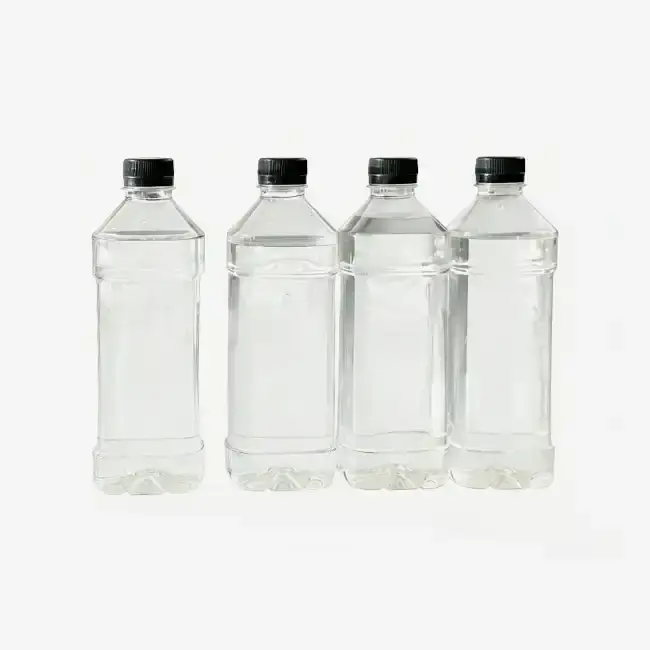
The formula usually has 50–60% potassium acetate by weight, which was chosen to be the best balance between effectiveness and ease of use. This concentration keeps the fluid's properties stable at very high and very low temperatures, and it lowers the freezing point enough for tough airport uses. The clear liquid has no color and works perfectly with existing spray systems, so no special equipment changes are needed.
Environmental and Safety Profile
Biodegradability is a major benefit over traditional deicing agents. Potassium acetate breaks down quickly in water and soil without giving off the harmful nitrogen compounds that happen when urea breaks down. The solution has a much lower Biological Oxygen Demand than organic alternatives. This means it will have less of an effect on nearby bodies of water that receive stormwater runoff from airport surfaces.
Chemicals used in flight settings are chosen based on regulations. Airport-grade acetate formulas must meet the strict performance and safety standards set by SAE AMS 1435. These standards cover things like resistance to rust, effect on the environment, and how well something works in different situations. The material's pH range, from 7.5 to 9.2, acts as a buffer to neutralize acidity and is compatible with different types of pavement and drainage systems.
Stability in storage makes it even more useful for airport operations. The solution will always work as long as it is kept in the right containers, like stainless steel or high-density plastic. This gets rid of waste caused by products going bad and helps with managing inventory well during seasonal demand cycles. For safety during storage and handling, make sure there is enough air flow and that materials that don't go together are kept separate.
Why Potassium Acetate Stands Out for Airport Applications
Superior Performance in Extreme Conditions
How well deicing works in harsh climates depends on how well it can handle high temperatures. The eutectic point, which is around -60°C (-76°F), gives a lot of extra safety above and beyond what is normally needed for operations. This feature guarantees reliable performance during harsh cold spells that make less effective goods useless. This wide range of temperatures is especially helpful for airports in the north, as it keeps the surface safe even during record-breaking freezes.
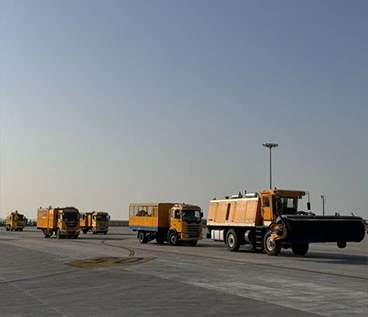
The liquid form makes it possible to use truck spray devices quickly. Ground crews can quickly spread the solution over large networks of runways and taxiways, making an anti-icing barrier that protects against rain or snow. This preventative method stops ice from joining before it happens, instead of having to be removed after it has built up. Liquid application allows for even coverage, which makes sure that friction coefficients are the same in key areas where aircraft move.
Infrastructure Protection and Longevity
Stopping corrosion directly leads to lower costs and more reliable operations. Acetate formulations protect infrastructure investments unlike chloride salts, which attack metals aggressively and speed up the breakdown of concrete. Aluminum alloys used in airplanes, especially those with cadmium and magnesium, don't change when they're exposed to air during taxiing and takeoff. This stops expensive corrosion damage to the landing gear, brake assemblies, and fuselage parts.
Preserving concrete sidewalks helps extend infrastructure service life and reduces long-term replacement costs. Chloride penetration can gradually weaken concrete structures by accelerating rebar corrosion and surface scaling. The non-chloride chemistry of deicing liquid potassium acetate helps prevent these deterioration processes, allowing pavement strength and structural quality to remain stable through multiple winter seasons. The protective benefits of deicing liquid potassium acetate are particularly valuable for bridge deck applications, where corrosion prevention is a critical concern. In addition, deicing liquid potassium acetate(CAS NO.: 127-08-2) is compatible with Fixed Automated Spray Technology systems that require stable fluid characteristics and reliable flow performance without clogging issues. By using deicing liquid potassium acetate, infrastructure managers can improve durability, reduce maintenance requirements, and support more efficient winter protection strategies.
Regulatory Compliance and Certification
Aviation authorities keep a close eye on the chemicals that are used in airports. Independent tests must show that products are safe for flight operations, don't harm the environment, and work reliably. Reputable manufacturers provide a lot of paperwork that proves they follow international standards. This includes Certificates of Analysis that show the concentration, purity, and levels of contaminants.
Quality approvals show that the production process is consistent and that the supply chain is reliable. Getting ISO 9001 approval shows that you handle quality in a planned way throughout the whole production process. ISO 14001 certification proves that environmental management systems reduce damage to the earth. These credentials give procurement managers confidence that the materials they buy will work as expected in real-world situations.
Practical Considerations for Procurement and Use in Airports
Supplier Evaluation and Selection
To choose the right provider, you need to look at more than just price. Experience in manufacturing shows professional know-how and the ability to depend on production. Acetate has been made in some factories for decades, so their methods and quality control systems are very good. A production capacity of 150,000 tons or more per year suggests economies of scale and the ability to keep inventory on hand during times of high demand.
The reliability of delivery during important times depends on the skills of the supply chain. Strategic relationships with foreign shipping companies make sure that freight rates are low and that there is always space for containers. Flexible order delivery, with normal production wait times of 5–7 working days and 24-hour arrangements for in-stock materials, helps just-in-time inventory tactics that keep things available while lowering the cost of storage.
Different buying needs can be met by trade terms that are flexible. Buyers can get the best services based on their own internal cost structures and skills when FOB, CIF, and DAP arrangements are supported. Custom packaging options, such as 1000L IBC tanks and flexitanks for shipping containers, work with the handling equipment and storage arrangements at receiving facilities.
Storage and Handling Best Practices
Proper storage keeps the integrity of a product from delivery to use. Places for storing things should be dry, well-ventilated, and away from sources of heat and moisture. Extreme temperatures during storage don't hurt the solution, but keeping it from getting contaminated means keeping it away from things that don't work with it. Stainless steel or HDPE cases stop any possible interactions that could change how well they work.
Handling methods cut down on safety risks and waste. Standard procedures for handling chemicals still apply, even though the solution is not explosive and is not very poisonous. The people working on the ground should be taught the right way to dispense, clean up after a spill, and maintain the equipment. When you calibrate your spray system, you can be sure that you're using the right amount of material at the right time.
Application Guidelines for Optimal Results
The effectiveness of deployment depends on weather conditions and pavement temperature during winter events. Anti-icing treatments using deicing liquid potassium acetate work best when applied before precipitation begins, creating a protective layer that helps prevent ice from bonding to dry or slightly wet surfaces. The typical application rate of deicing liquid potassium acetate ranges from 40 to 100 gallons per lane mile, although the exact amount may vary based on forecasted weather severity and temperature conditions. This preventive approach allows deicing liquid potassium acetate to reduce ice adhesion and minimize the need for mechanical snow and ice removal. By applying deicing liquid potassium acetate at the right time and in the correct amount, maintenance teams can improve winter road safety, optimize material usage, and achieve more efficient deicing performance.
Deicing processes, which remove existing ice, need higher application rates and might work better with motorized help. The solution cuts through and undercuts layers of ice, releasing them from the pavement. Then, plow equipment can better remove the loose material. When to reapply depends on how much rain there is and how the temperature is changing. Monitoring tools help make the best use of materials during storms.
Performance and Effectiveness of Potassium Acetate in Airport Operations
Real-World Performance Data
Acetate use has been shown to have big benefits at major airports in North America and Europe. Measurements of the friction coefficient show that the surface kept its grip during active treatment, which helps keep airplanes safe during weather events. When proactive anti-icing protocols use effective formulations, departure delays caused by runway conditions go down by a large amount.
Corrosion tracking systems show that infrastructure is better protected than when chloride was used in the past. Annual inspection records show that treated surfaces have lessened the cracking of concrete and the rusting of metal. Ground support vehicles, deicing trucks, and airport infrastructure parts that are exposed to runway water need fewer fixes because of corrosion, according to equipment maintenance logs.
Cost-Benefit Analysis
The initial cost of materials is only one part of the total costs of ownership. Long-term financial analysis needs to take into account the benefits of keeping infrastructure in good shape, lowering the need for maintenance, and keeping operations running smoothly. Over a number of years, airports that switch from chloride deicers report lower costs for repairing the pavement. Getting rid of metal corrosion makes tools last longer and keeps new costs from coming up out of the blue.
Improving operational performance brings in more value. During storm reaction, faster application methods cut down on the cost of labor. Fewer plane delays keep the airport's image for dependability and keep airlines from getting fined. Environmental compliance helps people avoid fines and the costs of fixing problems caused by harmful runoff. Because of these things, the return on investment is good, even though the materials are more expensive than regular deicing materials.
Technical Support and Optimization
Having access to manufacturer expertise makes deployment work better. Reliable providers give application advice that is specific to the climate, type of pavement, and setup of the equipment. Sample testing programs let airports make sure that the products work before they buy a lot of them. Ongoing technical advice helps improve application rates, change methods based on feedback from operations, and fix any problems with performance.
Quality control at every step of the supply chain makes sure that results are the same for all orders. Each batch is tested thoroughly and can be fully tracked to make sure it meets the requirements for concentration, purity, and contaminant levels. Checking for compliance involves checking for heavy metals, salt levels, and pH levels, all of which have an effect on performance and the environment.
Choosing Potassium Acetate: A Strategic Decision for Airport Procurement
Comparative Assessment of Deicing Options
A systematic review of all available deicing options helps organizations make more informed purchasing decisions. Ethylene glycol-based formulations can provide effective ice melting performance, but they may create environmental concerns due to toxicity and high biochemical oxygen demand levels. Calcium magnesium acetate offers similar infrastructure protection benefits, but it often involves higher costs and may not provide the same wide temperature operating range as deicing liquid potassium acetate. Potassium formate has comparable environmental advantages, but its corrosion protection characteristics may differ and require separate evaluation. When comparing different solutions, deicing liquid potassium acetate stands out because it combines reliable low-temperature performance, reduced corrosion risks, and improved environmental compatibility. Selecting high-quality deicing liquid potassium acetate allows procurement teams to balance operational requirements, infrastructure protection, and sustainability goals effectively.
Potassium acetate's neutral profile meets a number of important factors at the same time. The goals of environmental care are in line with biodegradability and low water toxicity. Operational performance standards are met by actions that work quickly and at a wide range of temperatures. Aviation chemistry standards and environmental release permits work together perfectly with regulatory compliance. This mix of qualities explains why adoption is so common in the airport industry.
Sustainability and Future Readiness
Trends in the chemical industry toward being more environmentally friendly affect chemical choice above and beyond what is required by law. More and more, airport sustainability programs aim to lessen their impact on the environment in all areas of operations. Acetate-based deicing directly helps reach these goals by reducing the damage to water quality and getting rid of worries about dangerous waste. Chemical management techniques have gotten better, which is good for the public reports on environmental performance.
Expected changes in regulations will favor environmentally better options. In more and more places, limits on chloride discharge and urea use are being tightened. When airports adopt legal solutions early on, they get ahead of the regulatory curve and don't have to make changes quickly. Putting money into acetate infrastructure like storage bins, application tools, and training programs makes it possible to meet changing standards in the long run.
Building Supplier Partnerships
Having long-term ties with dependable producers has strategic benefits that go beyond just buying things. Established providers give customers priority during times of lack and plan their production capacity in a way that meets their needs. Working together technically to improve new formulations, make products more useful, and make applications run more smoothly gives businesses a competitive edge.
Supply chain management that is open and honest makes people more confident in the availability of materials and the consistency of quality. Companies that have ISO certifications, international shipping partnerships, and helpful customer service show that they care about their customers' success. These connections help with operational planning by providing stable delivery times, adaptable order sizes, and easy access to technical support for any issues that may arise.
Conclusion
Potassium acetate has been successfully used worldwide for decades, proving that deicing liquid potassium acetate is one of the most effective solutions for airport ice control. The unique combination of extreme cold performance, infrastructure protection, and environmental safety provided by deicing liquid potassium acetate (CAS NO.: 127-08-2)addresses the major winter challenges faced by aviation facilities. Investing in high-quality deicing liquid potassium acetate delivers measurable benefits, including reduced maintenance expenses, improved operational reliability, and stronger compliance with environmental regulations. As airports continue to prioritize sustainability, safety, and efficiency, deicing liquid potassium acetate represents not only an advanced current deicing method but also a long-term strategy for future aviation operations. By selecting reliable deicing liquid potassium acetate solutions, airport managers can maintain safer runways while supporting responsible infrastructure management.
FAQ
Can potassium acetate damage runway pavement or aircraft components?
Potassium acetate solutions that are properly made and contain the right rust inhibitors do not damage airport structures or airplane parts. The non-chloride chemistry gets rid of the rusting processes that hurt concrete rebar and metal alloys. Testing according to SAE AMS 1435 standards shows that it works with a range of runway sensors, carbon brake systems, and kinds of ground that are typical in flight settings.
What is the recommended storage approach for bulk quantities?
Using stainless steel or high-density polyethylene containers, store the solution in warehouses that are dry and well-ventilated. Under the right conditions, the product will always work, but checking the concentration every two years will make sure it works at its best. Keep containers closed and away from chemicals that don't mix with the solution. Since the solution is thermally stable over a wide range, you don't need to control the temperature.
How does environmental impact compare to traditional deicing chemicals?
Potassium acetate has a much smaller effect on the environment than chloride salts or goods made from urea. Biodegradation happens quickly without releasing harmful nitrogen compounds, and Biological Oxygen Demand stays much lower than with organic options. These traits make it easier to follow the stricter rules for sewage release that affect airport operations.
Partner with SHANXI ZHAOYI CHEMICAL for Reliable Airport Deicing Solutions
SHANXI ZHAOYI CHEMICAL has been making acetate for more than 30 years and can help airports that need reliable deicing performance. Our potassium acetate formulation for airports has been shown to work at temperatures as low as -60°C. It also protects your infrastructure investments with non-corrosive chemistry. With the ability to produce 150,000 tons per year and a wide range of certifications, such as ISO 9001, ISO 14001, KOSHER, and HALAL, we can guarantee consistent quality for your important winter operations.
As a well-known company that makes deicing liquid potassium acetate, we can help you meet your buying needs by offering a variety of packaging choices, competitive logistics through smart shipping partnerships, and quick technical support 24 hours a day, seven days a week. Our reliable supply chain makes sure that you can get the materials you need when winter weather calls for quick action. This is true whether you need bulk IBC tank deliveries or container flexitank deliveries. You can email our team at sxzy@sxzhaoyi.com to talk about your specific business needs, get technical specs, or set up product samples that show how committed we are to airport safety and being environmentally friendly.
References
1. Airport Cooperative Research Program. "Aircraft and Airfield Deicing and Anti-Icing Chemicals: Chemical Characteristics and Effects on Airport Infrastructure and Environment." Transportation Research Board, National Academy of Sciences, 2012.
2. Federal Aviation Administration. "Standards for Specifying Construction of Airports: Advisory Circular 150/5370-10H." U.S. Department of Transportation, 2018.
3. Society of Automotive Engineers. "SAE AMS 1435: Compound, Solid Runway and Taxiway Deicing/Anti-icing." SAE International Aerospace Material Specification, 2017.
4. Environmental Protection Agency. "Evaluating Alternatives for Runway Deicing: Field Study Results." Office of Research and Development, EPA Report 600/R-08/094, 2008.
5. International Civil Aviation Organization. "Airport Services Manual Part 2: Pavement Surface Conditions." ICAO Document 9137-AN/898, 2020.
6. American Association of Airport Executives. "Environmental Management Systems for Airports: Guidebook for Developing and Implementing EMS." AAAE Airport Environmental Management Committee, 2014.

USER EVALUATE
Here is the customer's evaluation of us