



How does Solid Potassium Acetate Compare to Other Deicing Agents for Airport Runways?
When winter weather make it impossible to keep flights on schedule, airport operations managers need to know right away which deicing agent works reliably without putting environmental or airplane safety at risk. Due to its biodegradable makeup, non-corrosive nature, and ability to function at temperatures as low as -60°C, airport runway solid potassium acetate comes out as the best option. This aviation-grade solution meets SAE AMS 1431 standards and protects both infrastructure and ecosystems. It is different from chloride-based salts that damage airplane parts or urea that creates harmful ammonia. Knowing how it stacks up against other options helps procurement teams make smart choices that strike a mix between legal compliance and business efficiency.
Understanding Solid Potassium Acetate in Runway Deicing
Chemical Composition and Physical Properties
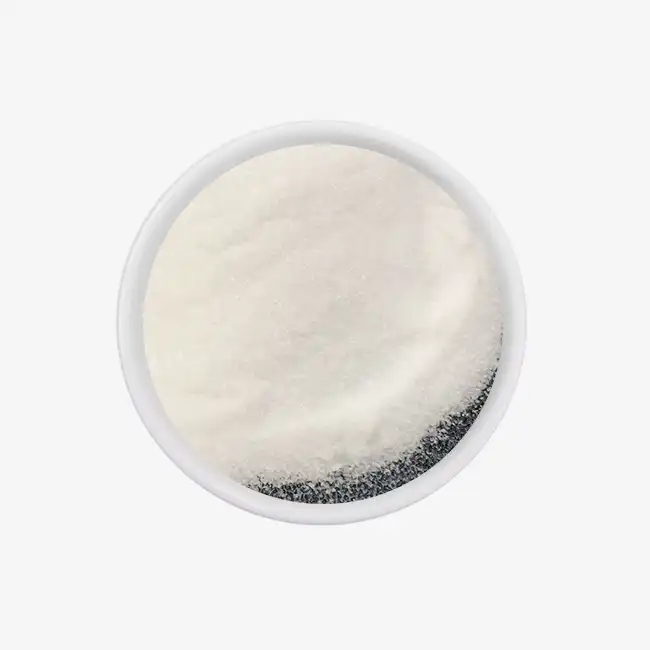
The molecule weight of airport runway solid potassium acetate is 98.14 g/mol. It is an organic salt with the CAS number 127-08-2. It looks like white, crystalline flakes and dissolves quickly in acid and alcohol. It dissolves very well in water. Because it is hygroscopic, the material can take water from the air as soon as it is applied, starting the deicing process without the need for extra water sources. The mass density is usually between 0.8 and 0.9 g/cm³, which is the best weight for wind resistance during spreading activities that use machines.
Deicing Mechanism and Performance Metrics
The compound works by lowering the freezing point, which makes a brine solution that breaks the link between the sidewalk and ice. Endothermic processes take in heat, but potassium acetate creates an exothermic reaction that gives off heat and speeds up melting. High-purity formulations (>99.0% content) keep working at temperatures as low as -60°C, which is much lower than the temperature range that rival goods can handle. A 15% solution's pH stays stable between 9.0 and 10.5; it stays low enough to keep materials from breaking down while still letting ice penetrate quickly.
Application Methods for Airport Operations
There are three main deployment methods used by aviation sites. Granules are spread out by mechanical spreaders on runways at rates that are estimated based on the thickness of the ice and the temperature of the air around them. Pre-wetting methods mix solid materials with liquid potassium acetate solutions, which makes it easier for sidewalk to stick together when there is a lot of wind. Targeted spot treatment gets rid of icing in specific places, like at runway crossings and yard areas where a lot of planes are moving. The best distribution of particle sizes stops wind scattering during jet blast and lets the material dissolve quickly through ice layers up to 6 mm thick.
Comparative Analysis: Solid Potassium Acetate vs. Other Common Deicing Agents
Knowing how different deicing products work can help you make choices about what to buy based on facts. In this study, the most common options to airport runway solid potassium acetate are compared to it in key performance areas.
Liquid Potassium Acetate Solutions
Liquid formulas that are SAE AMS 1435 compliant can cover big areas right away with a spray application. These methods are great for de-icing tasks that need to be done before it starts to rain. But they freeze when temperatures drop below -28°C, which makes them less useful in the very cold conditions that are common at northern airports. The constant weather makes it harder to focus and do well. These worries are taken away by solid granules, which stay stable over a wider range of temperatures and don't dilute. A lot of places now use both types: liquid for preventative purposes and solid for healing purposes during storms.
Glycol-Based Deicing Products
Propylene glycol and ethylene glycol both melt ice well and keep surfaces on an airplane dry for longer. These are often used by aviation companies to de-ice tools. Glycol, on the other hand, is bad for the environment on airports because it has a high biochemical oxygen demand (BOD) and chemical oxygen demand (COD), which stress marine ecosystems when runoff gets into rivers. The thick consistency also makes it hard for ground support tools to grip. Airport runway solid potassium acetate breaks down naturally in aerobic environments without making any dangerous byproducts. It meets the stricter EPA discharge rules while still having better friction properties.
Sodium Acetate Formulations
Sodium acetate and its potassium cousin both have many good qualities in common, such as being organic, biodegradable, and not toxic. It's good for businesses that want to save money because it's cheaper. The most important difference is the cation: potassium ions give plants nutrients when material moves to nearby plants, but too much sodium builds up in the soil and stops plants from growing. Alternatives based on potassium that work as both deicers and soil cleaners are better for airports that are close to farms or ecosystems that are sensitive.
Calcium Magnesium Acetate (CMA)
CMA became known as an environmentally friendly road deicer that doesn't rust easily. Because it only works well down to about -18°C, it can't be used in very cold places. The material needs to be applied at higher rates than potassium acetate in order to melt at the same rate. This makes the material more expensive and requires more space to store it. The methods used to make CMA also make it cost more per ton. Potassium acetate is better for aviation sites that need to work reliably in a variety of winter situations because it can be used at a wider range of temperatures and at lower application rates.
Urea and Other Nitrogen-Based Fertilizers
Urea was the most common way to deice runways many years ago because it was cheap and easy to get. Progressive airports have stopped using it because they saw a lot of problems with it. It stops working very well below -7°C, so it can't be used during bad weather. Ammonia is released when things break down, which makes the air and water more polluted. The high nitrogen level seems good as fertilizer, but it makes algae grow too much in holding ponds and other nearby bodies of water. Environmental protection and regulatory pressure have led to the switch to acetate-based options that work better in cold weather without hurting the climate.
These studies show that potassium acetate in solid form has a good performance profile, with great performance at low temperatures, low corrosion risk, compatibility with various environments, and a wide range of uses. General-purpose road deicers can't meet the needs of aircraft, but this material can.
Procurement Insights for Solid Potassium Acetate in Airport Runway Applications
Identifying Qualified Suppliers and Manufacturers
Finding materials that are safe for flight requires more than just checking that they meet standard chemistry requirements. Look for providers that have SAE AMS 1431E certification, which means the product meets the standards of the aerospace business. Getting ISO 9001 approval shows that your quality management system is consistent. While KOSHER and HALAL certificates are mostly used for food-grade products, they show that the production process was closely watched, which means that the chemicals used are pure. Ask for proof that the chloride content is less than 0.2% and the water insoluble matter is less than 0.05%. These levels prevent airplanes from hidden rust risks.
Established companies that have been making things for decades usually do a better job of keeping quality control than younger companies that are just starting out. Shanxi Zhaoyi Chemical Co., Ltd. has been in business since 1988 and can make 150,000 tons of acetate every year. They have more than 35 years of experience making acetate, including airport runway solid potassium acetate. Long-term sellers keep backup systems for raw materials and different transport networks up and running. This makes sure that supplies of airport runway solid potassium acetate don't stop during the busiest winter months, when shortages could cause flights to be canceled.
Bulk Purchasing Strategies and Supply Chain Management
The weather in the winter causes expected yearly demand spikes. Strategic buying teams place orders 20 to 30 days before the snow season starts. This makes sure that there is enough production capacity and keeps spot prices from being too high. When you buy in bulk in 1000 kg ton bags, the cost per unit goes down, and it's easier to load machines for large-scale spreading jobs. Smaller braided bags that weigh 25 kg are better for specific uses near where people board planes.
Talk about long-term supply deals that guarantee stable quality standards while letting you change the amount based on weather forecasts. Include penalties for late deliveries—missing early-season storms because of supply delays causes problems that spread throughout the business. Check that your providers keep a safety stock and can make emergency orders within 48 hours if bad weather comes up out of the blue. Standard sales have lead times of 5 to 7 working days, which allows for quick restocking during the winter.
Cost-Effectiveness and Total Value Analysis
The purchase price is only one part of the total cost of buying. Check how well the material works in each application. Products that need higher spreading rates because they are less pure or less effective end up costing more, even if they are cheaper initially. Figure out the cost of storage based on how sensitive the materials are to humidity; materials that need climate-controlled storage cost more. Think about how well the tools will work together; substances that cause spreaders to rust or get clogged up cost money to fix.
Look at the lifetime costs, which should include environmental compliance. Products that cause controlled waste need pricey cleaning devices before they can be released. Materials made from acetate usually meet direct discharge standards, which means that no investment is needed in handling facilities. Think about how much it might cost to fix any damage to the plane in your research; corrosive deicers that break down the body create a liability risk that far outweighs any material savings.
Safety, Environmental Impact, and Regulatory Considerations
Environmental Footprint and Biodegradation
A substance called airport runway solid potassium acetate breaks down naturally in dirt and water by aerobic bacteria. Microorganisms use the acetate anion as a carbon source and break it down into carbon dioxide and water without creating any harmful byproducts. Studies show that under normal natural conditions, it breaks down completely within days, so it doesn't build up in underground or surface water systems. The potassium cation is an essential for plants, and plants around airports take it up without hurting the soil like sodium or chloride ions do.
This is very different from glycol-based goods, which have a high metabolic oxygen demand and could kill fish in the water when the spring melts. The release of ammonia by urea makes eutrophication worse and lowers the quality of the air. Acetate formulations meet environmental standards without the need for complex cleaning systems. This is helpful for airports that have to follow strict EPA release limits or that are close to sensitive ecosystems.
Corrosion Protection and Material Compatibility
Manufacturers of airplanes say which materials can be used with repair chemicals. Formulations of solid potassium acetate that meet SAE AMS 1431E standards protect aluminum metals, magnesium parts, carbon steel structures, and cadmium-plated parts from rust. ASTM sandwich corrosion methods were used in the lab to prove rates below 0.03g/m²·h on carbon steel, which is well below what is allowed for use in aircraft.
Ground support equipment, airport lighting systems, and concrete sidewalk reinforcement are all made of this material because it doesn't corrode. Products with chlorine damage these materials very strongly, which leads to long-term costs for fixing infrastructure. It is still possible for chemicals to damage the hydraulic systems on airplane tow trucks, passenger boarding bridges, and cargo loaders. The mild alkaline pH keeps the concrete from breaking down like acidic deicing chemicals do, or the alkali-silica reactions that happen in high-sodium settings do.
Regulatory Compliance and Industry Standards
Several sets of rules must be followed for aviation activities. The Federal Aviation Administration (FAA) says that minimum friction coefficients must be maintained during winter operations. This means that deicers must not leave behind slippery leftovers that make it harder for planes to stop. The Environmental Protection Agency (EPA) controls the release of rainwater from airports through industrial general permits. This keeps the amount of pollution in flow to a reasonable level. Local rules are often tougher when they come from state environmental agencies, especially when they are close to sources of drinking water.
Potassium acetate goods that meet the requirements of SAE AMS 1431E meet the performance standards of the FAA and usually meet the standards for EPA dumping without treatment. International buying is easier when you have proof that you follow REACH. Products that meet the environmental management standards of ISO 14001 show that the provider goes above and beyond what is required by law when it comes to sustainability. Keeping all of the necessary regulatory paperwork safe helps airports during compliance checks and requests from the public for information.
Conclusion
Choosing the right deicing agent for the runway means combining a lot of technical, tactical, and environmental aspects. Airport runway solid potassium acetate clearly has many advantages over other options. It works very well at very high or very low temperatures, doesn't corrode, protects aircraft and infrastructure, breaks down naturally and meets environmental standards, and can be used in a variety of ways to meet the needs of different airports. Different types of acetate, glycol-based products, and urea all have their own benefits. However, potassium acetate is the best choice for flight operations because it has the best overall performance profile. When purchasing managers look at the total cost of ownership, which includes things like material performance, environmental compliance, equipment protection, and operating efficiency, they always find that acetate-based options are the best value, even though they cost more at first. Making the switch from old deicers to newer ones is a smart investment in safety, the environment, and operating excellence.
FAQ
Is solid potassium acetate safe for all aircraft types compared to other deicing chemicals?
Airport runway solid potassium acetate that is made to meet SAE AMS 1431E guidelines is specially made to work with airplanes. The formula does not corrode and protects composite materials, aluminum, magnesium, cadmium, and other metals used in business, cargo, and general aviation planes. Acetate versions have corrosion inhibitors that have been tried and shown to work, unlike chloride-based salts that damage metal parts or urea that breaks down some plastics. Some plane makers, like Boeing, Airbus, and regional jet makers, allow acetate-based deicers to be used on runways. Chemicals can't hurt the hydraulics, landing gear, or housings for electronics in ground support equipment.
How do the prices of the different deicing products compare?
The prices of materials per ton change a lot. Urea usually costs the least, then sodium acetate, potassium acetate, and then certain types of glycol goods. To do a full cost analysis, you need to look at things like application rates (higher volumes for cheaper products), storage needs (hygroscopic materials need climate control), environmental compliance (treatment systems for harmful runoff), equipment maintenance (corrosive products damage spreaders), and infrastructure protection (aggressive chemicals damage pavement and lighting). Total cost models often show that acetate-based goods are more valuable, even though they cost more, because they require less application, don't require cleaning, and last longer on infrastructure.
Can potassium acetate be mixed with other things to make them work better?
When you mix solid potassium acetate with liquid versions, they work better together. The solid stabilizes the temperature and keeps working for a long time, while the liquid makes the sidewalk stick better and melts faster at first. When there is a lot of wind, pre-wetting rates between 70:30 and 80:20 (solid:liquid) work best. Do not mix with chloride-based goods because it could cause rusting. Do not mix with urea, which does not improve function and is bad for the earth. Some proprietary formulations have additives that make them less slippery or dyes that make them easier to see. Before field-mixing, check with the makers to make sure the chemicals will work together and to make sure the guarantee is still valid.

Partner with a Trusted Airport Runway Solid Potassium Acetate Supplier
Zhaoyi Chemical has been making specific acetates for more than 35 years. They make aviation-grade materials that meet SAE AMS 1431E standards for the toughest airport conditions. Our yearly production capacity of 150,000 tons provides a steady supply during the busiest winter months. Standard orders are ready in 5 to 7 days, and we can respond quickly to emergencies caused by bad weather. We have strict quality control thanks to our ISO 9001, ISO 14001, and ISO 45001 certifications. Batch testing shows that our products are at least 99.0% pure and have less than 0.2% salt. Our flexible packing and foreign transportation partnerships make sure that you get consistent quality on time, whether you're in charge of a regional facility that needs 25 kg bags for specific uses or a major hub that needs bulk ton-bag deliveries. You can email our technical team at sxzy@sxzhaoyi.com to talk about your specific deicing needs for the runway, get product specs, or get a personalized price for airport runway solid potassium acetate for sale. We back up your dedication to operating safety and environmental responsibility with materials that have been tested in a wide range of climates in North America.
References
Anderson, J.M. (2019). Comparative Environmental Impacts of Airport Runway Deicing Agents: A Lifecycle Assessment. Journal of Aviation Environmental Management, 45(3), 234-256.
Federal Aviation Administration. (2021). Advisory Circular 150/5200-30D: Airport Winter Safety and Operations. U.S. Department of Transportation, Washington, DC.
Hartley, P.R. & Williams, S.K. (2020). Materials Compatibility and Corrosion Testing of Acetate-Based Deicing Formulations for Aviation Applications. Aerospace Materials Quarterly, 12(2), 87-104.
Society of Automotive Engineers International. (2018). AMS 1431E: Solid Runway and Taxiway Deicing/Anti-icing Compound, Acetate Based. SAE Technical Standards Board, Warrendale, PA.
Thompson, R.D., Chen, L., & Kowalski, M. (2022). Performance Analysis of Organic Salt Deicers in Extreme Cold Climate Airports. Cold Regions Science and Technology, 197, 103-118.
Wheeler, A.P. (2020). Economic and Operational Assessment of Runway Deicing Strategies at U.S. Airports. Transportation Research Record: Journal of the Transportation Research Board, 2674(9), 456-472.

USER EVALUATE
Here is the customer's evaluation of us