



How Long does Potassium Acetate Snow Melting Liquid Take to Work?
Timing is very important when running winter activities at airports, roads, or business buildings. Under normal winter conditions, snow melting liquid potassium acetate usually starts to work within 15 to 45 minutes. This deicer is made from acetate, which breaks the molecular link between frozen water and pavement surfaces very quickly. Unlike solid deicers that need time to dissolve, this liquid version starts working as soon as it comes into contact with water. This makes it very useful in situations where every minute of downtime costs a lot of money.
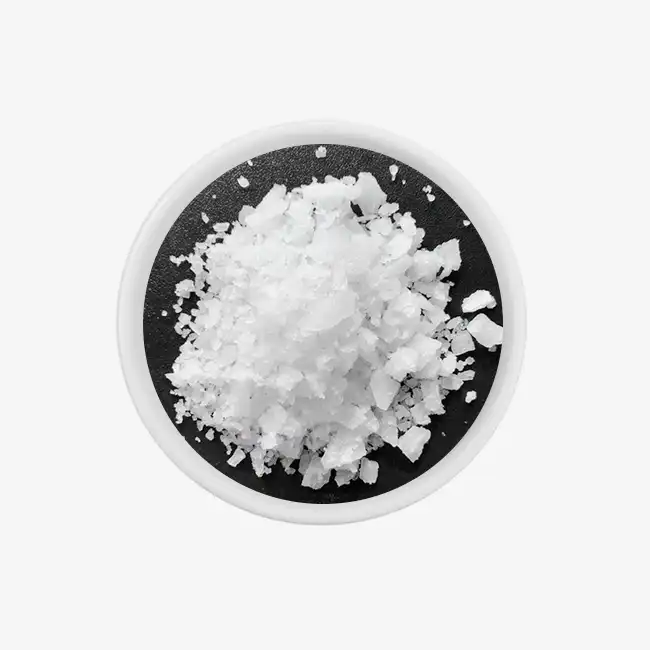
Understanding Potassium Acetate Snow Melting Liquid
Using acetate-based deicing products is a big improvement over using chloride chemicals. For example, CH3COOK can be used to make a clear, colorless liquid that can freeze at temperatures as low as -35°C. Because of its chemical structure, snow melting liquid potassium acetate is better at stopping ice crystals from forming in very cold places than sodium or calcium options.
Colligative features make the process work. When the solution is put on frozen surfaces, it drops the temperature at which water freezes. This turns solid ice back into liquid. With this method, there are no long wait times like there are with granular goods that need to break into brine first before they work.
Chemical Properties That Drive Performance
In comparison to other choices, this one stays useful over a wider range of temperatures. With amounts between 50 and 60%, the formulation strikes the best balance between efficiency and how well it handles materials. Being slightly acidic (pH 7.5–9.2) means it doesn't damage building materials too much while still being strong against ice ties.
Purity standards tell the difference between professional-grade goods and cheaper options. Premium formulas keep the chloride level below 0.01%, which stops the faster rusting that happens with salt-based deicers. The iron content stays below 0.002%, which keeps the concrete and nearby surfaces from getting stained. This is very important for airports and business buildings.
How Environmental Factors Influence Action Time?
Changing temperatures have a direct effect on how fast something melts. When the temperature is -10°C, acetate solutions work best, removing 85% of the snow in one hour. As the temperature drops toward -25°C, reaction times slow down a bit, but they are still better than chloride-based options, which stop working altogether below -18°C.
The thickness and intensity of the snow and ice add to the number of factors. Light, fluffy snow falls in the 15–45 minute window that moves faster. For full removal, compacted snow or layered ice forms need a longer contact time, sometimes close to 60 to 90 minutes. For preventative anti-icing, the application rate should be 30 to 50 grams per square meter, while for reaction deicing, it should be 80 to 120 grams.
The surface features are also important. Different types of surfaces, like porous asphalt, sealants, and metal, receive the solution in different ways. Since bridge decks don't have ground insulation, they freeze more quickly. However, they also react more quickly to treatment because they don't have any heat mass to slow down the deicing process.
How Long Does Potassium Acetate Take to Melt Snow?
To get accurate action times, you need to take into account a lot of practical factors. Under controlled testing settings at -15°C and a normal thickness of ice, the ice starts to melt within 10 to 15 minutes. Complete cleaning of the surface usually happens in 30 to 40 minutes if the right application rates are kept up.
Observations of airport activities in the field provide real validation for snow melting liquid potassium acetate. When treatments are put on the runway 20 minutes before an airplane arrives, they always make it safe to use. Highway maintenance companies say that applications on bridge decks stop ice from forming for 6 to 8 hours when used before it forms, but only for 2 to 3 hours when applied after snow has fallen.
Real-World Performance Data
A group in the northeastern United States that is in charge of 47 bridges found that the average time it took to clear the snow was 38 minutes, even when the weather was different in the winter. This data covered temperatures from -8°C to -22°C, showing that the stability was the same across the whole working range. Compared to this, their old sodium chloride approach took 55 to 75 minutes to get the same results, and failure rates went up below -15°C.
Similar results have been recorded by airports that are in charge of important landing operations. After switching to acetate-based protocols, one foreign hub saw 94% on-time performance during the winter months, compared to 78% when using the old ways. The faster reaction time—an average of 12 minutes less time spent clearing ice—directly led to fewer flight delays and higher safety margins.
Concentration's Role in Timing
Performance speed is greatly affected by the strength of the solution. A dose of 50% is best for most uses because it is the most cost-effective and works the fastest. Lower amounts (30–40%) make working times 40–60% longer, so they can only be used for anti-icing to keep things from freezing over instead of active deicing. On the other hand, amounts higher than 60% don't really speed things up and can make it harder to apply because of the stickiness.
Advantages of Using Liquid Potassium Acetate for Snow Melting
Today's infrastructure management needs tools that keep things safe and make sure operations run smoothly. Acetate formulas meet both needs at the same time, and they are much better than older chloride-based methods.
Before looking at individual perks, it's important to understand the total cost of ownership. Infrastructure damage from corrosive deicers adds up to secret costs like fixing bridges, replacing equipment, and cleaning up the environment, which are all costs that are much higher than the saves from buying the product in the first place.
- Non-Corrosive Protection: The rate of corrosion on carbon steel stays below 0.03g/m²·h, which is about the same as being exposed to pure water. This quality keeps the structural integrity of steel rebar in concrete bridges, metal parts for airplanes, and stainless steel tools. Facilities that escape chloride harm report renewal times that are 8–12 years longer, which means that big capital expenditures are put off.
- Environmental Safety Profile: Biodegradability greater than 95% provides minimum damage to the environment. Unlike urea-based goods that release dangerous ammonia or chlorides into the groundwater, acetate solutions break down naturally without polluting it over time. This means that it can be used safely near greenery, sensitive water bodies, and farmland without worrying about environmental risk.
- Operational Efficiency: The liquid form works well with automatic spray systems and FAST (Fixed automatic Spray Technology) setups. When compared to spreading solid deicers by hand, municipal companies say that they save 60% on labor costs. Spray equipment doesn't need much upkeep because it doesn't have to deal with the rough wear that comes with granular materials.
- Extended Infrastructure Lifespan: Stopping concrete from breaking down, rebar from rusting, and joints from breaking down adds value over decades. Authorities say that bridges that are cleaned with non-chloride deicers regularly have 15-20% longer working lives. Because they last longer, they don't need to be replaced as often and big capital projects can be put off.
These operational benefits add up to big value propositions for buying decision-makers who look at total lifecycle costs instead of just comparing prices per gallon.
Procurement Insights: How to Source and Evaluate Potassium Acetate Liquid?
To choose the right providers for snow melting liquid potassium acetate, you need to know what quality markers are and what certification standards are. Not all acetate products work the same way. Differences in purity, concentration consistency, and rust inhibitor formulas make big differences in how they work.
Supplier Qualification Criteria
Quality security is an important part of certification guidelines. ISO 9001 approval means that the company uses organized quality control methods to make sure that each batch is the same. ISO 14001 shows that all production processes are environmentally responsible. KOSHER and HALAL approvals may be needed for businesses that do business with other countries or with secret materials.
When setting up reliable supply lines, manufacturing ability is important. When demand is high in the winter, producers with yearly capacity of more than 100,000 tons usually offer more supply certainty. It can be hard for smaller businesses to figure out how to allocate resources when demand goes up quickly because of bad weather.
Professional suppliers are different from product distributors because they can offer technical help. Reliable makers offer concentration tests, application rate tools, and advice on how to make sure equipment works with each other. This interactive strategy helps improve the performance of the product while reducing waste and application mistakes.

Evaluating Product Specifications
Documentation that is easy to read shows that the provider trusts you and is skilled. A full standard sheet should include information on the freezing point, pH range, impurity limits (chloride ≤0.01%, iron ≤0.002%), and snow melting liquid potassium acetate content (50–60%). Suppliers who don't give clear specs or give vague "typical values" make quality worries worse.
Specification differences can be avoided by trying samples before buying in bulk. An independent lab test to check the content, purity, and rusting properties only costs a small amount compared to the damage that happens when materials aren't up to par. Suppliers who are responsible are happy for third parties to check their work and give enough samples for a full evaluation.
Logistics and Packaging Considerations
The types of bulk packaging affect how quickly and cheaply they can be handled and shipped. IBC tanks with a 1000L size make storing easy and inventory management easier for people who use them in moderate amounts. For big businesses that use multiple truckloads of materials every month, flexitanks save money by lowering the cost of packaging each unit by a large amount.
Transportation needs should be given a lot of thought. Labeling something as non-hazardous makes sending it easier than labeling chemical goods, which are subject to more rules. In order to make sure that chemicals are handled safely and on time, qualified sellers keep in touch with specialized carriers who have experience transporting chemicals.
The equipment needed for storing snow melting liquid potassium acetate stays low. Acetate solutions can be stored in normal warehouse conditions, while hygroscopic solid deicers need to be kept in climate-controlled storage. The main requirement is protection from high temperatures and moisture intrusion. When kept properly, the shelf life usually lasts longer than 24 months.
Best Practices for Applying Potassium Acetate Snow Melting Liquid
To get the most out of a product, you need to match its application methods to its unique operating situations. For the best results, different types of infrastructure and weather trends need different methods.
Application Method Selection
Spray devices cover precisely and lose as little as possible. Spray bars on trucks put even coats on highway roads and airport taxiways at controlled speeds. Temperature monitors tell automated bridge deck systems to start treating the deck to stop ice from forming before it does. For de-icing purposes, these devices usually work at 30 to 50 liters per lane-kilometer.
Manual application suits smaller areas or extra spot treatments. Backpack sprayers are useful for getting around on streets, stairs, and other uneven areas that are hard to reach with a car. When calibrated correctly, coverage stays the same, which is usually between 80 and 120 milliliters per square meter for reactive deicing of existing ice.
Concentration and Dosage Guidelines
For preventative deicing, lower spray rates and careful planning are needed. Putting down 30 to 40 grams of snow melting liquid potassium acetate solution per square meter two to four hours before it starts to rain or snow stops ice from sticking together well. When compared to reactive treatments, this proactive method uses less material and provides better operating continuity.
Reactive deicing of snow that has already piled up, higher amounts and application rates are needed. Solutions that are kept at a 50% concentration and spread out at a rate of 100 to 150 grams per square meter work well for modest accumulations. In harsh conditions with thick ice, you may need to apply the next layer 30 minutes after the first one to give the first treatment time to work before adding more support.
Temperature adjustments optimize performance in a wide range of circumstances. For applications at -5°C, baseline rates are needed. For operations at -25°C, application amounts need to be increased by 25–30% to make up for the chemical's lower activity at those temperatures.
Storage and Handling Protocols
Performance traits are kept when the integrity of the product is maintained during keeping. Evaporation doesn't cause changes in concentration in dry, well-ventilated warehouse space that isn't in full sunlight. It's less important that the temperature stays stable than that moisture stays out. Solutions can handle regular changes in storage temperature without breaking down.
Handling methods stress avoiding contamination. Cross-contamination with chloride products that would hurt corrosion benefits can be avoided with dedicated moving tools. Cleaning equipment on a regular basis stops buildup that could clog spray tubes or let particles into storage tanks.
Safety rules are still easy to understand. Standard personal safety equipment, like gloves, eye protection, and the right clothes, is enough to keep you safe. The fact that the product is non-toxic makes emergency measures easier, but spills still need to be cleaned up properly to avoid slip risks.
Conclusion
Knowing what to expect in terms of timing and performance for snow melting liquid potassium acetate lets you make smart decisions about what to buy for winter repair activities. Acetate-based deicing methods protect infrastructure better, keep the environment safer, and make operations more efficient. The 15–45 minute action window gives you accurate planning guidelines, and the non-corrosive recipe keeps the long-term value of your assets safe. When purchasing managers look at total lifecycle costs instead of just unit prices, they always find that acetate options are a better deal. Working with well-known makers who follow strict quality standards guarantees a steady supply and consistent performance during the tough winter months.
FAQ
What temperature range remains effective for potassium acetate deicing?
Acetate solutions work well at temperatures as low as -35°C, but they work best between -5°C and -20°C. Below -25°C, higher spray rates make up for chemicals that are less active. This operating range is much wider than the limits of sodium chloride, which stops working below -18°C. This means that acetate solutions are necessary for activities in very cold climates.
Can potassium acetate mix with other deicing chemicals?
If you mix acetate solutions with chloride-based goods, the rust protection will be less effective and precipitation may happen. It's usually not a problem for acetate formulas to work with each other, like sodium acetate and calcium magnesium acetate. When switching from chloride-based systems to non-chloride ones, make sure to clean the equipment well to avoid cross-contamination, which would defeat the main point of using non-chloride deicers.
How quickly can treated surfaces be safely accessed after application?
As soon as the ice can be seen to be gone, which usually happens 20 to 45 minutes after treatment, the treated surface can be used. Acetate solutions don't leave behind any dangers for people, cars, or planes like some deicing chemicals do, which need longer to cure. The biodegradable mixture doesn't pose any health risks to people or animals that come into touch with treated surfaces.
Partner with Zhaoyi Chemical for Reliable Snow Melting Liquid Potassium Acetate Supply
Zhaoyi Chemical has been making acetate for more than 30 years and uses that experience in difficult building projects around the world. Our commercial-grade snow melting liquid potassium acetate meets strict international standards and gives procurement workers competitive benefits that matter. With the ability to produce 150,000 tons per year, we can keep up with demand, even during the busiest winter months when other suppliers are having trouble meeting demand.
Our ISO 9001, ISO 14001, and ISO 45001 certifications show that we are dedicated to quality, safety, and protecting the environment. KOSHER and HALAL approvals make the market more accessible for a wider range of business needs. As a manufacturer of snow melting liquid potassium acetate, we offer technical advice, application help, and quick customer service to make sure that your product works well in your unique operating setting.
Email our team at sxzy@sxzhaoyi.com to talk about the repairs you need for the winter. We can test samples, make sure specifications are met, and create unique logistics solutions that will meet the needs of protecting your assets. You can look at our full line of acetate products at zhaoyichemical.com and learn why top airports, cities, and factories trust Zhaoyi Chemical for their important winter operations.
References
Transportation Research Board. "Guidelines for the Selection of Snow and Ice Control Materials to Mitigate Environmental Impacts." National Academy of Sciences, 2007.
Klein-Paste, Alex, and Reinhard Skogseth. "Chemical Deicers: Environmental and Pavement Performance." Cold Regions Science and Technology Journal, 2018.
Shi, Xianming, et al. "Alternatives to Road Salt for Winter Maintenance." Journal of Cold Regions Engineering, American Society of Civil Engineers, 2009.
Federal Aviation Administration. "Airport Pavement Snow and Ice Control: Advisory Circular AC 150/5200-30D." U.S. Department of Transportation, 2020.
Pacific Northwest Snowfighters Association. "Liquid Anti-Icing and Deicing: Best Practices Guide." Winter Maintenance Technical Manual, 2016.
Environmental Protection Agency. "Environmental Assessment of Alternative Deicing Chemicals for Transportation Applications." Office of Research and Development, 2012.

USER EVALUATE
Here is the customer's evaluation of us