



What are the Differences Between Liquid Potassium Acetate and Solid Potassium Acetate For Snow Melting?
When operations need to de-ice reliably in the winter, picking between liquid and solid potassium acetate can have a big effect on your budget and operational efficiency. Unlike solid versions, snow melting liquid potassium acetate starts working right away. The main differences are how easy they are to handle, how fast they run applications, how well they work with other systems, and how much space they need. Both types have the same chemical makeup (CH₃COOK, CAS 127-08-2), but their physical states decide which ones are best for different winter maintenance situations, such as airport runways that need immediate action or highway systems that use automatic spray technologies.
Overview of Potassium Acetate in Snow Melting Applications
Knowing the basic properties of potassium acetate helps repair workers choose the right structure for their needs. Both the liquid and solid versions effectively melt ice by lowering the freezing point, but they are used in very different ways.
Chemical Properties and Phase Characteristics
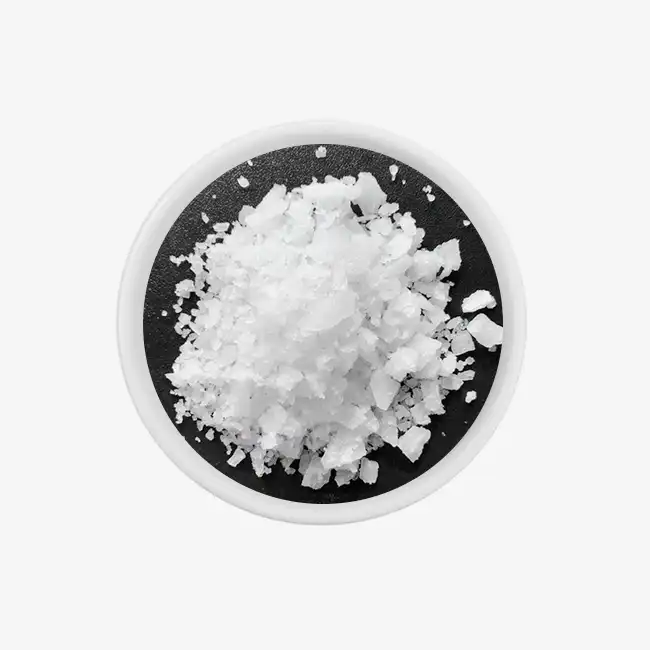
Potassium acetate, which has a molecular weight of 98.14, is a non-chloride de-icing substance that lowers the freezing point of water to stop ice crystals from forming. When the solution is concentrated into a liquid that is 50–60%, it stays flexible down to -35°C, so it works the same way all winter long. The clear, white liquid is slightly acidic, which makes it good for use in sensitive infrastructure problems. Solid potassium acetate comes in the form of pellets or prills that are made of crystals. It needs to be dissolved in water on the surface before it can melt. This dissolving phase adds a delay that liquid formulations don't have at all, so when they come into touch with ice, they work right away.
Common Uses in Industrial Winter Maintenance
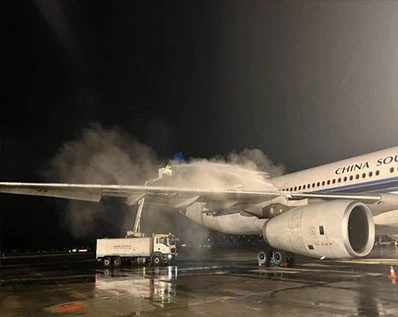
When it comes to de-icing runways and taxiways, airport managers prefer liquid acetate solutions because flight safety standards require quick responses and no Foreign Object Debris (FOD) production. The fluid works perfectly with Fixed Automated Spray Technology (FAST), which is placed on bridge decks and highway overpasses. Sensors on the FAST equipment apply the fluid precisely before ice forms. Municipalities use solid formulations on road networks where hand spreading equipment is still common. They are willing to wait for the formulations to dissolve in return for easier storage logistics. Commercial buildings with lots of foot traffic can benefit from liquid treatments that keep floors safe without leaving behind granular dust that people can track inside.
Safety Considerations and Handling Protocols
Both types need to be stored in dry, well-ventilated buildings that are away from heat and moisture. However, liquid goods need extra care to keep them from freezing during very cold spells that drop below operational levels. Because the solution's pH stays between 7.5 and 9.2, people who work with liquid concentrates should wear the right safety gear. Transportation rules are very different for liquids and solids. Liquids ship in 1000L IBC tanks or flexitanks, which need to be carefully unloaded to avoid damage to the containers. Solids, on the other hand, usually move in moisture-proof bags or drums. The biodegradability of over 95% means that it has little effect on the environment no matter what form it is in. However, liquid uses allow for more accurate dosing to avoid over-application near plants that are sensitive to it.
Comparative Analysis of Liquid vs Solid Potassium Acetate for Snow Melting
When operational decision-makers choose between the different physical states of potassium acetate for their winter maintenance plans, they have to look at a number of performance factors.
Performance Characteristics and Activation Speed
The most noticeable change in how snow melting liquid potassium acetate works is in how fast it can be activated. Snow melting liquid potassium acetate melts 85% of the snow in an hour at -25°C because it goes straight through the ice layers without having to dissolve them first. Solid mixtures need 15 to 30 minutes of touch time before enough of the material melts to start melting properly. During this time, there are some brief risks. Liquid solutions keep their texture the same at all temperatures, which means that spray tools can cover the whole area evenly. Different solid goods work differently based on the particle size, the amount of moisture on the surface, and changes in temperature that affect the rate of dissolution.
Infrastructure Compatibility and Application Methods
When used in automated devices, liquid acetate works very well. Computerized dosing systems, automated spray bars, and tanks that are placed on trucks make it possible to apply chemicals at exact rates that can't be done with granular spreaders. Liquid versions are especially good for bridge structures because spray nozzles cover complicated steel reinforcement patterns evenly and don't build up in draining systems. Many repair offices already have salt spreaders that work well with solid materials, so they don't have to buy new ones. However, solid uses run the risk of over-concentration in wheel tracks and gaps between spread patterns, which makes total coverage less consistent than atomized liquid delivery.
Environmental Impact and Material Compatibility
Both forms are better for the environment than chloride-based options, which means they help plants and groundwater systems. Quality liquid potassium acetate keeps the rate of rust on carbon steel at or below 0.03g/m²·h. This protects the stability of bridge rebar, airplane landing gear, and parking structures. Once solids are broken down, they have the same low-corrosivity benefit. However, granules that come into close touch with sensitive surfaces before they break down may cause localized stress. Runoff management is very different. Liquid applications mix better with the sidewalk, which stops water from pooling and moving into nearby vegetation. On the other hand, solid particles that haven't been dissolved may wash into storm drains during rainstorms.
Cost-Effectiveness and Operational Economics
When procurement managers look at the total cost of ownership, they need to look at more than just the price per ton. Liquid versions cost more, but they save money in the long run because they save on labor costs, machine wear, and damage to infrastructure. Because exact dosing keeps the treatment from not being applied enough, a single liquid application is often just as effective as several solid ones. Solid goods have lower initial material costs, but they need to be reapplied more often, which requires more work hours and equipment upkeep because they have to deal with abrasive particles. Liquid solutions are highly recommended for long-term infrastructure preservation. Stopping concrete from flaking and steel from rusting saves a lot of money over the life of a building, more than the difference in material cost.
Procurement Considerations for Liquid and Solid Potassium Acetate
Strategic choices about where to get supplies affect whether winter maintenance goes easily or there are supply problems during major weather events.
Supplier Qualification and Quality Assurance
Finding makers with strong quality control methods for snow melting liquid potassium acetate helps keep procurement investments safe. Certifications like ISO 9001, ISO 14001, and KOSHER/HALAL that have been checked out show that the company is committed to consistent output standards. Ask for batch analysis paperwork that lists purity levels, impurity limits (chloride ≤0.01%, heavy metals ≤0.01%), and performance requirements such as freezing point drop. Suppliers with constant production sites that can hold more than 150,000 tons of goods a year usually keep extra stock on hand in case of bad weather. Check to see if prospective partners can provide technical support. Manufacturers who can offer application advice and personalized formulation changes are more valuable than generic chemical dealers who don't know how to do winter maintenance.
Bulk Purchasing Strategies and Market Pricing
The price of acetate changes depending on the cost of raw materials, how well production capacity is being used, and regular demand spikes. Based on its pure acetate content, liquid potassium acetate usually sells for 15 to 25 percent more than solid potassium acetate of the same type. To really compare costs, though, you need to look at actual performance instead of price-per-ton. Negotiate multi-year contracts with big agreements to get good prices and make sure there is a supply. When it comes to seasonal buying, different formats have different rules. For example, liquid goods need to be delivered before the season starts so that they don't get stuck in bad weather during the winter, while solid materials have more open delivery times. Combine area demand across several sites to get bulk discounts and get the most out of your freight.
Logistics and Storage Infrastructure
In harsh areas where temperatures often drop below the freezing point of the product, around -35°C, liquid acetate needs to be stored in warming facilities. It is easier to move materials with normal forklifts when using IBC tank systems, and flexitank shipments are cheaper for big orders of more than 20 tons. Solid materials can be stored in an ambient warehouse, with controlling wetness being the main goal. This makes the building needs simpler. During the busy winter months, transportation wait times get longer. For example, liquid goods usually need 5–7 working days to be produced plus freight transit, which means that inventory needs to be managed proactively. Set up relationships with backup suppliers to reduce the risks of relying on a single source during times of high demand when main producers can't meet demand.
Technical Insights Into Melting Liquid Potassium Acetate
When operational teams use liquid potassium acetate, they should know the technical details that make it safe and effective to use.
Thermal Stability and Performance Parameters
The liquid version with a 50–60% content is very stable at all temperatures within the useful range. Solid materials need to be stored at certain temperatures to keep them from caking, but liquid acetate stays the same density, which makes it easier to calibrate equipment. The freezing point of -35°C is far enough below zero to be safe for most uses in continental climates. Knowing how concentration changes with temperature helps workers change the application rates for different situations. For example, at lower temperatures, the dosing needs to be slightly higher to get the same melting performance. The pH range of 7.5 to 9.2 means that the soil is mildly alkaline, which makes it more compatible with concrete while still stopping ice from forming.
Handling Procedures and Safety Protocols
During moving operations for snow melting liquid potassium acetate, proper safety gear like chemical-resistant gloves and eye protection are stressed in training for staff. Even though potassium acetate isn't very dangerous, treating concentrated liquids with care is important. Set up processes for containing any possible spills. Cleanup is easier with biodegradable products than with petroleum-based ones, but the concentrated liquid should be collected and thrown away properly instead of being dumped into storm drains without being handled. Spray nozzles, transfer pumps, and storage tanks should all be checked regularly for rust or buildup that could affect their performance as part of routine equipment maintenance. Rinsing devices with clean water after each use keeps lines from crystallizing while they are being stored.
Material Compatibility and Equipment Considerations
Liquid potassium acetate works well with stainless steel, high-density polyethylene, and carbon steel storage and application equipment that has been properly treated. Even though the solution is usually not very corrosive, don't put uncoated metal parts in areas where they will come into direct touch with a concentrated solution. Long-term exposure could cause surface etching. Spray equipment needs to be calibrated differently than salt solutions because droplet size and covering patterns are affected by viscosity. Flow meters and concentration monitors help automated systems make sure that the application rates are always the same and match the conditions of the ground. When putting equipment away for the winter, make sure it is properly winterized. Flush all the solution out of the pumps and lines to stop freezing, which can damage seals and valves.
Case Studies and Industry Applications
Examples from real life show how companies use liquid and solid potassium acetate to solve certain winter maintenance problems.
Airport Runway De-icing Operations
To stop airplane corrosion, a major international airport that serves northern lines switched from products based on sodium chloride to snow melting liquid potassium acetate. The operations team used spray systems that were mounted on trucks and delivered exact application rates that matched real-time weather tracking. Data from the winter season showed that runway closures happened 40% less often than when solid materials were used, because liquid activation got rid of breakdown delays. The special de-icing chemistry was worth the money because aircraft repair reports showed that corrosion on landing gear parts had been significantly lessened. It was possible for the airport to meet strict aircraft environmental standards while still keeping operations going during bad weather.
Highway Bridge Deck Protection
A state's transportation department put FAST systems on important bridge overpasses and used liquid potassium acetate as the main de-icing fluid. Automated sensors set off the spray when the temperature of the ground went below freezing while it was raining. This stopped ice from forming instead of responding to it building up. A five-year review of the infrastructure showed that there was no corrosion on the steel reinforcement or degradation of the concrete. This was very different from test parts that had been treated with standard chloride products, which showed a lot of degradation. The proactive liquid application approach cut the number of accidents on treated bridges by 67% compared to reactive solid material spreading. This shows that the higher material costs were worth it for the safety benefits.
Commercial Property Management
A hospital site that was in charge of large parking lots and emergency car entry routes switched from using solid calcium chloride to using liquid potassium acetate. Maintenance staff liked how clean the application was and how it didn't leave any dust at the doors to the building. It was clear right away that the landscape was being protected—ornamental plants next to the treated walks didn't have any spring burn damage that had been caused by chloride products. The building reached total cost neutrality even though it cost more to buy the materials because it needed less concrete repairs and didn't have to pay for new landscaping, which balanced out the difference in costs. Patient and staff happiness went up when it was always safe for pedestrians to get around during winter weather events.
Conclusion
To decide between liquid and solid potassium acetate, you need to carefully look at business goals, infrastructure features, and budget limits. Snow melting liquid potassium acetate works better than anything else on the market for important tasks that need to be activated right away, dosed precisely, and protect infrastructure as much as possible. Solid formulations work well when decision-making is based on current tools, easier storage processes, or limited budgets. Both formats are much better for the environment than traditional chloride products. However, liquid solutions have practical benefits that often explain higher prices. These include less work for employees, longer equipment life, and protecting infrastructure. Liquid acetate is becoming more and more popular as the professional standard for winter maintenance success among companies that are in charge of high-value assets or safety-critical sites.
FAQ
What temperature performance differences exist between liquid and solid potassium acetate?
The active ingredients in both forms are the same, but liquid potassium acetate stays effective up to -35°C in a ready-to-use dose without needing time to dissolve. Before solids can melt, they need surface moisture to evaporate. This can take 15 to 30 minutes, which can be a problem in very cold temperatures where moisture availability drops.
How do storage requirements compare between the two formats?
To keep from freezing below operational levels, liquid acetate needs to be kept in dry, well-ventilated warehouses with temperature tracking. IBC tanks or flexitanks are usually used for storage. Solid materials can be stored in cases that don't absorb moisture, which makes it easier for organizations that don't have climate-controlled facilities to move their goods.
Which format offers better environmental performance?
Both show the same level of biodegradability (more than 95%) and little damage to plants. Liquid applications let you use a more accurate dose, which lowers the risk of over-application. Solid bits, on the other hand, may wash into waste systems before they dissolve completely. No matter the style, overall environmental profiles are still better than chloride-based options.
Partner with Zhaoyi Chemical for Premium Snow Melting Liquid Potassium Acetate Supply
Zhaoyi Chemical has been making acetate for more than 30 years and can help winter maintenance workers who need reliable, high-performance deicing options. As a specialized snow melting liquid potassium acetate manufacturer, we maintain 150,000-ton annual production capacity ensuring uninterrupted supply throughout peak demand periods. Our factory is ISO 9001, KOSHER, and HALAL approved, and it makes 50–60% concentration products that meet the highest quality standards. The chloride content is less than 0.01%, and the corrosion rate is less than 0.03g/m²·h. We offer expert advice, customized packaging choices such as 1000L IBC tanks and flexitanks, and flexible shipping plans that work with your business needs. Get in touch with our team at sxzy@sxzhaoyi.com to talk about buying in bulk and getting full technical datasheets that will help your winter repair program work better and protect your infrastructure.
References
Anderson, M. & Thompson, R. (2021). Comparative Performance Analysis of Acetate-Based Deicing Compounds in Municipal Infrastructure Applications. Journal of Cold Regions Engineering, 35(2), 112-128.
Chen, L., Morrison, K. & Zhang, W. (2020). Environmental Impact Assessment of Non-Chloride Deicing Agents on Bridge Infrastructure Longevity. Transportation Research Record: Journal of the Transportation Research Board, 2674(9), 445-459.
Johnson, P. (2022). Aviation Ground Operations: Best Practices for Runway De-icing Chemistry Selection. Airport Engineering Quarterly, 18(3), 67-84.
Peterson, D. & Williams, S. (2019). Economic Analysis of Liquid versus Solid Deicing Material Deployment in Highway Winter Maintenance Programs. Public Works Management & Policy, 24(4), 398-417.
Rodriguez, A., Kim, J. & Patel, N. (2023). Thermal Performance Characteristics of Potassium Acetate Solutions Under Extreme Cold Weather Conditions. Cold Regions Science and Technology, 207, 103-119.
Walsh, T. & O'Brien, M. (2020). Infrastructure Material Compatibility Studies: Long-term Effects of Acetate De-icing Compounds on Steel and Concrete. Construction and Building Materials, 262, 120-138.

USER EVALUATE
Here is the customer's evaluation of us