



Potassium Acetate Deicing Liquid for Environmentally Sensitive Areas
When winter weather risks protected infrastructure, picking the right deicing option is more than just a matter of business; it's also a matter of protecting the environment. Deicing liquid potassium acetate is now the best choice for companies that run airports near rivers, bridge systems next to protected areas, and industrial sites that must protect the environment at all costs. This non-corrosive, recyclable mixture effectively stops ice up to -60°C while safeguarding infrastructure investments and the ecosystems around them from the harm that chloride salts normally cause to soil, water, and plants.
Understanding Potassium Acetate Deicing Liquid
Chemical Composition and Performance Characteristics
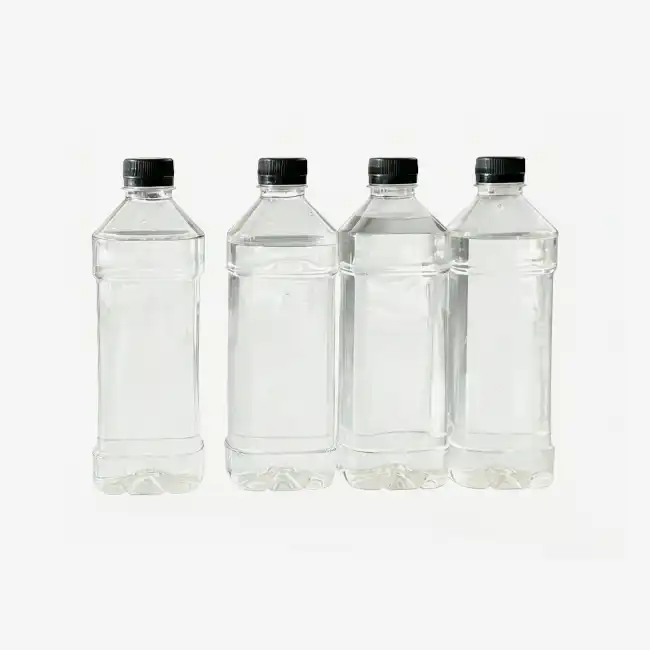
Potassium acetate (CH₃COOK, CAS 127-08-2) is a big step forward in the chemistry of winter upkeep. It is clear and colorless, and its active ingredient content stays between 50 and 60%. It was made to work around the problems with regular deicing products. This solution can easily get through layers of ice because its molecular weight is 98.14 and its specific gravity is between 1.25 and 1.30. It also stays flexible at very high and very low temperatures.
It works because of a chemical process called freezing point depression. When deicing liquid potassium acetate is put on concrete, it lowers the temperature at which water molecules join together to make solid ice. This breaks up the crystalline structure of ice formation. This eutectic point gets down to about -60°C (-76°F), which is a lot safer than glycol-based options and regular salt brines. Its slightly acidic nature makes it perfect for breaking current ice ties, and its buffered pH range of 7.5–9.2 keeps metal parts from rusting.
Environmental Advantages Over Traditional Deicers
Assessments of the effects on the environment explain why acetate-based options are preferred in sensitive areas. Potassium acetate breaks down quickly in the soil due to natural bacteria processes, while chloride salts build up in the soil and seep into groundwater systems. The Biological Oxygen Demand (BOD) stays much lower than with urea-based formulas. This stops the oxygen depletion events that are so bad for aquatic communities during spring flow.
Studies on vegetation tolerance show another important benefit. Plants along roadsides and around airports that are exposed to potassium acetate waste don't react as badly to stress as plants that are exposed to calcium or magnesium chlorides, which cause serious leaf burn and root damage. This compatibility is very important for businesses that work near marshes, drinking water reservoirs, or protected animal areas where environmental responsibility is required by law and must be proven.
Storage and Handling Requirements
Following the right storage rules will make a product last longer and keep its performance qualities. For the answer to work, the building needs to be dry, well-ventilated, and away from direct heat sources and sources of moisture. Materials that can be used for storage that are compatible include stainless steel tanks and high-density polyethylene (HDPE) cases. These materials keep products from breaking down chemically and keep their purity for long periods of time.
When transporting things, it's important to be careful not to damage containers while they're being loaded and unloaded. The product must be kept away from things that don't work with it, especially strong burning agents. If the solution is kept properly in sealed 1000L IBC drums or flexitanks, it can stay fresh for an infinite amount of time without settling or precipitating. This makes sure that it is ready for when winter storms come through.
Potassium Acetate vs. Other Deicing Solutions
Comparative Analysis with Chloride-Based Products
Calcium chloride and magnesium chloride make up most of the standard deicing market because they are cheaper to buy. However, they have secret costs that add up over time, like damage to infrastructure and cleanup of the environment when compared to deicing liquid potassium acetate. Ions of chlorine can get into concrete, where they can reach steel reinforcements that are buried and start rusting processes that weaken the structure. Bridge decks that have been treated with chloride salts over and over again need expensive repairs every 15 to 20 years, but areas that have been secured with acetate stay structurally sound for much longer.
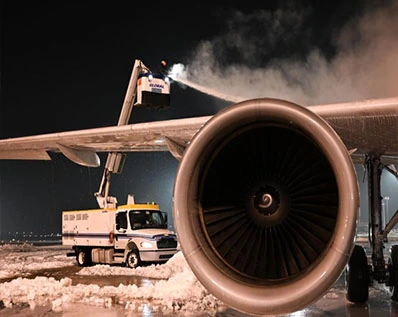
Concerns about airplane safety make these worries even stronger. Aluminum alloys, magnesium parts, and cadmium-plated gear on both civilian and military airplanes are damaged by chloride exposure. Even small amounts of leftovers tracked onto taxiways and walkways can cause corrosion, which is why cleaning procedures are so strict and inspection times are sped up. Deicing liquid potassium acetate versions get rid of all of these worries, so airports can keep strict safety standards without putting too much stress on their fleets of expensive planes.
Performance Comparison with Alternative Acetates
Sodium acetate and potassium acetate both have many positive effects on the world, but they work in different ways. Due to its bulk, the potassium version works better at low temperatures and can break through ice more easily. Municipal water treatment plants that already use sodium acetate as a carbon source for denitrification processes might be able to use current buying connections, but airports and highways that want to be as reliable as possible in cold weather always ask for potassium versions.
Glycol-based deicers are only used in a few specific situations, like deicing airplanes. However, they are hard to use on concrete. Higher viscosity makes it harder for substances to get through, and slower biodegradation rates raise the amount of BOD in stormwater systems. Another important reason is the difference in price; glycol products are more expensive, which puts a strain on operations funds for large-area treatments that are typical in airports and highways.
Cost-Efficiency and Long-Term Value Assessment
To make direct cost comparisons, you need to look at the total costs of ownership instead of just the price per gallon. Higher original purchase prices are balanced out by lower infrastructure upkeep costs, longer equipment service lives, and fewer costs for cleaning up the environment. When highway offices keep track of bridge stocks, they figure out the return on investment by guessing how much the repairs will cost in the future. Usually, they write down payback periods of three to five winter seasons.
Increasing operational performance adds more value. The liquid formulation works perfectly with automatic spray systems, which cuts down on the need for manual labor and lets accurate application rates keep product waste to a minimum. Using anti-icing qualities before a storm means that smaller amounts are needed to keep the ice from sticking together, instead of heavy treatments needed to get rid of already-formed ice accumulations.
Application Methods and Best Practices for Potassium Acetate Deicing Liquid
Spray Application Systems and Equipment Compatibility
Modern truck spray systems work best for covering big areas on airport runways and taxiways. Spreading the solution evenly across the sidewalk with boom-mounted pumps makes a protective brine layer that stops ice crystals from sticking to the surface. Depending on the temperature of the surface, the amount of rain that is expected, and the chemicals that were already there after earlier treatments, the application rate is usually between 50 and 100 gallons per lane mile.
Fixed Automated Spray Technology (FAST) installations on bridge decks are the most advanced way to use deicing liquid potassium acetate. When conditions are right for ice development, sensors that check the temperature and moisture of the ground start automatic spray cycles. Because deicing liquid potassium acetate doesn't get clogged, the system will work reliably all winter long, without the upkeep issues that come with granular product delivery systems. Stainless steel pumps and HDPE tubes will work together for a long time without breaking down.
Pre-treatment and Anti-icing Strategies
When it comes to results, proactive anti-icing treatments are better than reactive deicing methods. Meteorological forecasts lets treatments happen two to four hours before rain or snow, giving the solution time to form a chemical barrier on the ground. This preventative approach uses about 30% less product volume than getting rid of bonded ice buildups, which saves money right away and keeps service levels high during storms.
Monitoring the temperature of the pavement helps with deciding when to apply the material. When temperatures on the ground are getting close to freezing, even light rain can quickly make things dangerous. Using potassium acetate early on stops the mechanical bonding that happens when snow melts some and then freezes back up into thick layers of ice. When anti-icing techniques are used instead of standard deicing methods, maintenance supervisors say that plow wear and fuel use go down by a huge amount.
Dilution Protocols and Concentration Management
Standard formulas at a 50% dose work best in most situations and don't need to be diluted in the field. Certain practical situations might call for changes in concentration. For example, full-strength doses work best in very cold conditions, while small amounts of dilution can be used to cover a larger area in mild temperature ranges close to freezing. Water quality affects how well dilution works. For example, calcium or magnesium ions in hard water can cause precipitation when mixed with concentrated acetate solutions, which makes handling more difficult.
During storage and use seasons, quality control tests make sure that concentration levels are correct. Using a refractor to measure the solution quickly in the field makes sure that it keeps its freezing point depression properties. Protocols for keeping track of concentration, application rates, and weather conditions create data files that help with efforts to make things better all the time and meet governmental reporting requirements.
Procurement Guide for Potassium Acetate Deicing Liquid
Supplier Evaluation Criteria
To find good suppliers, you need to look at their manufacturing skills, quality control systems, and certifications in the field. For quality control, production facilities should show that they follow ISO 9001, for environmental responsibility, ISO 14001, and for health and safety at work, ISO 45001. Instead of just meeting the requirements set by regulators, these licenses show that the process is controlled in a planned way and is always getting better.
The annual production capacity for deicing liquid potassium acetate shows how reliable the supply will be during times of high demand. Winter weather events affect large parts of the world at the same time, causing rapid increases in demand that put a strain on supply lines. If suppliers keep enough goods on hand and can produce more than 100,000 tons per year, they can meet pressing orders without having to worry about allocation limits or long lead times that leave facilities open to damage during severe weather events.
Technical Documentation and Safety Data
Material Safety Data Sheets (MSDS) contain important details that are needed for safety training, planning how to handle emergencies, and showing that you follow the rules. Transportation classifications, correct shipping names, and danger classifications help carriers and logistics teams work together. Potassium acetate is not as dangerous as many other industrial chemicals, but making sure you have the right paperwork shows that you follow the rules and are good at managing the supply chain.
Third-party testing certifications make sure that the product is pure and meets the performance standards. A lab test showing that the deicing liquid potassium acetate solution has a chloride content of less than 0.01%, an iron content of less than 0.002%, and a heavy metal content of less than 0.01% makes sure that it meets standards for environmental release and saves infrastructure from corrosion caused by contamination. KOSHER and HALAL certifications show strict quality control that goes above and beyond what is required by normal industry standards. This is important for sellers who work with a variety of facility types.
Logistics and Delivery Considerations
Options for bulk packing strike a mix between ease of handling and low cost. Facilities with the right unloading equipment and storage space can use IBC tanks that hold 1000 liters, and flexitank shipping make it cheap to ship containers for foreign purchases. Custom packing solutions can be made to fit the needs of a specific building or piece of application equipment.
Coordinating delivery times avoids problems with storage and makes sure that products are available before bad weather happens. Suppliers who keep their stock in central places across major market regions offer flexible delivery times. Stock items are shipped within 24 to 48 hours of an order being placed. Production wait times for special formulations or big orders usually last between 5 and 7 working days, so you need to plan ahead during peak buying times.
Building Strategic Supplier Relationships
Long-term relationships with suppliers give businesses benefits over short-term price negotiations. A lot of value is added to procurement deals by technical support services like application training, advice on how to make tools work better, and troubleshooting for poor performance. Suppliers with specialized expert teams that are available for advice help facilities run more efficiently and work together to solve new problems.
Different types of organizations have different needs when it comes to buying things, and flexible business terms can meet those needs. When a government agency signs a contract, they usually want certain cars and payment terms. Private operators, on the other hand, want transportation flexibility and volume savings. Many experienced suppliers accept different types of trade terms, such as FOB, CIF, and DAP. They do this to accommodate buyer tastes while keeping price structures clear.
Case Studies & Verification of Potassium Acetate in Sensitive Environments
Airport Operations Near Protected Watersheds
Chloride-based deicers were not allowed at a regional airport that was next to a designated trout spawning area because of strict discharge limits. By switching to deicing liquid potassium acetate, worries about following the rules were taken away, and safety standards for the runway were maintained even during harsh winter conditions. Biological tracking done downstream of the airport's rainwater outfalls showed that there was no discernible effect on aquatic invertebrate populations or fish health indicators over the course of three winters.
Environmental compliance wasn't the only operational gain. Supervisors of aircraft maintenance said that there were fewer checks and fixes related to corrosion. This was especially true for landing gear parts and belly skin panels that were exposed to chemicals on the runway during taxi operations. The lower recorded maintenance costs helped a lot to make up for the higher cost of buying the product compared to older chloride salt systems.
Bridge Infrastructure Protection Programs
A state highway department that is in charge of more than 200 bridges in coastal areas started using acetate-based deicing to slow down the concrete's rapid breakdown caused by chloride exposure and salt air rust. Five years after the changes were made, engineering reports showed that the concrete scaling and flaking was much less severe than on bridges in interior areas that were still using old methods.
The automated spray system coupling worked especially well. When FAST was installed on 35 important bridge structures, chemicals could be delivered precisely based on the weather. This cut the total amount of product used by 40% compared to hand truck uses and made service more reliable during overnight freezing events. The maintenance crew's comments showed that there were fewer calls for emergencies and better public safety results.
Industrial Facility Operations in Cold Regions
To do more than just melt ice, mining activities in icy areas use potassium acetate. The solution is used as a low-temperature heat transfer fluid in thermal management systems for equipment and as a ballast liquid in digging operations where water-based fluids would not work because of freezing temperatures. This flexibility makes buying easier and cuts down on the number of unique chemicals that need different storage and handling rules.
The product's technical specs are backed up by its performance reliability in harsh circumstances. With the right acetate solutions, equipment that works in -40°C temperatures stays functional, avoiding expensive downtime and allowing continuous operations throughout the winter, when weather-related problems can affect production plans.
Conclusion
When choosing deicing options for places that are sensitive to the environment, you have to find a balance between protecting infrastructure and being effective at your job. Deicing liquid potassium acetate has a wide range of benefits, including being able to work better at low temperatures, breaking down naturally, and not corroding, which helps keep infrastructure in good shape for longer. When you add up the total costs of ownership, which include deferred upkeep, environmental compliance, and better safety results, the original investment difference compared to traditional chloride salts goes away. Acetate-based strategies help organizations that are in charge of airports, bridges, and industrial facilities in protected zones balance operational excellence with environmental stewardship. This makes it possible to create long-lasting winter maintenance programs that meet both immediate safety needs and long-term goals for facility preservation.
FAQ
How does potassium acetate perform in temperatures below -40°C?
In very cold weather, where many other solutions freeze solid or stop working, deicing liquid potassium acetate stays effective all the way down to its eutectic point, which is close to -60°C. It can continue to penetrate and break up ice bonds even at these very low and very high temperatures because of its specific gravity and chemical qualities. This makes it perfect for use in the arctic and at high elevations.
What is the typical shelf life under proper storage conditions?
When kept in dry, temperature-controlled storage in packages that are compatible, potassium acetate has an infinite shelf life and doesn't break down or lose its effectiveness. There is no thickening or precipitation in the solution over time, so it is always ready to use, even if it is stored during the winter.
Can potassium acetate damage concrete or asphalt surfaces?
Chloride salts can get into concrete and damage steel reinforcements that are buried in it, but acetate versions don't interact with concrete much and don't have any scaling effects that can be measured. Acetate doesn't damage asphalt surfaces, so the product is safe for all kinds of pavement that are widely found in transportation systems.
Partner with Zhaoyi Chemical for Reliable Deicing Solutions
Trustworthy manufacturing agreements are needed for winter repair plans that protect both infrastructure and ecosystems. Zhaoyi Chemical has been making specialized acetate for more than 30 years and has ISO-certified plants that can produce 150,000 tons of acetate every year for airports, cities, and businesses around the world. Our deicing liquid potassium acetate meets the strict requirements of SAE AMS 1435 for aircraft applications. It also has KOSHER and HALAL approvals, which show that we don't cut corners on quality.
Whether you're a seller of deicing liquid potassium acetate looking for a trusted source or an end user needing large amounts, our technical team can help you with everything from choosing the right product to making the best use of it. We keep smart inventory reserves to make sure that we can deliver quickly, even during times of high demand. We offer a variety of packaging choices, such as 1000L IBC tanks and container flexitanks.
You can talk to our buying experts at sxzy@sxzhaoyi.com about your unique needs, ask for technical data sheets, or set up product samples. You can look at our full line of acetate products at zhaoyichemical.com and learn why top companies choose Zhaoyi Chemical as their preferred deicing liquid potassium acetate maker for winter maintenance programs that are good for the environment.
References
Transportation Research Board. (2023). Guidelines for the Selection of Snow and Ice Control Materials to Mitigate Environmental Impacts. National Academies Press, Washington, DC.
American Society for Testing and Materials. (2022). ASTM D6686 Standard Specification for Liquid Anti-Icing and Pre-wetting Chemicals for Application to Highway Pavement. ASTM International, West Conshohocken, PA.
Federal Aviation Administration. (2021). Advisory Circular AC 150/5200-30D: Airport Winter Safety and Operations. U.S. Department of Transportation, Washington, DC.
International Civil Aviation Organization. (2020). Aerodrome Design Manual Part 2: Taxiways, Aprons and Holding Bays. ICAO Publications, Montreal, Canada.
Pacific Northwest Snowfighters Association. (2022). Best Practices for Bridge Anti-icing and Deicing Operations. PNSA Technical Report Series, Portland, OR.
Environmental Protection Agency. (2023). Environmental Impacts of Road Salts and Alternative Deicing Materials. EPA Office of Research and Development, Cincinnati, OH.

USER EVALUATE
Here is the customer's evaluation of us