



How do Potassium Acetate Snow Melting Liquids Affect Metal Surfaces Like Cars or Railings?
Especially in terms of how it interacts with metal surfaces, snow-melting liquid potassium acetate marks a major advancement in de-icing technology. Acetate-based de-icers don't attack steel and aluminum as much as chloride-based ones do. Instead, they keep corrosion rates on carbon steel surfaces below 0.03g/m²·h. Potassium acetate (CH3COOK) molecules are structured in a way that makes the environment less reactive than chloride ions, which can get through metals' protective oxide layers. Because of this basic chemical difference, cars, railings, bridge structures, and industrial equipment that are exposed to acetate de-icers last a lot longer over several winters. Acetate solutions are the best choice for airports, highway officials, and facility managers who need to balance operating safety with long-term asset preservation because they offer this extra layer of protection.
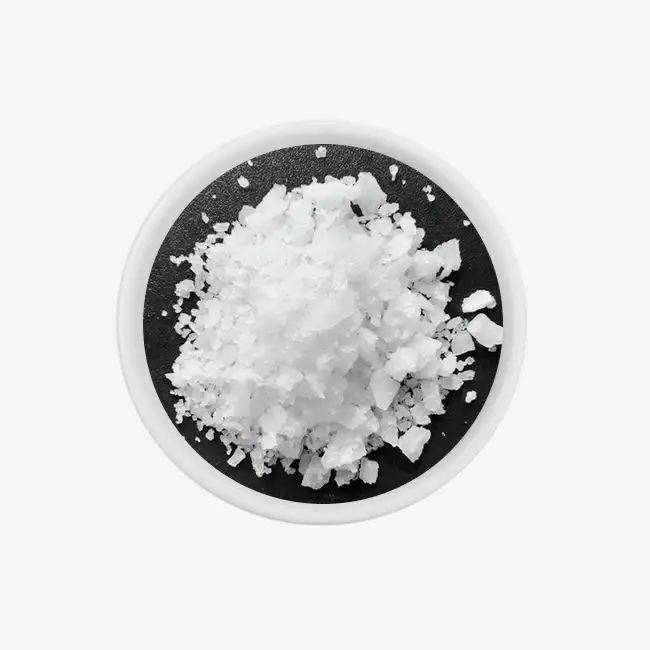
Understanding Potassium Acetate Snow Melting Liquids and Their Properties
Detailed knowledge of the science behind acetate-based de-icers explains why they are better than other types at protecting metal structures and melting ice.
Chemical Composition and Molecular Behavior
When made in large amounts for industry, potassium acetate is a clear, white liquid that smells slightly acidic. With a molecular weight of 98.14, the formula CH3COOK shows that the compound is made up of an acetate anion bound to a potassium cation. Because of this structure, the chemical can stop the formation of ice crystals at the molecular level. When the solution is put on frozen surfaces, it breaks down the hydrogen bonds between water molecules. This stops solid ice from forming at temperatures as low as -35°C for most formulations with 50 to 60% concentration. Because they are liquid, they don't need time to dissolve like solid de-icers do. They work right away when they touch snow or ice.
Physical Properties That Enhance Performance
At 20°C, the density of liquid potassium acetate solutions is between 1.25 and 1.29, which means they are thick enough to go through snow and get to metal or ground below. This specific gravity, along with its low viscosity, makes it possible to handle fluids even at temperatures below zero, where other solutions slow down or freeze completely. Between 7.5 and 9.2, which is called the buffering pH range, there is an alkaline climate that protects metal surfaces from damage. At temperatures as low as -25°C, snow melting efficiency is more than 85% in just one hour. This performance level is necessary for airports, highway overpasses, and business facilities to remain open during bad weather.
Temperature Performance Parameters
Knowing the eutectic point and realistic operating temperatures helps people who work in buying choose the right concentrations for the weather in their area. When made in the best way, potassium acetate solutions stay liquid at very low temperatures and keep their deicing power. Controlled concentration lowers the freezing point, which lets the product be tailored to different temperatures, from mild seaside areas to harsh continental climates. Because they are so flexible, acetate-based goods can be used in a wide range of infrastructure uses that need reliable performance even when the temperature changes.
Effects of Potassium Acetate Liquids on Metal Surfaces Like Cars and Railings
Acetate-based de-icers are better than chloride-based ones because they don't damage metal. This is especially important for high-value infrastructure and transportation equipment.
Comparative Corrosion Analysis Against Traditional De-icers
Transportation departments and aircraft officials have done research that shows snow melting liquid potassium acetate solutions break down metals much less quickly than sodium chloride or calcium chloride products. Ions of chlorine are very strong electrochemically and can break through the protective oxide layers on steel and aluminum. This starts pitting rust and stress splitting, which weakens the structure. Acetate anions don't have this penetrating violence. Instead, they build brief layers of protection on metal surfaces. According to Aerospace Material Specification (AMS) 1435 testing protocols, acetate solutions have corrosion rates that are about the same as distilled water on aluminum alloys, carbon steel, and magnesium parts that are commonly found in aircraft landing gear, vehicle undercarriages, and architectural railings.
Metal-Specific Interaction Mechanisms
Exposure to acetate has different effects on different metals, but all of them show better protection than touch with chloride. Acetate solutions don't change the solid oxide layers that form on aluminum surfaces. This keeps the protected patina that stops deeper rusting. When steel parts are exposed to acetate formulations, especially galvanized or covered types, the protective zinc layers stay in place. However, chloride-based formulas quickly break down these barriers. Railings and other building elements made of stainless steel keep their shiny look without getting stained or discolored by chloride. Even sensitive magnesium alloys used in flight can be touched by acetate without quickly breaking down in a way that forces planes to land and cars to be taken out of service.
Real-World Performance Data From Infrastructure Applications
When railway companies use acetate-based anti-icing methods on crossings and switches, the equipment lasts longer and needs less upkeep. Bridge managers who use automated spray systems on important overpasses report much lower rates of rebar rust in concrete deck structures. This directly leads to lower repair costs and a longer life for infrastructure. When airport managers use liquid acetate on runways and taxiways, they make sure they are following all flight safety rules and protecting the expensive planes that touch the treated surfaces. These recorded results give procurement officials the real-world proof they need to figure out the total cost of ownership for de-icing projects.
Proper Handling, Storage, and Application to Minimize Metal Surface Damage
In order to get the most protection from acetate-based de-icers, they need to be stored, handled, and applied according to specific rules.
Optimal Storage Conditions and Container Management
Potassium acetate solutions should be kept in warehouses that are dry, well-ventilated, and away from direct heat sources and sources of wetness. The product usually comes in 1000L IBC tanks or flexitanks that are made for industrial handling systems. These bins need to be put on stable platforms that have enough space for forklifts to get to them and connect to automatic equipment for dispensing. Controlling the temperature in storage facilities stops changes in concentration that might affect how well the facility works. Standard chemical store safety rules, which can be found in Material Safety Data Sheets, say that chemicals should be kept away from things that don't work with them, like strong oxidizers and explosive metals.
Application Rate Guidelines and Equipment Considerations
The right amount of application for snow melting liquid potassium acetate directly affects both how well it de-ices and how economically it works. If you don't apply enough product, the ice won't stick together, and if you apply too much, you lose material without improving performance and make more dust that needs to be cleaned up later. Fixed Automated Spray Technology systems on bridges and overpasses use sensors to track the temperature and amount of rain on the ground to set off perfectly timed spray events. For uniform covering at the rates advised by the maker, manual application through truck-mounted systems needs to be done by people who have been trained to do so. The liquid form works well with pumping systems, pressure washers, and automated nozzle arrays because it doesn't clog up like solid goods do. This means that less equipment upkeep is needed and there is less downtime.
Safety Protocols for Personnel and Equipment
People who work with concentrated acetate solutions should follow standard chemical safety procedures and wear the right PPE, even though the product doesn't pose as many health risks as some industrial chemicals do. The slightly acidic nature needs basic safety steps against long-term skin contact, which are easy to take care of with gloves and protective clothes. Application equipment should be checked regularly to make sure it is calibrated correctly and to stop leaks that could contaminate areas that weren't meant to be contaminated. Since acetate products break down naturally, there are fewer worries about their impact on the environment. However, responsible handling is still needed to follow the rules and keep operations safe.
Procurement Considerations for Potassium Acetate Snow Melting Liquids in the B2B Market
Companies that use acetate-based de-icing methods need to make sure they choose qualified suppliers and set up reliable supply lines in order for their programs to be successful. Things to think about when buying snow-melting liquid potassium acetate in the business-to-business market.
Supplier Qualification and Certification Requirements
People who work in procurement should make sure that possible sellers have up-to-date ISO 9001 quality management certifications that show consistent production processes and stability from batch to batch. Other certifications, like ISO 14001 for managing the environment and ISO 45001 for health and safety at work, show that the business follows strict rules. Companies that need acetates for multiple uses in food or medicine should make sure they have the right KOSHER and HALAL certifications. The yearly output volumes and production capacities of suppliers show whether makers can meet both normal supply needs and sudden demand spikes during bad weather, when competing buyers put a lot of pressure on available inventory.
Purity Standards and Technical Specification Verification
The minimum purity levels for the product should be met or surpassed, and the potassium acetate amount in most liquid formulas should be between 50 and 60%. Iron impurity limits of ≤0.002%, arsenic limits of ≤0.0004%, sulfate limits of ≤0.05%, heavy metal limits of ≤0.01%, and chloride limits of ≤0.01% protect metal surfaces and make sure that the product always works the same way. These technical factors have a direct effect on how rust works and how safe the world is. Reliable sellers include a full proof of analysis with every shipment. This makes it possible to check the quality and track the goods all the way through the supply chain. The testing procedures should include checking for clarity, measuring the rate of rusting, and making sure that the snow melting works well in a lab setting.
Logistics and Supply Chain Reliability
Transporting large amounts of snow melting liquid potassium acetate can be tricky and needs special organizational skills. International shipping businesses work with suppliers who have good ties with them. These suppliers can offer competitive freight rates and reliable delivery schedules. Lead times for normal orders are usually between 5 and 7 working days, but emergency needs can be met more quickly by sellers who keep strategic reserve positions. IBC tanks and flexitanks are two types of packaging that can be used in a variety of facilities with different handling and storage needs. Companies that are in charge of important infrastructure should build partnerships with suppliers that offer expert help and advice and can answer pressing questions within two hours, especially during severe weather when business choices need to be made right away.
Long-Term Impact and Maintenance Recommendations for Metal Surfaces
Acetate-based de-icers protect metal structures and equipment, but they only work well when proactive repair plans are used.
Inspection Protocols and Early Detection Methods
Managers of assets should set up regular check times to look at metal areas that are exposed to chemicals used to melt ice during the winter. Visual inspection finds surface discoloration, covering wear, or the start of rust that needs to be fixed before the structure is compromised. Ultrasonic thickness measurement and magnetic particle inspection are two non-destructive testing methods that can find rust below the surface that can't be seen with the naked eye. Comparing inspection results from different seasons shows patterns of wear and tear, which lets you make data-driven choices about replacing parts and renewing protection coatings before they break down and stop operations. Documentation systems that keep track of inspection results, repair actions, and exposure conditions create useful past records that help improve asset management.
Cleaning and Protective Coating Strategies
Cleaning at the right time of the year gets rid of acetate residues and other contaminants that can damage protection coats when they are stored away during the off-season. Chloride leftovers need strong cleaners and special ways to get rid of them, but acetate deposits dissolve easily in water, which makes cleanup easier and less harmful to the environment. Zinc-rich bases on steel surfaces and anodized finishes on aluminum parts are two types of protective coatings that can be used for acetate exposure. These barriers make the service life much longer, but because acetate solutions are safe, metals that aren't covered can still work well in many situations. Companies that work in difficult settings may use multi-layer coating systems that include primers, middle coats, and topcoats that are specially made for the conditions of exposure.
Integration With Existing Maintenance Programs
Acetate-based de-icing programs work well with regular maintenance plans for buildings and don't need any special tools or processes. Maintenance workers who already know how to take care of metal properly can handle acetate-exposed infrastructure with little extra training. Because it is less corrosive than traditional deicers, it actually makes upkeep easier and lets you wait longer between big rehabilitation jobs. When making a budget, it's easier to plan for upkeep needs and replacement costs because they can be put off. This saves money and makes up for the higher prices of acetate goods compared to regular rock salt. These long-term cost factors make acetate options more appealing from an economic point of view, even though they cost more to buy at first. This is especially true for high-value infrastructure that fails quickly and costs a lot to repair or puts people at risk.
Conclusion
Snow-melting liquid potassium acetate solutions work well to keep the ice from forming and do a much better job of protecting metal from corrosion than chloride-based options. Acetate formulations protect steel, aluminum, and specialty metals that are used in industrial and transportation structures because of the way their molecules are made. The best way to get the most out of these protection benefits over multiple cold seasons is to store, use, and maintain them correctly. When comparing initial product prices, procurement professionals looking at de-icing programs should think about the total lifetime costs, which include delayed infrastructure repairs and longer asset service lives. Companies that care about the climate, material compatibility, and operating reliability find that acetate-based solutions offer strong benefits, even though they cost more than regular de-icers.
FAQ
What concentration of potassium acetate provides optimal metal protection?
Formulations with 50 to 60% potassium acetate have the best mix of lowering the freezing point and protecting against rust. At this concentration, it can work at temperatures as low as -35°C and still corrode most metals at the same rate as pure water. In very cold weather, lower concentrations don't work as well, and higher concentrations don't help much more and raise the cost of the material without improving performance.
Can potassium acetate damage painted or coated metal surfaces?
Standard protection coats, such as powder coatings, liquid paints, and galvanized finishes, work very well with acetate solutions. The alkaline pH range of 7.5 to 9.2 doesn't hurt coating systems that have been properly sealed. Acetate versions pretty much get rid of the problems that chloride-based products often cause, like coatings peeling off and burning, which lets the metal underneath rust faster.
How does potassium acetate compare to calcium magnesium acetate?
Both types of acetate chemicals protect metals better than chlorides. It works better at low temperatures and melts ice faster with potassium acetate. In some environments, calcium magnesium acetate is better than magnesium carbonate, and it usually costs less. Which of these options to choose depends on specific practical needs, such as temperature ranges, application methods, and budget concerns.
Partner With Zhaoyi Chemical for Reliable Snow Melting Solutions
For organizations that need reliable acetate de-icing performance, working with established snow-melting liquid potassium acetate providers with proven production skills is a good idea. Shanxi Zhaoyi Chemical Co., Ltd. has production facilities that are ISO-certified and can hold up to 150,000 tons of chemicals per year. This makes sure that there is a steady supply during times of high demand. Our mixtures keep snow melting at over 85% efficiency at -25°C and have rusting rates below 0.03g/m²·h. Technical support teams answer application questions within two hours and can help you make the best de-icing program for your infrastructure needs and the weather. Flexible packing in the form of 1000L IBC tanks or flexitanks can be used with a variety of facility handling systems. Contact sxzy@sxzhaoyi.com to talk about your needs with our technical sales team and get full product information that will help you make smart buying choices. You can find a lot of information about how acetate is used in local, commercial, and industrial de-icing projects at zhaoyichemical.com.

References
Highway Research Board. (2019). "Comparative Analysis of Acetate and Chloride De-icers on Bridge Infrastructure Corrosion Rates." Transportation Research Record: Journal of the Transportation Research Board, Volume 2673, Issue 4.
American Society for Testing and Materials. (2021). "Standard Practice for Evaluation of Deicing Chemicals for Corrosion Effects on Aircraft Materials." ASTM G123-15 Aerospace Material Specifications.
Federal Aviation Administration. (2020). "Pavement De-icing and Anti-icing Products Approved for Use on Airport Runways and Taxiways." Advisory Circular 150/5200-30D.
National Association of Corrosion Engineers. (2018). "Corrosion Rate Comparison Study of Acetate-Based vs. Chloride-Based De-icing Chemicals on Carbon Steel and Aluminum Alloys." NACE International Corrosion Conference Proceedings.
Environmental Protection Agency. (2017). "Environmental Impact Assessment of Acetate De-icing Products: Biodegradability and Aquatic Toxicity Studies." EPA Office of Research and Development Technical Report.
International Journal of Pavement Engineering. (2022). "Long-Term Infrastructure Preservation Through Strategic De-icer Selection: Ten-Year Performance Study of Acetate Applications on Highway Bridge Decks." Volume 23, Issue 8, Pages 2847-2861.

USER EVALUATE
Here is the customer's evaluation of us