



What Certifications or Quality Standards Should I Look For in Potassium Acetate Snow Melting Products?
When buying snow melting liquid potassium acetate for important infrastructure, it's important to know what certifications are needed. The chemical clarity, rust resistance, and environmental safety of high-quality snow melting liquid potassium acetate should be confirmed by industry standards. Industrial-grade goods that are reliable can be told apart from generic ones by certifications like ISO 9001, AMS 1435 compliance, and environmental registrations. These quality marks make sure that the freezing point stays below -35°C, that building materials don't rust, and that the consistency from batch to batch is important for airport runways, bridge decks, and business properties that have to work in harsh winter conditions.
Understanding the Importance of Quality Standards in Potassium Acetate Snow Melting Products
Quality standards are the basis for effective repair work during the winter. When there is bad weather, city governments and airport managers can't afford product diversity that puts people at risk or harms infrastructure.
Why Certification Matters in Industrial De-icing Operations?
Certified snow melting liquid potassium acetate solutions have performance standards that can't be matched by goods that aren't certified. As temps drop and ice forms quickly, you need to be sure that the chemical makeup always melts the ice efficiently. Standards verification takes the guessing out of buying things, which is especially helpful when running big operations where a failed product means lost time and money due to risk.
Risks Associated with Uncertified De-icing Products
Alternatives that aren't approved pose a number of operating risks. Chemical impurities can speed up the rusting of steel support bars that are buried in concrete bridge decks. This can weaken the structure and require expensive repairs. Different amounts of concentration can change the freezing point depression, which could mean that surfaces aren't properly covered when the temperature changes. In the absence of third-party verification, you run the risk of getting watered-down formulas that make snow melting less effective while still having to pay the full price for the product.
Compliance Requirements Across Different Jurisdictions
Regulatory systems are very different from one area to the next. Under the Clean Water Act, the US Environmental Protection Agency keeps an eye on the release of deicing chemicals into the water. At the same time, flight officials have strict rules about what materials can and cannot be mixed with each other. The European REACH rules demand more information about the safety of chemicals. Working with approved sellers makes sure that your purchases are in line with environmental discharge permits and safety rules at work, which keeps your company from getting fined by the government.
Key Certifications and Quality Standards to Look for in Potassium Acetate Products
To find your way around the world of certifications, you need to know which ones really verify the quality of a product and which ones are just for marketing reasons. Manufacturers with a good reputation keep multiple licenses that cover different operating aspects.
ISO Management System Certifications
Getting ISO 9001 approval for snow melting liquid potassium acetate shows that a company is dedicated to quality management systems that make sure production processes are uniform and that there are clear rules for tracking products. This standard calls for written steps to be taken for checking raw materials, testing while the product is being made, and inspecting the finished product. ISO 14001 is about environmental management and makes sure that factories have the least possible effect on the environment by reducing trash and stopping pollution. ISO 45001 is all about health and safety at work, making sure that workers are safe and healthy throughout the whole production process. All of these certificates show that quality is not just tested occasionally, but is planned out in a way.
Product-Specific Performance Standards
AMS 1435 is the aircraft material standard that controls chemicals used to melt ice on runways. This standard sets the highest rates of rust for different types of airplane materials, such as carbon steel, magnesium, and aluminum alloys. Products that meet AMS 1435 go through strict weathering tests that mimic long-term exposure. ASTM testing procedures set standard ways to check for things like material suitability, freezing point depression, and melting rate efficiency. Using the same testing standards, these speed benchmarks let you directly compare different sources.
Environmental and Safety Registrations
To follow REACH rules in European markets, chemicals must be thoroughly inspected for safety and registration paperwork must be submitted. This rule limits the amount of dangerous substances that can be present, protecting both people and the environment. Biodegradability certifications show that goods made from acetate break down naturally and don't build up in dirt or water. Eco-labels from well-known environmental groups add to the credibility of claims about sustainability, which helps ease growing worries about how chemical waste affects plants and water ecosystems.
Specialty Market Certifications
KOSHER and HALAL approvals aren't just for food. They also show that a manufacturing process is clean, which is good for commercial buyers. These licenses demand that facilities be inspected, tools be cleaned according to strict rules, and ingredients be tracked, all of which lead to higher quality standards overall. Even though they don't directly relate to de-icing ability, they show that a manufacturer is ready to meet a wide range of customer needs and keep production standards high.
How Certifications Relate to the Chemical & Physical Properties of Potassium Acetate?
Procurement experts can better analyze technical details if they know how certification standards relate to how well a product actually works.
Chemical Purity and Composition Verification
Compositional study of certified goods confirms snow melting liquid potassium acetate concentration levels between 50 and 60%, which is the best range for balancing how well they melt with how much they cost. There are tight limits on the amount of iron, arsenic, sulfates, heavy metals, and chlorides that can be present. This is because small amounts of these pollutants speed up the corrosion of infrastructure. Lab tests show that the chloride level stays below 0.01%, which stops the violent corrosion that happens with salt-based deicers. These quality standards have a direct effect on keeping infrastructure in good shape over time.
Thermal Performance Characteristics
Certification tests that check the freezing point standards for snow melting liquid potassium acetate make sure that the product works reliably across a wide range of temperatures. Good goods have eutectic points at or below -35°C, so they stay liquid even when it's very cold outside. Certification rules check how well the melting rate works and prove that solutions melt ice at rates higher than 85% in one hour at -25°C. These success measures mean that the ground can be cleared faster and people will be safer during winter weather events.
Liquid Versus Solid Form Considerations
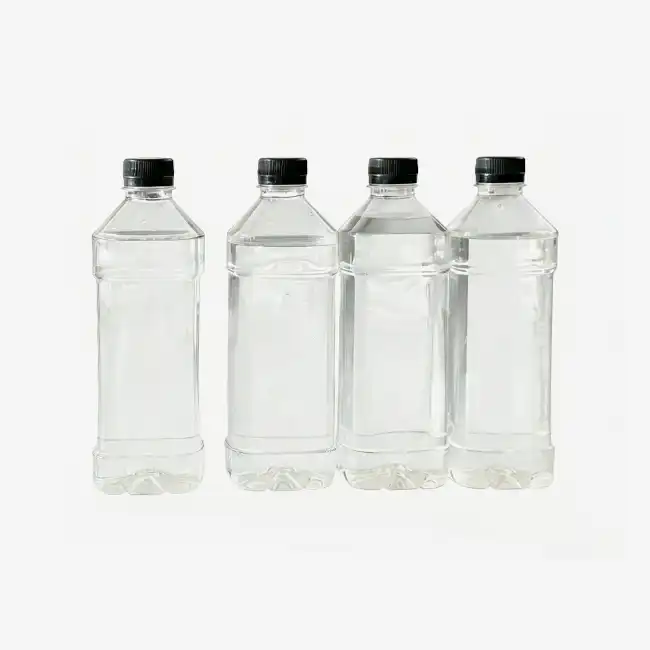
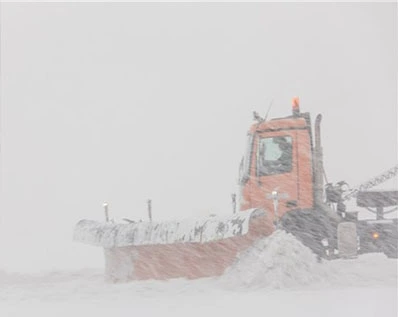
Formulations that are liquid are much easier to work with than solid ones. Because it is ready to use, there is no delay in dissolving, so it works right away when it is applied. At temperatures below zero, certified liquid goods keep their low viscosity, which makes them easy to pump through automatic spray systems. Liquid chemical storage and handling standards cover containment needs, spill reaction procedures, and equipment compatibility in a way that is very different from granular product standards.
How to Verify Supplier Credentials and Product Authenticity?
Doing your research before choosing a provider keeps you from making mistakes that could hurt your operations or your budget.
Evaluating Manufacturer Certifications
Ask possible providers for their most up-to-date certification paperwork. Valid ISO certificates have logos of the accrediting bodies, certificate numbers, and specific scope lines that list the actions that the certificate covers. Use registrar files that show authorized groups to make sure the certificate is real. Check license expiration dates to make sure they are still valid, since expired credentials can mean that the quality system isn't working properly. Reputable makers are happy to give you all the paperwork you need, including audit reports that show they are always following the rules.
Reviewing Product Documentation
Certificates of Analysis (CoA) show test results that are special to a batch and prove the chemical make-up and purity levels. Each package should have a CoA that can be linked to a specific production lot. Safety Data Sheets (SDS) list the types of hazards, how to handle them safely, and what to do in an emergency. They are needed by law for worker safety. When you compare the stated specs to industry standards, keep an eye out for unclear language or missing data that could hide problems with the quality. Technical data sheets should have a lot of information about how well something works, like how fast it corrodes, what its stopping point is, and how to use it.
Assessing Supplier Track Record
When looking for important winter upkeep chemicals, having knowledge in the field is very important. Since 1988, Shanxi Zhaoyi Chemical Co., Ltd. has been making acetate goods and has gained a lot of production experience and quality improvement over that time. A production capacity of 150,000 tons per year shows operating scale and supply stability, which are important for big city contracts and airport operations. Customer reviews from infrastructure managers, highway departments, and airports show that the product works well in real-world situations.
Conducting Site Assessments
When it's possible, visits to the factory for snow melting liquid potassium acetate show how well it makes things and how strict the quality control is. Commitment to product stability is shown by modern production tools, well-organized storage areas, and written testing procedures. Technical skills are shown by quality labs that have analytical tools for checking purity, measuring corrosion rate, and checking physical properties. Training programs and safety rules for employees show that the company values quality throughout the entire production process.
Procurement Tips: Choosing Certified Potassium Acetate for Industrial Snow Melting
When making strategic procurement choices, you have to weigh the short-term costs against the long-term business value and risk reduction.
Matching Certifications to Operational Requirements
For airport operations to go smoothly, AMS 1435 must be followed to protect airplane materials and meet FAA standards. Low corrosion rates are a top priority for bridge deck safety, which is proven by ASTM testing. This keeps steel from breaking down, which would otherwise weaken the structure. Areas that are sensitive to the environment, like those near waterways or protected regions, need biodegradability licenses to make sure that the environment is safe. Figure out what your specific operating situation is and then focus on getting certifications that meet those needs instead of collecting credentials that don't have anything to do with your application.
Evaluating Total Cost of Ownership
While certified goods usually cost more than generic options, this extra money spent up front is often well worth it in the long run. By keeping infrastructure from rusting, you can avoid costly fixes like replacing steel reinforcements and fixing pavement that is flaking off, which costs a lot more than the cost of de-icing chemicals. Weather-related operating disruptions have big effects on the economy, especially at business airports where runway closures cause huge delays. Consistent performance gets rid of these problems. Instead of only looking at the cost per unit of chemicals, you should figure out the total cost of ownership, which includes the price of the chemicals, how well they work in applications, the maintenance of infrastructure, and the reduction of legal risk.
Understanding Supply Chain Logistics
When you buy in bulk, you need to pay close attention to what the dealer can do and how they can help with transportation. Minimum order numbers change the cost of keeping inventory and the amount of space needed for storing. Lead times of 5 to 7 working days at well-known companies like Zhaoyi Chemical allow for just-in-time delivery that matches weather predictions, which cuts down on the need for storage. Options for packaging, such as 1000L IBC tanks and flexitanks, make shipping and handling easier. When it gets hard to find other suppliers during the winter, when demand is high, reliable suppliers keep safety stock gaps to keep supplies from cutting off.
Leveraging Technical Support Services
Full seller help goes beyond just delivering products. Application advice helps get the best dilution rates and spreading patterns for each type of ground and temperature. Performance fixing looks into strange situations or questions about how well technology works together. Technical teams that respond quickly and offer advice within two hours of a question show a dedication to customer service that is especially important during time-sensitive winter weather events. The support system is very valuable in and of itself, not just the chemical output.
Conclusion
When looking for snow melting liquid potassium acetate for key infrastructure uses, certification guidelines are very important. The quality, safety, and uniformity of a product are all confirmed by ISO management certifications, AMS performance standards, and environmental registrations. These qualifications are directly linked to chemical cleanliness, temperature performance, and corrosion resistance, all of which are necessary for winter maintenance to go smoothly. Verifying a seller thoroughly by looking at their paperwork, track record, and facilities helps protect buying investments and makes sure they follow the rules. Even though they cost more at first, choosing certified goods from well-known makers is a smart move that pays off in the long run by protecting infrastructure, improving operating reliability, and lowering risk.
FAQ
What is the most important certification for airport runway de-icing products?
AMS 1435 is the most important aircraft material standard for chemicals used to melt snow and ice on runways and taxiways. This standard sets the highest rates of rust that can happen to aluminum metals, landing gear parts, and brake systems used in airplanes. To follow FAA safety rules and keep expensive planes safe from chemical damage while they are being worked on the ground, airports must follow AMS 1435.
How do ISO certifications benefit de-icing chemical purchasers?
Instead of single-point testing, ISO standards prove that quality management is done in a structured way. ISO 9001 makes sure that industrial methods are always the same by writing down steps for checking raw materials and inspecting finished products. ISO 14001 proves that people care about the environment by preventing pollution and cutting down on waste. ISO 45001 shows that you care about safety at work. All of these standards show that the suppliers are solid and keep an eye on quality throughout the whole production process.
Can I verify supplier certifications independently?
Accreditation body databases that show certified groups can be used to check the legitimacy of a certification. Valid certificates have names of the organizations that issued them, unique certificate numbers, and clear words about what they cover. To find out about the present state and audit records, contact the certification registrars directly. Suppliers with a good reputation will gladly back up their quality claims with full paperwork, such as certificates, audit reports, and test results.
Partner With Zhaoyi Chemical for Certified Snow Melting Solutions
Zhaoyi Chemical has been making acetate for more than 35 years and can help you with your winter maintenance problems. Our ISO 9001, ISO 14001, and ISO 45001 standards show that we are dedicated to quality management, protecting the environment, and keeping our workplaces safe for all of our 150,000-ton-a-year production capability. As a dependable snow melting liquid potassium acetate supplier, we uphold thorough testing methods that confirm concentration levels between 50 and 60%, freezing points as low as -35°C, and corrosion rates on carbon steel that are less than 0.03g/m2h. Our technical support team can quickly answer questions about applications and help you make them run better. Get in touch with our experts at sxzy@sxzhaoyi.com to talk about your unique de-icing needs and ask for full product documentation, such as Certificates of Analysis and compliance verification, to help you make your purchase choice.
References
American Society for Testing and Materials. "Standard Specification for Non-Chloride Runway and Taxiway Deicing Fluid." ASTM International Standards, 2022.
International Organization for Standardization. "Quality Management Systems: Requirements and Guidelines for Implementation." ISO 9001:2015 Documentation Series.
Society of Automotive Engineers. "Aerospace Material Specification for Fluid, Generic, Deicing/Anti-Icing Runways and Taxiways." AMS 1435B Technical Standard.
Environmental Protection Agency. "Clean Water Act Compliance for Winter Maintenance Chemical Discharge." EPA Water Quality Guidelines, 2021.
European Chemicals Agency. "Registration, Evaluation, Authorization and Restriction of Chemicals: Guidance for Chemical Safety Assessment." REACH Regulation Implementation Manual, 2023.
National Association of Corrosion Engineers. "Corrosion Testing Protocols for Infrastructure Protection Chemicals." NACE International Technical Publication, 2020.

USER EVALUATE
Here is the customer's evaluation of us