



What is Liquid Potassium Acetate Deicer?
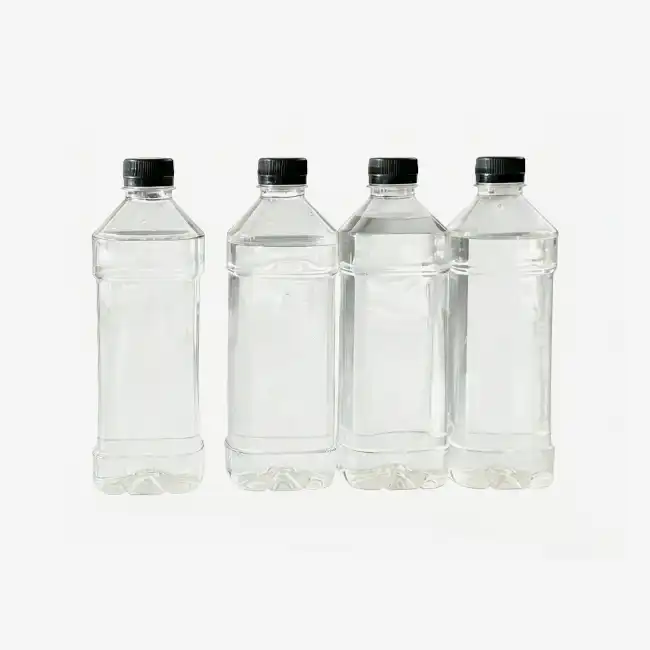
When winter weather puts working safety at risk, infrastructure managers have to figure out how to keep surfaces from freezing without hurting the environment or ruining valuable assets. A revolutionary answer to this ongoing problem is deicing liquid potassium acetate. This acetate-based, non-chloride mixture melts ice quickly and effectively, while also solving the problems with corrosion and the environment that come with regular road salt. This clear liquid is made up of 50–60% potassium acetate (CH₃COOK) in water. It works at temperatures as low as -60°C (-76°F), which makes it essential for airports, bridge systems, and other important structures where failure is not an option.
Understanding Liquid Potassium Acetate Deicer
Chemical Composition and Freezing Point Depression
The science behind deicing liquid potassium acetate is based on the idea of cryoscopic depression, which means that chemicals that dissolve in water make it less likely to freeze. Instead of taking time to dissolve like solid rock salt does, liquid versions start working as soon as they touch the ground. Potassium acetate (CAS 127-08-2)'s chemical structure makes a eutectic solution that stops the formation of ice crystals at the molecular level. With a specific gravity of 1.25 to 1.30, the solution can get under layers of ice and break the bond between the ice and the sidewalk by moving the ice around instead of just melting it.
Environmental Advantages Over Chloride-Based Products
It is known that using traditional calcium chloride and magnesium chloride goods can harm aquatic communities and soil chemistry. Deicing liquid potassium acetate breaks down quickly without giving off any dangerous nitrogen compounds, so it has a much lower Biological Oxygen Demand than options based on urea. The Airport Cooperative Research Program's research shows that acetate-based deicers are not very harmful to freshwater animals and give potassium, which is a good nutrient, to plants nearby. The mixture has almost no chloride (≤0.01%), so there is almost no salt buildup that hurts plants along the road and pollutes freshwater sources.
Infrastructure Protection and Corrosion Prevention
American infrastructure has to deal with corrosion every year that costs many billions of dollars. Chloride salts speed up the rusting of steel reinforcing bars in concrete and make aluminum alloys used in airplanes pit. Formulations with deicing liquid potassium acetate keep carbon steel's rust rates below 0.03g/m²·h, which is more than ten times lower than regular chloride goods. Bridges, parking garages, and airport equipment all last longer because of this protected feature. The pH-buffered formula (7.5–9.2) stops the acidic conditions that speed up metal degradation. This saves procurement managers a lot of money in the long run by reducing the number of maintenance rounds and putting off replacing infrastructure.
Comparing Potassium Acetate with Other Deicing Agents
Performance Metrics Across Common Alternatives
Knowing the competition helps buying teams make choices based on facts. Calcium chloride works well up to about -25°C, but it speeds up the breaking down of concrete and steel. Magnesium chloride works in the same way, but it leaves behind slippery leftovers that are unsafe. While sodium acetate is also good for the earth, it melts less efficiently per unit amount. Additionally, potassium formate and deicing liquid potassium acetate are very similar in how they work, but potassium formate usually costs more and melts a little faster at first.
The main thing that sets deicing liquid potassium acetate apart is the needs of each unique application. Airport operations put non-corrosive formulas that protect landing gear and trunk materials at the top of their list of priorities. When highway offices think about costs, they also have to think about environmental rules. Fluids need to be stable and have the same viscosity across a wide range of temperatures in industrial settings that use automatic spray systems.
Cost-Benefit Analysis for B2B Procurement
Acetate-based goods cost more up front than rock salt, but when you look at the total cost of ownership, the numbers look different. Infrastructure will last longer if corrosion damage is reduced. Replacing a bridge deck can cost millions of dollars, and reactive deicing uses more water than planned anti-icing methods. Automated dosing systems make it possible to apply liquid formulas precisely, which cuts down on waste and improves covering efficiency. Cleaning up the environment after chloride pollution costs a lot of money. This includes fixing up the dirt and planting new plants. This adds secret costs to cheaper options that a full procurement analysis needs to look at.
Selecting the Right Deicing Solution for Your Needs
Critical Performance Parameters
To choose the best deicing option, you need to look at a number of factors that are all linked. Temperature limits set the limits of what can be done. Products must work effectively at the low temperatures ever recorded in your area, plus some extra room for error. The way a product is used affects the choice of product. For example, automatic Fixed Automated Spray Technology systems on bridges need a uniform liquid viscosity, while granular products can be spread by hand. Compatibility with the substrate is very important. For example, concrete surfaces need low-alkalinity products to keep them from scaling, but asphalt can handle a wider range of chemicals.
Regulatory compliance drives buying choices more and more. The Federal Aviation Administration has strict rules about airport deicers that are based on SAE AMS 1435 guidelines. Maximum Contaminant Levels for chlorides in waterways are set by state environmental agencies. Green buying strategies are put in place by municipal governments that favor biodegradable options. To meet all of these requirements at the same time, procurement workers must make sure that the goods they choose have the right certifications and testing documentation.
Storage and Logistics Considerations
Handling large amounts of liquids needs certain building skills. To keep deicing liquid potassium acetate solutions safe, they should be kept in dry, well-ventilated stores made of suitable materials. To keep the solutions clean, containers made of stainless steel or high-density polyethylene are recommended. Under the right conditions, the product has an endless shelf life, so you don't have to worry about seasonal goods going out of date. For shipping containers, transportation operations prefer IBC (Intermediate Bulk Container) totes with a 1000L capacity or flexitanks, which make freight more efficient for people who use a lot of it.
Planning for storage is affected by climate. The product can withstand temperatures as low as -60°C, but keeping it stored above -10°C makes pumping and moving it easier. Heated storage or recycling systems are helpful for buildings in very cold places. When you follow the right handling steps, you can keep wetness from getting into the product, which could lower its concentration and efficiency.
Trusted Potassium Acetate Deicing Liquid Suppliers and Market Overview
Identifying Quality Manufacturers
There are many suppliers of deicing liquid potassium acetate in the global market, but only a few have the production scale and quality processes needed for important infrastructure uses. Manufacturers that have been around for a while keep their ISO 9001 quality management certification and their ISO 14001 environmental management systems up to date to show that they are committed to using sustainable methods. Specialized licenses like KOSHER and HALAL show strict quality controls that are useful for pharmaceutical uses. However, these quality standards are good for everyone.
When assessing sources, the ability to make things is important. When annual production levels go over 150,000 tons, it means that supply lines are stable and have enough extra capacity to handle regular demand spikes. Integrated production sites that make deicing liquid potassium acetate from base chemicals instead of just reselling it have better quality control and can be tracked. Commodity sellers are different from strategic partners who help an operation succeed because they don't offer technical support services like application advice, product testing, and formulation adjustment.
Supply Chain Optimization Strategies
Strategic relationships with suppliers help procurement workers get the best value for money. By making framework deals with number promises, you can get better prices and be sure that supplies will be distributed during times of high demand in the winter. Using more than one buying strategy lets you balance price competition with relationship depth. Keeping both primary and secondary sources reduces the risk of disruption. Geographic variety lowers the cost of shipping and the time it takes to get goods to customers. Just-in-time delivery through regional distribution networks reduces the need for on-site storage.
Total landed costs are affected by trade rules in a big way. When you buy something at FOB (Free On Board) prices, the buyer handles shipping and can use their own transportation networks to save money. Cost, Insurance, and Freight (CIF) agreements make it easier to buy goods, but they may include higher freight rates. DAP (Delivered At Place) terms make things easy for buyers who don't know much about importing. For seasonal goods, managing cash flow better means negotiating flexible payment terms and rental inventory arrangements.
Future Trends and Innovation in Potassium Acetate Deicing Solutions
Regulatory Evolution and Environmental Standards
The rules about the environment are getting stricter in all areas for deicing liquid potassium acetate. Changes to the Clean Water Act make it harder for chloride to enter open waters, and some states have put in place Total Maximum Daily Load rules for salt pollution. The REACH (Registration, Evaluation, Authorization, and Restriction of Chemicals) rules of the European Union have an impact on chemical markets around the world because they set examples that other areas often follow. As the costs of complying with regulations for chloride products rise, these legal forces speed up the market's move toward formulations based on deicing liquid potassium acetate.
Sustainability reporting rules have an impact on purchasing choices in a way that goes beyond what the law requires. Companies that care about the environment tend to buy products that have less of an impact on the environment. Biodegradable deicers are preferred by sustainable site management standards that are part of LEED approval for buildings. Environmental preference scoring is becoming a bigger part of public buying policies. This helps deicing liquid potassium acetate goods even though they cost more per unit.
Technological Advancements in Application Systems
Innovation goes beyond making new chemicals and includes new ways of using chemicals. Automated weather-responsive spraying systems use sensors on the ground and tracking of the atmosphere to apply anti-icing treatments exactly when they are needed. This uses 30–50% less product than reactive manual application. GPS-enabled application tools makes sure that everyone is covered and records the sites of treatments for quality control. These technological improvements make the performance benefits of deicing liquid potassium acetate even better while also cutting down on costs.
More research is being done on better versions that include surfactants to help surfaces stick better, rust inhibitors, and colored tracers to make sure the application is correct. Some companies make mixed goods by mixing deicing liquid potassium acetate with waste products from farming in order to cut costs while still protecting the environment. These new ideas come from the need in the market for items that are good at what they do, last a long time, and make money.
Conclusion
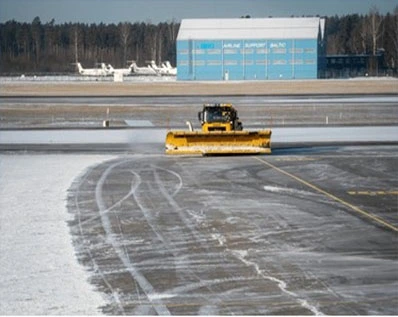
To choose the right deicing options, you have to weigh the short-term performance needs against the long-term practical and environmental factors. Deicing liquid potassium acetate has been shown to work well in the toughest situations, from airport landings where safety must be the top priority to bridges that need to last for decades. The new formula fixes some of the biggest problems with regular chloride goods, like how they damage cars and buildings with corrosion, pollute soil and water, and lose their usefulness at very high or very low temperatures. Even though the unit costs are higher than regular rock salt, a full study that takes into account protecting infrastructure, following environmental rules, and making the best use of the salt shows that the total value is very strong. As environmental concerns grow and rules change, acetate-based deicing options are not only the best way to go now, but also the best way to go in the future.
FAQ
Does potassium acetate harm vegetation or contaminate water supplies?
Deicing liquid potassium acetate has a much smaller effect on the environment than other deicers. The chemical breaks down quickly and doesn't stay in the earth, and potassium is good for plants and not harmful. Microorganisms in the dirt naturally break down acetate without making any dangerous byproducts. Studies on aquatic toxins show that chloride salts have much worse effects on fish and animals. If you use the right amount, you can avoid over-concentration, which could briefly hurt plants that are close to treated surfaces, though the effects will still be much less serious than chloride damage.
What storage capacity do facilities need for bulk liquid products?
Storage requirements depend on how often a program is used and how much space it covers. An average highway repair center that takes care of 50 lane miles might need between 50,000 and 100,000 liters of deicing liquid potassium acetate each winter. The size of an airport's operations depends on how big its runway is and how bad the weather is. Most facilities keep 30 to 60 days' worth of goods on hand in case there are problems with supply during times of high demand. To get the most out of your freight, tanks should be able to hold delivery vehicles that can hold 20,000 to 30,000 liters.
How does potassium acetate perform in extremely cold climates?
Even in Arctic situations, the eutectic freezing point of -60°C gives a lot of safety. In practical situations, deicing liquid potassium acetate works up to about -35°C, below which no deicer works well because there isn't enough heat energy. In places where it stays very cold for a long time, anti-icing methods used before rain or snow fall work better than reactive deicing methods used after ice forms, no matter what the product is made of.
Partner with a Trusted Deicing Liquid Potassium Acetate Manufacturer
Zhaoyi Chemical can help you with your winter repair work because they have been making acetate for more than 30 years. Our deicing liquid potassium acetate meets strict international quality standards and is backed by ISO 9001, ISO 14001, and ISO 45001 certifications that guarantee steady performance and care for the environment. With the ability to produce 150,000 tons per year, we can always keep stock on hand, even during busy times of the year. Our expert team offers full application support to help you improve dosing plans and connect liquid deicer systems to your current infrastructure. We offer a range of flexible packing choices, such as 1000L IBC tanks and flexitanks. Our established global logistics partnerships ensure on-time delivery to sites in North America and beyond. We'd love the chance to talk to you about how our deicing liquid potassium acetate solutions can improve the safety and sustainability of your operations, whether you're an airport operator, a city government, or a building provider. You can email our team at sxzy@sxzhaoyi.com to get technical specs, set up product samples, or look into volume supply deals that are made to fit your needs.
References
Highway Research Board Special Report. "Comparative Analysis of Chemical Deicing Agents on Transportation Infrastructure." National Academy of Sciences Transportation Research Board, 2019.
Anderson, K.L. and Muhlestein, D.R. "Environmental Impacts of Airport Deicing Operations: Acetate versus Glycol Formulations." Journal of Environmental Engineering, Vol. 144, No. 8, 2018.
Federal Aviation Administration. "Standards for Airport Snow and Ice Control Materials." Advisory Circular AC 150/5200-30D, U.S. Department of Transportation, 2020.
Fischel, M. "Evaluation of Selected Deicers Based on a Review of the Literature." Colorado Department of Transportation Report CDOT-DTD-R-2001-15, 2001.
Transportation Association of Canada. "Synthesis of Best Practices: Road Salt Management." Environmental Management Committee Report, 2013.
Shi, X. and Fay, L. "Environmental Impacts of Chemicals for Snow and Ice Control: State of the Knowledge." Water, Air, & Soil Pollution, Vol. 223, Issue 5, 2012.

USER EVALUATE
Here is the customer's evaluation of us