



How Does Solid Potassium Acetate Prevent Ice Bonding on Roads?
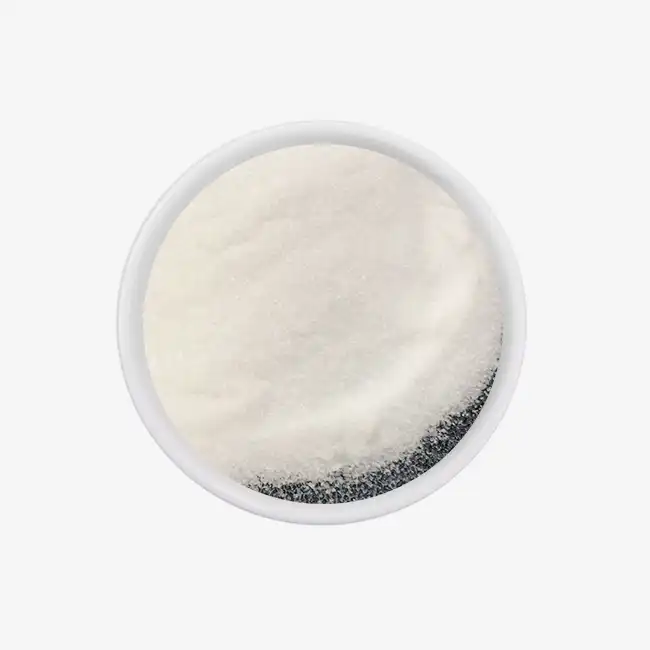
Deicing solid potassium acetate(CAS NO.: 127-08-2) prevents ice bonding through a molecular disruption mechanism combined with freezing point depression. When applied to road surfaces, this white crystalline compound (CH3COOK) dissolves exothermically upon contact with moisture, releasing heat while simultaneously interfering with hydrogen bonding between water molecules. This dual action inhibits ice crystal formation and weakens the adhesion between existing ice layers and pavement. Unlike traditional rock salt that loses efficacy around -9°C, potassium acetate maintains performance down to -30°C, making it indispensable for airports, highway bridges, and critical infrastructure where safety cannot be compromised during severe winter storms.
Understanding the Problem of Ice Bonding on Roads
Winter road repair is always hard and needs creative ideas that go beyond the usual ways of doing things. Ice bonding happens when water droplets get into the cracks in the ground and crystallise, making a strong bond that turns roads into dangerous areas. More and more people are putting pressure on municipal governments to keep traffic safe while also preventing damage to the environment and infrastructure.
Why Traditional Deicers Fall Short
Rock salt is the most popular product because it is cheap to buy, but there are high costs that aren't being seen. Chloride-based salts make it easier for concrete to break, damage bridge steel support, and pollute groundwater systems. According to research from the Transportation Research Board, chlorine intrusion damages North American infrastructure by about $5 billion every year.
Urea-based replacements came up as supposedly green choices, but data from the field shows they have a lot of problems. Urea doesn't work below -7°C, and when waste gets into rivers, it adds to eutrophication. The ammonia that is released when things break down adds to the problems in the environment and goes against rules meant to protect watersheds.
Critical Infrastructure Demands
Airport managers have to deal with special problems when deicing performance affects flight safety and the ability to keep operations going. To protect aluminium metals, carbon brake systems, and sensitive electronics, runway surfaces need to be treated in a way that doesn't corrode them. Highway maintenance workers who are in charge of high structures need solutions that keep the structures' integrity while melting ice quickly during rush hours.
Because of these practical issues, procurement managers are looking for acetate-based chemicals that are both useful and safe for assets. When you understand how ice bonds, you can see why molecular structure is just as important as melting point.
How Solid Potassium Acetate Works to Prevent Ice Bonding
Deicing solid potassium acetate works well because it has special chemistry qualities and can physically interact with ice. The regular lattice structure that makes ice strong and sticky is broken up by acetate ions at the molecular level.
The Chemistry Behind Ice Prevention
When deicing solid potassium acetate comes in contact with water, it splits into potassium cations (K+) and acetate anions (CH3COO-). These ions get in the way of the arrangement of water molecules, which stops ice crystals from becoming organised. Exothermic means that the breakdown process gives off heat, about 57.3 kJ/mol, which speeds up the melting process without the need for outside heat sources.
The eutectic point of deicing solid potassium acetate solutions drops to -60°C in the lab, but they can still be used effectively in the field down to about -30°C. This temperature level is higher than sodium chloride by more than 20 degrees Celsius, so it works reliably during very cold spells when other goods don't.
Performance Comparison with Conventional Deicers
Testing methods based on SAE AMS 1431 aerospace standards show that deicing compounds are very different from one another. Potassium chloride corrodes aluminium alloys quickly and strongly; after 72 hours of immersion tests, the mass loss levels were higher than what is acceptable. Calcium magnesium acetate is better at resisting rust, but it needs to be used at higher rates and costs a lot more per tonne of ice-melting ability.
Our deicing solid potassium acetate is at least 99% pure, which means it works the same way in all temperature conditions. The crystalline structure makes the best use of surface area contact, which helps the substance dissolve quickly, even on dry ground. Depending on the thickness of the ice, the temperature outside, and the reaction time that is wanted, application rates are usually between 50 and 150 grams per square metre.
Safe Application Protocols
Handling things the right way increases both safety and cost-effectiveness. Spreader tools should be set up so that it covers the area evenly, avoiding clumps of material that waste space and leave behind slippery leftovers. Using liquid deicing solid potassium acetate solutions for pre-wetting cuts down on particle bounce and starts the melting process as soon as the particles touch each other.
The way a product is stored has a huge impact on its purity. Because deicing solid potassium acetate is hygroscopic, it needs to be kept in climate-controlled areas where the relative humidity stays below 65%. Our 25 kg plastic woven bags or 1000 kg tonne bags are packed with moisture barriers that keep the quality of the goods during long storage periods. This keeps the materials free-flowing and ready to be used when winter storms hit.
Environmental and Operational Benefits of Potassium Acetate Deicing Solid
Deicing solid potassium acetate is good for the environment and business. As rules on chloride runoff and ecological effect reporting get stricter, environmental care becomes a bigger factor in purchasing choices. These issues are dealt with by deicing solid potassium acetate, which also provides better operating results.

Ecological Advantages
Researchers who study biodegradation have confirmed that deicing solid potassium acetate chemicals are completely broken down by microbes in water. Biological Oxygen Demand (BOD) stays low compared to organic options, which means communities that receive water don't have to work as hard. Chlorides build up in the soil and hurt plants, but potassium is a vitamin that has nutritional value and actually helps the areas of land next to cleaned roads.
Toxicology tests show that concentrations found in normal runoff situations don't do much harm to aquatic species. This safety profile is very important in areas with sensitive habitats, LEED-certified buildings, and watersheds that supply drinking water systems to cities. Environmental compliance officers like to see proof that a business has reduced its impact on the environment without lowering safety standards for the winter.
Total Cost of Ownership Analysis
The price you paid at first is only one part of the cash story. When modelling lifecycle costs, it's important to keep assets in good shape, do upkeep less often, and avoid having to buy new equipment. When concrete is only treated with deicing solid potassium acetate, it doesn't scale or flake even after decades of winter use. Pavements that are exposed to chloride, on the other hand, need to be resurfaced every 15 to 20 years.
Bridge decks are especially dramatic examples of this. Steel reinforcements last longer when they are protected from corrosion. This delays expensive restoration projects that can cost millions of dollars for large buildings. Maintenance budgets benefit from fewer repair cycles and longer asset life, which is why quality deicing compounds cost more.
Real-World Performance Validation
Acetate-based devices are now used on the runways of major international airports, including those that serve the cities of northern Europe. Operations managers say that during the winter, they have seen shorter wait times for planes to be refuelled, less repair work on ground support equipment caused by rust, and better safety records. Highway departments that are in charge of mountain pass routes report fewer accidents involving multiple vehicles and better traffic flow during bad weather.
Deicing solid potassium acetate(CAS NO.: 127-08-2) keeps loading docks safe for manufacturing sites that do a lot of work outside, without the white residue that rock salt leaves behind or the damage that rock salt does to floors. These changes to operations have led to measured increases in productivity and lower lawsuit risks.
How to Procure and Implement Solid Potassium Acetate Efficiently
When you do strategic buying, you have to look at sources based on more than just price. Quality control, a reliable supply chain, and the ability to offer technical help are what set commodity deals apart from real relationships.
Identifying Trusted Suppliers
Credentials for certification provide an unbiased check of quality systems and production standards. ISO 9001 certification shows that a company is committed to using consistent production methods, and ISO 14001 certification shows that a company knows how to handle the environment. Even though deicing is the main use case, some specialised uses may need extra licenses like Kosher or Halal approval for food-grade versions.
Shanxi Zhaoyi Chemical has been making chemicals for 30 years and can make 150,000 tonnes of deicing solid potassium acetate every year, so there is always enough to go around, even when demand is high. Our building has ISO 9001, ISO 14001, and ISO 45001 certifications, and we follow strict batch testing methods that go beyond what is required by other countries. There is detailed analytical paperwork in every package that confirms the requirements for the amount of deicing solid potassium acetate, chloride, water-insoluble matter, and trace metals present.
Logistics and Storage Optimization
Buying in bulk can save you money, but you need to make sure you have the right storage facilities. Storage facilities that control temperature and keep moisture out prevent caking and make the product less useful. Ventilation systems keep condensation from building up, and standard chemical handling procedures are followed when separating from materials that aren't compatible.
Logistics for transportation work better when they already have relationships with carriers. We have agreements with big goods companies in North America, Europe, and Asia that offer cheap rates and reliable shipping times. Custom packaging solutions are made to fit the handling equipment and storage arrangements that customers have at their facilities.
Implementation Best Practices
The application technique changes based on the type of infrastructure, the amount of traffic, and the weather in the area. Reactive deicing after ice forms is less effective and costs more than anti-icing strategies that use materials before it rains. Meteorological monitoring systems set off automated application protocols that make the best use of materials while still meeting safety standards.
Calibration of the equipment makes sure that the right amount of treatment is applied at the right time, so that neither too little treatment nor too much treatment wastes resources. Spreader upkeep, nozzle inspections, and flow rate checks should be done on a regular basis to make sure that performance stays the same during the operating season. Maintenance workers are taught how to properly handle things, what to do in an emergency, and how to protect the environment.
Making the Decision: Why Choose Solid Potassium Acetate for Your Deicing Needs?
Making a Choice: Why Should You Use deicing solid potassium acetate to Melt Ice? The factors for selection must find a mix between short-term performance needs and long-term strategic goals. Procurement managers can find the best solutions with the help of thorough evaluation frameworks.
Comparative Performance Metrics
Testing two things next to each other in a controlled environment shows differences in performance that affect the success of operations. Treatments are judged by how quickly they break the bond between ice and ground. The melting capacity per unit mass shows how well the economy is doing. The effective temperature range determines how reliable something is in different weather situations. The residual action duration tells you if you need to reapply during long storm events.
Deicing solid potassium acetate always does better than other options in these areas. The fast-acting exothermic breakdown works right away to make traffic safer and lower the risk of liability. Extended temperature effectiveness makes sure that treatments work reliably during polar vortex events that are too strong for other methods. When corrosivity is low, building assets that cost a lot of money are protected.
Regulatory Compliance and Future-Proofing
Environmental laws are getting stricter all the time, with more rules about protecting ecosystems and limits on how much pollution can be released. As watersheds reach their maximum assimilation capacity, chloride impairment listings get longer. Forward-thinking buying strategies choose materials that will work with the new rules that are expected to be put in place. This way, expensive product changes and possible supply problems can be avoided.
Acetate-based chemistry is in line with green building standards, sustainability rules, and companies' promises to be environmentally responsible. When you use low-impact deicing compounds, it's easy to show proof for LEED credits, environmental impact statements, and public transparency reports.
Decision Framework Checklist
When considering options, formal evaluation tools help people who work in procurement:
Performance criteria: The practical usefulness is affected by the melting speed, residual action, application rate needs, and fit with current equipment. Testing in the field in real-life situations gives more factual support than testing in a lab.
Environmental considerations: information on aquatic toxicity, biodegradation rates, impacts on soil chemistry, and impacts on plants decides ecological duty. Third-party environmental approvals let you check the manufacturer's claims on your own.
Economic analysis: Total cost models include acquisition costs, application rate economics, infrastructure preservation benefits, and maintenance costs that aren't needed. Lifecycle value propositions that aren't just based on buying price can be seen in forecasts that cover more than one year.
Supply chain reliability: includes production capacity, inventory availability, delivery wait times, and how quickly expert support can help. The security of the supplier's finances and image in the industry lowers the risk of procurement.
Quality assurance: Specifications for analysis, records of each batch, certification credentials, and systems for tracking products all make sure that the quality of the products is always the same. Protocols for sampling and testing allow for ongoing verification throughout the partnership with the provider.
Conclusion
In conclusion, using deicing solid potassium acetate(CAS NO.: 127-08-2) to stop ice from forming is a scientifically proven method that has measured benefits for safety, the environment, and the economy. The molecular process that stops ice crystals from forming, along with better performance at low temperatures and safety of infrastructure, solves important problems that regular deicers can't. Less rust damage, longer asset life, and better environmental compliance are all good things for airports, highways, and industrial sites. Strategic buying from certified manufacturers guarantees a reliable supply and consistent quality. Following the right steps for implementation will make winter maintenance operations more effective and save money.
FAQ
What makes potassium acetate safer for the environment compared to rock salt?
Deicing solid potassium acetate breaks down completely in the soil and groundwater through natural microbial processes. Instead of chloride salts, which hurt plants and pollute water sources, acetate breaks down into harmless parts, and potassium is good for plants because it is a micronutrient. Studies on aquatic toxins show that at normal flow levels, chemicals have little effect on fish and invertebrates.
What application rates deliver optimal ice prevention?
Depending on the thickness of the ice, the temperature outside, and the response time that is wanted, application rates are usually between 50 and 150 grams per square metre. When used before it rains, anti-icing needs lower rates than when used after ice forms, reactive deicing. When you pre-wet solid materials with liquid deicing solid potassium acetate solutions, you need less of them, and they work better right away.
Can potassium acetate be mixed with other deicing chemicals?
Deicing solid potassium acetate works well with calcium magnesium acetate and some special mixes that are made to make things work better. Do not mix with chloride-based salts because this will take away the benefits of rust protection. Because the chemicals work in different ways, urea mixtures are not a good idea. Before using blend strategies in large-scale activities, you should look at the technical specs and try them on a small scale.
Partner with Zhaoyi Chemical for Superior Deicing Solutions
Zhaoyi Chemical is ready to help you with your winter maintenance projects by making deicing solid potassium acetate to the highest standards. Our ISO-certified production plant consistently produces high-quality goods backed by detailed technical documents and helpful customer service. You can email our team at sxzy@sxzhaoyi.com to talk about your unique needs, ask for samples of our products, or get full quotes. As a reliable deicing solid potassium acetate supplier, we can help you reach your operational success and environmental stewardship goals, whether you work for a city government, an airport, or an industrial facility.
References
1. Transportation Research Board. "Sustainable Winter Road Operations: Minimizing Environmental Impacts of Snow and Ice Control." National Academy of Sciences, 2022.
2. Society of Automotive Engineers. "SAE AMS 1431: Compound, Solid Runway and Taxiway Deicing/Anti-icing, Acetate Based." Aerospace Material Specification Standards, 2021.
3. American Society for Testing and Materials. "ASTM C672: Standard Test Method for Scaling Resistance of Concrete Surfaces Exposed to Deicing Chemicals." ASTM International, 2020.
4. Environmental Protection Agency. "Aquatic Life Criteria for Chloride in Freshwater." Office of Water Quality Standards, 2019.
5. International Civil Aviation Organization. "Airport Services Manual Part 2: Pavement Surface Conditions." ICAO Standards and Recommended Practices, 2020.
6. National Cooperative Highway Research Program. "Cost-Effective and Sustainable Road Slope Stabilization and Erosion Control." Report 874, Transportation Research Board, 2021.

USER EVALUATE
Here is the customer's evaluation of us