



Choosing Solid Potassium Acetate for Airport Winter Operations
Winter poses relentless challenges for airport operations managers and procurement professionals tasked with maintaining runway safety while balancing environmental compliance and operational budgets. Selecting deicing solid potassium acetate(CAS NO.: 127-08-2) represents a strategic decision that addresses critical safety imperatives, infrastructure protection, and ecological stewardship. This crystalline compound (CH3COOK) has gained widespread adoption across North American airports due to its exceptional performance at temperatures plummeting to -30°C, its non-corrosive formulation protecting aircraft components and runway surfaces, and its biodegradable profile minimizing environmental liability. Unlike traditional chloride-based agents that compromise structural integrity and contaminate water systems, potassium acetate delivers reliable ice mitigation without sacrificing long-term infrastructure investments.

Understanding Solid Potassium Acetate and Its Role in Airport Deicing
When airports are open in the winter, they need deicing systems that work reliably in all kinds of weather and meet strict safety standards for flying. Deicing solid potassium acetate has become the standard in the business, and it has been approved by the SAE AMS 1431 standards for runway cleaning materials.
Chemical Properties and Performance Characteristics
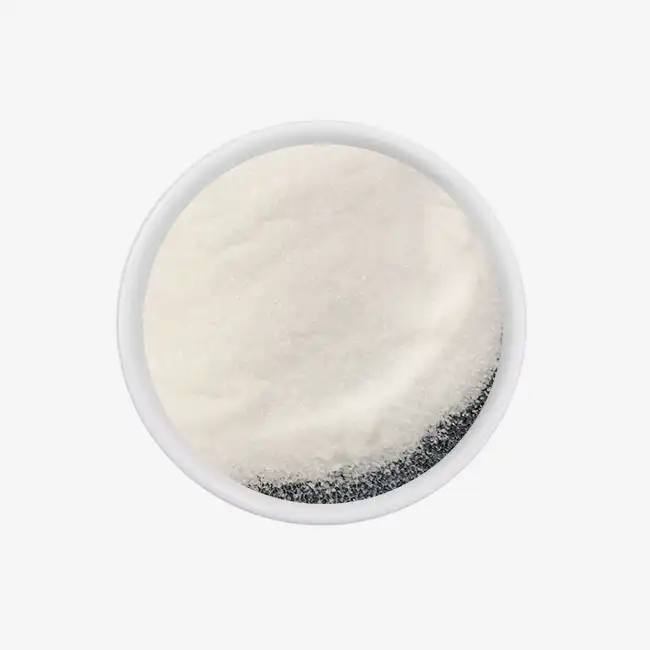
The molecular weight of this white, crystalline compound is 98.14 g/mol, and it dissolves very easily in water, alcohol, and acid solutions. The eutectic point of deicing solid potassium acetate can reach -60°C, which makes it different from other chemicals. It can still work effectively at -30°C. This ability to work in low temperatures protects the airport during harsh winter storms, when keeping operations going is very important.
The deicing system works by lowering the freezing point and dissolving the ice through an exothermic process. When the compound comes in contact with water, it gives off heat energy that melts snow and ice faster while breaking through existing ice bonds. Compared to endothermic methods that pull heat from the surroundings and slow down the melting process, this two-step process clears the area faster.
Aviation Safety and Material Compatibility
Infrastructure at airports is a big investment that needs to be protected from harmful wear and tear. Formulations of deicing solid potassium acetate that are made to aerospace standards include corrosion inhibitors that protect carbon brake systems, steel-reinforced concrete, and aluminium alloys. Independent tests done according to ASTM standards show that aeroplane landing gear parts and runway light systems don't corrode very quickly.
The substance keeps the pH level between 9 and 11, which neutralises acidity on the surface without damaging the concrete's surface. Laboratory tests using ASTM C 672 guidelines show that chloride salts are less compatible with concrete than other types. Chloride salts cause cracking and structural damage over many freeze-thaw cycles.
Handling and Storage Requirements
Because deicing solid potassium acetate is hygroscopic, it needs to be stored in a controlled way to keep it from absorbing water and caking. With enough airflow, buildings should keep the relative humidity below 65%. The materials come in 25 kg woven bags that are resistant to moisture or 1000 kg bulk containers that are designed to be handled by forklifts and automated systems for dispensing.
Comparing Potassium Acetate with Other Common Deicers in Airport Use
A full performance study that compares the different deicing technologies available with practical needs and legal limits can help with purchasing choices.
Performance Metrics Analysis
Rock salt, which is sodium chloride, doesn't work below -9°C and speeds up corrosion on aeroplane aluminium structures and sidewalk support. Calcium chloride works at temperatures as low as -29°C, but it leaves behind slippery leftovers and eats away at metals quickly. Urea used to be popular at airports, but it only works up to -7°C and adds nitrogen to the air, which causes eutrophication in marine ecosystems.
Similar to deicing solid potassium acetate, sodium acetate is good for the environment, but it needs more of it to melt the same amount of material. Calcium magnesium acetate (CMA) protects against corrosion, but it needs to be used in much larger amounts, which raises the cost of materials and makes storage more difficult.
Research done by the U.S. The Federal Aviation Administration found that when acetate-based deicers were compared to chloride options, corrosion rates on aeroplane parts dropped by 80% and scaling damage to concrete dropped by 65%. Environmental tracking showed that acetate products break down naturally within a few weeks, leaving no harmful substances in the soil or groundwater.
Environmental Impact Assessment
Chloride-based deicers stay in environments for a long time, polluting drinking water sources and killing plants along runways and taxiways. Microorganisms break down deicing solid potassium acetate naturally, making carbon dioxide and water as byproducts. The chemical is not very harmful to aquatic life, and normal wastewater treatment systems can handle the amounts of biological oxygen demand (BOD).
Airports that are close to sensitive wetlands or protected rivers have to follow strict rules about how much water they can dump. Using acetate chemistry meets environmental standards and gets rid of the pollution problems that come with chloride building up in grounds and waterways.
Cost-Effectiveness Evaluation
Even though the initial costs of materials for deicing solid potassium acetate(CAS NO.: 127-08-2) are higher than those for rock salt, a full lifecycle analysis shows that there are big savings over time. A good return on investment means less money spent on upkeep for infrastructure, longer sidewalk life, fewer fixes for corrosion on ground support equipment, and no costs for cleaning up the environment. When airport engineering departments move from chloride to acetate programs, daily costs drop by 25–40% over five-year review periods.
Procurement Considerations for Solid Potassium Acetate
To make sure that airports have enough deicing materials during the busy winter months, strategic buying means looking at more than just the unit price of each source.
Supplier Qualification Criteria
Reputable makers keep quality management standards like ISO 9001 for consistent production and ISO 14001 for environmental compliance. Aviation-grade products need to have traceability paperwork that includes batch-specific analytical certificates that show the products are more than 98% pure and have less than 0.2% chloride contamination.
Zhaoyi Chemical runs factories that can make up to 150,000 tonnes of goods every year, making sure they have enough stock to meet large airport contracts. The company has been around since 1988 and has more than 30 years of experience making deicing solid potassium acetate. Its quality systems are approved by international Kosher and Halal standards and can be used in facilities that make both food-grade and industrial-grade materials.
Supply Chain Reliability
Transportation networks can be hampered by winter weather, which can make materials less available just when demand is highest. The logistics skills of suppliers should be looked at by procurement professionals. These should include regional distribution centers, emergency delivery methods, and inventory management systems that show real-time stock levels.
Working together with suppliers who keep strategic stock levels near major airport hubs cuts down on wait times and makes it possible to quickly restock during long storms. The terms of the contract should include delivery and performance promises, as well as penalty measures that protect airports from supply gaps.
Product Specifications and Customization
The way particles are spread out affects how well spreading equipment works and how evenly the area is spread. Granular formulas made for specific spreader calibrations keep spreaders from getting clogged and make sure that the same amount of product is applied at all times. Suppliers who offer sieve analysis data let machine users find the best choices for using materials most efficiently.
Mixing deicing solid potassium acetate granules with liquid acetate solutions in pre-wetted formulations lowers particle bounce and scatter during application, making it easier for the mixture to stick to pavement surfaces. This method cuts the amount of material needed by 20–30% while speeding up the melting process.
Application Methods and Best Practices for Airport Winter Deicing
To get the most out of deicing solid potassium acetate, you need to follow tried-and-true application guidelines created by people who work in the flight business.
Surface Preparation and Application Rates
Removing snow mechanically before applying chemicals cuts down on the amount of material needed and speeds up the clearing of the sidewalk. When applied before it rains, bare pavement anti-icing at rates of 40 to 60 grams per square metre stops ice from sticking together, which makes clearing up afterward easier.
Deicing products for snow and ice that are already there usually need 100 to 150 grams per square metre, but this depends on how thick the ice is and how cold it is outside. Spreading equipment that has been calibrated makes sure that the area is evenly covered, so there are no safety risks from over-application or under-treatment.
Equipment and Technology Integration
These days, airports use automatic spreading systems that use GPS to track precisely how deicing solid potassium acetate is used and how they are covered. Integrating real-time weather monitoring allows for proactive treatment scheduling that makes the best use of staff and materials.
Temperature sensors built into the runway pavements send out automatic alerts when the surface temperature gets close to freezing. This lets anti-icing be done before ice forms. When compared to traditional ways of getting rid of snow, this predictive approach cuts the amount of reactive deicing by 40 to 50 percent.
Case Study: Major Hub Implementation
In 2015, Denver International Airport switched from using urea-based deicing products to deicing solid potassium acetate-based ones for deicing the runways. Over the course of five winter seasons, operations data showed that runway closure times were cut by 35%, aeroplane corrosion repair events were cut by 50%, and environmental violations caused by urea nitrogen discharges were completely eliminated. The amount of material used in each storm event went down by 28% because of better application methods that combined anti-icing treatments with specific deicing treatments.
Making the Decision: Why Solid Potassium Acetate is the Preferred Choice for Airports
Acetate-based deicing programs are becoming more popular in the aviation industry. This is because of a number of factors coming together to help airport operators.
Regulatory Compliance and Risk Mitigation
The Environmental Protection Agency's rules on how airports should dump rainwater are making chloride and nitrogen levels less and less acceptable. Deicing solid potassium acetate chemistry meets discharge permit requirements without needing expensive investments in cleanup facilities. Aviation insurers know that environmental accidents and corrosion-related damage to aeroplanes pose less of a risk of responsibility, which could lead to lower premiums.
Operational Efficiency Gains
Faster melting and longer temperature effectiveness shorten the time that runways have to be closed, which cuts down on flight delays and diversions that cost a lot of money. More and more, airlines are using deicing solid potassium acetate runway treatments as part of their hub selection criteria because they know they improve operating efficiency during winter weather events.
Technological Advancements
Researchers are still working on better formulas that include unique rust inhibitor packages and viscosity factors to improve the performance of deicing solid potassium acetate. New developments in controlled-release coats make anti-icing work longer, so they don't have to be applied as often during storms that last more than one day.
The Airports Council International has collected data on industry adoption that shows 60% of major airports in North America now use deicing solid potassium acetate as their main deicing product for the runways. This is a 40% increase over the last ten years. This growing number of users makes supply markets more competitive and keeps pushing down the cost of buying things.
Conclusion
Winter operations at airports can be hard, and they need deicing solutions that protect infrastructure, meet environmental standards, and keep costs low all at the same time. There are many efficiency benefits to deicing solid potassium acetate(CAS NO.: 127-08-2) that make it the best choice for use in flight. The compound works very well at low temperatures, doesn't corrode, breaks down naturally in the environment, and has been proven to be reliable in the workplace. These are all great benefits for buying workers. It is important to choose qualified providers that offer consistent quality, reliable logistics, and expert support. This will help the program be implemented successfully, leading to measured improvements in safety, operational efficiency, and lifecycle cost optimisation.
FAQ
What temperature range provides effective performance for potassium acetate?
When it comes to deicing, deicing solid potassium acetate works just as well at -30°C (-22°F), which is a lot longer than standard rock salt, which only works at -9°C. The eutectic point is -60°C, but the rates of application need to be changed when the temperature is very low or very high.
How does potassium acetate impact aircraft components and runway infrastructure?
When made according to SAE AMS 1431 standards and with corrosion inhibitors added, deicing solid potassium acetate doesn't corrode aluminium alloys, steel landing gear, or carbon brake systems very much. Testing for concrete compatibility shows that scaling doesn't cause any problems when the right application protocols are used.
Can potassium acetate be combined with other deicing products?
Pre-wetting deicing solid potassium acetate granules with liquid acetate solutions improves performance by cutting down on scatter and speeding up the melting process. Avoid mixing with chloride-based products because it takes away from the benefits of not corroding and being good for the earth.
What storage conditions prevent material degradation?
Because deicing solid potassium acetate absorbs water, it needs to be stored in climate-controlled warehouses where the relative humidity stays below 65%. A double-sealed, moisture-proof package keeps products from caking and keeps their usefulness for up to 12 months.
Partner with Zhaoyi Chemical for Reliable Airport Deicing Solutions
Zhaoyi Chemical is a reliable company that makes deicing solid potassium acetate. They have been making potassium acetate for over 35 years and have worked with flight infrastructure clients all over the world. Our factory has ISO 9001, ISO 14001, and ISO 45001 certifications, which means that the quality is always up to par with SAE AMS 1431 aerospace standards. We keep up a production capacity of 150,000 tonnes per year and have flexible fulfilment options to meet the needs of large airport contracts and emergency transport needs. You can email our technical team at sxzy@sxzhaoyi.com to talk about your unique business needs, ask for analytical certificates that show purity levels above 99%, or set up a free sample evaluation. We offer reasonable pricing for large orders, customised particle size specs that work best with your spreading equipment, and transport planning that makes sure your order gets to you on time before winter weather comes.
References
1. Transportation Research Board. Aircraft and Airfield Deicing and Anti-Icing Materials. National Academy of Sciences, 2020.
2. Federal Aviation Administration. Advisory Circular AC 150/5200-30D: Airport Winter Safety and Operations. U.S. Department of Transportation, 2019.
3. SAE International. Aerospace Material Specification AMS1431: Compound, Solid Runway and Taxiway Deicing/Anti-icing. Society of Automotive Engineers, 2018.
4. Environmental Protection Agency. Effluent Limitations Guidelines for Airport Deicing Operations. EPA-821-R-12-005, 2012.
5. Shi, X., Fay, L., Peterson, M., and Yang, Z. Freeze-Thaw Damage and Chemical Change of a Portland Cement Concrete in the Presence of Diluted Deicers. Materials and Structures, 2010.
6. Nixon, W., and Williams, D. A Guide for Selecting Anti-icing and Deicing Chemicals. Transportation Research Board Synthesis 344, 2001.

USER EVALUATE
Here is the customer's evaluation of us