



Solid Potassium Acetate Supports Eco-Friendly Ice Management Plans
Winter brings substantial operational challenges for municipal authorities, highway contractors, and airport operators across the United States. Traditional deicing methods often compromise environmental integrity while delivering inconsistent performance in extreme cold. Deicing solid potassium acetate (CH3COOK) addresses these concerns by combining powerful ice-melting capabilities with environmental responsibility. This biodegradable, non-corrosive crystalline compound maintains effectiveness at temperatures as low as -30°C, offering a sustainable alternative to chloride-based salts that damage infrastructure and ecosystems. Its exothermic dissolution process accelerates snow removal while minimizing ecological footprint—characteristics increasingly valued by procurement professionals prioritizing both operational efficiency and environmental stewardship.
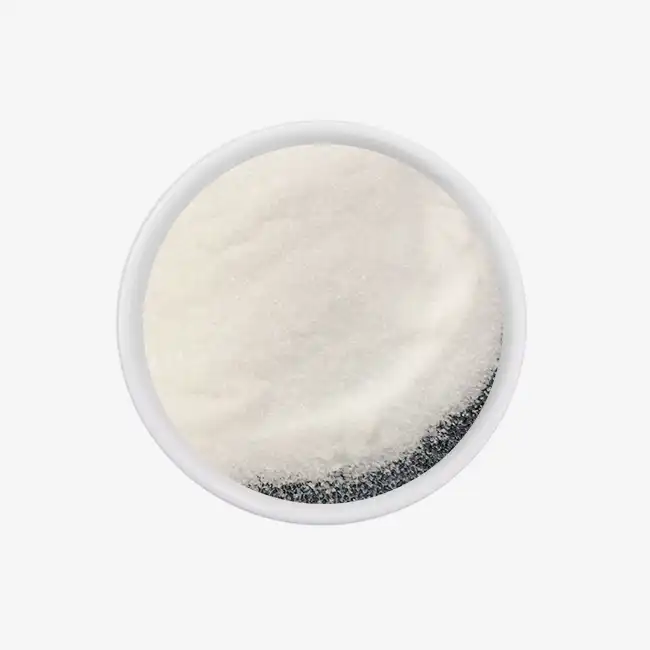
Understanding Solid Potassium Acetate in Ice Management
Chemical Foundation and Ice-Melting Mechanism
To work, potassium acetate breaks the chemical bonds that hold water molecules together. This lowers the freezing point by a large amount. This white crystalline substance quickly melts ice, giving off heat in a process called exothermic. This two-part mechanism—chemical interference and thermal generation—speeds up melting much more than regular rock salt can, especially at temperatures where sodium chloride stops working. The molecular structure (CH3COOK) with a molecular weight of 98.14 g/mol makes it completely soluble in water, acid, and alcohol. This lets it break the bond between sidewalk and ice by going deep beneath the ice. Airport facilities have shown that acetate-based formulations are still effective at eutectic points of -76°F. In real life, these formulations work consistently down to -22°F.
Environmental Advantages Over Traditional Methods
Potassium acetate is fundamentally different from chloride-based options because of how it affects the environment. Studies on biodegradation show that acetate compounds naturally break down and don't build up in soil or streams. As a deicing solid potassium acetate solution, it provides an effective ice-melting performance while reducing the long-term environmental concerns associated with traditional chloride-based deicers. It also has a lower biological oxygen demand (BOD) than urea-based products, which release ammonia and add to eutrophication. Plant tolerance tests show that phytotoxicity has been greatly decreased, which is good for saving plants along the road and sensitive ecosystems close to treated areas. Monitoring of water quality near airports that use acetate deicers shows that groundwater supplies are not contaminated. This is an important thing to keep in mind for facilities that are close to municipal watersheds or protected aquatic habitats. Wildlife impact studies show that these formulas are less harmful to pets and animals than calcium chloride or ethylene glycol ones. This eases people's worries about the safety of the environment in residential and business areas.
Real-World Performance Documentation
Case studies from big U.S. airports that used to follow SAE AMS 1431 guidelines show that switching to potassium acetate systems made things better in a measurable way. Runway maintenance teams say that the pavement lasts longer because corrosive chloride doesn't damage the concrete or the steel that holds it together. Infrastructure studies at bridge sites that use acetate deicers show that expansion joints, drainage systems, and structural parts need less repair work. When municipal highway offices use these products, they get fewer complaints about corrosion on vehicles and spend less on repair for fleet equipment that is subject to winter treatments. Logistics companies that run large parking lots have collected operational data that shows improved pedestrian safety metrics along with lower environmental liability concerns. This supports the business case for using more advanced deicing technologies.
Comparing Potassium Acetate with Other Common Deicing Solids
Performance Characteristics Across Temperature Ranges
Buying decisions are based on knowing how different deicing agents work in different temperatures. Rock salt, which is sodium chloride, stops working below 15°F, so it has to be used at very high rates that hurt the environment and cause structures to rust. Calcium chloride increases the operating temperature to about -25°F, but it also makes metal parts more likely to rust and speeds up the breakdown of concrete. Even though magnesium chloride works well at moderate temperatures, it has the same corrosive qualities as all chloride-based substances. Sodium acetate is good for the environment in the same ways that potassium acetate is, but it is not as good at low temperatures. The environmental performance of calcium magnesium acetate (CMA) is very good, but it usually takes more of it to get the same melting rates.
Potassium acetate is different because deicing solid potassium acetate(CAS No.: 127-08-2) keeps melting ice at very high and very low temperatures while losing the acidic qualities that make infrastructure replacement expensive. The exothermic dissolving property means that each granule actively creates melting energy instead of just lowering the freezing point through concentration effects. Even though the price per tonne is higher, this thermodynamic benefit means lower application rates per lane-mile. This lowers both material costs and environmental loads.
Infrastructure Protection and Lifecycle Economics
Chloride-based deicers have high hidden costs because they damage bridges, parking structures, and reinforced concrete more quickly. When chloride gets into steel support, it causes electrochemical rust that weakens the structure and needs expensive repairs or replacement decades before it should have been done. Aluminium aeroplane parts, landing gear assemblies, and cadmium-plated hardware that can be damaged by chloride pose special problems for airport officials. Highway offices keep records of cracks in the pavement, worn-out joints, and failed drainage systems that are directly linked to salt exposure over multiple winters.
When made with the right inhibitors that meet aerospace standards, acetate-based ice management, including solutions such as deicing solid potassium acetate, gets rid of these corrosion pathways. Facilities that have made the switch say that the pavement's service life has been extended, bridge repair rounds have been cut down, and equipment replacements have become less common. Total cost of ownership calculations are moving more and more in favour of acetate solutions when the benefits of protecting infrastructure outweigh the differences in material prices. This is especially true for high-value assets like airport runways, parking structures near the coast, and bridges in areas that are sensitive to the environment.
Regulatory Compliance and Environmental Credentials
Environmental rules about deicing operations are getting stricter all over North America. This is because of worries about water quality and laws that protect ecosystems. Chloride levels in streams and groundwater near heavily treated roads now lead to regulatory action in many places, forcing agencies to look for new ways to do things. Urea used to be popular at airports because it didn't rust, but now it's limited because it loads nitrogen into waterways and doesn't work in cold weather. These government rules make it necessary to buy products that are certified as environmentally friendly and have been shown to break down naturally in water with little harm to aquatic life.
Formulations with potassium acetate that meet SAE AMS 1431 standards offer environmental qualifications that can be checked and support regulatory compliance paperwork. Because it breaks down naturally, treated runoff presents little biological risk, which makes getting permits for stormwater management easier. Deicing solid potassium acetate products provide acetate-based solutions that help buildings meet green building standards and report on their environmental responsibility, which is useful for places that want to get LEED certification or meet business sustainability goals. As regulations become more aligned, they have a bigger impact on the specifications for purchases. This makes environmental performance a competitive necessity rather than an optional factor.
Best Practices for Applying Solid Potassium Acetate
Optimizing Application Rates and Techniques
Effective deployment maximises the ability to melt ice while keeping costs low and environmental impact to a minimum. Using solid potassium acetate as a pre-treatment before precipitation stops ice bonds from forming, which means less material is needed overall compared to reactive application after buildup. Anti-icing methods usually need 50 to 100 pounds per lane-mile, which is a lot less than deicing methods that remove existing ice layers. Calibration of spreading equipment is very important. Machines that are properly set make sure that the material is spread evenly at the right rate, so there is no waste from over-application or safety gaps from not enough covering.
Prewetting techniques improve performance by starting the dissolution process before the granules hit the pavement. This cuts down on the wasteful scattering and bouncing that happens when the granules hit the pavement. Adding a liquid potassium acetate solution to solid chunks while spreading starts the exothermic reaction right away, which speeds up the ice's entry and cuts down on the time needed for work. Application time takes into account changes in temperature, the amount of rain or snow that falls, and traffic patterns to get the best results while keeping material use under control during long weather events.
Storage Requirements and Shelf Life Management
Because deicing solid potassium acetate is hygroscopic, it needs to be stored with great care. Moisture absorption leads to caking, which makes it harder for the material to run through spreading tools and makes the application less even. To keep the quality of the goods, facilities must store this deicing solid potassium acetate in climate-controlled rooms with relative humidity below 65% or use double-sealed, moisture-proof packing. Standard packaging options include 25 kg plastic woven bags for easy handling and 1000 kg tonne bags for bulk applications. Both need to be protected from extreme temperatures and direct exposure to moisture while being shipped and stored.
If you store things properly, they can last up to a year without being opened. However, you should check the items every so often before they are used for the season to make sure they are still dry and free-flowing. Inventory management systems that keep track of batch dates and storage conditions keep used but damaged goods out of circulation, which keeps applications working well and equipment running reliably. Just-in-time delivery agreements with suppliers that offer reliable logistics support during high demand times are helpful for facilities that don't have a lot of climate-controlled space.
Equipment Compatibility and System Integration
Spreading equipment that is already in use usually doesn't need to be changed much to work well with deicing solid potassium acetate(CAS NO.: 127-08-2) , but the way the particles are distributed affects the calibration settings. Specifications for sieve analysis make sure that the sizes of the granules fit the design parameters of the spreader. This keeps the spreader from getting clogged or using an uneven distribution pattern. Equipment that is made of stainless steel or parts that don't rust lasts longer, but acetate formulations need less upkeep than chloride salt processes because they don't rust. Using liquid spray systems that are designed to work with potassium acetate solutions lets you precisely control the application. This is especially helpful for treating airport runways where too much spray could endanger planes.
When weather monitoring systems are connected, deployment decisions can be made based on data. For example, pre-treatment operations can start when forecasts show that it will rain within operational windows. Automated spreading systems that are connected to sensors in the pavement find the best times and amounts to use based on the temperature and moisture of the surface in real time. These technological advances make the best use of the benefits that potassium acetate formulations already have while keeping costs low by using precise application methods.

Procurement Insights: Buying Solid Potassium Acetate for Commercial Use
Evaluating Supplier Capabilities and Certifications
When suppliers think about their production ability, they can make sure they can meet regular demand spikes without affecting supply times. With a production capacity of 150,000 tonnes per year and flexible lines, manufacturers can meet large needs while keeping batch-to-batch stability. Professionals in procurement give more weight to suppliers who offer full-process quality tracking and paperwork that can be tracked to support legal compliance and performance validation.
Bulk Purchasing Strategies and Logistics Planning
When you commit to a certain amount of volume, you usually get better terms and get priority during times of high demand in the winter. Placing bulk orders 15 days before they are needed gives suppliers enough time to adjust their production schedules, which lowers the cost of expediting and guarantees on-time delivery. Different types of packing are designed to make handling easier and storage more efficient. For example, 25 kg bags work well in places where materials need to be moved by hand, while tonne bags work best with forklifts and reduce packaging waste for big users.
Transportation relationships with experienced logistics providers who know the rules for handling chemicals keep deliveries from being held up. Suppliers who have long-term partnerships with international shipping companies can offer competitive freight rates and reliable plans that meet the needs of both domestic and foreign customers. Clear communication about delivery windows, staging areas, and moving equipment is important for making sure that getting goes smoothly during the busy time before a storm.
Quality Verification and Performance Monitoring
Incoming material screening procedures for deicing solid potassium acetate make sure that the product fits certain requirements before it is sent out. Assay proof to make sure the CH3COOK content is higher than 99%, moisture content assessment to make sure hygroscopic exposure stays below 1%, and particle size analysis to make sure the spreading works with the product. Testing for chloride content (≤0.2%) makes sure the formulation is pure, and iron content limits (≤0.05%) keep treated surfaces from turning colours. Specifications for water-insoluble content (≤0.05%) make sure that the substance dissolves completely and lets ice through.
Future Trends and Sustainability in Deicing Solutions
Regulatory Evolution and Market Dynamics
Environmental rules about chloride runoff are getting stricter, and many states have put in place total maximum daily load (TMDL) limits for rivers that are affected by salt. These rules force infrastructure owners to find new ways to melt snow, which speeds up the market adoption of acetate-based products even though they cost more. Corporate sustainability reporting standards are looking more closely at how winter maintenance operations affect the environment. This puts pressure on businesses to buy green-certified solutions that have proven benefits over their entire lifecycle. People in the public sector want treatments for residential areas that are safe for pets and plants, so they are changing their requirements to include goods that meet strict toxicity limits.
Market research shows that acetate is being used more and more in the business property, aircraft, and municipal sectors, with compound annual growth rates that are higher than those of traditional chloride goods. This rise in demand leads to more competitive suppliers entering the market and more production capacity, which could make prices more stable while still meeting quality standards. Purchasing managers who keep an eye on these trends set up their companies to take advantage of good market conditions and build relationships with dependable long-term suppliers.
Technological Advancements in Application Methods
New developments in precise application technologies have made acetate products more valuable by making better use of the materials they use. Spreading systems that use GPS and watch flow in real time get rid of overlaps and gaps, which lowers the total amount used per treatment area. Automated systems that are sensitive to weather change the rates of application based on sensors in the sidewalk and predictions of rain, which makes storm reaction more efficient. Liquid spray technologies allow very low application rates for deicing tasks. This is especially helpful for expensive acetate formulas where precise deployment lowers costs.
Building Sustainable Winter Maintenance Programs
Strategic purchase planning makes sure that the choice of deicing materials is in line with the organization's goals for sustainability and security of its infrastructure. In addition to material acquisition prices, full total cost of ownership studies look at how quickly infrastructure breaks down, how much it costs to comply with environmental laws, and how efficient operations are. Facilities making multi-year shift plans gradually increase the use of acetate as budgets allow for initial price premiums. This way, infrastructure protection benefits balance out material cost differences over the lifecycles of assets.
Partnerships with experienced providers who can help with technical support, application training, and performance tracking speed up the process of putting a program into action and make it more likely to succeed. Educational programs that show how deicing can help the environment and infrastructure get people on board with long-term investments, even if the materials are more expensive at first. When businesses work together in this way, they can become environmental leaders while also making their operations better and saving money in the long run.
Conclusion
Deicing solid potassium acetate(CAS NO.: 127-08-2) is a mature, tried-and-true method that fixes major problems with older chloride-based ice control methods. This product's ability to work in very cold temperatures, protect infrastructure, and be environmentally friendly is in line with changing government rules and business sustainability goals. When procurement experts look at winter maintenance plans, they are becoming more and more aware that differences in the upfront costs of materials become less important when benefits like protecting infrastructure, following rules, and caring for the environment are taken into account. It's important to pay attention to the right way to store, use, and choose a provider, and makers should be able to show that they have the production capacity, quality certifications, and technical know-how to do the job. Potassium acetate solutions provide measured value in practical, financial, and reputational areas for businesses that care about protecting their assets and the environment over the long run.
FAQ
What makes potassium acetate environmentally preferable to rock salt?
Chloride salts stay in the environment and hurt ecosystems, but potassium acetate breaks down naturally and doesn't build up in dirt or rivers. It is not very harmful to plants, animals, or aquatic life. Chlorides, on the other hand, kill a lot of plants and make water less clean. The organic acetate structure breaks down naturally by microbes, so there are no worries about long-term buildup in the environment.
Can solid potassium acetate damage concrete or metal infrastructure?
When made correctly with corrosion inhibitors that meet SAE AMS 1431 standards, potassium acetate does not hurt infrastructure; instead, it guards it. Acetate formulations protect the structural stability of bridges, runways, and parking lots, extending their service life and lowering upkeep costs. This is in contrast to chloride salts, which corrode steel and scale concrete.
How should we store potassium acetate to maintain product quality?
Because it is hygroscopic, it absorbs water and forms a cake when it gets too wet. Keep it in dry, well-ventilated warehouses with a relative humidity below 65%. To keep bags from getting damaged, keep them away from heat sources and in sealed, moisture-proof packaging. When stored correctly, material stays useful for one year without being opened.
What application rates optimize performance while controlling costs?
Anti-icing operations usually need 50 to 100 pounds per lane-mile before storms, which is a lot less than reactive deicing after snow or ice has piled up. Pre-wetting solid grains with liquid speeds up activation, which means less material is needed overall while melting speed and efficiency are improved.
Partner with Zhaoyi Chemical for Reliable Deicing Solutions
Zhaoyi Chemical has been making acetate for more than 30 years and can help companies that need a reliable deicing solid potassium acetate supplier. Our yearly production capacity of 150,000 tonnes meets the needs of bulk purchases, and our ISO 9001, ISO 14001, and ISO 45001 standards guarantee stable quality. We make high-purity potassium acetate (CH3COOK ≥99%) that meets the requirements of SAE AMS 1431. This will make sure that your winter operations are safe and effective, and that your infrastructure is protected. Our technical team helps with application advice, storage suggestions, and transportation planning so that the program can be put into place smoothly. Get in touch with us at sxzy@sxzhaoyi.com to talk about your unique needs and find out how our deicing solid potassium acetate for sale can help your winter maintenance plans be both more effective and better for the environment.
References
1. Transportation Research Board. Alternative Chemicals for Airport Pavement Snow and Ice Control with a Focus on Performance and Environmental Impacts. National Academies Press, 2018.
2. American Society for Testing and Materials. ASTM D7392-17 Standard Test Method for Determining the Relative Effectiveness of Liquid and Solid Formulations for Melting Ice. ASTM International, 2017.
3. Society of Automotive Engineers. SAE AMS 1431: Compound, Solid Runway and Taxiway Deicing/Anti-icing, Non-Urea Based. SAE International Aerospace Material Specification, 2019.
4. Environmental Protection Agency. Managing Winter Road Operations to Reduce Chloride Contamination of Surface and Groundwater. EPA Region 5 Water Division, 2020.
5. National Association of Corrosion Engineers. Corrosion of Highway Structures by Deicing Salts: Performance Assessment and Mitigation Strategies. NACE International Publication, 2016.
6. Airport Cooperative Research Program. Low-Conductivity Fluid Application for Anti-Icing and Deicing of Airport Pavements. Transportation Research Board Synthesis Report, 2021.

USER EVALUATE
Here is the customer's evaluation of us