



Potassium Acetate Supports Corrosion-Controlled Highway Deicing Solutions
Winter highway maintenance presents a persistent dilemma for municipal authorities and infrastructure managers across the United States. While traditional rock salt effectively melts ice, it simultaneously accelerates corrosion on bridges, vehicles, and concrete surfaces—creating repair costs that far exceed initial savings. Snow melting liquid potassium acetate (CAS NO.: 127-08-2) has emerged as a superior alternative, offering comparable ice-melting performance without the destructive corrosion profile. This acetate-based liquid deicer protects critical infrastructure while maintaining operational safety standards, representing a strategic investment for procurement professionals balancing immediate effectiveness with long-term asset preservation.
Understanding Potassium Acetate and Its Role in Deicing
Learning About Potassium Acetate and How It Helps Melt Ice
It's a clear, colourless liquid with slightly acidic properties called snow melting liquid potassium acetate (CH₀COOK, CAS No. 127-08-2). It was specially made to deal with winter road dangers without affecting the structure's strength. With a molecular weight of 98.14, it can easily penetrate ice, and because it is liquid, it doesn't take as long to dissolve as solid deicers do. When temperatures drop, this chemical compound lowers the freezing point of water to -35°C in normal amounts. This stops ice from sticking to the ground right away.
Chemical Properties Driving Performance
When compared to chloride-based alternatives, the snow melting liquid potassium acetate ion in snow melting liquid potassium acetate acts in a very different way. Unlike sodium chloride, which oxidises metal surfaces in a very harsh way, snow melting liquid potassium acetate compounds have a pH range of 7.5 to 9.2 and don't damage building materials. This buffered alkalinity actively stops rust on carbon steel, aluminium alloys, and reinforced concrete, which are all common building materials for highway overpasses and bridges.
At -25°C, our snow melting liquid potassium acetate keeps its concentration at 50–60%, achieving over 85% snow melting efficiency in just one hour. The specific gravity of about 1.25 to 1.29 makes sure that the density is right for penetrating the surface, and the low viscosity makes it easy to pump through automatic spray systems, even when it's very cold outside. Because of these physical features, liquid mixtures work really well for Fixed Automated Spray Technology (FAST) installations on bridge decks that are sensitive to temperature changes.
Practical Infrastructure Applications
Transportation officials who are in charge of infrastructure that is easily damaged by corrosion know how useful snow melting liquid potassium acetate-based deicing can be. Because they are exposed from both the top and bottom, bridge decks freeze faster than roads at ground level. This creates dangerous situations that need quick action. Over decades of contact, traditional chloride salts speed up the oxidation of rebar in these reinforced concrete buildings. This causes the bars to break apart and the structure to become weaker.
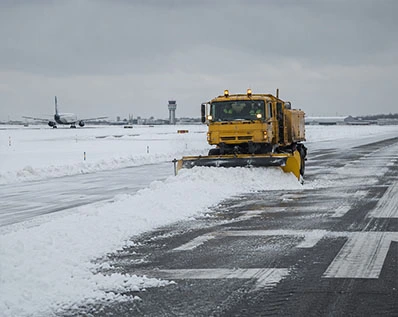
Operational activities on airport runways are another important area where material suitability affects safety. Deicing options for aeroplane landing gear, brake systems and aluminium fuselages must meet Aerospace Material Specification (AMS) 1435 standards for corrosion performance. It is possible for snow melting liquid potassium acetate mixtures to corrode carbon steel at rates equal to or lower than those seen when it is exposed to pure water. These mixtures also don't produce any Foreign Object Debris (FOD), which is something that could damage jet engines during takeoff.
Comparative Analysis: Potassium Acetate vs. Alternative Deicing Agents
When buying things for winter maintenance programs, you need to carefully think about how they will work, how much they will cost, and how they will affect the environment. There are many deicing chemicals on the market, but how well they work in real life depends on the temperature range, how sensitive the infrastructure is, and how they are used.
Performance Benchmarking Across Deicer Categories
Traditional sodium chloride (rock salt) works well until temperatures drop to about -9°C. After that, it quickly loses its ability to melt ice. Calcium chloride lowers the temperature range to -29°C, but it also creates exothermic reactions that can shock the surface of concrete with heat, which speeds up the formation of microfractures. While magnesium chloride works well at moderate temperatures, it leaves behind slippery residues that stay after the ice melts, creating extra safety risks.
Snow melting liquid potassium acetate-based alternatives have clear advantages in terms of how they work. It is easy to melt sodium acetate, but it is a little more likely to corrode than potassium versions. Calcium magnesium acetate (CMA) is good for the environment, but it needs to be applied more often to get the same benefits, which raises the cost of treatment per mile. Snow melting liquid potassium acetate is the best of both worlds because it effectively penetrates ice while causing minimal damage and is easy to handle in liquid form.
Corrosion Impact on Total Cost of Ownership
Lifecycle cost analysis is being used more and more by infrastructure managers instead of just looking at procurement costs. Even though snow melting liquid potassium acetate deicers cost more at first than large rock salt, the money saved over many years is more than made up for by the damage that isn't caused by rust. Corrosion caused by chloride on a single bridge can cost hundreds of thousands of dollars to fix, and that's not even adding the costs of rerouting traffic while the work is being done.
The difference in the corrosion rate tells the story. Under normal conditions, standard rock salt speeds up steel corrosion by about 0.6 to 1.2g/m²·h. Our snow melting liquid potassium acetate keeps rust rates below 0.03g/m²·h, which is a 95% drop. This performance gap directly means longer service life and postponed capital replacement costs for parking garages, bridge decks, and car fleets that are repeatedly hit by deicers.
Environmental and Regulatory Considerations
More and more rules about the environment are making it harder for salt to get into groundwater and waterways. Snow melting liquid potassium acetate breaks down more than 95% of the time, and its low Biological Oxygen Demand (BOD) and Chemical Oxygen Demand (COD) levels keep marine ecosystems from being too upset. The snow melting liquid potassium acetate ion is easily broken down by soil bacteria and doesn't leave behind any leftovers that won't go away. This means that it can be used near sensitive plants and protected bodies of water.
When highway departments use National Pollutant Discharge Elimination System (NPDES) permits, they find that the chemistry of snow melting liquid potassium acetate meets the requirements for discharge compliance. Snow melting liquid potassium acetate compounds break down within weeks of application, lowering long-term environmental risk exposure. This is in contrast to chlorides, which stay in the soil along the road and build up.
Procurement and Supply Chain Considerations for Liquid Potassium Acetate
To find industrial-grade deicing chemicals, you need to know how the market works, how to check the quality of the chemicals, and how the transportation system works. To make sure that winter operations go smoothly, procurement professionals need to look at suppliers in more ways than just price per unit.
Supplier Qualification and Certification Standards
Consistency in quality starts with the ability to make things. Shanxi Zhaoyi Chemical Co., Ltd. has production sites that are ISO 9001, ISO 14001, and ISO 45001 approved and can make more than 150,000 tonnes of snow melting liquid potassium acetate compounds every year. We've been making chemicals since 1988, so we have the process steadiness and technical know-how that new companies entering the market can't match.
In automatic application systems, batch-to-batch accuracy is very important. Changes in concentration can affect freezing point depression curves, which could make anti-icing less effective during severe weather. Before a production lot can be shipped, our quality control procedures check the refractive index, measure the density, and test the rusting rate. The amount of chloride in the water is strictly kept below 0.01% so that contamination doesn't happen that would make it harder to control corrosion.
Packaging and Logistics Optimization
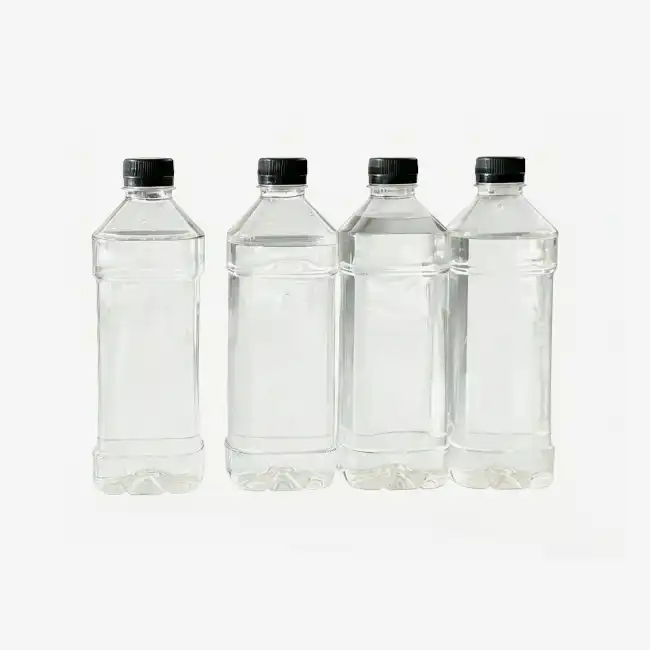
For bulk transportation effectiveness, snow melting liquid potassium acetate is usually sent out in 1000L IBC tanks or flexitank containers. IBC tanks can be directly connected to city spray truck filling stations, which cuts down on the number of steps needed to move the tanks and the risk of pollution. Flexitank options make ocean freight more cost-effective for importers who bring in a lot of goods, making the most of each container's space while keeping the goods' integrity during transport.
To keep things from freezing during pre-season stockpiling, storage infrastructure needs dry, well-ventilated building room with stable temperatures. Solid deicers soak up water from the air and harden into unusable masses. Snow melting liquid potassium acetate, on the other hand, keeps its fluid properties over long periods of storage. Strategically positioning near application zones lowers the pressure on emergency procurement when weather reports cause processes to be activated.
Lead Times and Supply Chain Reliability
Patterns in the winter weather cause demand spikes that put a lot of stress on supply chains that don't have enough inventory to cushion them. Our manufacturing operation keeps safety stock levels that allow standard orders to be filled in 5–7 business days. In case of an emergency, we can also speed up production. Having long-term relationships with international shipping companies guarantees competitive freight rates and first choice bookings during busy times of the year.
During the off-season, procurement teams should make framework deals to secure allocation pledges before winter demand makes market competition tougher. When you sign a multi-year supply deal with a volume promise, you can often get better terms and be sure that the product will be available during important application windows.
Implementing Potassium Acetate-Based Corrosion-Controlled Deicing Solutions
To switch from chloride-based programs to snow melting liquid potassium acetate-based systems, changes need to be made to the application tools, dosing methods, and training for staff. When implemented correctly, the return on investment is maximised and common mistakes that lower performance expectations are avoided.
Application Rate Optimization
Different methods are needed to apply snow melting liquid potassium acetate (CAS NO.: 127-08-2) compared to solid spreaders. Anti-icing treatments, which are preventative spraying before it rains, usually use 20 to 40 gallons per lane mile, making a thin film that stops ice from sticking together. If there is already ice on the road, de-icing may need 50 to 100 gallons per lane mile, based on how thick the ice is and how hot the ground is.
Calibration of the spray bar makes sure that the pressure is the same across all lane lengths. This stops streaks that can change the grip conditions. Automated spray systems with sensors that measure the temperature of the road and the amount of rain that falls make precise application possible, only applying the product when conditions call for it. This smart dose cuts down on waste while still meeting safety standards.
Equipment Compatibility and Maintenance
Standard spray equipment made of stainless steel or polyethylene can handle snow melting liquid potassium acetate without any problems with material compatibility. Snow melting liquid potassium acetate chemistry makes equipment last a lot longer than chloride brines, which eat away at carbon steel tanks and pipes. Spray nozzles need to be checked on a regular basis to make sure they don't get clogged up with particles, but upkeep isn't needed as often when snow melting liquid potassium acetate solutions are properly cleaned.
Even though snow melting liquid potassium acetate is a harmless chemical, it is still important to clean the tank between seasons. Bacteria can grow on residual organic matter when it's stored in warm conditions, which could lower the quality of the solution. To get tools ready for next season, all that needs to be done is a simple water clean and drying.
Performance Monitoring and Continuous Improvement
Successful programs have ways to get feedback on how well applications are working, how the infrastructure is changing over time, and how much it costs to run the business. When you look at data on pavement temperature and application time together, you can find the best intervention limits for each location. Inspections of bridge decks that record how rust is spreading show that preservation works, which helps the case for continuing to use snow melting liquid potassium acetate from a financial point of view.
Winter maintenance teams benefit from hands-on training that covers how to handle snow melting liquid potassium acetate, how much to use, and how to fix problems. Even though snow melting liquid potassium acetate is less harmful than chloride options, workers must still wear the right safety gear and follow the right steps for cleaning up a spill to stay safe and follow the rules.
Conclusion
There is more and more pressure on highway deicing programs to balance short-term safety needs with long-term needs to protect infrastructure and the environment. In all three ways, snow melting liquid potassium acetate (CAS NO.: 127-08-2) delivers: it reliably stops ice from forming, and compared to traditional chloride salts, it has a lot less damage to metals and a much smaller effect on the environment. The liquid form can be activated right away, can be used with automatic systems, and can be dosed precisely, which is not possible with solid materials. When procurement workers use snow melting liquid potassium acetate-based solutions, they are investing in the long-term health of infrastructure and avoiding the costly delays in upkeep that come with chloride exposure. As rules for chloride discharge get stricter and infrastructure budgets get smaller, corrosion-controlled deicing becomes both an operational necessity and a smart financial move for transportation agencies that are looking to the future.
FAQ
What temperature range does liquid potassium acetate effectively cover?
Snow melting liquid potassium acetate remains effective down to -35°C in typical amounts of 50–60%. At the best formulations, the eutectic point reaches -60°C, but in the field, it is usually used between -20°C and -35°C, which is where most winter rain falls. This operating range is much better than sodium chloride and about the same as calcium chloride in terms of performance, but without the risks of damaging concrete.
How does potassium acetate compare to calcium chloride regarding infrastructure impact?
When calcium chloride dissolves, it releases exothermic heat. This could cause thermal shock in concrete surfaces, which speeds up the microcracking process. Because snow melting liquid potassium acetate doesn't give off heat, the temperature stays fixed while it's being used. Corrosion tests show that snow melting liquid potassium acetate formulations break down metal 95% less than calcium chloride on steel surfaces. This means that bridge decks will last longer and vehicle undercarriages will last less.
What storage precautions apply to bulk liquid potassium acetate?
Keep in buildings that are dry, well-ventilated, and away from sources of heat and wetness. The product is stable across normal temperature ranges, but it needs to be kept in insulated storage or heated facilities to keep it from freezing in very cold weather. As required by safety rules, keep away from substances that don't mix. For safe keeping of liquid chemicals, IBC tanks should sit on flat surfaces and have additional containment features that meet environmental standards.
Partner with Zhaoyi Chemical for Reliable Snow Melting Liquid Potassium Acetate Supply
Zhaoyi Chemical has been making snow melting liquid potassium acetate for more than 35 years and can help highway repair workers who need reliable winter solutions. As a specialist supplier of snow melting liquid potassium acetate for melting snow, we can make more than 150,000 tonnes of it every year on our 27,000m² factory site. Our ISO-certified quality systems make sure that every batch meets strict standards for cleanliness, with chloride levels below 0.01% and carbon steel rust rates below 0.03g/m²·h. We offer flexible packaging in 1000L IBC tanks or flexitanks, which can be used for projects ranging from running a city fleet to setting up regional distribution networks. Our expert support team answers application questions within two hours, and we keep safety stock so that regular orders can be filled in five to seven days. Contact sxzy@sxzhaoyi.com to talk about your unique deicing needs and get custom solutions backed by decades of chemical engineering excellence and the stability of a global supply chain.
References
1. Transportation Research Board. "Performance and Environmental Effects of Acetate-Based Deicers." National Cooperative Highway Research Program Report, 2019.
2. American Association of State Highway and Transportation Officials. "Guidelines for Winter Maintenance Materials Selection and Application." AASHTO Technical Manual, 2021.
3. Society of Automotive Engineers. "Aerospace Material Specification 1435: Fluid, Generic, Deicing/Anti-Icing, Runways and Taxiways." SAE International Standards, 2020.
4. Federal Highway Administration. "Corrosion Costs and Preventive Strategies in Highway Infrastructure." U.S. Department of Transportation Infrastructure Report, 2018.
5. Environmental Protection Agency. "National Pollutant Discharge Elimination System: Best Management Practices for Winter Road Maintenance." EPA Water Quality Standards, 2022.
6. Pacific Northwest Snowfighters Association. "Anti-Icing and Pre-Wetting Applications: A Practical Guide for Winter Road Maintenance." Regional Transportation Maintenance Conference Proceedings, 2020.

USER EVALUATE
Here is the customer's evaluation of us