



Potassium Acetate Deicer Provides Low-Temperature Ice Control for Highways
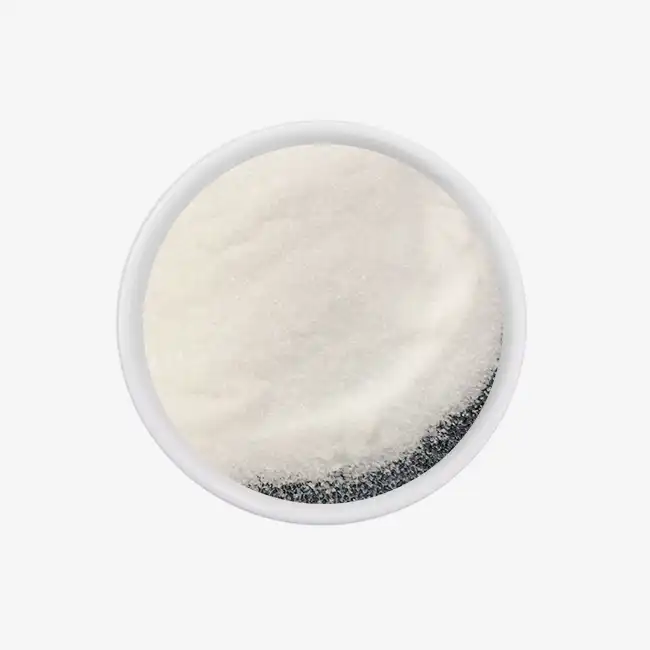
When winter storms threaten highway safety, procurement managers and infrastructure engineers face a critical decision: which deicing agent delivers reliable performance without compromising environmental standards or infrastructure integrity? Snow Melting Solid Potassium Acetate (CAS NO.: 127-08-2) has emerged as the answer for operations demanding effective ice control at extreme temperatures. This white crystalline compound (CH₃COOK, CAS 127-08-2) achieves what traditional rock salt cannot—maintaining melting action down to -30°C while protecting concrete, steel, and sensitive ecosystems from corrosive damage.

The challenge isn't simply melting ice. Highway authorities managing thousands of lane-miles need solutions that work instantly during temperature drops, protect multi-million-dollar infrastructure investments, satisfy increasingly stringent environmental regulations, and arrive reliably when weather forecasts turn ominous. Potassium acetate addresses each requirement through its unique chemical properties and biodegradable profile, making it the preferred choice for airports, historic bridges, and critical transportation corridors across North America.
Understanding Potassium Acetate as a Snow Melting Agent
How Freezing Point Depression Works
A process called freezing point depression is how potassium acetate stops ice from forming. When the white crystals break apart when they come in contact with snow or ice, they release potassium and acetate ions that get in the way of water molecules trying to form solid crystal structures. Because of this chemical disruption, ice needs to be much colder to stay stable. This turns dangerous layers of ice into controllable brine solutions even when the temperature is well below the freezing point of water.
With a molecular weight of 98.14 g/mol, it dissolves quickly. Within minutes of applying the substance, highway maintenance crews can see it melting. This quick response time is very important when temperatures drop quickly or black ice forms. Unlike alternatives that work more slowly, this one starts working right away and stops the dangerous layer of adhesion between the ground and ice that makes cars lose their grip.
Chemical Stability and Safety Profile
The chemical stability of the substance stays the same at all temperatures and storage situations. Because it dissolves easily in water, acids, and alcohols, it goes deep into the ice instead of just sitting on the top and waiting for the temperature to rise. This feature makes sure that the freezing happens evenly across the lanes of the highway, getting rid of the uneven ice spots that make driving dangerous.
Environmental tests show that the acetate ion breaks down naturally through the action of bacteria in the soil, turning into carbon dioxide and water without building up in groundwater or hurting plants next to the road. It's easy to follow the rules because the product doesn't violate the environmental discharge standards that chloride-based deicers often do, especially in watersheds that feed sensitive aquatic ecosystems.
Infrastructure Protection Advantages
Traditional rock salt speeds up the breaking down of concrete and the rusting of steel rebar, which leads to repair costs that are much higher than the initial savings on materials. Potassium acetate doesn't corrode, which greatly extends the life of infrastructure. Bridge engineers who are in charge of historic buildings or parking lots with exposed reinforcement choose acetate-based deicers to keep chloride from getting in and damaging the structure, which leads to expensive repairs. The long-term cost analysis always supports this method, even though it costs more in materials up front.
Comparative Analysis: Potassium Acetate vs Other Deicing Agents
Performance Against Common Alternatives
Around -7°C, rock salt (sodium chloride) begins to lose its effectiveness as a deicing material, leaving roads more vulnerable to ice buildup and winter damage during colder conditions. Calcium chloride extends performance to approximately -25°C, but its strong hygroscopic properties and high corrosion potential can create slippery residues, damage vehicles, and accelerate infrastructure deterioration. Magnesium chloride provides moderate low-temperature melting ability, but long-term use can negatively affect concrete surfaces, metal components, and transportation equipment. In comparison, Snow Melting Solid Potassium Acetate offers a more balanced solution by combining strong ice-melting performance, corrosion resistance, and environmental compatibility. It remains effective at temperatures down to -30°C while protecting roads, bridges, vehicles, and other critical infrastructure from chemical damage.
Acetate-based alternatives provide different performance characteristics depending on application requirements. Calcium Magnesium Acetate (CMA) significantly reduces corrosion but melts ice more slowly and becomes less effective below -15°C. Sodium acetate has environmental advantages similar to potassium acetate but does not provide the same low-temperature performance. Snow Melting Solid Potassium Acetate(CAS NO.: 127-08-2) stands out as a high-performance deicing material because it delivers rapid ice melting, low-temperature reliability, material compatibility, and sustainable winter maintenance benefits. Its balanced chemical properties make it suitable for highways, airports, bridges, and other transportation systems that require dependable winter protection.
Compared with urea-based products, which can contribute to nitrogen loading in waterways and provide weaker ice-melting performance, potassium acetate offers a cleaner and more efficient solution for modern snow removal programs. Snow Melting Solid Potassium Acetate provides advantages such as eco-friendly deicing, corrosion prevention, infrastructure preservation, reliable cold-weather operation, and reduced long-term maintenance costs. By combining advanced deicing technology, environmental responsibility, low-temperature effectiveness, equipment protection, and sustainable winter management strategies, potassium acetate has become a preferred choice for organizations seeking safer and more durable winter maintenance solutions.
Return on Investment Considerations
When highway officials look at the total lifetime costs, they find that maintaining infrastructure balances out material price differences during normal budget cycles. A state traffic department in charge of 500 bridges decided that buying potassium acetate for decades would be worth it to stop just three years of faster damage. The study looked at things like saved restoration costs, longer asset lifespans, and fewer emergency repairs in the winter.
The numbers for airport managers are even clearer. Because of rules about aircraft compatibility, most chloride-based options are out of the question. This leaves only acetate formulations or pricey heated pavement systems. Potassium acetate deicing on the runway saves sensitive electronics, landing gear hydraulics, and composite airframe materials. It also keeps operations going during bad weather that would normally stop flights and mess up schedules.
Case Evidence from Highway Applications
After switching 200 miles of interstate highway to potassium acetate treatment, a toll authority in the Midwest kept track of performance data over three seasons. Winter maintenance reports showed that there were 40% fewer accident claims during ice events, 60% fewer requests for concrete repairs, and no more complaints from nearby property owners about plants dying off. The environmental compliance department saw that there were no chloride discharge limits being broken at stormwater monitoring stations. This had been a problem in the past when mixed salt strategies were used.
Application Methods and Best Practices for Potassium Acetate Ice Melt
Dosage Rate Optimization
The effective application rates change depending on the temperature range and the amount of rain. For full clearance, light ice glaze at -10°C needs 40–60 grams per square metre, and heavy snowpack at -25°C needs 100–150 grams per square metre. It is assumed that the motorised spreading equipment used at these rates is set to ensure even distribution. To avoid waste while still getting full coverage when applying by hand in small areas like bridge expansion joints or loading docks, the methods may need to be changed.
Because potassium acetate is hygroscopic, pre-treatment methods work really well with it. When you put down material two to four hours before it's supposed to rain, it stops ice from sticking to the sidewalk. This lets ploughs clear snow automatically with few chemicals. When compared to reactive application after ice creation, this method cuts the total amount of material used by 30 to 50 percent.
Equipment and Handling Requirements
Standard bulk spreaders designed for solid deicing materials are suitable for potassium acetate applications, although they require slight calibration adjustments because the material has a different density compared with traditional rock salt. Snow Melting Solid Potassium Acetate features a stable crystal structure that reduces clumping problems commonly associated with calcium chloride, allowing consistent feed rates through hopper systems and improving application accuracy. Using stainless steel or polymer-based spreading equipment can further extend equipment service life, while the naturally non-corrosive characteristics of Snow Melting Solid Potassium Acetate help reduce damage even when mild steel components are exposed to harsh winter conditions. This makes it a practical choice for highway maintenance, municipal snow removal, transportation safety, and long-term equipment protection.
Standard chemical safety procedures for handling large quantities of potassium acetate require only basic protective measures because the material does not create acidic dust clouds or cause the same level of skin irritation often associated with calcium chloride products. Enclosed loading and transfer systems help prevent moisture absorption during storage and transportation, maintaining product stability and preserving deicing effectiveness. By combining efficient spreading performance, corrosion resistance, safe handling, moisture control, reliable ice melting, and sustainable winter maintenance benefits, Snow Melting Solid Potassium Acetate provides an effective solution for modern snow and ice management operations.
Storage and Logistics Management
Because the compound absorbs water, it is important to be careful about how it is stored. Warehouses need to stay dry, with a relative humidity below 60%, so that solid crystals don't absorb water and turn into a wet mix. Packaging in moisture-barrier bags—which come in 25 kg units for easy handling or 1000 kg bulk bags for mechanical systems—protects the goods during transport and storage at repair facilities.
When planning winter supply chains, procurement teams can save time by working with makers who keep extra stock on hand in case they need to ship quickly. Standard orders have lead times of 5 to 7 working days, which lets inventory be managed quickly without taking up too much warehouse space. Transportation partnerships that offer reasonable freight rates and assured shipping capacity during the busiest winter months keep supplies from being interrupted when weather forecasts cause demand to suddenly rise.
Sourcing and Procurement Guide for Solid Potassium Acetate Deicer
Supplier Vetting and Quality Assurance
Comprehensive quality documentation from reliable suppliers shows that their products are always made the same way. Product datasheets list molecular purity levels (>99.0% CH₃COOK content), moisture requirements, and trace element limits, which make it easy to compare sources directly. Material Safety Data Sheets (MSDS) make sure that rules are followed and that the right way to handle things is done. They are important paperwork for getting environmental permits and for safety programs at work.
Certification standards give buyers trust. If a company has ISO 9001 Quality Management approval, it means that there are systematic rules in place to make sure that each batch is the same. ISO 14001 Environmental Management certification shows that a company is committed to making products in a way that doesn't harm the environment. Additional KOSHER and HALAL certifications are needed for facilities that work with food or drugs, but these standards aren't usually required for infrastructure deicing.
Protocols for testing separate high-end chemical providers from low-end chemical sources. Reputable makers test their products thoroughly to find out how pure they are and how much iron, salt, and water insolubles (≤0.05%) they contain. This quality control stops problems with contamination that make melting less effective or cause rust problems that weren't expected since acetate is naturally non-corrosive.
Bulk Purchase Strategies
To negotiate volume, you need to know about output cycles and limits on capability. Large municipal contracts are handled without any supply problems by manufacturers with facilities that can hold 150,000 tonnes per year, but smaller producers may have trouble during peak winter demand periods. By building relationships with preferred customers during the off-season, you can be sure that your orders will be filled before the storms that are expected.
For foreign purchases, you need Certificates of Analysis (COA) that say the product meets the specifications, business invoices that list the shipping terms (FOB, CIF, or DAP), and environmental compliance declarations that meet import rules. Master supply agreements set consistent pricing, quality standards, and delivery protocols across fiscal years, which helps procurement departments that are in charge of operations that happen at more than one location.
Managing Lead Times and Emergency Supply
Winter demand patterns are often difficult to predict, creating significant challenges for deicing material supply chains. Effective procurement strategies must balance the cost of maintaining inventory reserves with the risk of supply shortages during severe weather events. Many highway agencies maintain approximately 30-day emergency stockpiles at regional storage facilities, supported by just-in-time delivery agreements with manufacturers that maintain additional safety inventory. Snow Melting Solid Potassium Acetate benefits from this supply management approach because reliable availability is essential for continuous winter road operations. This balanced strategy reduces unnecessary capital tied up in stored materials while ensuring that effective deicing products are available throughout extended cold-weather periods.
Rapid emergency response capability is also critical when weather forecasts change unexpectedly. Suppliers that provide 24-hour technical assistance, emergency logistics support, and accelerated delivery services create additional operational value beyond the basic material cost. For Snow Melting Solid Potassium Acetate, experienced technical teams can help optimize application rates, storage methods, spreading procedures, and performance adjustments during active storms. This support reduces the need for costly trial-and-error decisions and allows transportation agencies to respond more efficiently to changing winter conditions. By combining reliable supply chains, emergency inventory planning, technical expertise, sustainable deicing technology, low-temperature performance, and efficient snow removal management, Snow Melting Solid Potassium Acetate provides a dependable solution for modern highway winter maintenance programs.
Future Outlook and Emerging Trends in Ice Control with Potassium Acetate
Regulatory Drivers Accelerating Adoption
Environmental laws in North America that aim to stop chloride pollution in surface waters are getting stricter all the time. Certain states, like Minnesota and Wisconsin, have set chloride Total Maximum Daily Load (TMDL) rules that cities and towns must follow or face harsh punishments for their salt release. Because of these rules, acetate-based deicers are not only better options, they are also required by law for organisations that work in areas that are sensitive.
More and more, federal infrastructure spending is based on environmental performance standards that favour biodegradable and non-corrosive materials. Grant applications for projects like fixing up bridges or expanding highways get extra points if their environmental effect statements show that they are committed to using sustainable winter repair methods. This way of funding creates financial incentives that go beyond simple operational concerns.
Innovation in Formulation Technology
More research into anti-caking additives and optimising the crystal structure should lead to better handling properties and a longer shelf life. Some makers are looking into polymer coating technologies that make the spreading more even while lowering the amount of dust that is made during the application process. These small changes make it easier for agencies that are switching from the more familiar rock salt methods to use acetate by fixing problems that maintenance crews found in the field.
Formulations that combine potassium acetate with performance boosters are made to work in certain situations. To meet strict standards for flight material compatibility, airport formulas may include corrosion inhibitors that go beyond the natural benefits of acetate. Visibility tracers could be added to highway designs to help workers check covering patterns at night, which would be a useful addition that would make the application more efficient.
Expanding Market Applications
More and more, urban infrastructure managers are asking for acetate deicers to be used on parking lots, walking bridges, and public plazas, where regular salt can damage the finishes and make upkeep harder. The benefit of preserving the area's good looks really hits home for building managers who are in charge of public places that get a lot of use and where salt stains and crumbling concrete make the area look bad.
Industrial sites with sensitive equipment, like radar installations, railway switching systems, and hospital emergency access routes, use potassium acetate because equipment warranties are voided when chloride exposure causes corrosion failures. This worry about liability affects buying decisions that aren't based on what the city wants, which leads to market growth in the business and industry sectors.
Conclusion
Potassium acetate deicing technology provides an effective solution to the challenge of maintaining winter safety while protecting valuable infrastructure assets. Snow Melting Solid Potassium Acetate (CAS NO.: 127-08-2) helps highway authorities balance efficient ice removal with environmental responsibility by offering proven chemical performance, reduced corrosion, and sustainable winter maintenance benefits. This acetate-based deicing material remains effective at temperatures as low as -30°C, ensuring reliable performance during severe snowstorms and extreme cold-weather conditions. Its non-corrosive characteristics protect bridges, roads, vehicles, and transportation systems that represent multibillion-dollar infrastructure investments. When procurement managers compare different deicing solutions, lifecycle cost evaluations often show that Snow Melting Solid Potassium Acetate provides better long-term value despite higher initial material costs, especially when reduced repair expenses, extended asset lifespan, and environmental compliance are considered. As regulations continue to focus on chloride reduction, water protection, and infrastructure durability, acetate-based deicers are becoming the preferred choice for sustainable winter maintenance programs. By combining corrosion resistance, low-temperature ice melting, eco-friendly performance, infrastructure preservation, and cost-effective snow removal strategies, Snow Melting Solid Potassium Acetate supports transportation agencies in achieving safer and more reliable winter operations beyond short-term budget planning.
FAQ
What temperature range makes potassium acetate superior to rock salt?
Around -7°C (20°F), rock salt stops melting. Potassium acetate, on the other hand, stays active down to -30°C (-22°F), and at eutectic concentration, it should work up to -60°C. This wider temperature range is very important during polar vortices and overnight temperature drops that leave highways vulnerable when regular salting doesn't work. As a result, there are fewer crashes, less risk, and better access to transportation during bad weather that would normally shut down roads.
Does this deicer damage concrete or harm vegetation?
Potassium acetate doesn't react chemically with hardened concrete and doesn't cause the damage that chloride salt does when it freezes and thaws. Engineers who build bridges use acetate mixtures to protect structural concrete and stop rebar corrosion that leads to expensive repairs. The biodegradable acetate ion naturally breaks down into carbon dioxide and water through the action of soil bacteria. This makes it much safer for plants next to roads than chloride salts, which damage grass and trees along treated corridors.
How should facilities store bulk quantities properly?
Because the material absorbs water, it needs to be stored in dry, well-ventilated buildings where the relative humidity stays below 60%. Crystals don't melt too quickly when they take water from the air. Sealed moisture-barrier packing, like 25 kg bags for human handling or 1000 kg bulk bags for mechanical systems, keeps this from happening. Using the right storage methods will keep your products working well all winter long, getting rid of waste from old materials and making sure they always melt properly when you need them. Facilities should keep acetate storage separate from other substances that can't be stored with acetate. They should also rotate their inventory so that the oldest items are used first.
Partner with Zhaoyi Chemical for Superior Winter Road Management Solutions
To get good highway ice control, you need to work with a Snow Melting Solid Potassium Acetate provider who has a lot of experience and knows both the science of the product and how it works. Zhaoyi Chemical has been making acetate for more than 30 years and has ISO-certified production facilities that can make 150,000 tonnes of acetate every year. This makes sure that there is a steady supply during the busy winter months. Our technical teams give you application advice that is specific to your climate and infrastructure needs. They help you find the best dosage rates and buying strategies that balance performance with your budget. We keep extra stock on hand so that we can quickly fill both planned seasonal orders and emergency weather response needs. Delivery lead times are usually between 5 and 7 working days, but we do offer faster options when forecasts call for immediate action. Get in touch with our purchasing experts at sxzy@sxzhaoyi.com to talk about your winter maintenance needs and get full product specifications, compliance paperwork, and solutions that are made just for your business. Visit zhaoyichemical.com to see our full line of acetate products and learn how our 30 years of experience making the best products can help keep your roads safe in the winter.
References
1. American Public Works Association. (2019). Winter Maintenance Best Practices for Snow and Ice Control. Kansas City: APWA Press.
2. Fay, L., & Shi, X. (2012). Environmental Impacts of Chemicals for Snow and Ice Control: State of the Knowledge. Water, Air, & Soil Pollution, 223(5), 2751-2770.
3. Transportation Research Board. (2018). Guidelines for the Selection of Snow and Ice Control Materials to Mitigate Environmental Impacts. NCHRP Report 577, Washington: National Academy of Sciences.
4. Levelton Consultants Ltd. (2007). Guidelines for the Selection of Snow and Ice Control Materials to Mitigate Environmental Impacts. Report prepared for Transportation Association of Canada.
5. Nixon, W.A., & Williams, D.J. (2001). A Guide for Selecting Anti-Icing Chemicals. Iowa Highway Research Board Project TR-410, Iowa State University.
6. Shi, X., Fay, L., Peterson, M.M., & Yang, Z. (2010). Freeze-Thaw Damage and Chemical Change of a Portland Cement Concrete in the Presence of Diluted Deicers. Materials and Structures, 43(7), 933-946.

USER EVALUATE
Here is the customer's evaluation of us