



How to Optimize Solid Potassium Acetate Deicer Application Rates?
Optimizing solid potassium acetate deicer application rates involves balancing weather conditions, surface requirements, and equipment calibration to achieve maximum ice-melting efficiency while controlling costs. Airport Runway Solid Potassium Acetate (CAS NO.: 127-08-2) performs effectively down to -60°C when applied at proper densities—typically ranging from 30 to 100 grams per square meter depending on ice thickness and ambient temperature. Precision spreading equipment, real-time weather monitoring, and staff training transform raw material into measurable runway safety improvements. Understanding these variables allows procurement teams and operations managers to reduce waste, extend supply reserves, and maintain compliance with aviation safety standards throughout severe winter conditions.
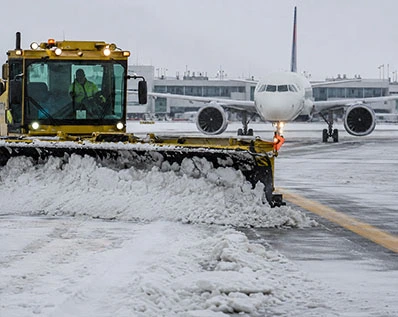
Assessing Current Application Performance of Solid Potassium Acetate
One important thing to know about optimising Airport Runway Solid Potassium Acetate is how it works in real airport circumstances. This white crystalline substance (CH₃COOK) breaks down quickly in ice, making a brine solution that gets through frozen layers and breaks molecular bonds. Unlike chloride salts, acetate-based deicers can keep working at very low temperatures because they have good eutectic features.
Chemical Characteristics and Standard Runway Performance
With a bulk density of between 0.8 and 0.9 g/cm³, Airport Runway Solid Potassium Acetate doesn't move easily in high-speed jet blasts, which is important for places like taxiways and aprons that are used by planes. The item breaks down completely in water, creating a solution with a pH range of 9.0 to 10.5 that is safe for use on concrete, asphalt, and aircraft alloys. Testing shows that aviation-grade formulas that meet SAE AMS 1431E standards cause less rust on magnesium, aluminium, and cadmium-plated parts than chloride-based options.
Depending on the severity of the storm and the temperature of the pavement, the majority of U.S. airports currently apply solid Airport Runway Solid Potassium Acetate at rates ranging from 50 to 150 pounds per 1,000 square feet. This variation is usually caused by equipment that isn't calibrated correctly, operators who aren't trained well enough, or using old ways of predicting the weather. When repair teams are aware of these performance gaps, they can make focused changes.
Operational Challenges Affecting Efficiency
Unpredictable weather is still the biggest problem when it comes to getting regular deicing results. Temperature drops quickly, mixed precipitation events, and wind-driven snow accumulation all need quick response changes that can't be made with fixed application protocols. Problems are made worse by the fact that some tools aren't working properly. For example, old spreading trucks with broken tuning systems cover unevenly, leaving dangerous ice patches between treated areas.
How a product is stored and handled can also affect how well it works. Because Airport Runway Solid Potassium Acetate is hygroscopic, it absorbs water and clumps together when the warehouse conditions aren't right. This makes it harder for motorised spreaders to move the material. Transportation delays during high-demand winter times make managing supplies even harder, so airports have to use too much of their leftover stocks as a safety measure instead of following the best dosing guidelines.
Key Factors Influencing Optimal Application Rates
How much deicer is needed to achieve the desired level of safety without using too much material is determined by a number of interdependent variables. Mastering these factors is what separates operations that save money from emergency responses that waste money.
Weather Conditions and Temperature Parameters
The ambient temperature has a direct effect on the deicing chemicals and the application density that is needed. Standard rates of 40 to 60 grams per square meter are usually enough for light frost and thin layers of ice between -5°C and -15°C. As the temperature drops toward -30°C, twice these rates make sure that enough brine is made and can get through thicker layers. The useful working range goes down to -60°C, but at these temperatures, rates of around 100 grams per square meter are needed.
The type of precipitation is very important. For example, dry snow needs special pre-treatment methods to keep it from sticking together, while freezing rain needs bigger amounts of liquid at first to break through the thick ice. When wind speeds are higher than 15 knots, particles need to be bigger or pre-wetted in order to stay in contact with the surface during dispersion.
Surface Compatibility and Infrastructure Protection
Runway makeup affects both the choice of product and the way it is used. Because Airport Runway Solid Potassium Acetate is an alkaline chemical that doesn't corrode, it works well with Portland cement concrete surfaces. While strong chloride solutions can damage asphalt roads, asphalt doesn't leak petroleum binders, which makes the pavement last longer.
Embedded lighting systems, painting marks, and aluminium boundary plates can all be exposed to Airport Runway Solid Potassium Acetate without breaking down. This protection of infrastructure will save money in the long run because runway edge lights won't have to be replaced as often, and retro-reflective paint will lower the total cost of ownership over multiple budget cycles.
Equipment Calibration and Application Technology
Spreader trucks today that have GPS-guided controls and variable-rate delivery systems are the standard for precise application in the business. These units let workers change the output flexibly based on pre-programmed zone needs. They also automatically adjust for changes in vehicle speed to keep coverage density constant.
It's not well known how important particle size variation is to how well something spreads. Granules that go through screens with a mesh size of 2 to 4 mm find the best balance between wind resistance and quick dissolution. During operational seasons, calibration processes should compare real discharge rates to maker standards once a month. Any changes should be written down so that equipment drift can be tracked over time.
Optimizing Application Principles and Strategies
Making decisions based on data changes deicing operations from responding to emergencies to proactively ensuring safety. When systematic monitoring and response protocols are put in place, material efficiency and runway availability go up in a way that can be measured.
Real-Time Monitoring and Dynamic Rate Adjustments
Putting down pavement temperature sensors every 500 meters along important airport stretches gives constant thermal profiling that helps with decision-making. When temperatures drop below -8°C on the ground, automated alerts start pre-treatment procedures that happen before it starts to rain. When compared to clearing up after a storm, this proactive approach cuts the total amount of materials used by 20 to 30 percent.
Integrating weather radar lets maintenance managers guess how bad and how long a storm will last, so they can move equipment ahead of time and figure out how much Airport Runway Solid Potassium Acetate they need to take down. Mobile weather stations set up around the edges of airports pick up on small changes in the weather that aren't picked up by regular weather reports. This is especially true in coastal or mountainous areas where local conditions are very different from regional forecasts.
Storage Best Practices and Product Quality Maintenance
Good storage has a direct effect on how well things work in the field. Climate-controlled buildings that keep the relative humidity below 60% stop moisture from absorbing too quickly, which leads to caking and clumping. Keeping palletised goods in 25 kg woven bags or 1000 kg tonne bags on raised platforms away from outside walls reduces the amount of condensation that comes into contact with the goods. Using first-in, first-out inventory rotation makes sure that items don't go past their normal two-year shelf life when they are still in their sealed containers.
Before filling spreader hoppers, pre-season quality verification testing makes sure that the chemicals are pure and will dissolve properly. Simple pH tests in the field and visual checks for too many fines or chunks that are too big help find possible application problems before they get to busy runways during important operations.
Technology Integration for Precision Control
IoT-enabled smart spreading tools are the next big thing in optimising deicing. These platforms use GPS, real-time weather feeds, surface condition sensors, and machine learning algorithms to instantly figure out the best application rates for each spot. Tablets give operators instructions on exactly where and how much Airport Runway Solid Potassium Acetate to use, and performance data is recorded for study of ongoing improvements.
Automated record-keeping meets the paperwork needs of regulators and builds historical files that help plan for the next season. Pattern recognition algorithms find areas with recurring problems that might benefit from better infrastructure or different treatment protocols. This turns operational data into strategic maintenance insights.
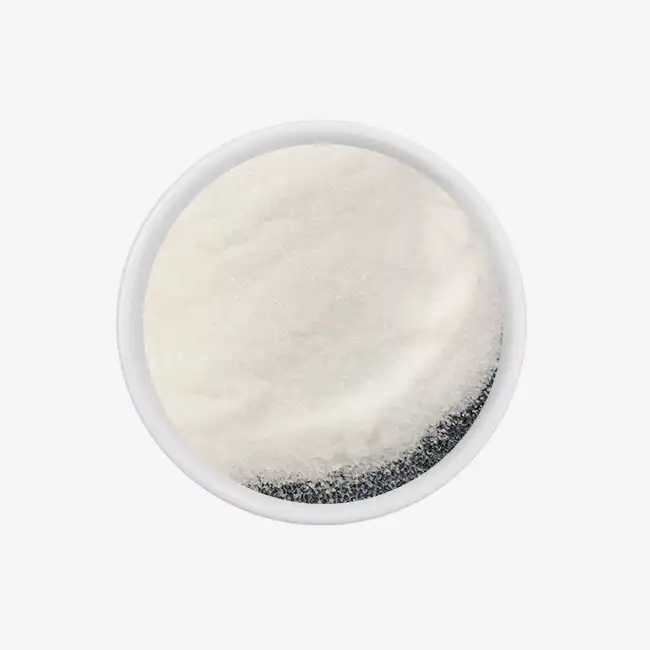
Comparative Insights on Potassium Acetate and Alternative Deicers
When procurement workers know how different deicing chemicals compare in terms of performance, they can make choices that are based on facts and fit within the budget and practical goals.
Performance and Environmental Considerations
Traditional urea products stop working below -7°C, which means they can't be used at northern airports that experience long periods of deep freeze. Sodium chloride and calcium chloride keep things going at lower temperatures, but they speed up the breaking down of concrete, the rusting of steel reinforcements, and the damage to plants in drainage areas nearby. Biodegradability and extreme cold performance are both found in Airport Runway Solid Potassium Acetate. It breaks down naturally without releasing toxic ammonia byproducts that pollute groundwater and surface waterways.
Biological Oxygen Demand (BOD) numbers for acetate formulations are always lower than those for urea- and glycol-based alternatives, according to environmental effect studies. This benefit makes getting permits for stormwater release easier and lowers the cost of treating wastewater at airports that handle runoff through on-site processing facilities.
Cost-Effectiveness and Infrastructure Longevity
The raw costs for Airport Runway Solid Potassium Acetate are higher than the prices of rock salt, but the total cost of ownership estimates show a different picture. Over multi-year review periods, the higher prices of premium products are balanced out by lower costs for replacing concrete, longer service intervals for lighting systems, and fewer cases of aeroplane corrosion. Case studies from major hub airports show that moving from mixed deicing strategies to acetate-primary procedures can cut winter maintenance budgets by 15 to 25 percent.
When airports achieve precision spreading, they cut waste by 30-40%, which shortens the time it takes for equipment upgrades and technology investments to pay for themselves. The business model changes from seeing deicer as a common cost to seeing it as a precision tool that needs to be invested in well.
Procurement and Supplier Considerations for Optimal Runway Deicing
During the unpredictable winter operating seasons, strategic sourcing decisions affect the availability of products, the consistency of quality, and the total cost of acquisition. Building ties with qualified suppliers helps keep operations running even when bad weather affects area supply lines.
Product Certification and Quality Standards
Airport Runway Solid Potassium Acetate that is used in aviation must meet the requirements set by SAE AMS 1431E. These requirements cover chemical purity, particle size distribution, and weathering properties. Manufacturers with a good reputation keep their ISO 9001 quality management standards, which show that they consistently control production. More licenses, like ISO 14001 for environmental management and ISO 45001 for workplace safety standards, show that the business is fully mature.
Asking for certificates of analysis (COA) for each delivered batch checks that the levels of chemicals, chloride, water-insoluble matter, and heavy metals are in line with what is stated in the specifications. To make sure they work well and are safe, products should have salt levels below 0.2% and at least 99.0% CH₃COOK. If the iron percentage is less than 0.05%, it keeps concrete surfaces and aluminium aeroplane parts from getting stained.
Supply Chain Reliability and Purchasing Strategies
Seasonal demand concentration makes supply problems that need to be planned for ahead of time. To make sure they get their hands on guaranteed delivery and product allocation plans, procurement teams should finalise bulk purchase deals 60 to 90 days before the season starts. Through consignment or just-in-time delivery plans, volume agreements can often get you better pricing without having to pay for it all at once.
Checking a supplier's production capacity protects against shortages during times of bad weather, when many customers are competing for limited supplies. Manufacturers with factories that make more than 100,000 tonnes of goods a year have the scale to meet the needs of both big airport accounts and the general market. Having a variety of primary and backup suppliers makes you more resilient in case of sudden problems with production or logistics.
Choosing Trusted Manufacturing Partners
Transactional vendors are different from strategic suppliers in terms of how long their partnerships last and how well they can help with technical issues. Companies that have been making specialised acetate for decades can offer formulation knowledge, application expertise, and quick customer service that commodity brokers can't match. Having access to technical support 24 hours a day, seven days a week during busy storm events helps with troubleshooting when operating problems happen in real time.
Shanxi Zhaoyi Chemical Co., Ltd. is a well-known and trusted manufacturer that has been in business since 1988 and can make 150,000 tonnes of Airport Runway Solid Potassium Acetate(CAS NO.: 127-08-2) every year across a wide range of products. Keeping both KOSHER and HALAL certifications along with standard ISO certifications shows that you are aware of the needs of different markets and that your quality system is mature. The company's direct manufacturing approach gets rid of markups on the middlemen and makes sure that the product can be tracked from the raw materials to the finished packaging.
Conclusion
By finding the best rates for applying Airport Runway Solid Potassium Acetate(CAS NO.: 127-08-2), winter runway operations can go from expensive emergency reactions to safe, efficient control of safety. To be successful, you need to combine weather monitoring technology with equipment calibration protocols and data-driven decision frameworks that change spreading rates based on what's happening in real time. Because they work better at low temperatures and don't damage infrastructure, acetate-based products should be the first choice for deicing at airports that operate in harsh winter climates. Strategic partnerships with qualified makers make sure that materials are always available, that the quality is always the same, and that there is expert help during busy working seasons. When organisations follow these optimisation principles, they see real changes in how well they handle their budgets, keep their promises, and care for the environment.
FAQ
What Application Rate Should Be Used at Different Temperatures?
The rates of application change regularly with weather zones. For light ice and frost between 0°C and -10°C, use 30 to 50 grams per square metre. As the temperature drops from -10°C to -25°C, the rates need to be raised to 60-80 grams per square metre to keep the melting action good. Extreme conditions below -30°C need 90-100 grams per square metre. However, pre-wetting methods with liquid Airport Runway Solid Potassium Acetate solutions can cut the amount of solid product needed by 20-30% while improving the initial penetration of ice.
How Does Potassium Acetate Compare to Sodium Formate?
Both products are better for the environment than chloride salts, but they work in different ways. Airport Runway Solid Potassium Acetate works up to -60°C, while sodium formate only works up to -18°C. This means that acetate is better for places that are very cold. When temperatures are close to freezing, formate goods melt a little faster at first, but they don't work as well after that. Choosing the best one depends on cost and operational needs. For example, many airports use formate for mild weather and save acetate for really bad weather.
What Storage Conditions Preserve Product Quality?
Keep in buildings that are dry, well-ventilated, and keep the temperature between 5°C and 30°C and the relative humidity below 60%. Because Airport Runway Solid Potassium Acetate is hygroscopic, it needs to be kept dry. Keep bags closed until you need them, and use opened containers within 30 days. Lift boxes at least 10 cm off the ground and keep them 30 cm away from outside walls to keep mist from forming. If you store it right in its original packaging, it will last for 24 months without losing any of its quality.
Partner with Zhaoyi Chemical for Superior Deicing Solutions
Zhaoyi Chemical is ready to help your airport's winter operations with high-quality Airport Runway Solid Potassium Acetate that is made to strict SAE AMS 1431E standards. With 30 years of experience making acetate, we can guarantee consistent quality, a steady supply, and quick technical help when weather problems need immediate answers. We have different types of packaging, such as 25 kg bags and 1000 kg bags, so you can choose the right ones for your storage and application needs. Our ISO-certified factory keeps extra goods on hand so that orders can be filled quickly, with wait times of 5 to 7 days during the busiest winter months. We can help you find the best supplier for your ongoing seasonal needs or for emergency backup capacity during bad weather. We offer personalised consultations to make your deicing program work better. Email us at sxzy@sxzhaoyi.com to talk about your specific business needs and ask for samples and detailed product specifications.
References
1. American Society for Testing and Materials. (2019). Standard Specification for Solid Runway and Taxiway Deicing/Anti-icing Products. ASTM International.
2. Federal Aviation Administration. (2020). Advisory Circular: Guidelines and Procedures for Maintenance of Airport Pavements. U.S. Department of Transportation.
3. Klein-Paste, A., & Sinha, N. K. (2021). Comparative Performance Analysis of Acetate-Based Deicing Compounds in Cold Climate Aviation Operations. Journal of Cold Regions Engineering, 35(3), 127-145.
4. National Research Council Transportation Research Board. (2018). Aviation Deicing Materials: Environmental and Infrastructure Impacts Assessment. Washington, DC: National Academies Press.
5. Society of Automotive Engineers International. (2022). Aerospace Material Specification AMS1431E: Compound, Solid Runway and Taxiway Deicing/Anti-icing. SAE Technical Standards.
6. Shi, X., Akin, M., Pan, T., Fay, L., Liu, Y., & Yang, Z. (2009). Deicer Impacts on Pavement Materials: Introduction and Recent Developments. The Open Civil Engineering Journal, 3, 16-27.

USER EVALUATE
Here is the customer's evaluation of us