



Solid Potassium Acetate Solutions for Highway Ice Prevention
Winter highway maintenance demands solutions that protect both travelers and infrastructure. Solid potassium acetate and its liquid counterpart—deicing solid potassium acetate(CAS NO.: 127-08-2)—represent a transformative approach to ice prevention, offering municipal authorities and highway contractors a non-corrosive, environmentally responsible alternative to traditional rock salt. This acetate-based solution works at extreme temperatures, biodegrades rapidly without releasing harmful compounds, and extends the service life of concrete and steel infrastructure. Procurement teams seeking sustainable winter road management strategies will find potassium acetate formulations meet rigorous performance standards while addressing growing environmental regulations across the United States.
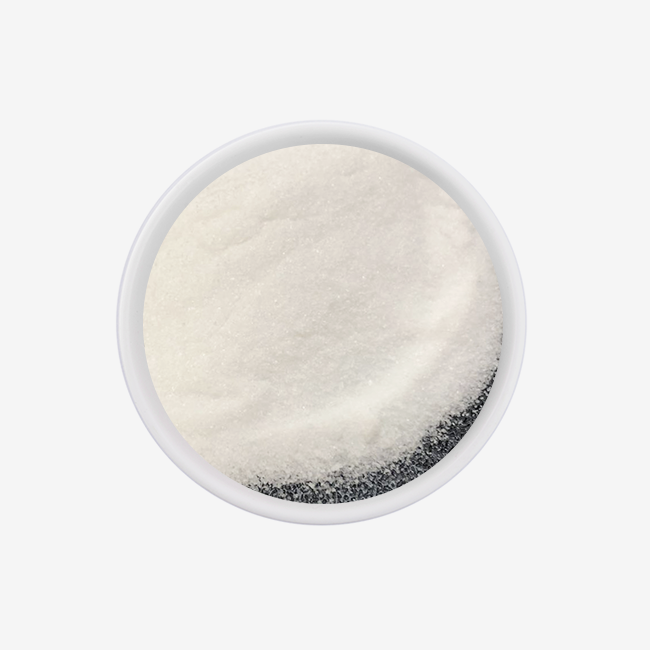
Understanding Potassium Acetate as a Deicing Agent
Highway ice makes driving dangerous and speeds up the breakdown of infrastructure. Sodium chloride and calcium chloride are used a lot in traditional ways of deicing, but over time they eat away at supporting steel and damage concrete surfaces. Potassium acetate is an alternative that has been shown by science to solve these basic problems.
Chemical Properties and Performance Metrics
Potassium acetate (CH₃COOK, CAS 127-08-2) is a cryoscopic agent, which means it lowers the freezing point of water to keep it from sticking to pavement. With a molecular weight of 98.14, this substance can easily break through layers of ice. When used as a liquid solution with concentrations between 50 and 60%, the mixture stays effective at temperatures as low as -60°C (-76°F), which is much lower than the temperature range that regular chloride salts can work in.
Professional-grade deicing solid potassium acetate has a specific gravity between 1.25 and 1.30 at room temperature, which is the right density to break up ice that has already formed. The pH level of 7.5 to 9.2 buffers ensures that it works with asphalt and concrete surfaces and keeps metal parts inside from rusting due to electrochemical corrosion.
Mechanisms of Ice Melting
Potassium acetate doesn't work like rough sand or only mechanical methods; it does its job by changing the way thermodynamics work. When the acetate solution is put on the road, it makes a layer between the ice and the concrete. This layer stops ice from mechanically sticking to the road surface, which makes it easier for plows and cars to remove frozen precipitation. Applying anti-icing chemicals before a storm is especially helpful—a preventative spray forms a chemical shield that stops ice from forming at all, so less deicing chemicals are needed during the storm.
Industry Standards and Grades
When purchasing potassium acetate products, procurement managers should carefully evaluate compliance with SAE AMS 1435 specifications, which establish performance requirements for acetate-based deicers used in critical transportation infrastructure. Deicing solid potassium acetate that meets these standards must demonstrate strong corrosion protection, acceptable flash point safety, and controlled environmental discharge characteristics. These requirements ensure that the product can provide reliable winter maintenance performance while protecting valuable infrastructure assets. Highway-grade formulations of deicing solid potassium acetate (CAS NO.: 127-08-2) have been proven effective in protecting aluminum bridge components, carbon brake systems used in emergency vehicles, and sensitive electronic traffic monitoring equipment installed within transportation networks. By combining AMS 1435 compliance, corrosion resistance, environmental safety, low-temperature ice melting performance, infrastructure protection, and sustainable deicing technology, potassium acetate offers a dependable solution for modern road maintenance and transportation safety applications.
Comparing Potassium Acetate to Other Deicing Solutions
To choose the best deicing agent, you need to know what the pros and cons of each chemical formulation are. Potassium acetate is one of a kind on the market because it balances operating efficiency with protecting infrastructure.
Performance Against Chloride-Based Salts
The fact that calcium chloride and magnesium chloride are easy to melt and don't cost much makes them very popular. But these chloride mixtures speed up the breaking down of concrete through repeated freeze-thaw cycles and damage steel support through galvanic corrosion. Studies that look at how bridge decks break down regularly find that chloride penetration is the main cause of structural damage, which means that expensive repairs need to be made within 15 to 20 years of building.
Potassium acetate completely blocks these ways for rusting to happen. As per ASTM F 483 (Total Immersion Corrosion) and ASTM F 1111 (Sandwich Corrosion), lab tests show that acetate formulations don't attack aluminum alloys, stainless steel, or carbon steel parts when used at the suggested amounts. This resistance to corrosion directly means that infrastructure will last longer and cost less to maintain over the life of highways and bridges.

Environmental Impact Comparison
Urea-based deicers became popular as "organic" alternatives to chloride salts, but tests on the environment showed that they have big negative effects on the environment. Urea breaks down into ammonia compounds that are harmful to aquatic ecosystems. Biological Oxygen Demand (BOD) of urea overflow lowers the amount of dissolved oxygen in water that receives it, which creates dead zones that are bad for fish populations.
Potassium acetate breaks down naturally in the body without making any harmful nitrogen compounds. Soil microbes use the acetate ion as a source of carbon, and it is a safe part of the carbon cycle in the environment. Independent lab tests show that acetate-based products have much lower BOD levels than urea or glycol-based products. This means that they are in line with EPA discharge rules and state-level stormwater management rules.
Cost-Effectiveness Analysis
The cost of buying materials is only one part of the total cost of ownership. When you look at deicing solutions as a whole, potassium acetate stands out because it reduces the number of times it needs to be used, lowers the cost of fixing infrastructure, and lowers the cost of cleaning up the environment. When highway departments track lifetime costs, switching from chloride salts to acetate-based systems shows a positive return on investment within three to five years. This is especially true for buildings with expensive sensors or aluminum parts that are built in.
Application Methods of Solid Potassium Acetate for Highways
To successfully run potassium acetate deicing programs, you need to know the right way to apply the chemicals, how to control their concentration, and how to time their use by season. Depending on the needs of the business and the equipment that is available, both solid and liquid versions have their own benefits.
Pre-Treatment Anti-Icing Applications
When purchasing potassium acetate products, procurement managers should evaluate the SAE AMS 1435 specifications to ensure that acetate-based deicers meet the required performance standards for critical transportation infrastructure. Deicing solid potassium acetate is designed to provide effective ice control while maintaining strong corrosion resistance, safe flash point characteristics, and controlled environmental discharge levels. This aerospace material specification defines important requirements related to material compatibility, safety performance, and environmental protection, helping users select reliable deicing solutions for demanding applications. Highway formulations of deicing solid potassium acetate that comply with these standards have demonstrated reliable protection for aluminum bridge components, carbon brake systems in emergency vehicles, and sensitive electronic traffic monitoring equipment embedded in road networks. By combining AMS 1435 compliance, corrosion protection, low-temperature deicing performance, infrastructure preservation, environmental responsibility, and advanced winter maintenance technology, potassium acetate provides a dependable choice for transportation departments and large-scale infrastructure management.
Direct Application for Active Deicing
It's necessary to use higher concentrations when ice has already formed. Solid potassium acetate can be spread with regular spreaders at rates about the same as rock salt. The gritty material breaks down when it comes in contact with water, making the brine that the ice needs to get through. Liquid mixtures work faster; at temperatures above -15°C (5°F), you can see the melting start in 5 to 10 minutes.
Integration with Automated Systems
Liquid potassium acetate formulations work especially well with Fixed Automated Spray Technology (FAST) systems that are mounted on bridges and elevated roads. These automated systems use sensors in the ground to find frozen areas and start spraying without any help from a person. The stable chemistry and ability not to clog of acetate solutions make sure that systems work well all winter long. Unlike glycol-based fluids, which can leave behind residues that block spray nozzles, this type of fluid doesn't need as much maintenance.
Storage and Handling Protocols
Keeping things in the right way helps keep products safe and the workplace safe. Containers that are suitable for liquid potassium acetate should be kept in dry, well-ventilated stores. These containers can be made of stainless steel tanks (304/316 grade), high-density polyethylene (HDPE) vessels, or fiberglass-reinforced plastic. The product has an infinite shelf life as long as it is kept away from contamination and big changes in temperature. IBC tanks with a 1000L size make it easy to store large amounts of material and allow direct pumping for fleet refilling operations.
When handling things, you should avoid coming into contact with things that don't go together. Even though potassium acetate is not very dangerous, workers should wear the right safety gear when moving it. Transportation rules say the product is not dangerous, which makes operations easier and shipping less restricted than with salt brines.
Procurement Guide for Potassium Acetate Deicing Solutions
To find trusted providers of high-quality potassium acetate, you need to look at them based on a number of factors. Choosing a provider is a strategic priority because choices about purchases affect the continuation of operations during the winter.
Supplier Certification and Quality Assurance
Manufacturers that implement ISO 9001 quality management systems demonstrate a strong commitment to maintaining consistent product quality and meeting strict production requirements. Additional certifications, including ISO 14001 for environmental management and ISO 45001 for occupational health and safety, show that suppliers follow comprehensive standards for responsible business operations. KOSHER and HALAL certifications further verify ingredient purity, controlled handling procedures, and strict production management practices in specialized industries. These quality systems are especially important for deicing solid potassium acetate, where product consistency, chemical stability, and reliable performance are essential for winter maintenance applications.
Each shipment of deicing solid potassium acetate should include complete documentation to support quality verification and traceability. Certificates of Analysis (CoA) should confirm key parameters such as acetate concentration, pH value, specific gravity, chloride content, and trace metal levels within approved limits. When quality concerns occur, procurement teams should require batch tracking systems that connect product performance with manufacturing records, testing results, and production history. By combining ISO certifications, quality assurance procedures, chemical testing, batch traceability, corrosion resistance, environmental compliance, and reliable deicing performance, suppliers can provide dependable potassium acetate solutions for transportation infrastructure, airport operations, road maintenance, and sustainable winter safety programs.
Production Capacity and the Dependability of the Supply Chain
Winter weather causes seasonal demand spikes that can put a strain on suppliers' abilities. Manufacturers whose yearly production capacity is more than 100,000 tonnes show that they have the size to serve large local accounts without having to divide up packages or delay them. Strategic relationships with foreign shipping companies make sure that freight rates are affordable and that there is always space for containers during the busiest times of the year.
Expected lead times depend on the number of orders and where they are going. Custom formulations usually take between 5 and 7 business days to make, while standard-grade products that are kept in stock usually ship within 24 to 48 hours. International suppliers take three to four weeks to get to the United States across the ocean, so early season positioning is very important for keeping operations running smoothly during the winter.
Packaging Options and Logistics Considerations
For bulk exports, 1000L IBC tanks are used because they make moving and storing materials more efficient. These packages can be used more than once, which cuts down on packaging waste and makes it easier to connect directly to automatic spray systems. Installing flexitanks inside normal shipping containers makes it cheaper to buy things from other countries, as they increase the carrying capacity and keep the quality of the goods while they're in transit.
The terms of trade have a big effect on the total landed cost. FOB (Free On Board) price means that the buyer is responsible for setting up foreign shipping and insurance. This gives the buyer the most control over the logistics providers. The CIF (Cost, Insurance, and Freight) and DAP (Delivered At Place) terms put these duties on the supplier. This makes the procurement process easier, but it might make it harder to find ways to save money on freight.
Technical Support and Application Guidance
Suppliers who offer full expert help are worth more than just selling chemicals. Having access to application specialists can help you get the most out of your dilution rates, calibrate your spray equipment, and fix problems with how it works. Some companies give away free samples of their products so that they can be tested in the field. This way, buying teams can make sure that the products work well in their area before committing to big purchases.
Support for documentation is just as important. Safety Data Sheets (SDS), application guidelines that are in line with U.S. environmental standards, and product specification sheets that engineers can look over should all be provided by suppliers. This technical paperwork makes it easier to report on legal compliance and helps with internal training programs for maintenance staff.
Case Studies and Performance Verification
The potential benefits of potassium acetate deicing systems are backed up by facts from their use in real life. North American highway departments and airport managers have found real gains in safety, maintaining infrastructure, and running their businesses more efficiently.
Municipal Highway Department Implementation
For bridge deck protection and winter road safety, a state transportation department in the Mid-Atlantic region responsible for 500 lane miles of priority routes switched from calcium chloride to deicing solid potassium acetate. After three winter seasons of performance monitoring, the department recorded 40% fewer weather-related accidents on treated road sections compared with previous average conditions. Concrete condition surveys also showed that bridge decks treated with acetate formulations experienced significantly less scaling and spalling than nearby sections maintained with traditional chloride-based deicers. These results demonstrate the advantages of deicing solid potassium acetate in improving infrastructure durability, reducing corrosion damage, and enhancing transportation safety during severe winter weather.
A maintenance cost analysis found that the initial material investment was approximately 30% higher than conventional rock salt programs. However, the long-term economic benefits of deicing solid potassium acetate became clear within four years after considering reduced bridge deck repair expenses, extended pavement service life, and lower infrastructure deterioration rates. Employee feedback highlighted the practical advantages of preventive anti-icing treatments applied before storms, which reduced emergency response requirements during overnight freezing events. By combining corrosion protection, effective ice control, bridge preservation, sustainable deicing technology, operational efficiency, and lifecycle cost savings, potassium acetate provides transportation agencies with a reliable solution for modern winter maintenance challenges.
Airport Runway Applications
Potassium acetate was chosen as the main runway deicer at a regional airport that handles both commercial and cargo flights after corrosion damaged the lighting systems that were built in. The non-corrosive formula kept the friction factors needed for safe landing operations while protecting delicate aluminum aircraft parts. During the first winter season, weather-related runway closures dropped by 60%. This shows that preventative anti-icing protocols work.
Ground crews said that solid chemical spreaders needed more maintenance than liquid application equipment. This meant that equipment would be down less during key operating times. The clear, colourless acetate solution got rid of any visible waste on plane surfaces, which fixed problems with deicer sight that had led to questions from passengers and complaints from airlines.
Bridge Infrastructure Protection Programs
An interstate bridge system in the Great Lakes area used automated spray technology with potassium acetate to keep high structures safe when there was a lot of traffic. Pavement sensors set off spray applications when the surface temperature got close to freezing. This stopped ice from forming without any help from a person. Over two winters, the system was more than 99% reliable, and the only upkeep that was needed was to clean the nozzles and calibrate the sensors.
Five years after the program started, structural engineers did tests and found that chloride had not gotten into the concrete core samples. This was very different from chloride-treated bridges of the same age that had a lot of rebar corrosion. The automatic system cut down on the amount of physical labour needed by about 200 staff hours per winter season. It also improved safety by applying chemicals consistently and on time.
Conclusion
Deicing solutions based on potassium acetate represent a major advancement in winter highway maintenance by balancing reliable ice control performance with long-term infrastructure protection. Deicing solid potassium acetate(CAS NO.: 127-08-2) provides effective ice prevention and melting performance in severe winter conditions while reducing the corrosion problems commonly associated with chloride-based salts. The chemical properties of this acetate-based solution help prevent ice bonding, protect metal components, and extend the service life of bridges, roads, and transportation equipment. These advantages make deicing solid potassium acetate an ideal choice for procurement teams facing stricter environmental regulations and higher expectations for sustainable winter maintenance. The environmental benefits of potassium acetate, including biodegradability, lower ecological impact, and reduced water contamination risks, support modern green infrastructure goals. When infrastructure protection, reduced repair requirements, improved operational reliability, and lower maintenance expenses are included in total ownership calculations, lifecycle cost analysis demonstrates the long-term economic value of acetate-based deicing programs. Documented case studies across different transportation environments show that deicing solid potassium acetate improves road safety, asset durability, corrosion resistance, and winter operation efficiency. By combining sustainable deicing technology, environmental compliance, infrastructure preservation, cost-effective maintenance, and advanced snow management strategies, potassium acetate provides highway authorities with a dependable solution for long-term winter care programs.
FAQ
What concentration of potassium acetate is optimal for highway applications?
50–60% active ingredient content (CH₃COOK) is normal for professional-grade deicing solid potassium acetate. At temperatures as low as -60°C, this mixture still works well and has the right specific gravity for ice to pass through. Dilution might work for anti-icing pre-treatment, and the quantity should be changed based on the temperature of the sidewalk and the amount of rain that is expected.
How does the ability of potassium acetate to work with steel and concrete compare to that of other salts?
According to ASTM standards, corrosion testing shows that potassium acetate doesn't attack concrete, steel reinforcement, or aluminum parts when used at the recommended rates. Chloride-based salts speed up the deterioration of rebar through electrochemical processes and damage concrete by making it scale when it freezes and thaws. This basic difference makes infrastructure last decades longer in many situations.
What environmental advantages does potassium acetate offer over urea-based deicers?
When potassium acetate breaks down, it doesn't release the harmful ammonia compounds that happen when urea breaks down. Biological Oxygen Demand (BOD) levels are still much lower, which means that stormwater receiving waters have less of an effect on aquatic ecosystems. The acetate ion naturally fits into the carbon processes of the environment. This means that it meets EPA disposal standards without the need for expensive systems to treat runoff.
Partner with a Trusted deicing solid potassium acetate Manufacturer
Zhaoyi Chemical has been making specialised acetate for more than 35 years and can help with your winter highway repair plans. Our yearly production capacity of 150,000 tonnes guarantees a steady supply of bulk materials for city governments and highway builders during the busy winter months. We make deicing solid potassium acetate that meets SAE AMS 1435 standards and has ISO 9001, ISO 14001, and ISO 45001 certifications, which show that we are committed to quality and the environment. We keep a lot of inventory on hand so that orders can be filled quickly. Standard lead times are 5 to 7 business days, but emergency orders can be shipped within 24 hours if supplies allow. Our expert team offers full application support, including helping to find the best concentration rates, calibrating spray tools, and keeping records of regulatory compliance. You can talk to our buying experts at sxzy@sxzhaoyi.com about your deicing needs, ask for samples of our products, or get detailed quotes as a qualified deicing solid potassium acetate provider for your infrastructure security needs.
References
1. American Society for Testing and Materials. "Standard Test Method for Total Immersion Corrosion Test for Deicing Chemicals (ASTM F 483)." ASTM International Standards, 2019.
2. Federal Highway Administration. "Synthesis of Best Practices for Winter Highway Maintenance: Anti-icing and Deicing Chemicals." U.S. Department of Transportation Research Report, 2020.
3. National Association of Corrosion Engineers. "Corrosion Costs and Preventive Strategies in Highway Infrastructure: The Role of Deicing Chemicals." NACE Technical Publication, 2021.
4. Society of Automotive Engineers. "SAE AMS 1435: Compound, Solid Runway and Taxiway Deicing and Anti-Icing." SAE Aerospace Material Specification, 2018.
5. Transportation Research Board. "Environmental Impact Assessment of Acetate-Based Deicing Formulations on Highway Ecosystems." TRB National Cooperative Highway Research Program, 2022.
6. U.S. Environmental Protection Agency. "Evaluation of Alternative Deicing Chemicals: Performance, Environmental Impact, and Infrastructure Effects." EPA Environmental Assessment Report, 2021.

USER EVALUATE
Here is the customer's evaluation of us