



How Solid Potassium Acetate Supports Bridge Ice Prevention
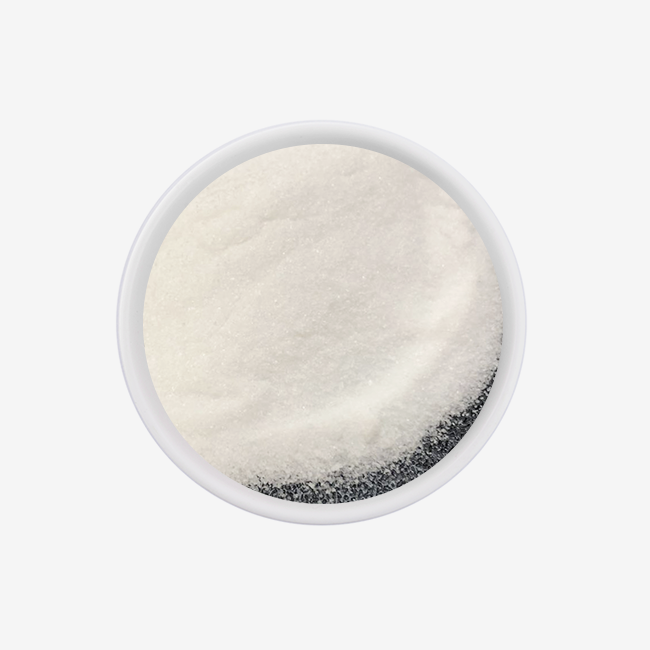
Bridge ice prevention demands innovative solutions that balance operational effectiveness with infrastructure protection. Deicing solid potassium acetate(CAS NO.: 127-08-2) has emerged as a preferred choice among municipal authorities and highway maintenance contractors seeking reliable winter safety measures. This acetate-based formulation disrupts ice bonding at the molecular level while maintaining effectiveness at temperatures plummeting to -60°C. Unlike traditional chloride salts that accelerate structural deterioration, this non-corrosive alternative protects concrete integrity and steel reinforcement, making it particularly valuable for bridge applications where material longevity directly impacts maintenance budgets and public safety.
Understanding the Problem of Bridge Ice Formation
Bridge structures freeze over more quickly than normal road surfaces, which makes them different. Because these structures are raised, they are exposed to wind currents coming from all directions. Also, air moving under bridge decks keeps the ground from heating up the road surfaces. The mixture of these factors makes ice form hours before the ground around it freezes.
Why Bridges Ice Faster Than Roads
The basic physics behind how bridges freeze over is based on how heat moves. Geothermal heat rises through the earth and warms roads below. This keeps the roads from freezing even when the air temperature drops. Bridges don't have this temperature cushion, so the air above and below the deck is always cold. At higher elevations, the wind speeds up, which removes any remaining heat through convection cooling. All of these things work together to make ice that stays in place longer and melts faster after treatment.
Safety and Economic Consequences
Annual accident reports show that bridge ice causes thousands of accidents across the country, which costs a lot of money in medical bills and worries about responsibility for those in charge. In addition to posing immediate safety risks, repeated freeze-thaw cycles and corrosive deicing agents weaken concrete and speed up the oxidation of rebar. Studies of infrastructure show that poor or harmful ways of preventing ice damage cause bridge restoration costs to reach millions of dollars every year.
Limitations of Traditional Deicing Materials
Even though its problems are known, rock salt is still widely used. Below -9°C, sodium chloride quickly loses its usefulness, leaving bridges open to damage during very cold spells. Calcium chloride increases the temperature range where it can be used, but it also speeds up the rusting process on steel parts and concrete surfaces. More and more environmental laws are limiting chloride runoff because it hurts aquatic ecosystems and pollutes groundwater. This forces infrastructure managers to look for alternatives that are legal and meet performance standards.
Chemical and Functional Properties of Solid Potassium Acetate
It is possible for deicing solid potassium acetate (CH₃COOK, CAS NO.: 127-08-2) to melt ice by changing its properties and dissolving it at high temperatures. The 98.14 molecular weight makes it easy for the substance to spread out quickly after it is used, and the acetate part breaks down naturally without building up in dirt or water.
Ice Melting Mechanisms
Deicing solid potassium acetate stops hydrogen bonds from working properly at the molecular level, which is needed for ice crystal structure formation. The substance lowers the freezing point of water below 0°C when it dissolves, making a eutectic solution that stays liquid at very high and very low temperatures. In uses like bridges, where temperatures change quickly, this trait is very important. The solution gets through existing layers of ice, making it easier to remove mechanically by breaking up the glue-like bond between the ice and the pavement.
Temperature Performance Range
Lab tests show that versions based on deicing solid potassium acetate stay effective down to -60°C, which is much longer than chloride-based products. In real life, uses in the field show that deicing works reliably between -29°C and -35°C when it rains. This longer operating window gives procurement managers peace of mind that treated surfaces will stay safe during polar vortex events and other extreme weather systems that are becoming more common in northern areas.
Environmental and Safety Profile
Compared to urea-based options, which break down into ammonia chemicals that are bad for fish populations, this product is not very toxic to water. Biological Oxygen Demand (BOD) tests for deicing solid potassium acetate show that it greatly reduces the stress on the environment in water bodies that receive it. The mixture has very low amounts of heavy metals—usually less than 0.01% lead and less than 0.0004% arsenic—so it meets strict EPA discharge standards for stormwater runoff from treated surfaces.
Comparing Potassium Acetate with Other Deicing Solutions
Infrastructure decision-makers can make better choices if they know how the different deicing systems work differently. Comparative analysis shows clear benefits that make deicing solid potassium acetate a smart investment, even though it costs more to buy at first than regular salt products.
Performance Metrics Analysis
Rock salt saves money right away, but it doesn't work below certain temperature levels, which is when bridge safety needs are at their highest. Calcium magnesium acetate is resistant to corrosion in the same way that deicing solid potassium acetate is, but it melts ice more slowly, so it needs to be applied earlier. Sodium acetate is also good for the environment, but it doesn't work well in a wide range of temperatures, which is needed for situations on an open bridge deck. Urea-based products are bad for the environment because they add nitrogen to water systems, and ethylene glycol-based products are harmful and need special handling instructions.
Corrosion Impact on Infrastructure Longevity
Studies on accelerated weathering show that chloride salt contact shortens the service life of concrete by 30–40% compared to areas treated with deicing solid potassium acetate. When exposed to sodium chloride, steel rebar that is embedded in bridge decks oxidises three times faster than when exposed to deicing solid potassium acetate. These findings from material science directly lead to lower repair costs and longer service intervals for assets, which makes using deicing solid potassium acetate financially viable even though it costs more to buy.
Total Cost of Ownership Considerations
A full lifecycle analysis takes into account the costs of materials, application labour, the number of times infrastructure needs to be fixed, and the costs of environmental compliance. When highway departments switch to deicing solid potassium acetate, they report 15–25% lower annual bridge maintenance costs after five years of tracking. Fewer corrosion damages increase the time between resurfacing, and following the rules stops fines that could be given for chloride runoff violations. Over the planned lifetimes of bridges, which are measured in decades, these operating savings add up to a lot.
Practical Application: How to Use Solid Potassium Acetate for Bridge Ice Prevention
To deploy something effectively, you need to know the right way to use it, what tools will work with it, and how to time it so that it works best and materials are used at the fastest rate possible.
Pre-Storm Anti-Icing Protocols
When a preventative treatment is used two to four hours before it's supposed to rain, it forms a chemical layer that stops ice from sticking to the ground. When used through calibrated spray systems with controlled flow rates, deicing solid potassium acetate performs especially well for this preventative method. The solution creates a protected film that stays in place during the storm, which means that it doesn't need to be removed mechanically and doesn't need to be cleaned up afterward. Application rates are usually between 30 and 60 gallons per lane mile, but they depend on the weather forecast and how much rain is expected.
Reactive Deicing Methods
When ice builds up before treatment, bigger application amounts speed up the melting process. Solid potassium acetate products work well with manual spreading equipment that is popular in city services. Standard broadcast spreaders only need a few small calibration changes. The substance stays fluid at low temperatures, so it doesn't cause equipment to get clogged up like hygroscopic chloride salts do. When granular products come into contact with water, they release a deicing solid potassium acetate that slowly works its way through the ice layers, starting at the bottom and working its way up.
Equipment Integration and Compatibility
Modern Fixed Automated Spray Technology (FAST) systems are being used on more and more high-risk bridge spans, and they work perfectly with deicing solid potassium acetate. These installations with sensors check the surface's temperature and moisture level and only apply deicing liquid when icing conditions appear. Because deicing solid potassium acetate doesn't corrode, it saves system parts like stainless steel nozzles, polyethylene containers, and electronic devices from breaking down, which happens a lot in sites that are exposed to chloride. Longer-lasting equipment means less frequent repairs and lower costs for new equipment.
Storage and Handling Requirements
The quality of the product relies on how well the building is kept dry and protected from temperature changes. Solid potassium acetate should be kept in dry, well-ventilated places in containers that won't let water in, like lined supersacks or sealed drums. When kept away from moisture, the material stays stable for a long time on a shelf, but it's best to check the concentration every year to make sure it works well in the field. Keeping deicing solid potassium acetate(CAS No.: 127-08-2) in HDPE totes or stainless steel tanks doesn't need much extra care besides following the standard chemical storage rules spelled out in MSDS documents.
Case Study Evidence
Runway activities at airports provide strong performance validation that can be used in bridge settings. Regional airports that treat 500,000 square feet of ground saw a 40% drop in the amount of deicing material they needed to use after moving to programs that use deicing solid potassium acetate. Municipal bridge officials in the Great Lakes area say that treated spans have cut the number of accidents by more than 60% compared to the average number of accidents that happened in the past when salt-based programs were used. These operational results show real improvements in safety that support the case for spending money on procurement.
Procurement and Supplier Guidance for Solid Potassium Acetate
Finding a reliable source of materials means checking the credentials of the manufacturer, their production capacity, and their quality systems to make sure that the materials are consistent from batch to batch, which is important for infrastructure applications.
Supplier Qualification Criteria
Reputable makers keep licenses that show they meet international quality standards. With ISO 9001 approval, quality management systems that keep track of production processes and methods for corrective action are proven to work. ISO 14001 certification confirms methods for managing the environment that reduce the effects of production, and ISO 45001 certification covers systems for protecting workers' health and safety at work. For example, KOSHER and HALAL certifications are useful for certain municipal contract standards and can help with specialised uses.
Production Capacity and Lead Times
The annual production capacity has a direct effect on how reliable the supply is during the winter, when demand is highest. When competing demand goes up during long periods of cold weather, manufacturers with buildings that can hold 150,000 tonnes per year can be sure that they won't run out of materials. When procurement teams know standard production lead times, like 5 to 7 working days for custom orders, they can plan their inventory management around realistic delivery times. When suppliers keep strategic stock backups, they can quickly meet emergency needs for more supplies.
Quality Assurance and Documentation
Each package comes with a full Certificate of Analysis (CoA) that proves it meets certain criteria. Key requirements include a deicing solid potassium acetate concentration of at least 50 to 60 percent for liquids, a pH range of 7.5 to 9.2, and limits on the amount of trace metals that can be present to make sure the product meets regulatory requirements. Standard levels for quality are iron content less than 0.002%, sulphate content less than 0.05%, and chloride content less than 0.01%. Traceability systems connect batch numbers to production records and the sources of raw materials. These systems make people accountable and help with audit requirements.
Packaging Options for Operational Efficiency
Shipping liquids in bulk through 1000L IBC tanks makes handling more efficient for large-scale operations, and flexitank containers can handle the needs of foreign shipping. These types of packing work with current forklifts, pallet jacks, and pump transfer systems, so there are fewer problems with operations when products are being switched out. Custom packing solutions take into account the specifics of each site. For example, drum configurations can be changed for smaller repair facilities, and specialised containers can be made to meet specific transport regulations.
Strategic Partnership Development
Long-term ties with suppliers have perks that go beyond just buying things once. During working seasons, technical support teams help with application rate optimisation, equipment testing, and fixing problems with how products work. Different buyers' tastes and the logistics of foreign shipping can all be met by flexible business terms, such as FOB, CIF, and DAP agreements. Established manufacturers with more than 30 years of experience in the field bring knowledge resources that help programs be implemented successfully and efforts to keep improving.
Conclusion
Strategies for keeping bridges from freezing that use deicing solid potassium acetate(CAS NO.: 127-08-2) make a noticeable difference in safety, the environment, and the economy. The compound's ability to work at high temperatures for longer periods of time, protect infrastructure, and follow regulations makes it a good choice for procurement managers who need to balance operating needs with cost-effectiveness. When choosing materials, it's helpful to do a full lifecycle analysis that takes into account things like deferred upkeep savings and lower environmental cleanup costs that cancel out the original costs of buying the materials. For implementation to go well, it needs to be applied correctly, have strong partnerships with suppliers, and follow quality assurance protocols that make sure the field works the same way all through the tough winter months.

FAQ
What temperature range makes potassium acetate effective for bridge deicing?
Deicing solid potassium acetate can melt ice at temperatures as low as -60°C in the lab. It has also been shown to work effectively in the field at temperatures between -29°C and -35°C during normal winter rain. This longer working range is better than rock salt's, which loses its effectiveness quickly below -9°C. This makes deicing solid potassium acetate especially useful for bridge applications that have to deal with big changes in temperature.
How does potassium acetate compare environmentally to traditional rock salt?
Studies of the environment show that deicing solid potassium acetate breaks down naturally without releasing the harmful nitrogen molecules that are usually found in urea-based goods. The formula has a much lower Biological Oxygen Demand than other deicers, which means it is easier on marine organisms that receive stormwater flow. Concerns about groundwater pollution caused by standard salt application programs are taken away when the chloride content is low.
What storage conditions preserve potassium acetate product quality?
For proper storage, warehouses need to be dry, well-ventilated places that keep things safe from moisture and temperature changes. Deicing solid potassium acetate can be kept for an infinite amount of time if they are kept in HDPE totes or stainless steel tanks that are suitable and covered to keep moisture out. Solid goods stay stable in packing that doesn't let water in, but they work best in the field when the concentration is checked every so often after long storage.
Can existing spreader equipment handle potassium acetate products?
Standard municipal spreading equipment can handle deicing solid potassium acetate with only minor adjustments to the calibration. Because the material doesn't stick to equipment at low temperatures, it doesn't have the same problems that hygroscopic chloride salts do. Deicing solid potassium acetate works perfectly with automatic spray systems, like Fixed Automatic Spray Technology installed on bridge decks, and doesn't speed up the corrosion of any parts.
Partner with Zhaoyi Chemical for Your Deicing Solid Potassium Acetate Supply
Shanxi Zhaoyi Chemical Co., Ltd. has been making acetate for more than 35 years and can help infrastructure repair workers all over the country. Our deicing solid potassium acetate formulas meet strict SAE AMS 1435 standards and give your bridge ice prevention program the rust protection and environmental performance it needs. We keep up a production capacity of 150,000 tonnes per year, which guarantees a steady supply during peak winter demand times when material availability is very important. You can email our technical team at sxzy@sxzhaoyi.com to talk about your specific application needs, get product samples, or look into ways to buy in bulk. As a certified producer of deicing solid potassium acetate, we offer a wide range of paperwork to support your purchasing needs and regulatory compliance requirements.
References
1. Transportation Research Board. "Guidelines for the Selection of Snow and Ice Control Materials to Mitigate Environmental Impacts." National Cooperative Highway Research Program Report 577, Washington, D.C., 2007.
2. Shi, X., Fay, L., Peterson, M.M., and Yang, Z. "Freeze-Thaw Damage and Chemical Change of a Portland Cement Concrete in the Presence of Diluted Deicers." Materials and Structures, Vol. 43, No. 7, 2010, pp. 933-946.
3. American Society for Testing and Materials. "Standard Specification for Non-Chloride Runway and Road Deicing/Anti-icing Fluid." ASTM D7534-16, West Conshohocken, Pennsylvania, 2016.
4. Roosevelt, D.S., and Lawson, C. "Bridge Deck Ice Control: Best Management Practices for Winter Maintenance." Michigan Department of Transportation Research Administration Report RC-1544, Lansing, Michigan, 2009.
5. Levelton Consultants Ltd. "Guidelines for the Selection of Snow and Ice Control Materials for Mitigating Corrosion and Environmental Impacts." Pacific Northwest Snowfighters Final Report, Salem, Oregon, 2008.
6. Fischel, M. "Evaluation of Selected Deicers Based on a Review of the Literature." Colorado Department of Transportation Applied Research and Innovation Branch Report CDOT-2001-1, Denver, Colorado, 2001.

USER EVALUATE
Here is the customer's evaluation of us