



Solid Potassium Acetate Optimizes Municipal Snow and Ice Management
Municipal authorities across North America face mounting pressure to deliver safer winter road conditions while protecting infrastructure and the environment. Solid potassium acetate has emerged as a strategic solution that balances performance with sustainability. When compared to traditional chloride-based deicers, this acetate-based agent offers municipalities a pathway to reduce long-term infrastructure damage while maintaining public safety during severe winter weather. Our snow melting liquid potassium acetate (CAS NO.: 127-08-2) formulation brings these benefits in an easy-to-apply format, achieving freezing point depression to -35°C while maintaining corrosion rates below 0.03g/m²·h on carbon steel. This makes it exceptionally suitable for critical infrastructure including airport runways, bridge decks, and high-traffic commercial zones requiring superior material compatibility.
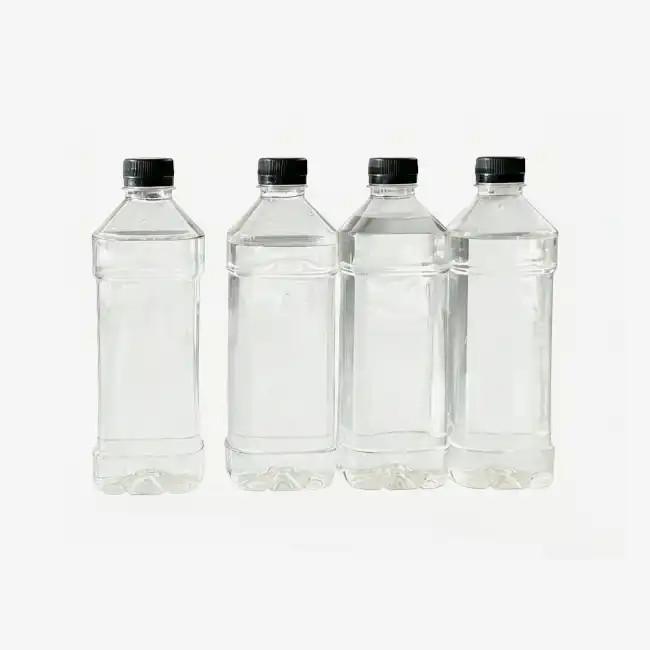
Understanding Solid Potassium Acetate and Its Role in Snow and Ice Management
Chemical Composition and Physical Properties
Solid potassium acetate (CH₃COOK) is an acetate salt that is crystallised and has a molecular weight of 98.14. Unlike hygroscopic chloride salts, which take in water from the air, solid potassium acetate stays stable while being stored and performs precisely as expected. The compound's eutectic point drops to -60°C in concentrated liquids, but temperatures as low as -30°C are usually enough for practical use. The acetate ion can stop the formation of ice crystals more effectively than sodium chloride, which is why it works so well at low temperatures.
Deicing Mechanism and Ice Penetration
When solid potassium acetate comes into contact with frozen precipitation, it begins the ice-melting process by dissolving into a concentrated brine solution in the presence of moisture. This solution penetrates the ice layer, weakens the bond between the pavement surface and frozen materials, and helps prevent new ice formation at the same time. Snow melting liquid potassium acetate works through chemical disruption of ice structures, allowing easier snow and ice removal with less mechanical damage to concrete surfaces compared with rock salt, which often requires more physical breaking force. The controlled melting action of snow melting liquid potassium acetate(CAS NO.: 127-08-2) provides efficient deicing performance while supporting pavement protection, corrosion reduction, and sustainable winter maintenance practices. Its mildly alkaline pH range of 7.5–9.2 offers additional advantages by protecting exposed metal surfaces and reducing the risk of rust formation on steel components. With benefits including effective ice melting, environmental compatibility, corrosion resistance, concrete protection, low-temperature performance, and reliable winter road maintenance, potassium acetate provides a safer and more durable solution for modern snow removal operations.
Environmental Profile and Biodegradability
Many cities and towns have switched to deicing methods that are based on acetate because they are better for the environment. With low Biological Oxygen Demand (BOD) and Chemical Oxygen Demand (COD) values, solid potassium acetate breaks down more than 95% of the time. Potassium acetate runoff doesn't pose much of a threat to water environments and can even help plants grow by providing potassium nutrients. Chloride-based salts, on the other hand, build up in the earth, pollute groundwater, and damage plants along the sides of roads over time. After switching to acetate-based programs, highway departments say the costs of replacing plants in the spring have gone down a lot.
Key Advantages of Using Solid Potassium Acetate for Municipal Applications
Superior Performance in Extreme Cold Conditions
Cities and towns that have harsh winters need deicing products that keep working even when the temperature drops. At -25°C, solid potassium acetate consistently achieves a snow melting rate of more than 85% in just one hour. This low-temperature dependability is especially helpful for airport operations because it means that landing safety can't be affected during extreme weather. Because the material works at temperatures where other deicers don't, it directly improves public safety and lowers the risk of liability for city governments.
Infrastructure Protection and Corrosion Prevention
Bridge decks, parking structures, and reinforced concrete roads represent significant infrastructure investments that require long-term protection against deterioration. Chloride-based deicers accelerate the corrosion of steel reinforcement, leading to concrete cracking, surface damage, and reduced structural strength over time. Snow melting liquid potassium acetate provides an effective alternative by delivering ice control performance while minimizing corrosion risks to critical infrastructure materials. Independent testing shows that potassium acetate formulations maintain corrosion rates on aluminum, carbon steel, and magnesium alloys at levels close to distilled water, demonstrating excellent material compatibility. This protective performance supports compliance with Aerospace Material Specification (AMS) 1435 requirements, making snow melting liquid potassium acetate suitable for demanding applications where infrastructure durability and safety are essential. The long-term economic benefits of acetate-based deicing solutions are especially valuable for transportation infrastructure managers. By reducing corrosion damage, snow melting liquid potassium acetate helps extend the service life of bridge decks, parking facilities, highway systems, and concrete structures. Although acetate products may have higher initial costs compared with traditional chloride salts, the reduction in repair frequency, lower maintenance expenses, and improved infrastructure reliability can create significant lifecycle savings. Highway engineers often consider the additional investment worthwhile when it prevents major rehabilitation projects, such as costly bridge deck resurfacing caused by corrosion. Combining corrosion protection, sustainable deicing performance, environmental responsibility, material compatibility, infrastructure preservation, and long-term cost efficiency makes potassium acetate a reliable solution for modern winter maintenance programs.
Lifecycle Cost Analysis and Budget Optimization
The initial costs of buying things are only one part of the total costs of the deicing program. A full lifecycle study must include fixing up infrastructure, cleaning up the environment, planting new plants, and keeping tools in good shape. Because it melts ice faster per unit weight, solid potassium acetate can be used at lower rates than rock salt. The cost of storage goes down because the material doesn't get stuck together and become rock hard. As corrosion-related breakdowns go down, equipment upkeep costs go down. More and more, municipal finance chiefs are realising that costs that seem higher up front can save a lot of money over the course of a budget cycle, especially when the value of maintaining infrastructure is properly calculated.
Regulatory Compliance and Environmental Stewardship
Environmental rules about how to release rainwater are getting stricter all over North America. With National Pollutant Discharge Elimination System (NPDES) permits, chloride levels in city runoff are now being closely looked at. Some watersheds are facing tight limits. Solid potassium acetate helps cities and towns meet these legal requirements while still keeping the public safe. Because the product breaks down naturally and isn't harmful to aquatic life, it's more of a compliance answer than a legal issue. Public works directors like that they don't have to share as much information about the environment and that they won't have to worry about possible enforcement measures for chloride discharge violations.
Comparing Solid Potassium Acetate with Alternative Deicing Solutions
Solid Versus Liquid Formulations
Different parts of comprehensive winter maintenance programs use solid and liquid potassium acetate in different ways. Liquid products work right away when they come into touch with water, which makes them perfect for anti-icing uses with automatic spray systems. Our snow melting liquid potassium acetate is delivered in 1000L IBC tanks or flexitanks at a concentration of 50–60%, allowing for easy integration with Fixed Automated Spray Technology (FAST) systems on bridge decks. Solid formulations are better for spreading by hand and cases where the product needs to stay on the surface for longer. Many cities and towns use a mix of strategies, using liquids for anti-icing to keep the roads from freezing and solids for reactive deicing when it starts to rain.
Potassium Acetate Versus Sodium Acetate
Both acetate salts are better for the environment than chlorides, but potassium acetate works better at low temperatures because its eutectic point is lower. Sodium acetate usually stays useful up to about -15°C, which makes it less useful in harsh winter climates. Because potassium acetate can be used in temperatures as low as -30°C, it gives you more options for how it can be used than sodium acetate. The potassium ion is also good for farming because it feeds plants, but sodium can make the dirt harder to work with and less permeable. Because of these changes in performance, potassium acetate is the best choice for vital infrastructure, even though it costs a little more.
Acetates Versus Formate-Based Deicers
Potassium formate is another non-chloride alternative that is gaining attention in the deicing market. Formate-based products provide strong low-temperature performance and good compatibility with various materials, similar to acetate solutions. However, the main differences between these chemicals are related to their biodegradation pathways, oxygen consumption levels, and environmental effects during decomposition. Compared with some formate products, acetate-based solutions generally produce lower COD levels during breakdown, which helps reduce pressure on water systems with limited dissolved oxygen. Snow melting liquid potassium acetate offers an environmentally responsible approach for ice control by combining effective melting performance, reduced ecological impact, and reliable application results. Its stable manufacturing capacity and established production networks also provide stronger supply chain reliability compared with some formate suppliers. When selecting between acetate and formate deicers, procurement professionals should evaluate factors such as site conditions, climate requirements, environmental sensitivity, infrastructure protection, and long-term operational costs. By considering snow melting liquid potassium acetate alongside sustainable deicing technology, corrosion prevention, low-temperature ice removal, water protection, and winter maintenance efficiency, organizations can choose the most suitable solution for their specific needs.
Comparison with Traditional Rock Salt
Sodium chloride is still the most common deicing agent in North America because it is easy to get and doesn't cost much. When temperatures are above -10°C, rock salt works fine, but it stops working quickly when temperatures drop. The corrosion damage, environmental pollution, and infrastructural wear and tear that come with using chloride produce secret costs that need to be included in a full analysis. Solid potassium acetate is a smart option for high-value infrastructure that needs high-quality materials to protect against rust. A lot of cities and towns use tiered strategies, which means they only use acetate products on important assets and rock salt on less important routes.

Procurement Guide: Buying Solid Potassium Acetate for Municipal Snow and Ice Management
Supplier Evaluation and Quality Benchmarks
To find a reliable manufacturer, you need to look at their production capacity, quality control systems, and technical support. Shanxi Zhaoyi Chemical Co., Ltd. has been making acetate for more than 30 years and can make more than 150,000 tonnes of it every year. Our building has ISO 9001, ISO 14001, and ISO 45001 certifications, which show that we care about quality control, being good to the environment, and keeping workers safe. The KOSHER and HALAL certifications give us even more proof that our production standards are high. Procurement teams should make sure that providers do a full range of tests, such as a purity analysis, a corrosion rate analysis, and a heavy metal screening. Before being shipped, each production batch should go through quality control, and all the paperwork should be there, such as Material Safety Data Sheets (MSDS) and certificates of analysis.
Technical Specifications and Performance Standards
For products to be suitable, municipal procurement requirements must list the lowest levels of performance that are accepted. Key requirements include a potassium acetate content of at least 50 to 60 percent for liquids and the lowest possible amounts of iron (≤0.002%), arsenic (≤0.0004%), sulphate (≤0.05%), heavy metals (≤0.01%), and chloride (≤0.01%). To get alkaline passivation without being too alkaline, the pH should be between 7.5 and 9.2. The freezing point dropping to -35°C and the snow melting rate reaching 85% in one hour at -25°C are important performance limits. To meet environmental standards, biodegradability should be more than 95%. When it's needed, suppliers should give test results from a third party that show they meet AMS 1435 standards for flight uses.
Packaging Options and Storage Requirements
Handling and storage logistics that work well are very important to the economics of a program. Snow melting liquid potassium acetate is usually shipped in 1000L IBC tanks that can be directly connected to city spray equipment. This cuts down on the need for transfer operations and the labour costs that come with them. Flexitank packaging saves money on big packages while keeping the quality of the product during travel. Storage areas should be dry, well-ventilated, and away from sources of heat and wetness. Unlike chloride salts that absorb water, potassium acetate stays fluid and doesn't clump or cake when kept correctly. Separating from chemicals that don't work together according to safety rules keeps things from getting contaminated. Planning purchases should take into account limited storage space and delivery times to make sure there is enough inventory for winter operations.
Pricing Negotiation and Contract Considerations
Bulk buying deals can help you get better prices and make sure you always have a supply. Local governments should talk to suppliers early in the budgeting process to learn about the market and work out multi-year deals with price stability clauses. Often, commitments to buy in bulk open up tiered pricing systems that make the economics of each unit better. Flexible payment terms and goods arrangements are two more things that can be negotiated that affect the total cost of delivery. Shanxi Zhaoyi Chemical keeps security stock on hand to meet quick orders. With production wait times of 5 to 7 business days, they can respond quickly to demand even during busy times. Strategic partnerships with shipping companies around the world guarantee competitive shipping rates and reliable delivery times that cut down on carrying costs and the risk of running out of stock.
Application Insights: Real-World Use Cases of Solid Potassium Acetate in Municipal Settings
Airport Runway and Taxiway Operations
For aviation safety reasons, the conditions of the airport floor must meet the highest standards. Foreign Object Debris (FOD) from solid deicing materials puts plane engines and landing gear at too high of a risk. While offering AMS 1435-compliant corrosion protection for aluminium airframes and magnesium components, our snow melting liquid potassium acetate eliminates FOD worries. Operation teams at airports use special spray trucks to spread the product for both preventative deicing before it snows and reaction deicing while it's snowing. The instant action upon touch gets rid of the dissolution lag time, which lets you respond quickly to changes in the weather. When there is no waste, there are fewer operations to clean the runway, which means fewer delays for flights.
Bridge Deck and Overpass Protection
Because of airflow under the deck, which stops ground heat from moving, bridges freeze before the nearby road parts. This event causes dangerous ice to form that needs to be treated right away. Automated spray systems put on important bridge decks apply the right amount of snow melting liquid potassium acetate based on sensors that measure the temperature of the ground and the amount of rain that falls. Because our recipe has a low viscosity, pumps and spray nozzles will work reliably even when it's below zero degrees. Corrosion protection makes expensive bridge infrastructure last longer and cuts down on the number of emergencies caused by black ice on high structures.
Commercial and Institutional Properties
No matter the weather, hospitals, colleges, and business campuses have a lot of foot traffic that needs to be kept safe. Solid potassium acetate is liked by property managers because it doesn't damage landscape or building parts too much. In contrast to rock salt, this substance does not break down concrete or damage brick and stone surfaces. When applied near ornamental plants and grassy areas, there is no need to worry about damaging the plants, so there is no need for expensive spring cleanup. Since white dust doesn't track into buildings, they need less upkeep on the inside while still looking good. Increasing slip resistance and lowering liability adds value on top of the practical benefits.
Highway Maintenance and Road Safety
State and county highway offices are in charge of large networks of roads that need cost-effective ways to be maintained during the winter. Solid potassium acetate is used in specific ways on high-priority routes where protecting infrastructure calls for high-quality materials. Acetate products are usually used on sections with expensive concrete barriers, steel bridge rails, and overhead sign structures that can rust from chloride. The material's ability to work in very cold and very hot conditions gives operators faith during severe weather events when keeping roads open is important for public safety. Integration with current spreading equipment doesn't require many changes, so it can be used without any problems while following standard repair procedures.
Conclusion
The use of solid potassium acetate is a big step forward in winter care for cities because it works better in cold temperatures and keeps important infrastructure from rusting. The environmental friendliness of the material meets government rules and community expectations for environmentally friendly operations. Even though it costs more to buy than regular rock salt, a full lifecycle study shows that it is cheaper in the long run because it requires less upkeep, repairs, and cleaning up of the environment. Risk-based tactics that use acetate products on important assets that need the most safety are good for cities. Our snow melting liquid potassium acetate (CAS NO.: 127-08-2) formula has these benefits and comes in a format that is ready to use. It is backed by strict quality control and dependable supply lines.
FAQ
What temperature range does solid potassium acetate work effectively?
When used in the field, solid potassium acetate can keep melting ice down to about -30°C (-22°F). This is much better than regular rock salt, which loses its usefulness below -10°C. Concentrated solutions have a eutectic point of -60°C, but their performance depends on how much is used and the conditions at the site.
Is potassium acetate safe for use near water sources and sensitive ecosystems?
Potassium acetate is very safe for the environment because it breaks down in water without much trouble (95% or more). The chemical breaks down naturally in water and dirt, so it doesn't build up or pollute in the long run. Instead of harming plants and polluting aquifers, potassium ions actually provide nutrients that plants need. When used at the recommended rates, runoff from surfaces treated with potassium acetate doesn't pose much of a threat to waterways that receive it.
How should municipalities store solid potassium acetate to maintain product quality?
Storage spaces should be dry, well-ventilated, and free of heat and too much wetness. Potassium acetate doesn't make hard clumps when it is kept properly, unlike chloride salts that absorb water. Safety rules say that the material should be kept away from substances that don't work with it. IBC tanks and flexitank boxes keep liquid mixtures safe while they're being stored and make it easy to connect directly to application equipment. Containers don't get damaged, and products stay fresh all winter long if they are handled properly.
Partner with Zhaoyi Chemical for Reliable Snow Melting Liquid Potassium Acetate Supply
Zhaoyi Chemical is ready to help your city's winter maintenance program with industrial-grade deicing solutions backed by more than 30 years of manufacturing quality. We provide consistent quality through ISO-certified production methods and thorough quality control as a specialised producer of snow melting liquid potassium acetate. With an annual capacity of 150,000 tonnes, we can guarantee a steady supply even during the busiest winter months. Our strategic partnerships with global logistics providers also ensure that we can offer competitive freight rates and stick to delivery schedules. Our technical support is available 24/7, and we can help municipal procurement managers, highway engineers, and airport operations teams within two hours of their initial inquiry. You can email our team at sxzy@sxzhaoyi.com to talk about your specific needs, ask for samples of our products, or get detailed technical datasheets and MSDS documents. We make mixtures that work best in certain climates and give you ongoing application advice to get the best results from your winter care.
References
1. Transportation Research Board. "Guidelines for the Selection of Snow and Ice Control Materials to Mitigate Environmental Impacts." National Cooperative Highway Research Program Report 577, National Academy of Sciences, 2007.
2. Fay, L., and Shi, X. "Environmental Impacts of Chemicals for Snow and Ice Control: State of the Knowledge." Water, Air, and Soil Pollution, vol. 223, no. 5, 2012, pp. 2751-2770.
3. American Association of State Highway and Transportation Officials. "Standard Specification for Potassium Acetate." AASHTO M 327, Washington DC, 2018.
4. Airport Cooperative Research Program. "Aircraft and Airfield De/Anti-Icing Methods: Synthesis of Airport Practice." ACRP Synthesis 6, Transportation Research Board, 2008.
5. Sanzo, D., and Hecnar, S.J. "Effects of Road De-icing Salt on the Aquatic Environment." Environmental Reviews, vol. 14, no. 4, 2006, pp. 227-245.
6. Federal Highway Administration. "Manual of Practice for an Effective Anti-icing Program: A Guide for Highway Winter Maintenance Personnel." Publication No. FHWA-RD-95-202, U.S. Department of Transportation, 1996.

USER EVALUATE
Here is the customer's evaluation of us