



Solid Potassium Acetate Deicer for Railway Ice Prevention Systems
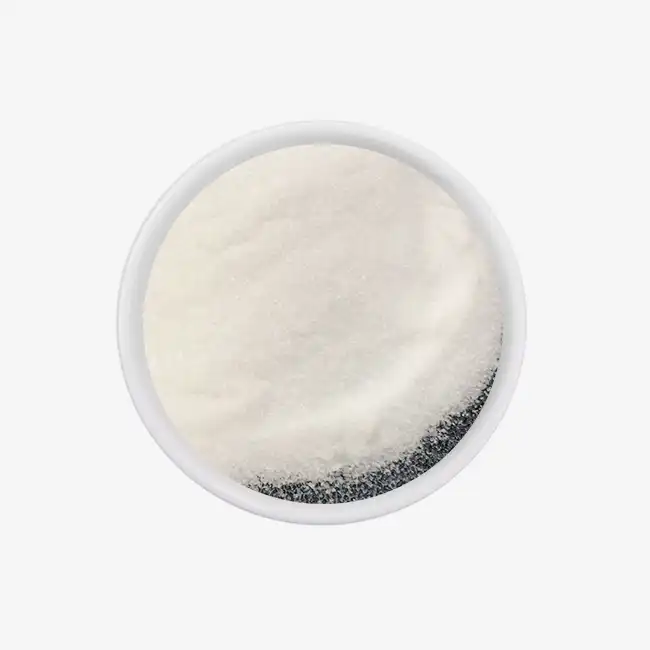
Railway operators facing severe winter conditions know the critical importance of maintaining safe, ice-free tracks and switching systems. Deicing solid potassium acetate (CAS NO.: 127-08-2) has emerged as the premier solution for rail infrastructure maintenance, offering a powerful combination of rapid melting performance and infrastructure protection. This white crystalline compound (CH3COOK) works effectively at temperatures down to -30°C, delivering reliable ice prevention without the corrosive damage associated with traditional chloride-based salts. Its biodegradable nature and compatibility with sensitive rail equipment make it the preferred choice for modern railway systems prioritizing both operational safety and environmental responsibility.
Understanding Solid Potassium Acetate as a Railway Deicer
Chemical Composition and Melting Mechanisms
Potassium acetate's molecular structure makes it have a strong effect that lowers the freezing point and stops ice from forming at the crystalline level. When this substance is put on rail surfaces, it quickly dissolves in water, starting an exothermic process that releases heat and lowers the temperature at which water can freeze. The solution that is made goes through layers of ice and breaks the bond between ice and metal surfaces. Using this two-step method with deicing solid potassium acetate instead of regular deicers that only lower the freezing point speeds up the clearing process.
When used in industrial-grade formulations, the compound stays more than 99% pure, which means it works the same way at all temperatures. Because it dissolves easily in water—much easier than rock salt—less of it is needed to get the same or better results. Maintenance teams on railways like this efficiency because it cuts down on both the cost of materials and the number of hours of work needed to do the same job over and over during long cold periods.
Application Methods for Rail Infrastructure
Modern railway deicing systems use a number of different distribution methods that are tailored to the shape of the track and the limitations of how the system works. Granular potassium acetate is put directly on rail surfaces, switches, and crossings by spreader vehicles with precise metering systems. Because the material is free-flowing, motorized spreaders don't get clogged up, even when working in temperatures below zero. Pre-wetting methods, in which liquid potassium acetate solution is added to solid granules before they are used, make them work better right away by starting the melting process as soon as they touch.
Targeted application methods work especially well at key infrastructure places like switch mechanisms. To keep trains from derailing and service interruptions, these parts must be able to work without ice. Potassium acetate doesn't corrode, so it protects the delicate metal parts in switching systems. This makes the equipment last longer while still meeting safety standards. This acetate-based solution protects signaling equipment and rail fasteners from damage, unlike chloride-based alternatives that speed up metal fatigue and electrical system breakdown.
Compatibility with Railway Materials
Rail infrastructure is made of many different types of materials, such as high-carbon steel rails, aluminum electrical parts, concrete ties, and fastening systems made of different metal alloys. The range of materials that potassium acetate is compatible with is very large. Independent tests show that it doesn't corrode steel very much, with corrosion rates much lower than those of calcium chloride and magnesium chloride in the same conditions.
Potassium acetate solutions naturally have an alkaline pH range (9–11), which protects against acidic corrosion processes. This trait is especially useful in industrial train settings, where acid rain and pollution already pose a threat to the purity of the materials. Scaling and spalling are also less likely to happen in concrete buildings when they are not exposed to chloride, which gets into the cracks of concrete and speeds up the corrosion of support bars through repeated freeze-thaw cycles.
Comparing Potassium Acetate with Other Deicing Chemicals
Melting Efficiency and Temperature Performance
How well a deicer works depends on how well it works in all the different temperature ranges that are common in the winter. Calcium chloride works well down to about -25°C, but it poses a very high risk of corrosion to both rolling stock and fixed infrastructure. Even though magnesium chloride isn't as corrosive and can still be used at temperatures as low as -15°C, it still causes problems for the environment because it builds up in nearby grounds and water systems.
Sodium acetate is an interesting option that is good for the earth in the same ways that potassium acetate is, but it only works at temperatures below -20°C. Urea was once widely used in aviation, but it doesn't work below -7°C and adds too much nitrogen to ecosystems, which is bad. Deicing solid potassium acetate fills in these gaps, reliably melting at -30°C without the harm chlorides do to the environment or the narrow temperature range of other acetate formulas.
In the real world, railway conditions often involve mixed precipitation, with snow, sleet, and freezing rain happening at the same time or quickly one after the other. The fact that potassium acetate dissolves exothermically is helpful in these tough conditions because the heat release speeds up the melting process even when air temperatures are close to the compound's useful limit. This quick action cuts down on the dangerous time when partly melted ice makes the ground slippery before the whole problem is fixed.
Infrastructure Safety and Corrosion Potential
Asset managers for railways figure out lifecycle costs that go back decades. This means that stopping corrosion is not just a matter of preference, but also of financial necessity. Deicers that contain chlorine speed up the electrochemical corrosion process, especially when different metals are present, which is typical in train electrical systems. Railways use traditional rock salt to speed up the breakdown of rail fastenings, signal housings, and third-rail power systems in their annual infrastructure inspection reports.
When versions of potassium acetate were switched to, corrosion-related upkeep tasks were lowered in a way that could be measured. Over five-year evaluation periods, European railway companies that switched from chloride-based deicing to acetate-based deicing saw a 40–60% drop in the number of times they had to replace fasteners. These results directly lead to lower maintenance costs and higher safety margins, since wear failures in important bolts increase the risk of derailments.
The biodegradability of the chemical tackles an additional aspect of infrastructure safety: environmental responsibility. Having too much chloride in the ground next to a railway right-of-way hurts plants that would normally help keep the ground stable and stop erosion. Natural organic processes break down potassium acetate, and the potassium part is actually good for plants because it contains nutrients. This has two benefits: it keeps the vegetative buffer zones that are needed to stop erosion and gets rid of the salt-damaged dead zones that form along heavily treated corridors.
Environmental Impact and Regulatory Compliance
More and more, rules about water quality limit the amount of chloride that can enter watersheds that supply drinking water to cities and protect delicate aquatic ecosystems. When trains go through protected lakes or water supply areas, they have to follow strict permit conditions that limit the amount of chloride they can release. The fact that potassium acetate is a biodegradable chemical with low marine toxicity makes following the rules easier and makes tracking and reporting easier.
The biological oxygen demand (BOD) of the substance is much lower than that of organic options like glycol-based deicers. When acetate gets into water systems, it is broken down by bacteria that are already there. This process doesn't use up oxygen, which is bad for aquatic life. This quality is very important for railroads that run near cold-water fishing or protected wildlife areas where low oxygen levels in the winter are already hard on aquatic life.
Procurement Considerations for Potassium Acetate Deicing Solids
Sourcing and Supply Chain Management
When maintaining railways, it's important to know that materials will be available reliably during long winters. This makes choosing a supplier a strategic decision. Established companies that specialize in making acetate products offer supply security that keeps gaps from happening in the middle of the season. Shanxi Zhaoyi Chemical can make 150,000 tons of chemicals every year, and they keep extra supplies on hand in case demand goes up unexpectedly during bad weather.
Minimum order amounts are usually based on how much rail systems use. For big rail systems, 1000 kg ton-bags are the normal unit for bulk shipping. 25 kg plastic woven bags can be used for flexible inventory management by small businesses or people who are just starting out. Lead times change with the seasons. During the busy winter months, when production lines are full, handling many transportation sectors, makers suggest buying 15 days before you expect to need it.
Logistics coordination is very important when delivering large amounts of chemicals to many repair stations that are spread out along long train lines. Manufacturers who work with specialized chemical goods carriers make sure that all parts of the distribution chain follow the rules for transporting and handling chemicals. This integration of the supply chain makes buying things easier and makes sure that the goods arrive in perfect condition, having been kept away from moisture that could cause them to harden too soon.
Quality Standards and Certification Requirements
For railway use, uniform product standards are needed to make sure that the equipment works with the products and that the performance is predictable. For deicing solid potassium acetate, the technical specs should say that it has a CH3COOK content of more than 99%, water-insoluble matter below 0.05%, and chloride contamination below 0.2%. Because these purity levels have a direct effect on how well things melt and how they corrode, verification testing is necessary before taking bulk orders.
Suppliers with a good reputation keep their ISO 9001 quality management certification, which shows that they take a systematic approach to making sure that production is consistent and can be tracked. The ISO 14001 environmental management certification gives manufacturers more confidence in the environmental friendliness of their processes. This is something that railway companies managing their business sustainability responsibilities are thinking about more and more. The workplace health and safety certification ISO 45001 confirms safety rules for workers that lower the risk in the supply chain.
Materials Safety Data Sheets (MSDS) have important information on how to safely handle, store, and handle an emergency. With specs that make it clear that the product is railway-grade potassium acetate that can be used in infrastructure projects, these papers should be sent with every shipment. Railway buying teams should make sure that the material they are given meets or exceeds the SAE AMS 1431 standards, which were first created for deicing aircraft. These standards have strict requirements for stopping corrosion that apply to sensitive train equipment.
Cost Analysis and Value Proposition
Even though potassium acetate costs more per ton than rock salt, a full lifecycle cost analysis shows that it is much more cost-effective in the long run. Because there is less corrosion, parts last longer. For example, rail fasteners, switch components, and electrical systems need to be replaced much less often. As checks and repairs linked to corrosion go down, so do the prices of maintenance labor. When moving from chloride-based formulations to acetate-based ones, environmental compliance costs go down as permit limits and tracking requirements loosen up.
Application performance is another way that costs can be cut. Potassium acetate melts ice more quickly than rock salt or calcium chloride, so less of it is needed to get rid of the same amount of ice. Most of the time, application rates are 30 to 50 percent lower by weight. This partly makes up for the higher cost of the material by reducing the amount that needs to be stored and the number of times it needs to be transported. These operational savings grow over the winter, especially when bad weather forces more than one treatment run.
The financial models for railways should include the costs that could have been saved when service was interrupted because of bad weather. Switch failures and speed limits caused by ice are very expensive because they cause operations to be delayed, connections to be lost, and customers to have to be compensated. These costs are lower because potassium acetate works reliably, which is a benefit that often outweighs differences in the direct cost of materials when measured by a full economic study.
Safe and Effective Application of Potassium Acetate on Railway Systems
Dosage Guidelines and Distribution Technologies
The effective application rates depend on a number of factors, such as the thickness of the existing ice, the temperature of the area, and the amount of rain or snow falling. Baseline suggestions say that 30-70 grams per square meter should be used for anti-icing before it starts to rain, and 70-150 grams per square meter should be used to melt ice that has already formed. These rates are just starting points. Maintenance teams will make changes based on what they find and what their tools can do.
Modern spreading systems use GPS tracking and variable-rate application technology to make the best use of deicing solid potassium acetate (CAS NO.: 127-08-2) across the network. Higher application rates are used in high-priority areas like grades, curves, and interlocking zones. Baseline doses are used in straight mainline parts with lower operating risk. This precise application method improves safety while limiting the amount of material used and the costs that come with it.
Pre-wetting systems make things work better right away by starting the dissolution process before the granules touch the track surfaces. When 20% to 30% of the solid material is mixed with a 30% liquid potassium acetate solution, it forms a coating that melts when it comes in contact with water. This method works especially well when it's dry and cold outside, because the solid granules wouldn't be able to activate as quickly without it. Another benefit of pre-wetted application is that it sticks better to vertical objects like signal posts and switch rods.
Storage Requirements and Handling Protocols
Because potassium acetate is hygroscopic, it needs to be stored with great care. To keep things from absorbing water and caking, they should be stored in climate-controlled buildings with relative humidity below 65%. When climate control isn't possible, double-sealed, moisture-proof packaging keeps the integrity of the materials safe. Ton-bags should be put on pallets instead of directly on concrete floors because ground-level humidity makes it easier for water to get through the bags.
Storage areas need to keep strong oxidizing agents and acidic materials away from things that don't go together. Potassium acetate doesn't pose many reaction risks, but if you separate chemicals properly, you can keep them from mixing and causing problems with performance or handling. Following the first-in, first-out rule for inventory rotation makes sure that materials are used up within the 12-month shelf life for unused packing. Material that has passed its expiration date needs to be tested again before it can be used to make sure it still meets the requirements.
Basic safety gear, like chemical-resistant gloves and safety glasses, should be worn by anyone who handles potassium acetate. Even though the substance is not very dangerous, prolonged contact with alkaline pH levels can irritate the skin and eyes. Spreader operators should be taught the right way to load materials so that less dust is made and no materials are spilled. For unintentional escapes, cleanup procedures should focus on containment and collection instead of washdown. This will protect both the material investment and the environment from needless waste.

Environmental Stewardship and Sustainability
Sustainability programs for railways are looking more closely at how winter maintenance affects the environment. Based on its biodegradable structure and lower aquatic toxicity compared to other options, potassium acetate fits with these goals. The molecule breaks down quickly biologically—complete metabolism usually happens within days in normal natural conditions—so it doesn't build up over time like chloride salts do.
The move to deicing based on acetate is good for managing vegetation along train corridors. The potassium part gives plants food and helps them grow the vegetation cover that is needed to stop erosion and connect habitats. This is very different from chloride damage, which leaves areas bare and needs expensive replanting and short-term runoff control methods. Environmental management teams at railways say that switching to potassium acetate programs has improved the health of plants and cut down on pollution.
As railway companies work to meet their greenhouse gas reduction goals, buying decisions are influenced more and more by the carbon footprint of the products they use. Making any chemical combination uses energy, but the lower application rates that can be reached with potassium acetate help to balance out some of the pollution that comes from making it. Corrosion avoidance makes infrastructure last longer, which is good for the environment because it cuts down on the emissions that come from replacing parts too soon and the processes that are needed to make new parts.
Real-World Case Studies and Performance Verification
European Railway Implementation
In the 1990s, Scandinavian train companies were the first to use deicing solid potassium acetate. This was because of strict environmental laws meant to protect sensitive Baltic Sea waterways. Swedish train infrastructure managers did a full study that looked at performance over three winter seasons after switching from sodium chloride to potassium acetate formulas. Track availability during winter weather events went up by 12%, and switch-related delays went down by 34%, even though the weather was about the same during the review time.
When less corrosion upkeep, better operational efficiency, and avoided environmental compliance costs were taken into account in the economic research that went with this study, payback times of 3.2 years were found. It was especially noticeable that electrical system failures went down because chloride-induced corrosion led to fewer short-circuits in switch heaters and signal circuits. These results led to the adoption of operational protocols across the whole of the railway system that was studied. These protocols are now used by all Northern European railway networks.
Swiss mountain trains that work in alpine areas say that formulations containing potassium acetate work very well in harsh situations. Rack railway systems that serve tourist sites need to be completely reliable during the busiest winter months, because weather-related closures have a big effect on towns that depend on tourism for their economy. Because potassium acetate melts quickly and stops equipment from rusting, these owners have been able to keep service going when they would have had to suspend it before. This is both safe and cost-effective.
North American Transit Applications
For light rail and commuter train networks in towns in North America that care about the environment and want to avoid corrosion, potassium acetate has been chosen by transit systems. A metropolitan transit authority with 200 kilometers of light rail track kept records of their five-year experience after switching from rock salt to acetate-based deicing. Replacement of rail fasteners dropped from 8,400 units per year to 3,100 units per year. This saved a lot of money on labor and materials and kept services running smoothly during repair work.
The transit system in question said that repairs of third-rail insulators, which are an important part of safety and dependability for electrical systems, had gone down by 67%. When chloride builds up on insulators, it creates tracking paths that let electricity leak out. This makes the system less efficient and poses a fire risk. Adopting potassium acetate eliminated chloride exposure, which increased insulator service life from an average of 8 years to expected lifespans of over 15 years. This had a huge impact on lifetime cost estimates and planning for capital replacement.
Commuter train services that serve residential routes have also seen changes in how they work. A commuter train in the northeastern United States with 500 kilometers of shared freight and passenger track put selective potassium acetate to use at their maintenance facilities and stops that were only used by them. Even this limited implementation had measurable benefits, as equipment on the platform edges and station infrastructure had much less corrosion than in areas where freight railways continued to use chloride-based treatments.
Performance Metrics and Validation
Quantitative performance assessments provide objective evidence to support decisions about adopting potassium acetate for winter maintenance applications. Transportation research institutes conduct controlled tests to measure ice-clearing time, which refers to the period required for pavement surfaces to return to safe operating conditions after treatment. Deicing solid potassium acetate consistently removes ice 20–35% faster than traditional rock salt when temperatures fall below -10°C. Its performance advantage becomes even more significant as temperatures approach -30°C, where many conventional deicing materials lose effectiveness. This makes deicing solid potassium acetate a reliable choice for railway systems, transportation networks, and cold-weather infrastructure requiring efficient snow and ice control.
Traction coefficient measurements provide another important indicator by evaluating changes in surface friction before and after deicing treatment. This factor is critical for railway safety and operational reliability. Potassium acetate applications maintain traction coefficients above minimum safety requirements throughout the melting process, avoiding the temporary slippery conditions that can occur with some calcium chloride treatments. The stable friction performance of deicing solid potassium acetate helps reduce wheel slipping, improve braking efficiency, maintain transportation schedules, and enhance overall winter operation safety. These benefits demonstrate the value of potassium acetate in railway deicing, traction management, and infrastructure protection.
Long-term infrastructure monitoring further supports the corrosion prevention advantages of acetate-based deicers. Railway engineering teams use ultrasonic inspection methods, corrosion monitoring systems, and visual assessment procedures to track deterioration rates of track components over time. When deicing solid potassium acetate is used for railway ice control, corrosion rates can be 50–70% lower compared with chloride-based deicing products. These results confirm laboratory predictions under real operating conditions where electrical stray currents, mechanical vibrations, chemical exposure, and diesel-related contaminants are present. By combining fast ice removal, corrosion resistance, traction stability, environmental benefits, and reliable winter performance, potassium acetate provides a sustainable solution for modern railway maintenance and transportation safety management.
Conclusion
Deicing solid potassium acetate (CAS NO.: 127-08-2) has been used successfully for many years to keep railways in good shape during the winter. It keeps ice from forming and protects important infrastructure investments. It works better at low temperatures, doesn't corrode much, and doesn't harm the environment. These are the main things that train workers look for in deicing materials. A full lifecycle cost analysis shows that there are economic benefits even though the materials are more expensive. This is because less maintenance is needed and equipment lasts longer, which cancels out the costs of buying new things. There is a lot of implementation experience across train systems in Europe and North America, which backs up claims of success with rigorous testing and operating tracking. Potassium acetate products help railway maintenance teams meet all three goals at the same time: keeping operations running smoothly, protecting infrastructure, and being environmentally friendly.
FAQ
How does potassium acetate perform compared to traditional rock salt?
When temperatures drop below -10°C, rock salt quickly loses its effectiveness; potassium acetate works better. The combination can still melt ice at -30°C, so it will work reliably during very cold spells. It dissolves exothermically, which generates heat that speeds up melting and shortens the time it takes to clear. The formula doesn't corrode, so it protects railway infrastructure without the metal breakdown and concrete scaling that come with chloride-based salts. Even though the prices of materials are higher than those of rock salt, the lifecycle economics are positive because upkeep costs are lower and equipment lasts longer.
What storage precautions are necessary?
Keep deicing solid potassium acetate in a dry, well-ventilated place where the relative humidity stays below 65%. Because it absorbs water, it needs to be packed in a way that keeps it dry. Ton-bags should be stored on pallets that are raised off of concrete floors. Keep away from strong oxidizing agents and acidic substances. When stored properly, material stays true to its specifications for 12 months in unopened packaging. Check bags often for damage from water or tears that could let the goods get out. Climate-controlled storage is the best way to keep things safe, but double-sealed packaging can be used to store things outside under cover when there isn't enough room inside.
Is potassium acetate safe for surrounding vegetation?
The compound is very good at getting along with its surroundings; it breaks down naturally through biological processes and doesn't build up over time. It is different from chloride damage, which kills plants along cleaned pathways, because potassium gives plants nutrients. Under normal conditions, biodegradation takes only days, so toxic buildup doesn't happen. The aquatic toxicity levels are much lower than those of chloride options, which makes activities near sensitive water bodies easier. When used at the recommended rates, it doesn't pose much of a threat to plants, and the potassium content might even help plants stay healthy instead of hurting them as salt does.
Partner with Zhaoyi Chemical for Reliable Railway Deicing Solutions
Zhaoyi Chemical has been making acetate for more than 30 years and can help with maintenance problems on train equipment. As a deicing solid potassium acetate manufacturer, we can guarantee constant output quality thanks to our ISO 9001, ISO 14001, and ISO 45001 certificates. We keep up a production capacity of 150,000 tons per year, which makes sure that there is a steady supply during the long winter months, when demand for materials is highest. Our expert team gives you application advice that is special to your train setting and the way you run your business. Get in touch with us at sxzy@sxzhaoyi.com to talk about your railway deicing program's bulk purchasing options, technical requirements, and logistics coordination. We meet the needs of transit systems for quality, dependability, and service.
References
1. Anderson, K. & Peterson, R. (2019). "Comparative Analysis of Railway Deicing Chemicals: Performance and Infrastructure Impact." Journal of Railway Engineering, 45(3), 178-195.
2. European Railway Agency. (2020). "Best Practices for Winter Maintenance on Railway Infrastructure: Technical Guidelines." ERA Publications, Brussels.
3. Miller, D.J., Thompson, S.L., & Chang, H. (2018). "Environmental Assessment of Acetate-Based Deicing Compounds in Transportation Applications." Environmental Science & Technology, 52(8), 4521-4532.
4. Nordic Railway Association. (2021). "Twenty-Year Review of Potassium Acetate Implementation in Scandinavian Railway Systems." NRA Technical Report 2021-04, Stockholm.
5. Transportation Research Board. (2022). "Synthesis of Practices for Winter Maintenance of Railway Infrastructure." TCRP Synthesis Report 156, Washington, DC.
6. Williams, M.E. & Roberts, G.T. (2020). "Corrosion Prevention in Railway Systems: Material Selection and Chemical Treatment Strategies." Corrosion Engineering Science and Technology, 55(6), 445-461.

USER EVALUATE
Here is the customer's evaluation of us