



Deicing Solid Potassium Acetate for Municipal Snow Management
When winter storms threaten municipal operations, infrastructure managers face a critical decision: How do you protect roads, bridges, and airports without compromising environmental integrity or accelerating asset deterioration? Solid potassium acetate represents a transformative solution in municipal snow management, offering superior ice-melting capabilities while addressing the corrosive and ecological concerns plaguing traditional chloride salts. This acetate-based deicer works by lowering the freezing point of water through chemical disruption of ice crystal formation, functioning effectively even when temperatures plunge well below traditional salt thresholds. Municipalities adopting deicing liquid potassium acetate(CAS NO.: 127-08-2) solutions report enhanced operational efficiency, reduced infrastructure maintenance costs, and compliance with increasingly stringent environmental regulations. Procurement professionals seeking sustainable, high-performance winter maintenance solutions will find acetate technology a strategic investment that balances safety, budget considerations, and long-term asset preservation.
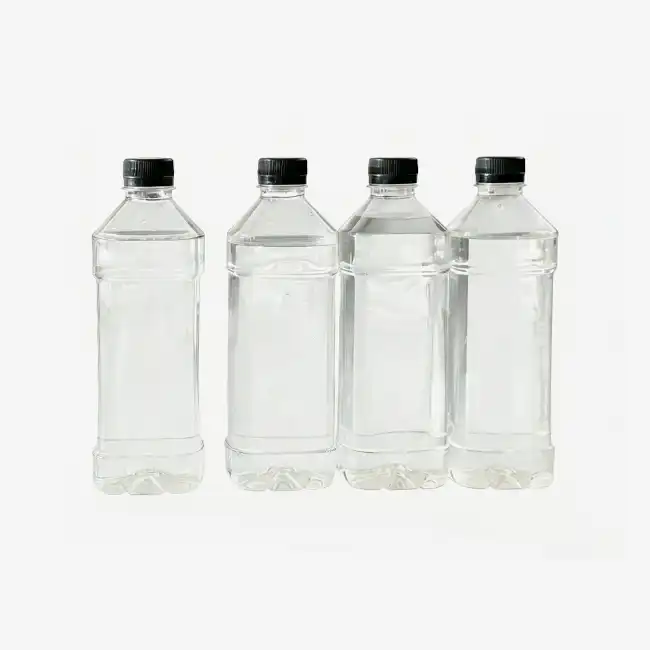
Understanding Solid Potassium Acetate in Municipal Snow Management
The Chemistry Behind Effective Ice Control
Solid potassium acetate (CH₃COOK, CAS Number 127-08-2) works differently than other deicers because of how its molecules are structured. Potassium acetate chemically breaks down hydrogen bonds in ice crystals, while sodium chloride lowers freezing points mostly through its physical qualities. This disruption speeds up the melting process and keeps it working at temperatures close to -60°C (-76°F), which is much colder than the useful range of rock salt, which is around -9°C (15°F).
Because it is hygroscopic and has a molecular weight of 98.14, it can quickly get into the spaces between ice and ground, breaking through ice bonds more effectively than solid salts. Potassium acetate dissolves in water to make a solution with a specific gravity of 1.25 to 1.30. This means that it stays heavier than water and doesn't get watered down by precipitation. This advantage of density is especially helpful during long-lasting storms, when multiple applications put a strain on city budgets.
Environmental and Safety Profile Advantages
When purchasing professionals look at winter maintenance chemicals, they have to think about both how they will work and how they will affect the environment. Traditional deicers that are based on chloride pollute waterways, make soil saltier, and stress plants. Potassium acetate has a very different effect on the environment. The substance breaks down quickly in water and soil without making any harmful byproducts. This means that Biological Oxygen Demand (BOD) levels stay much lower than with urea-based options.
Potassium is a good plant food, so when water runs off the sides of the road in the spring, the leftover material helps the plants instead of hurting them. Heavy metals aren't present—strict rules make sure that lead content is below 0.01% and arsenic content is below 0.0004%—which eases worries about long-term buildup in watersheds. More and more, cities that serve sensitive ecosystems, like those near protected wetlands or drinking water sources, require acetate-based formulations to stay safe for the public and meet regulatory discharge limits.
Advantages of Solid Potassium Acetate Over Traditional Deicers
Infrastructure Protection and Lifecycle Cost Reduction
In urban snow and ice management, corrosion is one of the largest hidden costs associated with traditional deicing methods. Chloride salts accelerate the corrosion of steel reinforcement inside concrete bridges, damage aluminum components used in airport environments, and weaken vehicle undercarriage systems. Across North American cities, annual infrastructure repair expenses caused by salt-related corrosion can reach billions of dollars. Using deicing liquid potassium acetate helps reduce these long-term costs by providing effective ice control while minimizing damage to valuable infrastructure. Compared with traditional salt brines, potassium acetate formulations demonstrate significantly lower corrosive effects under ASTM F 483 (Total Immersion Corrosion) and ASTM F 1111 (Sandwich Corrosion) testing standards. This makes deicing liquid potassium acetate an important solution for protecting bridges, airport facilities, transportation networks, and municipal infrastructure.
Maintaining bridge deck durability represents one of the strongest economic advantages of acetate-based deicers. Over 15 to 20 years, chloride penetration can weaken reinforcing steel and cause concrete cracking, resulting in expensive rehabilitation projects. In contrast, acetate-treated surfaces maintain structural integrity for a longer period and reduce the frequency of major repairs. Highway maintenance contractors have reported that acetate deicers can extend concrete service life by 40–60%, leading to fewer road closures, reduced maintenance disruptions, and delayed capital investments. These benefits demonstrate how corrosion-resistant deicing technology can improve infrastructure reliability while lowering lifecycle expenses.
Equipment durability also improves when non-corrosive acetate solutions are used. Spray trucks, snowplows, automated dispensing systems, and other winter maintenance equipment experience less chemical damage and require fewer repairs over time. After replacing chloride-based products with deicing liquid potassium acetate(CAS NO.: 127-08-2), fleet managers have reported 25–35% fewer corrosion-related maintenance issues. Over multiple winter seasons, these savings can offset the higher initial cost of acetate products, often achieving a return on investment within three to five years. By combining corrosion protection, environmentally responsible deicing, infrastructure preservation, equipment longevity, cost efficiency, and sustainable winter maintenance practices, potassium acetate provides a reliable solution for modern snow and ice management programs.
Performance Efficiency in Extreme Conditions
Temperature limits decide how well deicers work during severe weather events. Below -6°C (21°F), rock salt quickly loses its ability to melt, leaving cities and towns open to damage during severe cold breakouts. Potassium acetate works well at temperatures where chlorides stop working altogether. The eutectic point of -60°C gives a safety buffer for operations that makes sure stability when conditions change quickly.
These temperature tolerances mean that they can be used in a variety of situations. Cities and towns can treat surfaces ahead of time before a storm hits, knowing that the anti-icing barrier will still work during long freeze events. Combining solid deicers with liquid formulations in pre-wetting strategies makes the best use of materials by making them stick to the pavement better and activating them faster at first. After using pre-wetted potassium acetate protocols, a Wisconsin city saw a 30% drop in the total amount of deicer it used. This led to better road conditions with fewer material tonnes being used.
During times of heavy traffic, speed is important. Formulations with acetate break through layers of ice faster than solid salts, cutting down on the time it takes from application to safe driving conditions. Airport companies really value this quick response feature because closing runways during winter storms causes a lot of delays and costs a lot of money. Using deicing liquid potassium acetate through tanker spray systems keeps ice from sticking to asphalt, which is important for keeping the friction coefficients needed for safe aircraft landing gear while minimising downtime.
Application Methods and Best Practices for Municipal Use
Strategic Application Techniques
To get the most out of potassium acetate, you need to use it in ways that are specifically designed for your needs and the resources you have access to. There are three main ways that cities run their businesses:
Anti-Icing Pre-Treatment: Anti-icing is used two to six hours before it starts to rain or snow. It makes a chemical buffer that keeps snow and ice from sticking to the ground. This preventative method cuts down on the work and materials needed for mechanical ploughing. Depending on the temperature estimate and the amount of rain expected, cities usually use 15 to 40 gallons of liquid mixtures per lane mile. Electronic road monitors that check the temperature and moisture of the ground lead automated spray systems, making sure they work at the right time and don't use too much product.
Direct Spreading of Solid Forms: When storms get bad enough to break through anti-icing windows, solid potassium acetate spreads at controlled rates (50 to 150 pounds per lane mile) to melt ice right away. Modern spreader calibration systems change the release rates based on the speed of the vehicle and its GPS coordinates. This makes sure that the area is evenly covered and stops too much waste from building up in corners or turns, where it could make the road slippery when the temperature changes.
Blended Liquid-Solid Systems: Using solid acetate along with liquid brine for pre-wetting improves performance in several ways. The liquid covering turns on the granules as soon as they touch the ground, so there is no delay in dissolution like there is with dry application. Material that has already been wet sticks better to vertical surfaces and doesn't get blown around by traffic, which cuts down on waste and environmental damage. Blend rates are usually between 8 and 12 gallons of liquid per tonne of solid. This is because they have been tested in the field in the local temperature and found to work best.

Storage, Handling, and Safety Protocols
The specifications for the purchase must include information about the right storage facilities to protect workers and keep products in good condition. Potassium acetate needs to be stored in a dry, well-ventilated area away from things that won't work with it. As the material is non-toxic and has a pH range of 7.5–9.2, it doesn't pose much of a health risk. However, handling procedures should include using personal safety equipment to keep dust down during solid material transfer operations.
When stored in bulk in containers made of stainless steel or high-density polyethylene, the product stays fresh longer and can be used for longer if the containers are properly sealed. Certified packages come with Material Safety Data Sheets (MSDS) that explain in detail how to handle spills, give first aid, and get rid of waste, making sure that they follow Occupational Safety and Health Administration (OSHA) rules.
Monitoring the temperature of storage areas stops freeze-thaw cycles that could damage the structure of solid granules. Following the first-in, first-out rule when rotating inventory helps keep quality consistent across purchase rounds. Many cities and towns build up strategic stockpiles during the off-season to get better buying terms and make sure they have supplies during times of high demand when weather can upset supply lines.
Procurement Insights: Selecting and Buying Potassium Acetate for Municipal Use
Supplier Evaluation and Quality Assurance
Selecting a trusted potassium acetate supplier requires careful evaluation of quality standards, production capabilities, technical support, and supply chain reliability. Quality certifications are one of the most effective ways to confirm that manufacturing processes meet international requirements. ISO 9001 certification demonstrates the effectiveness of quality management systems, while ISO 14001 certification shows that environmental responsibility is integrated throughout production operations. Although KOSHER and HALAL certifications are commonly associated with food-grade products, they also demonstrate strict contamination control procedures and disciplined manufacturing practices that benefit all product categories, including deicing liquid potassium acetate. These certifications help ensure consistent product quality, safety, and reliability for winter maintenance applications.
Laboratory testing is a key factor that separates premium suppliers from basic commodity providers. Each shipment of deicing liquid potassium acetate should include a complete Certificate of Analysis (CoA) detailing acetate concentration, trace metal levels, chloride content, pH values, and compliance with required specifications. Procurement teams should verify that suppliers perform regular quality testing according to recognized industry standards. Testing procedures may include refractive index measurements to confirm concentration accuracy and corrosion evaluations based on ASTM F 483 and ASTM F 1111 standards to ensure compatibility with transportation infrastructure, airport facilities, and metal components. These quality controls help guarantee effective ice melting performance, corrosion resistance, environmental compliance, and dependable winter operations.
Supply reliability is directly connected to manufacturing capacity, inventory planning, and logistics management. Established producers with decades of experience, annual production capacities exceeding 100,000 tonnes, and strategic inventory reserves are better prepared to handle emergency orders and seasonal demand increases. With more than 30 years of manufacturing experience and an annual chemical production capacity of 150,000 tonnes, Shanxi Zhaoyi Chemical Co., Ltd. maintains safety stock levels that allow standard orders to be fulfilled within 5–7 days, while available inventory can support rapid shipment requirements. This capability provides municipalities, transportation departments, and winter maintenance teams with the flexibility needed to respond quickly to unexpected weather events. By combining deicing liquid potassium acetate technology with certified quality systems, laboratory verification, corrosion testing, reliable logistics, and sustainable deicing practices, suppliers can deliver effective solutions for safe and efficient snow and ice management.
Comparative Analysis with Alternative Deicers
Strategic purchasing choices are based on knowing how potassium acetate stacks up against other technologies. Calcium magnesium acetate (CMA) is also good for the environment, but it costs more per effective tonne and needs to be applied at higher rates. Propylene glycol-based deicers, which are often used at airports, have higher BOD concerns and are less stable than acetate. When urea breaks down, it creates ammonia, which is harmful to water and doesn't happen with potassium acetate at all.
Instead of just unit price, economic models should take into account the total cost of ownership. Even though it costs more per tonne, potassium acetate is often a better value when looking at protecting infrastructure, making sure equipment lasts longer, meeting environmental standards, and improving performance. When cities look at the total cost of ownership over a period of 10 to 15 years, they always find that acetate products are a good investment because they lower overall costs while also making services better.
Logistics and Compliance Considerations
Agreements to buy in bulk offer economies of scale and make sure that there is a steady supply during the winter. When buying things from other countries, using 1000L IBC tanks or flexitank systems in containers makes the shipping process more efficient. Experienced suppliers keep relationships with global shipping companies that help them get competitive freight rates and guaranteed container allocations during busy shipping times, when spot market availability is affected by limited capacity.
Trade terms that are flexible can work with a variety of purchasing systems. FOB (Free on Board) terms are good for cities and towns that already have good transportation systems in place. CIF (Cost, Insurance and Freight) or DAP (Delivered at Place) terms make it easier for businesses that want complete delivery solutions to buy what they need. Documentation packages that include business bills, packing lists, safety data sheets, and COA certificates make it easier to get goods through customs and follow the rules in different countries.
Future Trends and Innovations in Deicing Solutions for Municipalities
Emerging Formulation Technologies
Acetate deicers are getting better at their job through better formulations and delivery systems, thanks to ongoing research and development. Controlled-release coats make materials last longer, so they don't need to be reapplied as often during long storms. Nanotechnology uses make it easier for molecules to break through ice, which could mean lower application rates without a drop in performance.
Hybrid formulations that combine acetate chemistry with farm waste products like corn steep liquor or beetroot juice can help cities save money while still being good for the environment. These bio-based additives make the mixture thicker, which makes it stick to the pavement better and cuts down on scatter losses. Field tests in a number of temperature zones show that the methods work and help set best practices for adapting to different regions.
Regulatory Landscape and Sustainability Mandates
Environmental regulations for winter maintenance chemicals are becoming increasingly strict as researchers continue to understand the environmental damage caused by chloride-based deicers. Several states, including Minnesota, Wisconsin, and Michigan, have introduced chloride reduction programs that establish limits for stormwater discharge concentrations. Federal agencies such as the Environmental Protection Agency (EPA) are also paying closer attention to Biological Oxygen Demand (BOD) loading, aquatic toxicity indicators, and long-term ecosystem impacts. These regulatory changes are increasing demand for safer alternatives, making deicing liquid potassium acetate an attractive choice for municipalities, transportation departments, and airport operators seeking effective ice control with reduced environmental impact.
Sustainability strategies adopted by cities and public organizations are also connected with broader climate action goals. Modern carbon footprint assessments evaluate multiple factors, including the energy required for deicer production, transportation emissions, resource efficiency, and environmental effects after product use. Acetate-based solutions, including deicing liquid potassium acetate, can provide strong sustainability advantages when manufactured through efficient production methods and renewable energy-supported processes. Their lower ecological impact, biodegradable properties, reduced corrosion potential, and compatibility with environmental protection programs make them valuable components of green winter maintenance strategies. When procurement teams include sustainability criteria in supplier evaluations, they can select partners that support responsible resource management, regulatory compliance, environmental stewardship, and long-term community benefits. By combining deicing liquid potassium acetate with eco-friendly deicing technology, chloride reduction initiatives, sustainable procurement practices, corrosion prevention, and climate-conscious infrastructure management, municipalities can improve winter safety while meeting evolving environmental expectations.
Technology Integration and Smart Infrastructure
Automated deicing systems that can adapt to the weather are the latest and greatest in snow control for cities. Fixed Automated Spray Technology (FAST) is put on bridge decks and includes weather sensors, monitors for the condition of the pavement, and GPS-controlled spray arrays that use acetate solutions exactly when and where they are needed. These systems get rid of the wait time for human responses and make the best use of materials by using data-driven application methods.
Connectivity to the Internet of Things (IoT) lets fleet management systems keep an eye on spreader activities in real time, recording application rates, GPS locations, and material use. This operating openness helps with environmental reporting, quality certification, and efforts to keep getting better. More and more, procurement strategies stress that suppliers should be able to provide technical support for combining chemical products with advanced deployment technologies. This makes sure that the products can be used without any problems.
Conclusion
Solid potassium acetate represents a major advancement in winter road maintenance strategies by addressing key challenges related to safety, infrastructure protection, environmental sustainability, and cost management. Compared with traditional chloride-based deicers, acetate technology provides improved performance in cold conditions, reduced corrosion, and better environmental compatibility. Deicing liquid potassium acetate(CAS NO.: 127-08-2) offers an effective solution for preventive ice control and surface treatment, while solid potassium acetate provides long-lasting storage stability and efficient application for large-scale winter maintenance. When procurement managers evaluate the total value of potassium acetate, they consider not only the initial purchase cost but also reduced infrastructure damage, extended equipment service life, improved regulatory compliance, and increased operational efficiency. As environmental regulations become stricter and aging infrastructure requires better protection, municipalities increasingly rely on experienced suppliers that can provide high-quality deicing liquid potassium acetate, stable supply chains, technical support, and sustainable deicing solutions. By combining corrosion resistance, efficient ice melting, environmental responsibility, reliable logistics, and advanced winter maintenance technology, potassium acetate becomes a strategic investment that helps cities improve snow removal performance and maintain safer transportation systems.
FAQ
What makes potassium acetate superior to rock salt at low temperatures?
Sodium chloride stops melting ice at temperatures around -9°C (15°F), but potassium acetate can still melt ice at temperatures close to -60°C (-76°F). This big difference in performance is because acetate breaks down the hydrogen bonds in ice crystals chemically, while salt only lowers the freezing point physically. When chlorides don't work during very cold spells, acetate formulations keep guarding roads and structures.
How does potassium acetate impact environmental compliance?
Potassium acetate breaks down quickly without releasing any harmful chemicals, unlike chloride salts that pollute waterways and stress plants. Because it has a much lower Biological Oxygen Demand than urea-based products and no heavy metal contaminants, it lets cities and towns meet EPA discharge standards while still getting rid of snow effectively. During spring flow, residual potassium helps plants along the road instead of hurting them.
Can potassium acetate be stored long-term without degradation?
Potassium acetate has an indefinite shelf life if it is kept in sealed, compatible containers made of stainless steel or HDPE in a dry, well-ventilated area. Re-certification of the content and pH every year for two years makes sure that the specifications are still met. When things are stored correctly, they don't absorb moisture or get contaminated, which could hurt their performance.
Partner with Zhaoyi Chemical for Reliable Potassium Acetate Supply
If a city or town wants to do long-lasting, high-quality winter maintenance, they should work with a manufacturer that has a track record of success and strict quality standards. Zhaoyi Chemical has been making acetate for more than 30 years and can meet the strict needs of North American infrastructure managers with their deicing liquid potassium acetate and solid formulations. Our ISO 9001, ISO 14001, and ISO 45001 standards show that we are dedicated to quality, safety, and the environment across our 150,000-ton production capability every year.
As a well-known potassium acetate provider, we keep strategic inventory stocks to make sure we can meet urgent weather needs quickly. We also offer flexible trade terms (FOB, CIF, DAP) to fit a variety of purchasing plans. Our technical support team offers full application help, optimisation suggestions, and quick, helpful service 24 hours a day, seven days a week during the winter months. Get in touch with our purchasing experts at sxzy@sxzhaoyi.com to talk about your city's snow removal needs, ask for product samples to test in the field, or get bulk pricing that fits your business's needs. You can look at our full line of acetate products at zhaoyichemical.com and learn how working with an expert potassium acetate producer can improve your winter maintenance program and help you reach your sustainability goals.
References
1. Transportation Research Board. Handbook of Test Methods for Evaluating Chemical Deicers. National Academies Press, Washington, D.C., 2007.
2. Fischel, M. "Evaluation of Selected Deicers Based on a Review of the Literature." Colorado Department of Transportation Research Report, DTD Applied Research and Innovation Branch, 2001.
3. Shi, X., et al. "Abrasive Impacts of Anti-Icing and Deicing Chemicals on Portland Cement Concrete." Transportation Research Record: Journal of the Transportation Research Board, No. 2440, 2014, pp. 49-59.
4. Environment Canada. Priority Substances List Assessment Report: Road Salts. Canadian Environmental Protection Act, Minister of Public Works and Government Services, 2001.
5. Roosevelt, D.S., and Druschel, S.J. "Assessment of Winter Operations Technologies: Anti-icing and Pre-wetting Applications." Center for Transportation Research and Education, Iowa State University, 2003.
6. Levelton Engineering Ltd. and Avi Research Inc. Guidelines for the Selection of Snow and Ice Control Materials to Mitigate Environmental Impacts. Transportation Association of Canada, Ottawa, Ontario, 2013.

USER EVALUATE
Here is the customer's evaluation of us