



How to Select Potassium Acetate for Large-Scale Snow Removal?
Selecting the right potassium acetate for large-scale snow removal demands careful evaluation of purity, temperature performance, and supplier reliability. Airport Runway Solid Potassium Acetate (CAS NO.: 127-08-2) stands out as a premium aviation-grade solution, meeting SAE AMS 1431 standards with exceptional effectiveness down to -60°C. This white crystalline compound (CH₃COOK, CAS 127-08-2) delivers non-corrosive, biodegradable de-icing that protects critical infrastructure while ensuring operational safety. Understanding the technical specifications, application methods, and certification requirements enables procurement managers and airport operators to make informed decisions that balance performance, environmental responsibility, and long-term cost efficiency in winter maintenance programs.
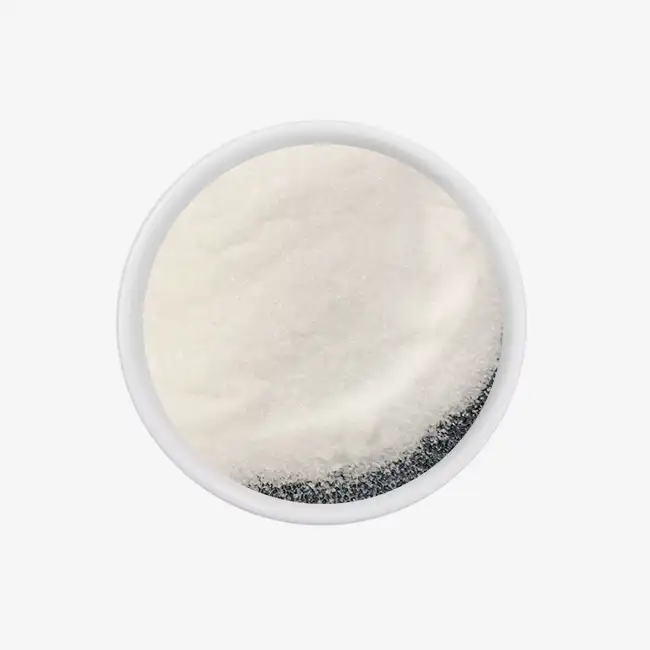
Understanding Potassium Acetate for Airport Runway Deicing
Potassium acetate is a big step forward in technology for winter runway upkeep. Traditional deicers put safety or environmental standards at risk. This chemically stable salt, on the other hand, is both effective and environmentally friendly, which is why airlines all over the world choose it.
Chemical Composition and Ice-Melting Mechanisms
Potassium acetate's chemical structure lets ice penetrate quickly through a process that releases heat. When the compound is put on frozen surfaces, it soaks up water from the ice layers, making brine pockets that make removal faster. This reaction raises the temperature of the water and lowers its freezing point. This keeps water from freezing at temperatures as low as -60°C. The white crystalline granules dissolve completely in water, acid, and alcohol. This makes sure that they are spread evenly across the runway surfaces without leaving behind any residues that could make it harder for planes to land.
The product's bulk density of 0.8 to 0.9 g/cm³ makes it easy to distribute weight evenly, so it doesn't blow away in jet blast conditions and stays stuck to pavement surfaces. Tests show that potassium acetate can break through ice up to 6 mm thick in 30 minutes at -20°C, which is a lot better than other options like urea, which stops working below -7°C.
Environmental Advantages and Safety Profile
Environmental impact from deicing operations is becoming increasingly important for aviation authorities and airport management teams. Airport Runway Solid Potassium Acetate provides a more environmentally responsible alternative because potassium acetate has excellent biodegradability and a low Biological Oxygen Demand (BOD), helping protect nearby streams, groundwater, and aquatic ecosystems. Unlike urea-based deicing products that can release harmful ammonia during decomposition, acetate-based solutions break down naturally without producing the same environmental risks. These advantages make Airport Runway Solid Potassium Acetate a preferred choice for sustainable runway maintenance, winter airport safety, and environmentally friendly deicing programs.
Its low corrosion characteristics also help protect sensitive aircraft and airport infrastructure materials, including magnesium structures, aluminum alloys, and cadmium-plated components. Corrosion sandwich testing confirms that corrosion rates on carbon steel remain below 0.03g/m²·h, staying within aviation safety requirements. This material compatibility extends the service life of runway facilities, reduces maintenance frequency, and lowers repair costs caused by chemical deterioration. The pH range of 9.0 to 10.5 in a 15% solution allows Airport Runway Solid Potassium Acetate to be safely used with concrete surfaces, asphalt binders, and runway lighting systems while reducing problems such as surface damage, coating failure, and electrical short circuits commonly associated with chloride-based deicers. By combining environmental protection, corrosion resistance, aircraft material compatibility, effective ice melting, and sustainable airport operations, potassium acetate provides a reliable solution for modern aviation winter maintenance.
Compliance with Aviation Safety Standards
To meet the requirements of SAE AMS 1431E, strict quality control must be used throughout the manufacturing process. These guidelines set limits on the amount of heavy metals, the particle sizes, and the packages that stop rusting. Products that are certified go through a lot of tests, such as checking the alkalinity, dissolution rate, and material compatibility. Documented compliance that meets Federal Aviation Administration (FAA) and Environmental Protection Agency (EPA) discharge regulations is good for airport operators because it speeds up the approval process and makes sure that performance stays the same even when operational conditions change.
Core Criteria for Selecting Potassium Acetate in Large-Scale Snow Removal
To make the right procurement choice, you need to compare a number of performance factors to your business needs. Knowing these factors helps you find sellers who offer real value in addition to low prices.
Performance Across Diverse Cold Climate Conditions
For efficient snow removal activities, temperature tolerance is the most important thing to look at when choosing equipment. Field studies at northern airports show that high-purity formulations (with a content of at least 99.0% CH₃COOK) can melt ice even in the worst weather, when other products fail. The useful temperature range of -60°C keeps things running during harsh winter weather, avoiding costly delays and safety problems.
The regularity of the particles affects how well they are distributed and how fast they dissolve. Optimised granule size stops bounce and scatter effects during high-wind application, making sure that material stays where it's supposed to go and doesn't spread out into nearby areas. Products with controlled size distribution through sieve analysis have consistent covering rates. This lets maintenance teams figure out the right amount of application to avoid wasting resources on too much application or leaving dangerous ice patches from not applying enough application.
Material Compatibility and Corrosion Resistance
Choosing deicers that won't speed up infrastructure breakdown is important for keeping the runway in good shape. The neutral reaction of potassium acetate with surface materials stops chloride-based salts from breaking down concrete and asphalt. Protocols for testing make sure that they work with joint sealants, marking paints, and embedded sensors that keep an eye on the conditions of the runway.
For planes to be safe, deicing materials must not damage the hydraulics of the landing gear, the brake systems, or the housings for the electronics. Products that meet flight standards include rust inhibitor kits that are specially made to protect the different metal types that are used to build modern aeroplanes. Procurement managers should ask independent labs to send corrosion test results that prove they follow maker rules for the models of aeroplanes that are used at their sites.

Bulk Pricing and Supply Chain Reliability
For large-scale winter airport operations, maintaining a stable supply of deicing materials is essential to ensure continuous performance during severe weather conditions. Airport Runway Solid Potassium Acetate requires reliable production capacity, efficient inventory management, and strong transportation partnerships to support large-scale demand. Evaluating a supplier’s capabilities involves reviewing annual production volume, storage systems, logistics networks, and emergency response ability. Manufacturers capable of producing 150,000 tonnes of material per year demonstrate the scale required to handle urgent supply requests during extreme winter events while maintaining consistent quality standards. These supply capabilities make Airport Runway Solid Potassium Acetate a dependable solution for airport winter maintenance, runway safety management, and long-term deicing planning.
Flexible packaging options allow suppliers to meet different storage and application requirements. 25 kg plastic woven bags are suitable for manual distribution, while 1000 kg bulk bags are designed for mechanical spreading equipment and large-area runway treatment. Proper packaging prevents moisture absorption, maintains product stability, and preserves the effectiveness of the deicing material during storage. Suppliers that provide customized delivery schedules based on weather forecasts help airports maintain optimal inventory levels without excessive warehouse usage or unnecessary capital investment. By combining reliable supply chains, efficient logistics planning, moisture-resistant packaging, sustainable deicing technology, and effective winter operation management, Airport Runway Solid Potassium Acetate supports safe and efficient airport performance throughout challenging cold-weather seasons.
Application Methods and Best Practices for Solid Potassium Acetate on Runways
To get the most out of deicing, you need to match the application methods to the unique operational situations. The right way to deploy materials will make them last longer and cost less to run while also having less of an impact on the environment.
Calibrated Spreading and Pre-Treatment Strategies
Mechanical spreaders with calibrated dispensing systems make sure that all runway surfaces are covered at the same rate. The application density changes depending on the amount of ice, the temperature, and the weather predictions. When you use pre-wet anti-icing, you mix solid granules with liquid solutions. This makes the pavement stick better before snow starts to pile up and uses less material overall than reactive deicing methods.
Timing the entry based on weather trends has a big effect on how well it works. Using potassium acetate in the early stages of precipitation stops ice from sticking to the ground, which makes it easier for ploughs to get rid of the snow buildup. This proactive approach cuts down on delays for turning around planes and increases the time when it is safe to fly during winter storms.
Safety Protocols and Regulatory Compliance
The safety of the ground crew depends on how hygroscopic materials are handled. Sealed storage keeps wetness out, which lowers the quality of the product and reduces the amount of dust that is made during move operations. Gloves and eye protection are good ways to protect your skin from irritation and unintended contact, even though potassium acetate is not as dangerous as some other deicing chemicals.
For aviation activities, keeping thorough records of how much material is used, the weather, and readings of runway friction are required. Full logs show that you're following the rules during safety checks and give you information for improving your winter repair plans in the future. Quality control tests on arriving shipments make sure that the specs meet the requirements for procurement. This finds low-quality material before it is sent to the field.
Equipment Maintenance and Operational Efficiency
Spreader equipment compatibility makes sure that it fits in easily with current maintenance procedures. Because potassium acetate dissolves easily, distribution systems need to be cleaned on a regular basis to keep waste from building up and affecting the accuracy of measurements. Being able to work with liquid deicer systems lets you use a mix of solid and liquid formulas, so you can get the best of both worlds based on your needs.
Maintenance workers learn about product features, best practices for use, and how to handle emergencies through training programs. Crews can predict changes in the surface condition and change the order of snow removal based on what they know about the exothermic reaction that creates heat during dissolution. Skilled operators get the most out of the materials they use while keeping the high-friction surfaces that are necessary for safe aircraft operations.
Trusted Suppliers and Brands of Solid Potassium Acetate for Airport Runway Deicing
When you buy something, the supplier you choose affects how consistent the products are, how reliable the deliveries are, and how good the expert help is. By looking at qualifications and past performance, you can find partners who can meet the needs of the aviation business.
Assessing Supplier Credentials and Quality Assurance
Manufacturing expertise developed over many years demonstrates a supplier’s ability to maintain consistent quality even when market conditions, raw material costs, and demand levels change. Shanxi Zhaoyi Chemical Co., Ltd. has operated since 1988 and has more than 30 years of experience in acetate production, including the development of aviation-grade formulations. This long-term technical background is valuable for producing Airport Runway Solid Potassium Acetate, where consistent chemical performance, purity control, and reliable deicing efficiency are essential for airport winter operations. The company’s ISO 9001, ISO 14001, and ISO 45001 certifications demonstrate its commitment to quality management, environmental responsibility, and occupational safety, which are all important factors for aviation-related supply chains.
International safety certifications, including KOSHER and HALAL approvals, further demonstrate that production processes meet strict standards beyond basic chemical requirements. Obtaining these certifications requires detailed facility inspections, ingredient traceability systems, contamination prevention procedures, and continuous compliance management. These practices strengthen quality assurance systems and improve confidence for customers using Airport Runway Solid Potassium Acetate in critical applications. Suppliers with multiple certification systems typically maintain stronger process controls, advanced manufacturing management, strict product testing, and reliable supply chain practices throughout their operations. By combining acetate production expertise, aviation-grade chemical technology, certified quality systems, environmental compliance, and professional deicing material manufacturing, suppliers can provide dependable solutions for airport runway maintenance, winter safety operations, sustainable deicing programs, and long-term aviation infrastructure protection.
Production Capacity and Emergency Response Capabilities
For airports to run during the winter, they need suppliers who keep enough supplies on hand and can change their production schedules as needed. With 27,000m² of floor space and the ability to produce 150,000 tonnes of goods every year, manufacturing facilities can handle both large contracts and urgent orders during bad weather. Standard orders have production lead times of 5 to 7 working days, which allows for quick refilling that keeps operations running smoothly.
The availability of technical help is what sets exceptional suppliers apart from basic commodity sellers. Teams that offer 24/7 response within 2 hours help troubleshoot during important application scenarios. This helps maintenance crews make the best use of deployment strategies as the weather changes. Planning for emergencies in logistics, like having backup systems for raw materials and different shipping paths, makes sure that supplies don't run out when transportation networks are having trouble because of bad weather.
Customer Testimonials and Industry Reputation
When suppliers show they can perform well in a variety of operational settings, procurement officials are more likely to trust them. Established companies that serve airports in Europe, the United States, and Asia learn about the different climates, rules, and best ways to use their products. This helps them make new products and improve their customer service. Long-term relationships with customers who buy from you again and again show that you keep your quality and service promises.
Customisation options, such as changing the formula to fit different climates, OEM packaging choices, and shared development programs, meet specific operating needs that standard goods might not fully meet. Suppliers who are ready to work together on unique solutions show that they care about their customers' success in more ways than just a business relationship.
Making the Final Decision: How to Choose the Best Potassium Acetate Solution
To make sure that product specifications are in line with operational priorities, you need to carefully look at your facility's specific needs, budget, and long-term strategic goals.
Matching Product Features to Operational Needs
Purchasing volume and inventory management strategies depend heavily on airport size, passenger traffic, runway capacity, and seasonal weather conditions. Large hub airports often benefit from bulk storage systems and large ton-bag packaging to support continuous winter operations, while smaller regional airports may prefer 25 kg bag formats that provide greater flexibility in storage and manual handling. Selecting the correct packaging and delivery method is important for Airport Runway Solid Potassium Acetate, as proper storage conditions help maintain product quality and ensure reliable deicing performance. Evaluating mechanical spreading equipment capabilities also ensures compatibility with the required granule size, application rate, and distribution method, preventing operational issues that could reduce ice-melting efficiency.
Temperature performance requirements should be determined according to local climate conditions and historical weather patterns. Airports located in extremely cold regions should prioritize Airport Runway Solid Potassium Acetate formulations that have proven effectiveness at temperatures below -40°C, while facilities in milder climates may balance performance requirements with overall procurement costs. Historical snowfall records, temperature data, and seasonal demand forecasts help airports estimate annual material consumption more accurately. This allows procurement teams to optimize purchasing schedules, avoid stock shortages during severe winter storms, and prevent excessive inventory during warmer seasons. By combining effective inventory planning, climate-based product selection, reliable storage solutions, efficient spreading systems, and sustainable deicing practices, Airport Runway Solid Potassium Acetate (CAS NO.: 127-08-2) provides a dependable solution for runway safety, winter maintenance, corrosion protection, and efficient airport operations.
Budget Considerations and Total Cost Analysis
Direct material prices are only one part of the total costs of ownership. Looking at how much money can be saved on infrastructure maintenance due to corrosion, preventing damage to aircraft, and cutting down on operational delays gives a full picture of the finances. Non-corrosive deicers make it possible to resurface runways more often and replace fewer aircraft parts more often, which saves money in the long run and makes up for their higher initial costs compared to chloride-based alternatives.
Payment terms with suppliers, bulk discounts, and goods plans all have an effect on landing costs and cash flow. To get the most out of your procurement budget, look for manufacturers that offer flexible payment plans and competitive logistics rates through partnerships with international shipping companies. Guaranteed shipping room during the busiest winter months keeps supplies from running out, which could force people to make last-minute purchases at higher prices.
Future-Proofing Environmental Compliance
Regulatory trends are making it harder to use deicing products that harm water quality or cause harmful waste. By choosing recyclable formulations that have been shown to have low environmental effect, your facility can get ahead of new rules and avoid costly product changes and possible fines for not following them. Products that meet current EPA pollution standards and go above and beyond the basic requirements give companies a safety net in case regulations get stricter in the future.
When you work with well-known makers to strengthen your supply chain, you can protect it from changes in the market and lack of raw materials. Suppliers who keep security stock and use a variety of sourcing networks are more reliable than those who only use ingredients from one source or just-in-time inventory models, which can break down.
Conclusion
Selecting potassium acetate for large-scale snow and ice removal requires a careful balance between technical performance, environmental responsibility, supply reliability, and long-term cost efficiency. Products that comply with SAE AMS 1431 standards provide strong low-temperature deicing performance and reduced corrosion risk, which are essential for maintaining safe airport operations. Airport Runway Solid Potassium Acetate (CAS NO.: 127-08-2) offers reliable ice-melting capability while protecting aircraft materials, runway infrastructure, and ground support equipment from chemical damage. Its biodegradable characteristics also support environmentally responsible winter maintenance by reducing negative impacts on surrounding ecosystems. Partnering with experienced suppliers that provide full certifications, flexible packaging solutions, stable production capacity, and responsive technical support helps airports maintain sufficient deicing material availability during severe winter conditions. When evaluating suppliers, procurement teams should consider product quality, manufacturing expertise, logistics capability, inventory management, and customer service performance. By combining Airport Runway Solid Potassium Acetate with effective winter operation planning, sustainable deicing strategies, corrosion protection measures, reliable supply chains, and advanced airport maintenance systems, organizations can achieve safer runways, lower lifecycle costs, and more efficient cold-weather operations.
FAQ
What distinguishes solid from liquid potassium acetate formulations?
When compared to liquid options, solid potassium acetate is easier to store, easier to handle, and costs less to move. The granular form keeps it from freezing in storage tanks and lets machines precisely control how much is spread. Liquid versions break through ice faster and work well for pre-wetting tasks, but they need to be stored warmly and sent out using special methods in cold places.
How does potassium acetate compare environmentally to traditional deicers?
Compared to urea or chloride-based products, potassium acetate is better at breaking down naturally and is not as harmful to water. Unlike urea, which breaks down into ammonia that is bad for plants and fish, acetate-based deicers break down naturally into carbon dioxide and water. The low BOD rating keeps oxygen levels in receiving waters from dropping, which protects delicate ecosystems near airport drainage systems and meets stricter rules for environmental discharge.
What safety precautions should airport staff observe during application?
Even though potassium acetate is not very dangerous, it should be handled with protective gloves and glasses to keep the skin from getting irritated after long periods of contact. The hygroscopic material takes moisture from the air, which makes it less effective, so storage places must stay dry and well-ventilated. Spill management plans should include containment and cleanup steps, but the fact that the deicing choice is non-hazardous makes reaction easier than with more dangerous options.
Partner with Zhaoyi Chemical for Reliable Airport Deicing Solutions
Zhaoyi Chemical offers aviation-grade potassium acetate and has been making high-quality products for over 30 years, as shown by their many quality certifications. Our Airport Runway Solid Potassium Acetate manufacturer offers flexible production schedules, low bulk prices, and a guaranteed supply chain with a capacity of 150,000 tonnes per year. As a provider of Airport Runway Solid Potassium Acetate with a lot of experience, we can help you meet your winter maintenance goals by offering flexible packing options, expert advice, and quick response times. Please email our team at sxzy@sxzhaoyi.com to talk about your unique needs and find out how our SAE AMS 1431-compliant formulations can help you meet your environmental responsibility goals while also improving workplace safety.
References
1. Society of Automotive Engineers, "SAE AMS 1431E: Composition of Aircraft and Airfield Pavement Deicing/Anti-Icing Fluid, Solid Potassium Acetate," SAE International Standards, 2018.
2. Federal Aviation Administration, "Advisory Circular AC 150/5200-30D: Airport Winter Safety and Operations," U.S. Department of Transportation, 2020.
3. Environmental Protection Agency, "Aquatic Life Criteria for Chlorides and Acetates in Airport Deicing Runoff," EPA Office of Water Standards, 2019.
4. Transportation Research Board, "Airport Winter Operations: Comparative Analysis of Acetate-Based Deicing Agents," National Academies Press, 2017.
5. International Civil Aviation Organization, "Aerodrome Design Manual Part 2: Taxiways, Aprons and Holding Bays," ICAO Technical Publications, 2021.
6. American Association of Airport Executives, "Best Practices for Environmentally Sustainable Airport Deicing Programs," AAAE Operations Committee Report, 2022.

USER EVALUATE
Here is the customer's evaluation of us