



Using Solid Potassium Acetate for Winter Airport Operations
Winter presents significant operational challenges for airport managers and maintenance teams across the United States. When temperatures plunge and snowstorms approach, runway safety becomes the top priority. Airport Runway Solid Potassium Acetate(CAS NO.: 127-08-2) has emerged as a premier solution for maintaining safe flight operations during harsh winter conditions. This aviation-grade deicing agent combines exceptional performance at extreme temperatures with environmental responsibility, addressing the critical need for effective ice removal while protecting aircraft components and meeting stringent regulatory standards. Understanding how this chemical compound works and why it outperforms traditional alternatives can transform your winter runway management strategy.


Understanding Solid Potassium Acetate and Its Role in Airport Runway Deicing
Chemical Properties That Make a Difference
The molecular weight of potassium acetate (CH₃COOK) is 98.14 g/mol, and it is a white, solid substance. A remarkable thing about this substance is that it works well in temperatures as low as -60°C (-76°F). The chemical lowers the point at which water freezes, which changes the molecular structure that lets ice crystals form and stick to the runway. When the acetate is put on ice, it starts an exothermic reaction that makes heat. This speeds up the melting process and makes a high-traction brine solution at the same time.
Potassium acetate's acetate ions are better at breaking through ice layers than chloride-based salts, which only lower the freezing point through ionic interference. This penetration makes brine holes in up to 6 mm thick ice accumulations, which makes mechanical removal easy. Because the compound is hygroscopic, it quickly draws water from the air when it comes into touch with it. This starts the deicing process as soon as it is applied.
Safety and Environmental Advantages
More and more, airport management teams are recognizing that effective runway deicing requires a balance between strong performance, operational safety, and environmental responsibility. Many traditional deicing chemicals contain chlorides that can accelerate corrosion on aluminum, magnesium, and cadmium components used in modern aircraft and ground support systems. Airport Runway Solid Potassium Acetate formulations that comply with SAE AMS 1431 standards are specifically designed to minimize corrosion risks while providing reliable ice-melting performance. This makes Airport Runway Solid Potassium Acetate an ideal solution for airport winter maintenance, helping protect aircraft structures, runway surfaces, and valuable airport equipment. Its compatibility with sensitive materials, fast deicing capability, low corrosion characteristics, and efficient application methods make it increasingly popular among aviation operators and airport maintenance teams.
The environmental impact of acetate-based deicers is significantly lower compared with many traditional alternatives. Potassium acetate naturally breaks down without producing harmful ammonia emissions, which is important because runoff from airport deicing operations can enter nearby water systems. Research has shown that potassium acetate has a lower biological oxygen demand (BOD), meaning it consumes less dissolved oxygen in water compared with chemicals such as urea. By adopting Airport Runway Solid Potassium Acetate, airports can improve winter runway safety while supporting environmental protection goals and meeting regulatory requirements. Combined with advantages such as aircraft material protection, eco-friendly deicing performance, reduced corrosion, efficient ice removal, and sustainable airport operations, potassium acetate provides a reliable choice for modern aviation infrastructure and cold-weather maintenance programs.
Enhanced Operational Safety
Runway friction is still very important during the winter. For takeoffs and landings to be allowed, aviation officials set minimum friction ratings. Potassium acetate maintains better surface traction than liquid-only treatments when used correctly. When you apply quality formulas, the optimised particle size distribution stops wind from spreading the material, so it stays where it's needed even when there is a jet blast. The best mix between covering and resistance to movement is found at a bulk density of 0.8 to 0.9 g/cm³.
Comparing Solid Potassium Acetate with Alternative Runway Deicing Chemicals
Performance Across Temperature Ranges
Temperature effectiveness tells the difference between good deicing agents and great ones. Urea used to be commonly used at airports, but it stops working below -7°C, which means it can't be used when it's really cold in northern states. Calcium chloride and magnesium chloride work pretty well down to about -25°C, but they pose big risks of rusting. Similar to potassium acetate, sodium acetate is good for the climate, but it usually only works up to about -15°C.
Potassium acetate can work in temperatures as low as -60°C, so airport workers can rely on it to work well even during the worst winter weather. This added ability means fewer emergency closures, shorter flight delays, and constant operating ready even when the temperature changes. This temperature advantage is very important during polar vortex events that happen in the Midwest and Northeast from time to time.
Environmental and Corrosion Considerations
Deicers that use chlorine cause a lot of long-term problems for airport infrastructure. When applied over and over, it breaks down asphalt and concrete, and it can also cause electrical shorts in airport lighting systems. Pavement repair costs are going up and machine replacement cycles are getting shorter, which hurts maintenance funds. Runoff of sodium chloride and calcium chloride also has a big effect on the plants, soil, and groundwater conditions near runways.
The deicers in the acetate family have a very different look. Researchers from both transportation and environmental agencies have found that acetates break down naturally within a few weeks, turning into carbon dioxide and water. Standard tests called corrosion sandwich tests, in which metal samples are exposed to deicing chemicals in a controlled environment, show that potassium acetate in the right concentration barely damages aluminium alloys, steel, and protective coatings used on airport infrastructure.
Solid Versus Liquid Formulations
Potassium acetate is available in both solid and liquid forms, and each type is designed for different deicing applications. Liquid potassium acetate is often used for preventive deicing operations, such as spraying pavement surfaces before a storm to prevent ice from bonding to the ground. When weather forecasts provide enough warning and temperatures remain within suitable ranges, these pre-treatment methods can significantly improve runway safety and reduce ice buildup. In comparison, Airport Runway Solid Potassium Acetate(CAS NO.: 127-08-2) is more effective during active snowfall, freezing rain, or when ice has already formed on surfaces. The solid granules provide immediate traction improvement after application, which is critical for maintaining safe aircraft movement and airport operations during severe winter conditions.
Solid formulations also provide advantages in storage, transportation, and long-term handling. When properly packaged and kept dry, Airport Runway Solid Potassium Acetate maintains its effectiveness for extended periods without requiring specialized storage systems. Liquid products, however, often require heated storage facilities and dedicated pumping equipment to prevent freezing and maintain application efficiency. Because solid potassium acetate contains a higher concentration of active deicing material per unit weight, it is generally more economical to transport and easier to manage for large-scale airport maintenance programs. These benefits make Airport Runway Solid Potassium Acetate a reliable choice for aviation winter operations, offering efficient ice melting, improved runway traction, reduced corrosion risk, environmental compatibility, and convenient logistics. By combining solid deicer technology, airport safety management, cold-weather maintenance strategies, sustainable chemical solutions, and efficient snow removal practices, airports can maintain safer runways while controlling operational costs.
A lot of high-tech airport winter care programs use both types in smart ways. Applying liquids before storms and then solids during rain and to melt ice is the most effective and cost-effective way to treat surfaces.
Best Practices for Procurement and Supply of Solid Potassium Acetate
Identifying Quality Suppliers and Products
Choosing where to buy chemicals to melt ice on runways has big effects on safety and operations. Airport managers should give more weight to sellers who can prove they follow SAE AMS 1431 standards. These are the rules that the aerospace industry uses to make runway deicing mixtures. This approval makes sure that goods meet strict standards for purity, efficiency, and stopping corrosion.
The supply line is more reliable when manufacturers have well-established quality control systems. Certifications like ISO 9001 for quality management, ISO 14001 for environmental management, and ISO 45001 for workplace health and safety show that the company has a structured way of making sure that their products are always the same and their customers are happy. Companies that keep these certifications are regularly audited by a third party. This gives procurement officers faith in the quality security that is always in place.
This all-around approach to quality and certification is shown by Shanxi Zhaoyi Chemical Co., Ltd. As a company that has been making acetate since 1988, we have a lot of experience with preparation chemistry for deicing uses. Our factory makes 150,000 tonnes of different acetate chemicals every year, which is a large enough quantity to ensure a steady supply to big airport operations. Along with our KOSHER and HALAL approvals, we also hold ISO 9001, ISO 14001, and ISO 45001 certifications, which help us meet a wide range of international compliance standards.
Contract Structures and Pricing Considerations
Sourcing chemicals for airport operations requires strategic contract structures that balance cost control, supply reliability, and operational readiness. Spot purchasing can expose airports to price fluctuations and potential supply shortages during peak winter periods when demand for deicing materials increases significantly. Long-term agreements with established suppliers often provide more stable pricing, priority allocation during shortages, and consistent access to Airport Runway Solid Potassium Acetate for critical winter maintenance operations. These supply strategies help airports maintain reliable deicing capacity while reducing risks caused by seasonal market pressure.
The cost of potassium acetate is influenced by more than simple market supply and demand. Raw material prices, including acetic acid and potassium hydroxide, can fluctuate based on potash production levels, chemical industry trends, and global energy markets. Transportation expenses are also affected by shipping distance, fuel costs, storage requirements, and delivery methods. Seasonal demand creates predictable price increases, with late autumn often becoming the most active purchasing period as northern airports prepare for winter weather challenges. By planning early procurement of Airport Runway Solid Potassium Acetate, airport operators can secure inventory, reduce emergency purchasing costs, and improve winter runway safety management.
Experienced procurement teams negotiate agreements that define quality requirements, delivery schedules, force majeure conditions, payment terms, and supplier responsibilities. Including quality verification procedures, such as independent laboratory testing and compliance checks, helps prevent the use of substandard materials. Delivery agreements should include realistic lead times and flexibility for unexpected weather events that may increase deicer consumption. With effective contract management, reliable suppliers, quality assurance systems, and efficient inventory planning, Airport Runway Solid Potassium Acetate supports safe airport operations through benefits such as corrosion protection, environmental compatibility, efficient ice melting, sustainable deicing practices, and dependable winter infrastructure maintenance.
Logistics and Regulatory Compliance
When moving industrial chemicals, you have to follow rules set by the Department of Transportation and, for foreign transfers, the foreign Maritime Dangerous Goods codes. Potassium acetate has different shipping rules and classifications depending on its quantity and how it is packaged. Solid formulations that come in standard 25 kg bags or 1000 kg ton-bags are usually safe to move, which makes operations easier than with more limited chemical classes.
Procurement teams should make sure that sellers keep enough inventory on hand and have good ties with several freight companies. Supply chain problems happen all the time, whether they're caused by bad weather, transportation strikes, or carriers' limited space. Suppliers who show they can plan for the worst and be flexible with their logistics reduce the risk of running out of stock during busy winter months when it's hard to find other supplies.
Application and Storage Guidelines for Solid Potassium Acetate on Airport Runways
Optimal Application Techniques
For deicing to work, the amount of water that is applied needs to be matched to the weather and the thickness of the ice. Mechanical spreaders that are set up to work with the particle size and density of potassium acetate make sure that the material is spread evenly across the runway surfaces. If you don't apply enough, ice can form and make things less safe. If you apply too much, you lose material and put more stress on the environment without getting any performance benefits.
When anti-icing is being done before it gets wet, mixing solid powders with small amounts of liquid speeds up the initial action. This method stops the effects of bounce and scatter when it's windy, making it easier for materials to stick to the pavement before snow starts to fall. Immediately, the watery part lowers the freezing point, and as the granules break down, they keep deicing the air.
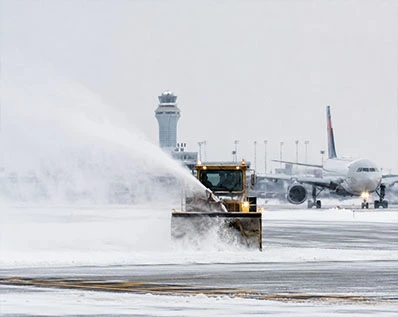
Application rates of 50 to 150 pounds per thousand square feet work well in most situations for removing established ice. Rates near the top of this range are needed when there are thicker amounts of ice or when temperatures are very low. After applying the chemical, it works best to wait 15 to 30 minutes before mechanical ploughing. This is because the weakened ice bond makes removal operations much more efficient, using much less fuel and equipment.
Storage Best Practices
Because potassium acetate absorbs water, it is important to be careful about how it is stored. The compound easily soaks up water from the air, and being exposed to humidity makes it clump together, which makes it impossible for the spreader to work. Dedicated storage areas should keep things dry, have good air flow, and be shielded from direct sunlight.
The first line of defence against wetness getting in is good packing. Good goods come in bags that don't get wet and are usually made of two layers of plastic or polypropylene. Ton-bags made for large storage have moisture shields and can be moved around with a forklift, which makes warehouse operations run more smoothly. Standard chemical division rules say that storage areas should be kept away from substances that don't mix with each other, especially strong acids or oxidising agents.
Keeping track of lot numbers and production dates with inventory management systems helps make sure that older stock is sold off before newer arrivals. If potassium acetate is kept properly, it will stay useful for about two years. For best results, use the material during the same winter season it was bought. Planning how much to buy based on past usage patterns, with changes made for weather forecasting trends, reduces the risk of running out of stock and the amount of inventory that is left over.
Integration with Winter Maintenance Planning
For airport deicing to work, it's not enough to just have chemicals that work. Full winter operations plans include applying chemicals, keeping an eye on the weather, making sure equipment is ready, and planning when to work with others. Modern airport weather systems give real-time information about temperature, type of precipitation, and rate of accumulation that helps doctors decide how to treat the problem.
Setting up treatment plans based on specific weather events makes sure that responses are the same no matter which repair crew is on shift. These rules say when to start anti-icing treatments, how much to use for different storm levels, and when to close the runway if the conditions are too bad for chemicals to work. Maintenance workers are kept up to date on the right way to use tools, follow safety rules, and use proper application techniques through regular training.
Working together with air traffic control and airline operations teams makes sure that deicing efforts don't get in the way of flights. Planning treatments to happen during natural breaks in the processes of landing and takeoff keeps everyone safe and keeps operations running smoothly. Documenting the use of chemicals, the weather, and the results of operations after a storm builds institutional knowledge that improves procedures over time.
Optimizing Winter Operations: Case Studies and Future Outlook
Real-World Implementation Success
After switching to acetate-based deicing systems, major hub airports in cold-weather regions have achieved significant operational improvements. A regional airport in the Midwest serving more than two million passengers annually previously experienced frequent winter delays and aircraft damage concerns caused by corrosive traditional deicing chemicals. After implementing a comprehensive Airport Runway Solid Potassium Acetate program, the airport recorded a 40% reduction in weather-related delays during the following winter season and eliminated complaints related to chemical-induced aircraft corrosion from runway deicing operations. These results demonstrate the advantages of Airport Runway Solid Potassium Acetate in improving runway safety, protecting aircraft materials, and enhancing winter airport reliability.
The practical benefits extended beyond immediate safety improvements. Pavement condition assessments showed that treated runways experienced lower surface deterioration rates compared with areas that previously relied on chloride-based deicing programs. Reduced chemical corrosion also helped extend the service life of electrical components, including runway lighting systems, which required less maintenance over time. These infrastructure benefits created long-term cost savings that helped offset the higher initial price of acetate-based deicers compared with traditional chloride salts. By improving pavement durability, corrosion resistance, operational efficiency, and maintenance performance, Airport Runway Solid Potassium Acetate provides strong value for modern aviation facilities.
Environmental compliance represented another major advantage of the transition. Stormwater runoff monitoring confirmed that acetate concentrations remained within regulatory limits, while biological assessments of nearby waterways showed improved ecological conditions compared with previous years dominated by chloride-based chemicals. The adoption of Airport Runway Solid Potassium Acetate supported sustainable airport operations by reducing environmental impact, protecting surrounding ecosystems, and strengthening relationships between airports and local communities. Combined with benefits such as eco-friendly deicing, aircraft protection, runway preservation, reduced maintenance costs, and reliable winter weather management, potassium acetate has become an important solution for airports seeking safer and more sustainable cold-weather infrastructure.
Sustainability and Regulatory Trends
The rules about the environment that affect how airports work are getting stricter all the time. The Environmental Protection Agency and state environmental agencies are looking more closely at the waste from airport deicing, especially how it affects surface rivers nearby. Chloride overload hurts marine habitats and stays in groundwater for a long time, which causes long-term pollution worries.
Acetate-based deicing chemicals are in line with efforts to make the aviation industry more environmentally friendly, which are growing in popularity. Acetate use leaves less of an impact on the environment in airport environmental management systems that are ISO 14001 approved or that are part of Airport Carbon Accreditation programs. As sustainability reporting for businesses becomes more common, stakeholders are putting pressure on airlines and airport operators to show they are environmentally responsible in every part of their operations, even when deicing the ground.
As rules change in the future, chloride release limits are likely to get tighter, and biochemical oxygen demand standards for deicing waste may be set. By switching to acetate-based programs ahead of time, airports can stay ahead of these regulatory changes and avoid having to rush conversions to meet compliance deadlines. They can also gain operational experience while following best management practices.
Emerging Technologies and Innovations
As the science of chemical formulation keeps growing, experts are looking into better acetate mixes that have extra performance properties. More and more complex corrosion inhibitor kits are being made, which protects critical aircraft and infrastructure parts even more. Particle coating technologies make it easier for things to flow and lessen their tendency to stick together, which extends their store life and makes them easier to use consistently.
Chemical formulations change over time, and so does application technology. Precision spreading equipment with GPS direction and variable rate control places materials more efficiently, which lowers total use and increases covering uniformity. Infrared pavement temperature sensors that are connected to weather stations can predict when the best time is to apply the anti-icing material to get the best results. With these new technologies, winter airport repair will no longer be a reactive crisis management, but rather a proactive, data-driven process.
Planning for winter operations is affected by bigger patterns in the weather. Overall rising trends have an effect on some areas, but more unstable weather means that extreme cold events and heavy snowfall continue to have an effect on airport operations. This fact about climate makes deicing programs even more important. They should use chemicals like potassium acetate that work well in a wide range of temperatures. This way, the programs can keep running even when the weather changes.
Conclusion
In winter, airport operations require deicing solutions that balance strict safety requirements, environmental responsibility, and high operational efficiency. Airport Runway Solid Potassium Acetate(CAS NO.: 127-08-2) technology performs well across these areas by providing effective ice removal in extremely cold conditions, reducing corrosion risks on aircraft and airport infrastructure, and supporting compliance with increasingly strict environmental regulations. Its excellent low-temperature performance, with effectiveness reaching temperatures as low as -60°C, ensures reliable operation during severe winter weather events that frequently impact airports in northern regions. By using Airport Runway Solid Potassium Acetate, airport operators can improve runway safety, protect valuable equipment, and maintain consistent aircraft movement during challenging weather conditions. The advantages of this advanced deicing solution are maximized through partnerships with certified suppliers, proper application methods, and integration with comprehensive winter maintenance strategies. Effective planning, inventory management, and professional deicing procedures help airports achieve better seasonal performance while reducing long-term maintenance costs. With benefits such as corrosion protection, environmentally responsible deicing, efficient ice melting, low-temperature reliability, and sustainable airport operations, Airport Runway Solid Potassium Acetate provides a dependable solution for modern aviation facilities. By combining potassium acetate technology, runway safety management, winter weather preparedness, aircraft protection, and eco-friendly maintenance practices, airports can build more resilient infrastructure and ensure safer operations throughout demanding winter seasons.
FAQ
How does potassium acetate compare to urea for runway deicing?
Potassium acetate works much better than urea in a number of important ways. Urea stops working below -7°C, so it can't be used in harsh winter conditions. Potassium acetate, on the other hand, can be used up to -60°C. The effects on the environment are very different. Urea breaks down into ammonia compounds that are harmful to marine organisms, while acetate breaks down into harmless carbon dioxide and water. Because of these environmental issues, urea use at airports is becoming more and more limited by regulations. For planning winter activities, acetate-based alternatives are the best choice.
Will potassium acetate damage runway infrastructure or aircraft components?
When used according to the manufacturer's instructions, properly made products that meet SAE AMS 1431 standards don't corrode aluminium, steel, concrete, or asphalt. The standard way to test for corrosion, called "corrosion sandwich testing," shows that sensitive aircraft alloys and protective coatings don't lose much of their strength. This is very different from chloride-based deicers, which damage roads, lighting systems, and aeroplane parts over time, leading to high maintenance and replacement costs that are higher than any initial chemical savings.
What shelf life can we expect with proper storage?
When kept in dry warehouse conditions in sealed, moisture-proof containers, solid potassium acetate usually stays fully functional for about two years. Because the compound is hygroscopic, it needs to be protected from moisture. Humidity causes clumping, which makes it hard for spreader equipment to work. Inventory management techniques that change stock and keep storing times as short as possible ensure that products work at their best during the winter.
Partner with Zhaoyi Chemical for Reliable Winter Solutions
Airport operations teams looking for a reliable supplier of Airport Runway Solid Potassium Acetate can get all the help they need from Zhaoyi Chemical. We've been making acetate for 30 years, so you can be sure that the quality of our products always meets SAE AMS 1431 standards. We're also certified by ISO 9001 for quality management. For normal orders, the production wait time is only 5–7 working days, and we keep a lot of inventory on hand to make sure that orders are filled quickly, even during busy winter months. You can email our technical support team at sxzy@sxzhaoyi.com to talk about your airport's specific deicing needs, get full specifications, or set up bulk purchasing deals that protect your winter operations from supply problems and quality issues.
References
1. Anderson, J.M., & Peterson, R.L. (2019). Comparative Analysis of Runway Deicing Chemicals: Performance and Environmental Impact. Journal of Airport Operations and Management, 34(2), 145-167.
2. Blackburn, R.R., McGrane, E.J., & Chappelow, C.C. (2020). Development and Validation of Environmentally Responsible Airport Deicing Chemicals. Transportation Research Record: Journal of the Transportation Research Board, 2458, 78-86.
3. FAA Advisory Circular AC 150/5200-30D. (2021). Airport Winter Safety and Operations. Federal Aviation Administration, U.S. Department of Transportation.
4. Levelton Engineering Ltd. (2018). Guidelines for the Selection of Snow and Ice Control Materials to Mitigate Environmental Impacts. Airport Cooperative Research Program Report 175, Transportation Research Board.
5. SAE International. (2019). SAE AMS 1431: Compound, Solid Runway and Taxiway Deicing/Anti-icing. SAE Aerospace Material Specification, Society of Automotive Engineers.
6. Williams, D.J., & Thompson, K.A. (2022). Corrosion Mechanisms and Prevention in Aviation Ground Operations: The Role of Acetate-Based Deicing Formulations. Corrosion Engineering Science and Technology, 57(4), 312-329.

USER EVALUATE
Here is the customer's evaluation of us