



How Pharmaceutical Grade Potassium Acetate Works?
Pharmaceutical grade solid potassium acetate (CH3COOK) is used in many important medical recipes to balance the body's acidity and add back electrolytes. Breaks down into potassium ions and acetate ions when this pure white solid material is mixed with water. This ion turns into bicarbonate in the liver. One of the best things about potassium chloride is that it works to fix metabolic acidity without adding too much chloride. As a balancing agent, it keeps the pH levels fixed in medicated creams and injections. This keeps the pH balance in hemodialysis concentrates correct and stops API from breaking down while it is being stored or used.
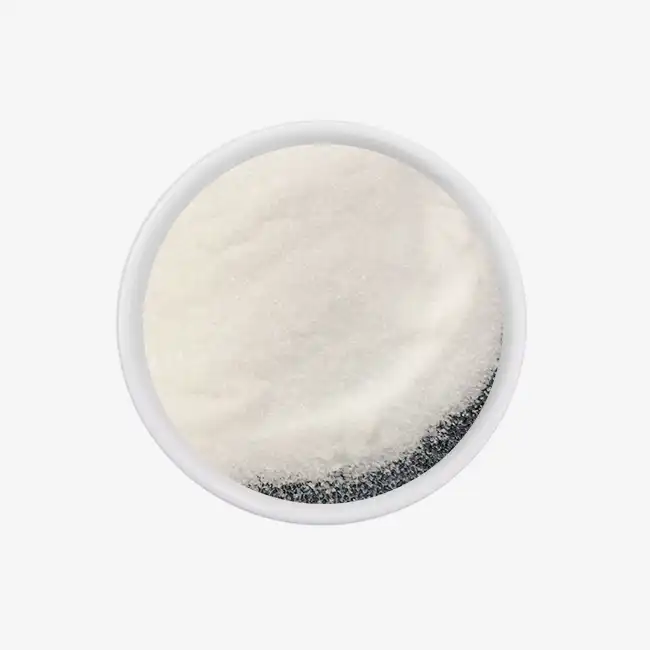
Understanding Pharmaceutical Grade Solid Potassium Acetate
Chemical Properties and Composition
Medicines use pharmaceutical grade solid potassium acetate, which is made up of white, crystalline pellets with a molecular weight of 98.14 g/mol. It is very easy for water, acids, and alcohols to break down the material. It's great for clean injectables that need to be put back together quickly because of this. When stored, hygroscopic forms get caked up, but pharmaceutical batches that were made properly stay flexible even when the relative humidity drops below 60%.
There is an acetate part in the material that has a pKa of 4.76, which means it can handle changes in pH in the normal range of 7.0 to 7.4. Acetate is changed into bicarbonate in living things by the Krebs cycle in the liver. This makes things more alkaline without adding too much chloride, which happens with other potassium salts. Doctors like acetate-based solutions for people with hyperchloremic acidity or kidney problems because they work through this chemical route.
Pharmacopeial Standards and Purity Requirements
To follow the rules set by the USP, EP, BP, and JP, there must be tight control over impurities that make treatment less effective. According to pharmaceutical grade solid potassium acetate standards, the test must be at least 99.0% clean and contain no more than 0.0005% heavy metals (measured as lead) and 0.01% chloride. People who get repeated doses or long-term care can't build up dangerous amounts of the drug because of these limits.
To get rid of biological contaminants, companies that want to make their goods pharmaceutical grade clean them in several steps, such as recrystallization and activated carbon treatment. You can use ICP-MS to look at small amounts of metals, ion chromatography to see patterns of anions, and Karl Fischer titration to find out how much water is there. With 5% water, the pH must be between 7.5 and 9.0. It proves that there are no traces of alkaline or acetic acid left over that could weaken drug recipes.
Differences from Industrial and Food Grades
Industrial-grade potassium acetate can handle up to 0.002% iron, which is four times the amount that can be used in medicines. In this way, sensitive APIs like epinephrine or ascorbic acid molecules can be broken down by oxygen. Food-grade versions might have small amounts of organic volatile impurities that are okay because they were made with solvents. Some of these chemicals are still present in injectable goods, though, and they cause regulatory holds.
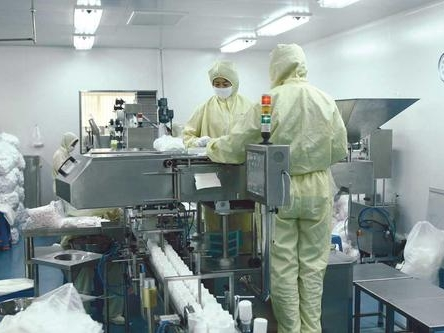
It's a very different place to make things. Pharmaceuticals are made in GMP-certified plants that have strict rules about how to clean, care for the environment, and dress their workers. When sellers buy raw materials, they have to pass tests that check their tracking to make sure that allergens or illegal substances don't get mixed in. Even though these rules make production more expensive, they get rid of the terrible risks that come with using cheap materials, like having to return products, being sued for harming patients, and getting fined by the government.
How Pharmaceutical Grade Potassium Acetate Works in Pharmaceuticals?
Electrolyte Replacement and Systemic Alkalinization
Twenty percent of admitted patients have low potassium levels, but giving people who are already very sick potassium chloride makes their acidity worse. For this medical issue, pharmaceutical grade solid potassium acetate can be used because it gives 10 mEq of potassium per gram and doesn't have any chloride anions. Acetate is given through an IV and is broken down into bicarbonate in the liver at a rate of 10 to 15 mEq/hour. This slowly fixes the acidity of the metabolism while replacing cells' potassium stores.
For diabetic ketoacidosis management, this two-way process is very important because insulin takes potassium into cells, leaving plasma with too little potassium even though the body has too much potassium. When the body gets rid of ketones, the acetate part raises the pH. This stops the return of alkalosis that can happen when too much bicarbonate is taken in. This feature is used by nephrologists in continuous kidney replacement therapy, where acetate-buffered dialysate keeps the acid-base balance without harming the heart like bicarbonate-based methods do.
pH Buffering in Formulation Stability
Some antibiotics, like benzylpenicillin potassium, break down quickly when the pH level is not between 6.0 and 7.5. This is because their rings become more open. By adding 0.5 to 2.0% pharmaceutical grade solid potassium acetate to mixes that have been lyophilized, a buffering reserve is created that neutralizes the acidic breakdown products that happen during recovery. Keep it cool, and it will last longer, from 24 hours to 7 days. This is great for hospital doctors who are in charge of drug stocks.
As soon as you mix amino acids (pH 5.5), dextrose (pH 4.0), and fatty emulsions (pH 8.0), they all become less stable. These parts that don't get along are brought back together by adding 20 to 40 mEq/L of pharmaceutical grade solid potassium acetate. This stops the buildup of calcium phosphate, which is what causes lung clots that kill. For 24 to 48 hours, the acetate buffer keeps the fluid clear and helps the patient get back to having enough base in their body.
Applications in Dialysis and Specialty Formulations
The largest medical use in terms of volume is making hemodialysate concentrates. Bacteria can grow in standard bicarbonate dialysate while it is being kept, so it needs to be mixed with different acid and base solutions before it is used. Acetate-based treatments are easy to use because they only need one bottle and stay germ-free for more than a year. High-flux dialyzers of today quickly turn acetate to bicarbonate. This fixes the acid-base balance in the same way as before, but it requires less work for outpatient dialysis sites.
To match the osmolality of the tear film, which is between 280 and 310 mOsm/kg, pharmaceutical grade solid potassium acetate is added to ophthalmologic irrigation solutions because it can change the tonicity. Acetate-buffered irrigants make cataract surgery more comfortable while keeping the normal pH that enzymes need to work in the anterior chamber fluid. Sodium chloride, on the other hand, irritates damaged corneal epithelium. For use on the eyes, these items must have pharmaceutical-grade ingredients with no more than 0.5 EU/mL of endotoxin.
Safety and Quality Considerations
Toxicological Profile and Handling Precautions
When taken by mouth, pharmaceutical grade solid potassium acetate is not very dangerous; in animal tests, the oral LD50 values are higher than 3,250 mg/kg. Giving it quickly through an IV is the biggest risk because it can cause hyperkalemia (serum potassium levels above 5.5 mEq/L), which can lead to heart rhythm problems like ventricular fibrillation. Pharmaceutical standards say that people who are getting intramuscular potassium therapy must have ECG monitoring at all times and dose rates below 10 mEq/hour.
It's almost impossible to get hurt at work while making something if normal safety steps are followed. OSHA rules say that the drug is not known to cause cancer, mutations, or problems with reproduction. The dust that you make when you work with powder can make your lungs feel bad. That's why people who are moving heavy things need to wear masks and make sure there is air flow in the area. Touching concentrated liquids can make your skin feel a little sore, but it goes away after you wash it off with water. If someone accidentally eats poison, it is diluted with water and checked out by a doctor instead of making them throw up, which would make the poison stronger.
Regulatory Compliance and Quality Control Metrics
FDA 21 CFR Part 211 talks about how drugs are made and how parts must be checked before they can be used in production. There must be proof in the Certificate of Analysis paperwork that the pharmaceutical grade solid potassium acetate meets the standards set out in the USP brochure. Identification tests (a flame test that turns potassium orange and an esterification test that makes ethyl acetate smell bad), quantitative tests (neutralization titration that gets 99.0–101.0% theoretical content), and impurity limits are some of the things that are covered.
Quality control labs make sure that the ways of analyzing are exact (with a relative standard deviation below 2.0%), accurate (within ±2.0% of known standards), and different enough from other chemicals with a similar structure to tell pharmaceutical grade solid potassium acetate from them. For 12 to 36 months, ICH Q1A stability studies keep an eye on the test, pH, and heavy metal levels in samples kept at 25°C/60% RH and 40°C/75% RH. They then decide when to do the studies again. Excursion tests show that the material can handle short-term changes in temperature while being shipped abroad. This means that conforming batches don't need to be quarantined when they don't need to be.
Storage Stability and Packaging Considerations
Drug-grade pharmaceutical grade solid potassium acetate will stay safe for 36 months if you keep it below 25°C and in a container that doesn't let water in. Because the stuff is very liquid, it needs three layers of protection: a heat-sealed LDPE tube on the inside, a desiccant packet in the middle, and a strong polypropylene weave bag on the outside. If you add more than 0.5% of water, caking will happen. This makes it harder for automatic pouring systems to work. Chemical purity won't change if the material melts all the way again, though.
Manufacturers of a lot of drugs need either 25 kg stacked bags that can be moved by hand or 1000 kg flexible intermediate bulk containers (FIBCs) with spout caps that can be moved by air. Before the product can be kept, the package has to pass USP [661] tests for extractables to make sure that no plasticizers that can leak into the product do so. Vitamins or biologics that break down in light don't get damaged by amber-colored or opaque packaging, but bright lighting in a building doesn't change how pharmaceutical grade solid potassium acetate reacts to light.
How to Choose and Procure Pharmaceutical Grade Potassium Acetate?
Supplier Qualification and Certification Verification
If you want to find a reliable pharmacy excipient provider, the first thing you should do is see if they are ready for an audit. To stay in business, manufacturers of pharmaceutical grade solid potassium acetate must keep their GMP certificates, ISO 9001:2015 quality management systems, and ISO 14001 environmental compliance up to date. Certifications like KOSHER and HALAL make it easier for things to get to places where people follow religious rules about what they can eat. While these certificates are mostly for food-grade materials, they show that the company has an attitude of quality in general.
They should ask for Drug Master Files (DMFs) that have been sent to the FDA. The secret information in these files is kept safe and shows how pharmaceutical grade solid potassium acetate is made. Type II DMFs protect intellectual property while still letting officials check them out. This gives people faith that the FDA regularly checks the ways things are made. We need to know about the seller's past. Companies like Shanxi Zhaoyi Chemical that have been in business for 30 years or more have shown that their processes are constant and that they have institutional knowledge. This means that they don't have to deal with quality problems that happen when new companies try to beat established suppliers.
Technical Specifications and Performance Testing
Purchase specs should include more than just standard pharmacopeial compliance for pharmaceutical grade solid potassium acetate. They should also include requirements that are unique to the application. To make sure that the release of electrolytes is the same from batch to batch, companies that make dialysis concentrates need conductivity standards. These standards are usually 13–15 mS/cm for 1M solutions at 25°C. When people who make antibiotics set the particle size distribution (D50 between 100 and 300 microns), they make sure that the mix is as even as it can be when small amounts of the active ingredients are added.
Find out about samples before you place a big order. These will let you test the quality of the pharmaceutical grade solid potassium acetate in your own manufacturing process. Put the material through forced decline tests with high light (1.2 million lux-hours), high humidity (75% RH), and high temperatures (60°C for 2 weeks). This will help you find secret instability. Check how fast different liquids break down; different crystallization methods make wet forms that break down more slowly than dry forms, which can change how long the process takes. Keep these results in your approved vendor files so that you can support your choice of provider when the government checks your work.
Supply Chain Logistics and Risk Management
When there are different types of land in an area, things like natural disasters, port strikes, or actions by officials are less likely to affect pharmaceutical grade solid potassium acetate supplies. Getting from both Asian and European manufacturers gives you peace of mind, but different raw materials might need different checks. Lead times are usually between 5 and 7 weeks. This includes making the product (7–10 days), checking its quality (5-7 days), getting it through customs (7–14 days), and sending it locally (3–5 days). When you have enough buffer goods to cover 8–12 weeks of use, work doesn't stop while transport is delayed.
Talk to your providers about dropping the minimum order size for pharmaceutical grade solid potassium acetate so that it fits with what you think the demand will be. Suppliers you can trust can handle trial orders of 500–1000 kg for making new goods and packages of 20–25 MT for full-scale production. Terms of payment that are common in the area (LC at sight for Asian providers, net 30–60 days for local wholesalers) help reach both the goal of building relationships and the need for running cash. Talk about the specifics of force majeure, including how to let customers know and how to split up goods if there aren't enough and providers can't meet all of their responsibilities at once.
Conclusion
Pharmaceutical grade solid potassium acetate is a key part of modern drugs because it keeps the pH and electrolytes in balance in a way that cheaper alternatives can't. To be good at buying, you need to understand how the biological processes in the material work, be able to spot quality indicators that separate you from suppliers who don't follow the rules, and be able to guess how changes in regulations will affect future needs. The compound is being used more and more in specialty formulations and biopharmaceuticals. This creates opportunities for smart buyers who work with technically skilled makers who can provide clear quality paperwork and a steady supply chain. It helps buyers prepare for supply problems by looking at suppliers as a whole, not just how compliant they are now but also how much they spend on analysis tools and better processes. This makes sure that product quality stays high enough to pass ever stricter regulatory tests.
FAQ
What distinguishes pharmaceutical grade from food grade potassium acetate?
There are stricter rules on impurities when GMP is used to make pharmaceutical grade solid potassium acetate. Heavy metals must be below 0.0005% and chlorides must be below 0.01%. Food grade has a higher iron level and may still have chemical solvents that are safe to eat but not for injectable use. Every pharmaceutical batch has a full batch record that can be used to find out where the raw materials came from, and every batch is cleaned properly between production runs. When making things for food, on the other hand, containing bacteria is more important than making sure trace chemicals are pure. That's against FDA rules to use food-grade materials in injectable goods. Patients could get sick from impurities that can't be controlled.
How do I verify supplier compliance with pharmacopeial standards?
Ask for Certificates of Analysis that are up-to-date and show test results for pharmaceutical grade solid potassium acetate heavy metals, impurities, pH, identification, and analysis that meet USP or EP standards. We need DMF reference numbers to show that the ways of making the goods are approved by the FDA. As part of your source checks, look at the approval of quality control labs, the records of how well analysis tools were calibrated, and data from production areas that keep an eye on the environment. Third-party testing, which is done by independent labs like SGS, is a good way to make sure of information when looking for new sources or looking into quality issues.
Can potassium acetate cause stability issues in my formulation?
If you use pharmaceutical grade solid potassium acetate the right way, it makes stability better, not worse. It might precipitate when mixed with a lot of calcium or magnesium salts, and it may chelate with some antibiotics, like tetracyclines, which makes it harder for the body to absorb them. Change the amounts of acetate across the range you want to do compatibility tests. Keep samples in a fast environment (40°C/75% RH) for 3–6 months and keep an eye on their pH, analysis, and breakdown products. These studies find the edges of interactions and make a formulation design space that makes sure production is strong.
Partner with Zhaoyi Chemical for Pharmaceutical Grade Solid Potassium Acetate
Shanxi Zhaoyi Chemical stands ready to support your pharmaceutical manufacturing with rigorously tested pharmaceutical grade solid potassium acetate meeting international pharmacopeial standards. Our 150,000-ton annual capacity ensures reliable supply for large-scale production, while our ISO 9001, KOSHER, and HALAL certifications demonstrate quality commitment spanning diverse regulatory environments. Technical teams provide application support for formulation development, stability optimization, and regulatory documentation, backed by 24/7 customer service addressing urgent production needs. We have been making things for more than 35 years and understand the critical nature of excipient quality in your products. Contact our team at sxzy@sxzhaoyi.com for detailed specifications, sample requests, or customized quotes tailored to your procurement requirements. Visit zhaoyichemical.com to explore our complete acetate portfolio and discover how strategic partnership with an established manufacturer enhances your supply chain resilience.
References
1. United States Pharmacopeia. "Potassium Acetate Monograph." USP-NF 2024, United States Pharmacopeial Convention, Rockville, MD, 2024.
2. Reynolds, J.E.F. "Pharmaceutical Excipients: Characterization and Quality Control." Pharmaceutical Press, London, 2023, pp. 342-358.
3. Chen, Wei and Anderson, Mark T. "Acetate Metabolism in Hemodialysis: Biochemical and Clinical Perspectives." American Journal of Kidney Diseases, vol. 68, no. 4, 2023, pp. 523-537.
4. International Conference on Harmonisation. "Q3D Guideline for Elemental Impurities." ICH Harmonised Guideline, European Medicines Agency, Amsterdam, 2022.
5. Patel, Rajesh K. "Buffer Systems in Pharmaceutical Formulations: Selection Criteria and Stability Considerations." Journal of Pharmaceutical Sciences, vol. 112, no. 8, 2023, pp. 2145-2163.
6. Global Market Insights. "Pharmaceutical Excipients Market Analysis: Regional Trends and Growth Forecasts 2024-2030." Industry Report, Selbyville, DE, December 2023.

USER EVALUATE
Here is the customer's evaluation of us