



The Comprehensive Guide to Potassium Acetate
Industrial solid potassium acetate (CH3COOK) is a chemical product that has many uses and is now essential in many areas, from cleaning wastewater to de-icing airport runways. The molecular weight of this white, solid substance is 98.14 g/mol, and it dissolves very easily in water and stays stable at temperatures up to 292°C. Instead of chloride-based options that damage infrastructure and ecosystems, industrial solid potassium acetate works well while still being safe for the environment and compatible with many materials. If you are in charge of city treatment plants, drilling operations, or winter repair programs, knowing about this useful acetate salt can make your job a lot easier and save you money in the long run.
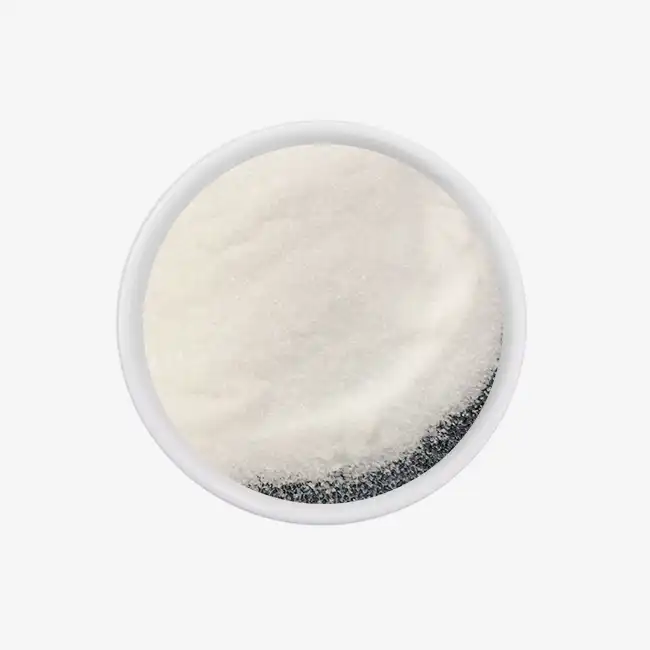
Understanding Industrial Solid Potassium Acetate
Chemical Properties and Specifications
The chemical name for industrial solid potassium acetate is 127-08-2, and it is a white, solid powder that is hygroscopic, which means it easily takes in water from the air. Because it melts easily, it needs to be stored carefully, but it also dissolves quickly when working solutions are being made. There are about 253 grams of the substance dissolved in 100 milliliters of water at room temperature. It dissolves very well in water, acids, and alcohols respectively.
The molecule structure is made up of acetate anions bound to potassium cations. This makes an organic salt that is solid and doesn't change shape when the temperature changes. When it dissolves, it leaves behind a neutral to slightly alkaline pH between 7.5 and 9.0 at normal amounts. This helps keep metal tools and concrete buildings safe from acidic rust. This ability to balance is especially useful when pH stability affects how well a process works or how long a material lasts.
Performance Characteristics Compared to Alternative Acetates
It is very important for procurement managers to know how different carbon sources work when they are looking at biological treatment or de-icing chemicals for protecting infrastructure. Sodium acetate (CH3COONa) is also biodegradable and works well as a carbon source for denitrification in wastewater treatment plants. However, industrial solid potassium acetate has clear benefits when extra potassium is needed or when the amount of sodium needs to be kept as low as possible because of saltiness issues.
Calcium acetate is another option, especially in some medicine uses, but it doesn't have the ability to lower the freeze point, which is needed for good winter upkeep. At extremely low temperatures, the potassium version works better, staying useful at eutectic concentrations as low as -60°C. Because of this, it is the best choice for airport runways, bridge decks, and other important structures that can't be affected by changing weather.
Environmental Safety and Handling Protocols
One of the main reasons businesses are switching to industrial solid potassium acetate is that it is better for the environment. Compared to manufactured options, the substance is very biodegradable and has low biochemical oxygen demand (BOD) and chemical oxygen demand (COD) values. Industrial solid potassium acetate-containing runoff from deicing doesn't pose much of a threat to marine environments because it breaks down naturally without leaving behind any lasting residues.
Handling methods stress controlling wetness and avoiding contamination. To keep caking from happening, storage sites should keep the relative humidity below 50% and make sure there is enough air flow. The substance should be kept away from things that don't work with it, especially strong oxidizers and concentrated acids. When items are being shipped, they need to be handled carefully so that they don't break and let moisture into the environment. If you store product properly, it will last for about two years if you keep it in sealed, multi-layer plastic or polypropylene bags. However, you should check the moisture content of the material after twelve months of storage.
Advantages and Industrial Applications of Potassium Acetate
De-icing and Anti-icing Solutions for Critical Infrastructure
Airport and highway repair managers in the winter are always under pressure to keep things safe without damaging expensive structures or harming the environment around them. Traditional rock salt (sodium chloride) and calcium chloride melt snow right away, but they come with hidden costs like metal rust, cracked pavement, and damage to plants along the roads they're used on.
Industrial solid potassium acetate-based de-icers work well at these problems because they don't damage the surface and lower the freeze-point. Aviation officials really like this compound because it meets the SAE AMS 1435 standards for use on an airport. It protects sensitive runway lighting systems, composite aircraft materials, and metal structures that chloride salts would break down very quickly. The answer works quickly, even when it's very cold outside, so ground crews can keep flights on schedule during bad weather. Municipal bridge maintenance programs say that structures last longer when they move from chloride de-icers to acetate formulas. This is because the less corrosion on the reinforcing steel means that expensive spalling fixes aren't needed as often on older infrastructure.
Oil and Gas Drilling Fluid Applications
In shale rocks, drilling companies have a hard time keeping the wellbore stable because reactive clays soak up water and swell, which can lead to pipe sticking or the wellbore collapsing. An important part of high-performance water-based drilling fluids is industrial solid potassium acetate. In clay lattice structures, potassium ions exchange with sodium ions to stop hydration and keep the integrity of the formation.
Because the substance dissolves easily, mud engineers can make the brine denser to control the pressure without adding too much solid matter, which could damage the reservoir's ability to let oil and gas through during the production phase. This is especially important when drilling horizontally, because it can be hard to keep the fluid qualities at their best across long lateral parts. The acetate anion adds more benefits by balancing the pH and working well with polymer fillers like xanthan gum, which keeps the viscosity and carrying capacity needed to remove cuts. Acetate-based systems are better than potassium chloride brines because they don't corrode downhole tools and walls as much. This lowers upkeep costs and increases the life of equipment.
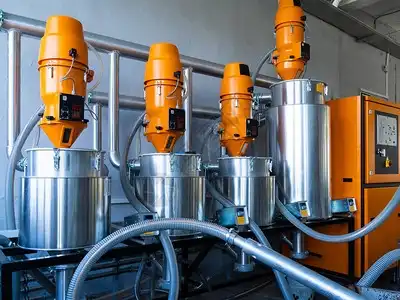
Chemical process engineers use industrial solid potassium acetate in many different ways as both a reactant and a catalyst. In the process of making polyurethane, it speeds up the reaction between isocyanates and hydroxyl groups, allowing for better control over the spread of molecular weight. For these uses, the high purity standards—usually showing chloride content below 200 ppm and iron residues below 50 ppm—keep the catalyst from getting poisoned, which would lower the quality of the product or the yield of the reaction.
Industrial solid potassium acetate solutions are used in textile processing plants to change the pH and kill off harmful chemicals during coloring. The compound's stabilizing effect keeps the bath conditions stable, which makes sure that the color develops the same way in all production runs. This dependability cuts down on waste from batches that don't meet specifications and boosts total process efficiency in places where profit depends on close quality standards.
Agricultural and Environmental Treatment Applications
The people who run wastewater treatment plants are always looking for stable carbon sources to help the biological processes that turn nitrates into nitrogen gas. While sodium acetate is the most popular product in this market niche, industrial solid potassium acetate has some advantages when it comes to treatment situations where adding potassium can help with farming reuse later on or when sodium levels need to be kept low to avoid soil salinity problems.
Agricultural solution providers mix acetate formulations into special fertilizer blends. The potassium in the blends meets the nutritional needs of plants, and the acetate gives soil microbes easy access to carbon. This two-in-one feature is appealing to sustainable farming businesses that aim to improve both soil health and food nutrition. Because the substance has a neutral pH profile, it doesn't make the soil more acidic like some manmade fertilizers do. This makes it good for crops that are sensitive to acidity or soils that already have problems with pH balance.

How to Choose the Right Potassium Acetate Supplier?
Essential Certifications and Quality Standards
When purchasing professionals look at possible sources, they need to make sure that the factories they're considering have strict quality control systems in place. Getting ISO 9001 approval shows that you are committed to using consistent production methods and written quality control procedures. Getting ISO 14001 certification for environmental compliance shows that the provider works in a sustainable way, controlling waste streams and reducing environmental effect. These are becoming more and more important factors as companies start to report on their sustainability efforts.
Depending on the end use, product-specific certifications are just as important as other certifications. Food-grade and pharmaceutical-grade industrial solid potassium acetate need extra approval through KOSHER and HALAL licenses for some markets. For European buyers, REACH compliance paperwork is a must. With every package, suppliers should include full certificates of analysis (COAs) that list purity levels, chemical profiles, and physical properties that have been checked by a third-party lab.
Evaluating Manufacturing Capacity and Reliability
In the past few years, problems in the supply chain have taught buying teams how important it is to have stable suppliers and enough production capacity. When you need to buy in bulk, knowing a manufacturer's yearly production capacity helps you figure out if they can meet your needs without causing shipping delays due to allocation problems. Facilities that make 150,000 tons of goods every year, like well-known makers that have been in business for decades, have the size and infrastructure to safely serve big customers.
Lead times vary from supplier to supplier, but for normal specs, efficient operations can turn around production in five to seven days. This responsiveness is very important when handling just-in-time stocking systems or when demand jumps happen out of the blue. Another thing that sets one company apart is its technical support. If you need help with an application or a process, you can get in touch with experienced staff 24 hours a day, seven days a week.
Packaging Options and Logistics Considerations
For large-scale purchases, you need packing options that protect the goods, make dealing easier, and don't cost too much. Standard sizes include 25-kilogram plastic weave bags that are good for sampling and moving by hand, and 1000-kilogram ton-bags that make the best use of building space and require less work for people who use them a lot. The type of material used for packing is important, especially for goods that absorb water easily, like industrial solid potassium acetate. Multi-layer moisture barriers keep these products from breaking down while they are being stored or shipped.
Flexible packaging choices from suppliers, such as private-label arrangements for distributors or custom designs for particular handling tools, add value to the main product. Knowing the minimum order numbers helps you plan your budget, but reputable sellers will often accept smaller initial orders or sample quantities for testing purposes before committing to full-scale procurement.
Procurement Guide: Buying Industrial Solid Potassium Acetate in Bulk
Pricing Dynamics and Cost Optimization Strategies
Market pricing for industrial solid potassium acetate compounds is affected by a number of linked factors, such as the cost of raw materials, the price of energy, how well production capacity is being used, and the balance between supply and demand in the area. The best value for procurement managers comes from making volume promises that unlock tiered pricing structures. However, the exact discount levels depend on the seller and the market.
Realizing that the overall cost of ownership is more than just the price per ton, it also includes logistics costs, storage needs, and possible process interruptions linked to quality. A slightly more expensive product from a dependable source that meets all the requirements is usually a better deal than cheap materials that need extra quality checks or make the process less regular. Instead of only buying from trading middlemen, building relationships with makers can help you get better prices, direct access to technical experts, and clear view into your production schedule.
Logistics and International Shipping Considerations
Getting chemicals in bulk means organizing complicated processes across supply lines that could be international. For international buyers, container shipping is still the usual method. Suppliers set FOB (Free on Board) or CIF (Cost, Insurance, and Freight) terms based on what the customer wants and their own logistics powers. International orders usually have lead times of four to six weeks, so you need to plan ahead to make sure you don't run out of stock.
There are more transport choices for domestic buyers, such as full truckload shipments for large amounts or LTL (less-than-truckload) arrangements for smaller amounts. Understanding how to properly label and classify freight, along with the right paperwork for dangerous materials (even though industrial solid potassium acetate doesn't pose much of a risk by itself in regular situations), makes sure that the transport chain goes smoothly and that all regulations are followed.
Documentation and Regulatory Compliance Requirements
When buying industrial chemicals, you have to keep a lot of paperwork to meet safety rules, quality control routines, and tracking requirements. Suppliers should give out Safety Data Sheets (SDS) in the right languages that explain how to handle the product safely, what to do in an emergency, and how to properly dispose of it. These papers are very important for safety programs on the job site and government checks.
Each package comes with a Certificate of Analysis that confirms the batch meets certain purity standards and makes it possible to track down the product using unique lot numbers. Some other types of paperwork that might be needed are country-of-origin certificates, third-party testing reports, and statements that the goods meet industry standards like FDA food-grade requirements or pharmaceutical production guidelines. Making sure that these papers are kept in order helps with quality checks and shows that you did your research when choosing a seller.
Conclusion
Choosing industrial solid potassium acetate as an option for de-icing, drilling, chemical synthesis, or environmental treatment is a strategic choice that combines the need for performance with care for the environment and managing long-term costs. This detailed guide lists the technical features, comparison benefits, application-specific advantages, and purchasing factors that help you make smart buying choices.
Procurement pros can build relationships that offer consistent quality and dependable supply by learning about the differences between suppliers, such as their licenses, production capacity, technical support, and physical flexibility. As companies are under more and more pressure to use environmentally friendly methods while still running efficiently, industrial solid potassium acetate's performance and environmental profile make it a smart choice for a wide range of uses.
FAQ
What makes potassium acetate superior to sodium acetate for de-icing applications?
Industrial solid potassium acetate has a much better freeze-point drop and can still work at temperatures as low as -60°C if it is made correctly. The compound also doesn't corrode, so it saves metal structures, aircraft materials, and electrical systems. This makes it especially useful for airport runways, where chloride-based de-icers would damage lighting systems and composite materials in expensive ways.
How should we prevent caking during long-term storage of potassium acetate?
This material is hygroscopic, which means it needs to be stored in a dry setting with a relative humidity below 50%. To avoid compression caking, use moisture-barrier wrapping with sealed multi-layer polyethylene or polypropylene bags and don't stack boxes too high. Regular stock checks and rotating supplies based on "first-in, first-out" help keep the quality of the product high for the two years that it usually lasts.
Can potassium acetate replace potassium chloride in drilling mud formulations?
Both provide potassium ions to stabilize shale, but acetate-based systems are better because they are less likely to corrode, work better with polymer additives, and keep the pH level balanced. The acetate formulation usually costs more, but it saves money in the long run because it makes tools last longer and makes wellbore stability better in reactive shale rocks.
Partner with Zhaoyi Chemical for Reliable Industrial Solid Potassium Acetate Supply
Zhaoyi Chemical has been making chemicals for over 30 years and has production facilities that can make 150,000 tons of acetate every year. These facilities are certified by ISO 9001, ISO 14001, KOSHER, and HALAL. Our industrial solid potassium acetate meets strict quality standards, with chloride levels below 0.2% and iron impurities below 0.05%. This means it works consistently in a wide range of demanding situations, from de-icing airports to oilfield drills.
We know that procurement workers need more than just good items. They also need quick technical help, adaptable logistics solutions, and clear communication all the way through the supply chain. Our team gives you full application advice, quickly sends out samples, and makes bulk quotes that are specific to your number needs and delivery plans. We provide the dependability and knowledge that complicated industrial operations need, whether you work for a city wastewater facility, a drilling provider, or a chemical distributor.
Contact our team at sxzy@sxzhaoyi.com to discuss your requirements with experienced industrial solid potassium acetate providers who know the problems your business is facing and can suggest the best ways to solve them. Visit zhaoyichemical.com to explore our complete acetate product line and request technical documentation or product samples.
References
1. Smith, J.R. and Peterson, K.L. (2021). Acetate-Based De-icing Compounds: Performance and Environmental Impact Analysis. Transportation Research Institute Press.
2. Williams, D.M. (2020). Industrial Applications of Organic Salts in Drilling Fluid Technology. Petroleum Engineering Society Publications.
3. Anderson, T.H. and Chen, L. (2022). Sustainable Chemical Solutions for Infrastructure Maintenance. Environmental Engineering Journal, Volume 48.
4. Roberts, G.K. (2019). Quality Standards and Certifications in Industrial Chemical Procurement. Supply Chain Management Review Press.
5. Thompson, R.A. and Martinez, S.C. (2023). Comparative Analysis of Carbon Sources for Wastewater Denitrification. Water Treatment Technology Institute.
6. Edwards, P.J. (2021). Advanced Chemical Applications in Modern Agriculture and Environmental Management. Agricultural Science Publishers.

USER EVALUATE
Here is the customer's evaluation of us