



The Role of Potassium Acetate in Oilfield Chemicals
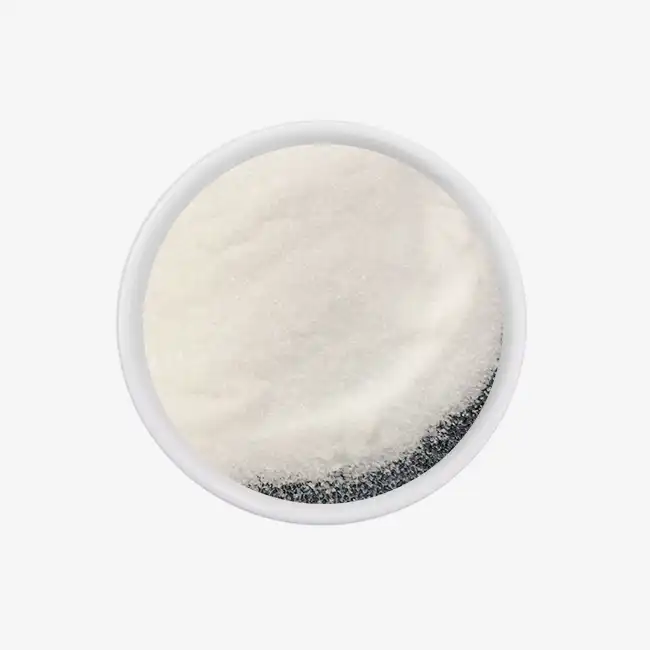
When drilling operations face challenges like unstable shale formations, equipment corrosion, and environmental compliance issues, oilfield solid potassium acetate emerges as a critical solution. This white crystalline compound (CH3COOK) delivers potassium ions for effective clay inhibition without the corrosive chloride anions found in traditional salts. Unlike potassium chloride alternatives, it provides superior wellbore stabilization while maintaining biodegradability and reducing chemical oxygen demand in waste streams, making it the preferred choice for environmentally sensitive drilling operations across North America.
Understanding Solid Potassium Acetate and Its Chemical Properties
What Makes This Compound Essential for Drilling Operations
A special kind of organic substance called oilfield solid potassium acetate is made for use in upstream oil and gas uses. With a molecular formula of CH3COOK and a molecular weight of 98.14, this acetate derivative is different from other drilling additives in a number of ways. The combination is crystallized and very easily dissolves in water, acid, and alcohol. This is a very useful trait when making drilling fluids on a rig where time is of the essence.
This acetate substance is better than chloride-based options because of the way its molecules are structured. Usually, potassium chloride adds corrosive chloride ions to drilling systems. This acetate version, on the other hand, gives important potassium cations while the acetate anion stays non-corrosive and biodegradable. This basic difference directly leads to longer machine life and less damage to the environment, which are two important factors that oil and gas companies consider when they buy things.
Solid Versus Liquid Formulations: Strategic Considerations
Often, procurement teams look at whether solid or liquid acetate versions are better for their operations. The solid crystalline form has strong organizational benefits that have a direct effect on your bottom line. When compared to liquid options, transportation costs drop by 40 to 50 percent because you don't have to pay to ship heavy water across hundreds or thousands of miles to remote digging sites. This weight loss is important from a strategic point of view when your activities span the Arctic or offshore sites with limited freight space.
As long as the right conditions are kept in the building, the solid mixture stays chemically stable for long periods of time. Because of this steadiness, buying in bulk is possible, which can lead to better price terms and a steady supply during busy drilling seasons. For mixing solid acetate into drilling fluids, it needs to be able to dissolve quickly on-site. However, since the chemical dissolves completely in water in just minutes, this process is easy to do even in the field.
Critical Chemical Properties for Downhole Environments
In high-pressure, high-temperature (HPHT) wells, the ability of potassium acetate salt to stay stable at high temperatures is very important. When heated above 150°C, the compound keeps its chemical structure. At temperatures above that, some other additives start to break down and lose their usefulness. This ability to withstand high temperatures makes sure that drilling fluids always work well in deep wells where temperatures below the well's surface can make materials less stable.
When trying to buy something, you should pay special attention to how it dissolves in water. At 20°C, a full solution has a specific gravity of about 1.30, which makes heavy brines without solid weighting agents that could damage the formation's ability to let fluids pass through it. Formulations can reach densities of up to 1.57 SG when mixed with compatible salts, which is enough for most finishing fluid needs. Because the crystalline solid melts, it is essential to keep the moisture level low while it is being stored. This means that it must be kept in covered containers and climate-controlled stores to avoid caking.
Safety and Regulatory Compliance Protocols
Handling instructions for this acetate compound are the same as for other chemicals, but the material is not as dangerous as some drilling chemicals. The material is not explosive and is not very poisonous when it comes to short-term effects, but it is still important to wear the right safety gear, like gloves and eye protection, when handling it. Because it is hygroscopic, workers shouldn't touch their skin for long periods of time because the chemical can pull moisture out of tissues.
Another big benefit of this acetate addition is that it follows the rules. The chemical meets the environmental standards for offshore dumping in many places where chloride-based options aren't allowed. Safety Data Sheets (SDS) should be easy to get from your provider. These sheets will tell you how to properly handle the product, what to do in an emergency, and how to properly dispose of it. We keep a lot of paperwork at Zhaoyi Chemical, like ISO 9001, ISO 14001, and ISO 45001 certifications, to make sure that our manufacturing methods meet foreign standards for safety and the environment.
Benefits and Applications of Potassium Acetate in Drilling Fluids
How Acetate Chemistry Enhances Fluid Performance
To keep the wellbore stable and protect geological layers, drilling fluid engineering relies on precise chemical reactions. oilfield solid potassium acetate is a chemical that has more than one use and affects several important performance factors at the same time. Through ion exchange processes, the potassium cation stabilizes clay by taking the place of sodium and calcium ions in clay layers. This swap makes the clay lattice smaller, which stops it from growing and spreading out, which can make the wellbore unstable and lead to pipe getting stuck.
In addition to being a non-corrosive counterion, the acetate anion has other useful properties. Acetate species lubricate the drilling fluid system, which lowers the torque and drag on the drill string. This is especially helpful in horizontal wells with long reaches, where friction can be a problem. Because acetate is biodegradable, the organic content of drilling fluids breaks down naturally when they are thrown away or mixed with created water. This means that the fluids don't pollute the environment or cause problems in the long run.
Viscosity optimization is another area where acetate chemistry is useful. The substance doesn't have much of an effect on polymer viscosifiers like xanthan gum and polyanionic cellulose (PAC), which are widely used in water-based mud systems. Because of this compatibility, mud engineers can make viscosity profiles that aren't based on ionic strength. This gives them more freedom in designing fluids. On the other hand, potassium chloride or sodium chloride can cause high chloride levels that can mess up polymer hydration, causing agreements between stopping clay from sticking and controlling viscosity.
Superior Shale Stabilization in Reactive Formations
Shale formations make up a big part of the drilled footage in unusual plays in North America. These formations are always hard to keep stable. Reactive shales have smectite and mixed-layer clays that easily soak up water. This makes the wellbore wall grow and crack, which can cause cavings, tight holes, and even pipe getting stuck. Using potassium chloride in traditional ways helps stabilize things to some extent, but the chloride presence makes them less effective and raises worries about corrosion.
In these difficult forms, potassium acetate works better than other chemicals. It is possible to change the quantity of potassium ions to match or go beyond what chloride salts offer. This makes sure that there is enough cation exchange capacity. In the Marcellus, Haynesville, and Bakken shale plays, field uses have shown that they improve wellbore stability by a measurable amount, resulting in smaller caving amounts and smoother reaming operations during trips. Acetate brines' osmotic activity also helps control the activity of water in shale by forming a chemical potential gradient that stops water from entering the rock.
Case studies from large running companies show performance benefits. One user in the Permian Basin switched from a potassium chloride system to an acetate-based one and saw a 35% drop in the amount of time they had to spend fixing problems with the wellbore that kept them from working. Better performance made bit runs longer and lowered the number of washer trips, which had a direct effect on well economics. The acetate method was better for the environment, and it was also easier to get rid of trash because the drilling fluid could be reused in ways that chloride-contaminated muds couldn't.
Corrosion Mitigation and Equipment Longevity
Corrosion is an unavoidable cost of drilling that breaks down downhole tools, drill pipe, and links to the core through electrochemical processes sped up by chloride ions. Traditional shale inhibitors, such as potassium chloride and calcium chloride, make the surroundings very corrosive. This means that expensive corrosion inhibitor kits are needed, and metal is still lost during digging operations. The acetate option changes this situation in a big way.
Solid potassium acetate solutions don't eat away at carbon steel, stainless steel, or aluminum metals that are often used in drilling tools. Electrochemical tests show that erosion rates are many times lower than in chloride solutions of the same type. This resistance to corrosion makes equipment last longer and lowers the chance of major failures that can force wellbores to be abandoned or expensive fishing activities to be stopped. Acetate fluids are better for elastomer seals in downhole motors and measurement-while-drilling (MWD) tools because they don't break down or swell up like some chloride brines do.
The effects on the economy go beyond the direct costs of replacing tools. Less rust means fewer broken tools, which means less time spent not working and more steady drilling performance. When operators use quality directional drilling kits, they don't have to worry about fast wear. The higher level of dependability makes well delivery plans more predictable, which helps you meet production goals and contractual responsibilities.
Formulation Strategies for Optimal Results
To make acetate-based drilling fluids that work well, you need to know how the substance reacts with other parts of the mud system. Potassium acetate could be added to a normal mixture at levels ranging from 3% to 12% by weight, based on how reactive the shale is and how dense the fluid needs to be. Polymer viscosifiers, like xanthan gum for low temperatures or manmade polymers for high pressure and high temperature, create the right viscosity profile to keep drilled pieces in place and improve hydraulic efficiency.
Additives that stop fluid loss work well with the acetate system. Starches, PAC, and synthetic fluid loss polymers all work well together, which lets mud engineers get API fluid loss values below 5 mL without using too many additives. Acetate-based muds usually have a pH between 8.5 and 10.5. Caustic soda or potassium hydroxide can be used to keep the pH in this range. This slightly alkaline climate keeps polymers stable and saves them from carbon dioxide corrosion.
Choosing the right weighting material relies on how dense it needs to be. For densities up to 16 pounds per gallon (ppg), barite is still the cheapest choice. However, manganese tetraoxide or hematite may be chosen for HPHT uses that need higher temperature stability. When making finishing fluids, the acetate brine gives density without solid particles. This makes fluids that are completely clear, which reduces damage to the formation and increases oil production.
Selecting and Procuring Solid Potassium Acetate for Oilfield Use
Evaluating Supplier Quality Standards and Certifications
Thoroughly evaluating suppliers is the first step to successful buying for oilfield solid potassium acetate. Some companies that make potassium acetate don't have the quality control methods that are needed for tough oilfield uses. As you choose a provider, you should make sure they meet a number of important criteria. Getting ISO 9001 approval shows that you are dedicated to quality management systems that include written steps for controlling production, testing, and taking appropriate action. This approval makes sure that every batch will always meet the requirements, lowering the chances of differences that could affect how well the drilling fluid works.
Environmental standards like ISO 14001 show that factories reduce their damage to the environment by managing trash, controlling emissions, and using resources more efficiently. When it comes to reporting to stakeholders, seller environmental credentials become more and more important for procurement teams that are in charge of company sustainability efforts. Even though KOSHER and HALAL certifications don't seem to have anything to do with industrial chemicals, they actually show that a provider can keep different production lines and full traceability, which means that oilfield goods will be more consistent from batch to batch.
In addition to certifications, you should look into how much your possible seller can produce and how technically skilled they are. A company that can make 150,000 tons of goods a year can support large-scale drilling projects without having to stop production. Technical help is also important—suppliers should offer consultations 24 hours a day, seven days a week, and quick responses when formulation problems happen on the rig. Zhaoyi Chemical has been working in the fields for 30 years, which has given us a lot of deep application knowledge that we're happy to share with customers who are having trouble digging.

Understanding Packaging Options and Logistics Solutions
Specifications for packaging have a direct effect on how well products are handled and how well they stay intact throughout the supply chain. Standard packing in 25 kg plastic woven bags works well for smaller businesses or those who need to be able to handle their goods in a flexible way. These bags have covers that don't absorb water to keep the hygroscopic crystals safe while they're being stored or moved. The size of the bag makes it possible for rig workers to handle it by hand, and it holds enough for normal mud mixing tasks.
1000 kg ton bags, which are also known as super sacks or flexible intermediate bulk containers, are useful for large-scale digging projects. These big bags cut down on wasteful packing, make running a warehouse easier, and work well with air transfer systems that move goods from storage to mixing areas. When looking at ton bag providers, make sure that the bags have liners that are compatible with the product's deliquescent nature. This will keep moisture out during long holding times or transport through climates that are different from each other.
When planning logistics, the unique needs of solid acetate storage should be taken into account. The substance needs to be stored in a dry, well-ventilated area where the temperature can be controlled so that it doesn't absorb water and harden. Plans for transportation should protect people from water and extreme heat. To keep on-site storage times to a minimum, make sure that delivery times work with operating plans for drilling sites that are far away, like offshore platforms, Arctic sites, or activities in the desert. At Zhaoyi Chemical, our team works with customers to come up with logistics solutions that work best for their site. For example, we can combine packages to save money on freight costs and speed up foreign delivery with customs paperwork.
Negotiating Pricing Structures and Payment Terms
The price of acetate is affected by the cost of raw materials, the economics of production, and changes in the market that are linked to larger trends in the chemistry industry. Instead of just looking at the price per unit, you should also look at the overall cost of ownership, which includes freight, handling, storage, and the practical benefits that come from better performance. When looked at as a whole, a slightly more expensive device that cuts down on non-productive time by even a few hours per well usually ends up saving money.
With volume-based price tiers, the cost per unit goes down as the size of the contract grows. If you plan to drill a lot of wells over a long period of time, make sure you can lock in good prices and a steady supply of oil by negotiating yearly supply deals. Flexible shipping dates within annual volume promises let you get the most out of your goods without keeping too much on hand. Most sellers offer net payment terms of 30 to 90 days, but some may offer early payment savings that help your cash flow.
When buying solid potassium acetate from other countries, currency matters. When American owners buy from suppliers who quote in US dollars, they naturally hedge against changes in the exchange rate. Make sure the price you're given includes delivery to the place you specify, or if it's "ex-works" pricing, which means you have to make your own freight arrangements. Solid acetate is easier to transport than liquid alternatives, but places that are far away may still have to pay a lot for handling, which should be made clear during the buying process.
After-Sales Support and Technical Service Commitments
Your relationship with the company that supplies you with acetate should go far beyond just getting the product. When drilling conditions change quickly or when improving fluid formulas for shifting geological sections, technical service support is very helpful. Your provider should be able to help you with formulation, fixing, and testing to make sure that the new mud system parts you're thinking about will work with each other. Some sellers have labs where samples from customers can be looked at to find out what's wrong with their products or to make new ones that work better.
Zhaoyi Chemical offers full expert help, including trips to the site when big problems with the formulation happen. Experts in drilling fluids with field experience work on our technical team. They know how rigs work and can suggest methods that can be used in the real world. We have quick response processes in place, with response times of two hours for questions and wait times of five to seven days for normal orders. This way, your supply chain stays connected even if drilling plans change at the last minute.
Help with documentation is another important part of the business. Your provider should give you full technical data sheets, safety documents, and compliance certificates that meet the rules in the place where you do business. For foreign business, we make customs paperwork, certificates of origin, and analysis reports that make it easier for goods to be brought into the country. This administrative help makes things easier for your buying team and makes sure they follow the rules in all of their working areas.
Conclusion
Potassium acetate chemistry has measured benefits in a wide range of drilling conditions, from keeping shale stable in unconventional plays to keeping tools safe in harsh conditions. Its better performance of oilfield solid potassium acetate versus traditional chloride alternatives stems from fundamental chemical properties—delivering essential potassium cations without corrosive chloride anions, maintaining thermal stability in HPHT conditions, and providing environmental acceptability that satisfies increasingly stringent regulatory requirements. Successful implementation requires selecting qualified suppliers who maintain rigorous quality standards, understanding proper handling and storage protocols, and formulating drilling fluids that leverage acetate chemistry optimally for specific geological challenges. As the industry continues emphasizing environmental sustainability alongside operational efficiency, acetate-based systems are positioned to gain market share across water-based drilling fluid applications.
FAQ
What distinguishes oilfield-grade from industrial-grade potassium acetate?
Oilfield-grade potassium acetate maintains higher purity specifications—typically 98-99% minimum—compared to industrial grades that may contain 95% or lower. This higher purity ensures consistent drilling fluid performance by minimizing impurities that could interfere with polymer systems or contribute unwanted ions. Oilfield grades also undergo more stringent quality control testing including particle size analysis, moisture content verification, and compatibility screening with common drilling fluid additives. The technical documentation accompanying oilfield grades includes application-specific information relevant to drilling operations rather than generic chemical descriptions.
How does potassium acetate compare economically to potassium chloride systems?
Initial material cost per pound typically runs higher for acetate versus chloride, but comprehensive cost analysis reveals economic advantages for acetate. Reduced corrosion extends equipment life and reduces replacement costs. Improved shale stability decreases non-productive time associated with wellbore problems. Simplified waste disposal and potential for beneficial reuse reduce environmental costs. When total cost of ownership is calculated across these factors, acetate systems frequently deliver net cost savings, particularly in wells with challenging shale sections or where environmental compliance costs are significant.
Can potassium acetate be mixed with existing potassium chloride mud systems?
While chemically compatible, blending acetate into an existing chloride system dilutes the benefits of each component. The corrosion protection offered by acetate becomes compromised by residual chloride ions, and the cost advantage of chloride is undermined by the more expensive acetate addition. Converting from chloride to acetate systems typically requires circulating out the chloride mud and building a fresh acetate-based system. In situations where complete conversion is impractical, gradual transition through dilution with acetate-based makeup fluids can work, though expect a transition period where performance characteristics blend aspects of both chemistries.
Partner with Zhaoyi Chemical for Superior Acetate Solutions
Zhaoyi Chemical stands ready to support your drilling operations with premium oilfield solid potassium acetate backed by three decades of manufacturing excellence. As an established supplier with 150,000-ton annual production capacity and comprehensive certifications including ISO 9001, ISO 14001, KOSHER, and HALAL, we deliver the quality consistency and supply reliability your operations demand. Our white crystalline compound (CAS: 127-08-2) achieves ≥99.0% purity with exceptional solubility characteristics optimized specifically for water-based muds and completion fluids. We understand that remote drilling locations require flexible packaging—we offer both 25kg plastic woven bags and 1000kg ton bags designed for moisture protection during extended transportation and storage. Our technical team provides 24/7 application support with 2-hour response times when formulation challenges arise on your rigs. Contact our procurement specialists at sxzy@sxzhaoyi.com to discuss your specific requirements and discover why leading operators choose Zhaoyi Chemical as their trusted oilfield solid potassium acetate manufacturer for operations across North America and worldwide. Our streamlined 5-7 day production lead times and comprehensive logistics support ensure your supply chain maintains continuity even during accelerated drilling schedules.
References
1. Caenn, R., Darley, H.C.H., and Gray, G.R. (2017). Composition and Properties of Drilling and Completion Fluids, 7th Edition. Gulf Professional Publishing, Elsevier.
2. Hoxha, B.B., van Oort, E., and Daigle, H. (2019). "How Do Drilling Fluid Interactions Affect Shale Stability and Wellbore Quality?" SPE Journal, 24(4): 1-18.
3. Mitchell, R.F. and Miska, S.Z. (2011). Fundamentals of Drilling Engineering, SPE Textbook Series Vol. 12. Society of Petroleum Engineers, Richardson, Texas.
4. Howard, S.K. (1995). "Formate Brines for Drilling and Completion: State of the Art," SPE Annual Technical Conference and Exhibition, Dallas, Texas, SPE 30498.
5. van Oort, E., Hale, A.H., Mody, F.K., and Roy, S. (1996). "Transport in Shales and the Design of Improved Water-Based Shale Drilling Fluids," SPE Drilling & Completion, 11(3): 137-146.
6. Patel, A.D., Stamatakis, E., Young, S., and Friedheim, J. (2007). "Advances in Inhibitive Water-Based Drilling Fluids—Can They Replace Oil-Based Muds?" SPE International Symposium on Oilfield Chemistry, Houston, Texas, SPE 106476.

USER EVALUATE
Here is the customer's evaluation of us