



Potassium Acetate: A Cornerstone of Modern Agriculture
Along with nitrogen and phosphorus, potassium is one of the three macronutrients that are most important for crop growth around the world. As pressure mounts on farmers around the world to boost growth while also minimizing damage to the environment, fertilizer solid potassium acetate stands out as a smart way to deal with both issues at the same time. This white crystalline substance, which is scientifically known as CH3COOK, dissolves easily and provides nutrients in a way that other potassium sources can't. This chloride-free potassium carrier is used more and more in modern precision agriculture to make sure that crops get the right nutrition without hurting the earth or the environment. It is an essential tool for modern farming operations.
Understanding Solid Potassium Acetate Fertilizer: Composition, Benefits, and Application
Potassium acetate is made up of two simple molecules: a potassium cation and an acetate anion. However, it has a lot of complex uses in agriculture. This molecule, which has the CAS number 127-08-2 and a molecular weight of 98.14, gives off about 46-48% potassium oxide (K2O) equivalent. This makes it one of the most concentrated potassium sources available to modern agriculture.
Chemical Composition and Physical Properties
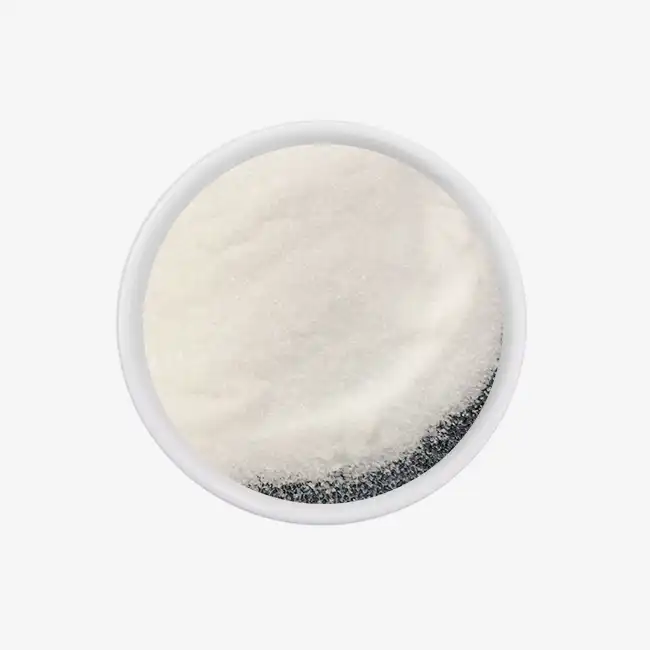
Fertilizer solid potassium acetate has unique physical properties that set it apart from other potassium fertilizers. It appears as white, crystalline powder or grains. It dissolves very easily in water—about 253 grams dissolves fully in 100 milliliters of water at room temperature—much more easily than potassium sulfate (11g/100ml) or even potassium nitrate (31g/100ml). Because it dissolves so easily, it doesn't leave behind any waste in watering systems and makes sure that nutrients are spread evenly throughout the soil profile. The chemical is easy to dissolve in both water and alcohol, which gives formulators more options for specific farming uses.
Core Agricultural Benefits
Modern food production needs chemicals that make the best use of nutrients while causing the least amount of damage to the environment. There are several ways that potassium acetate meets these needs. The acetate part does two things: it gives soil microbes the carbon backbone they need to break down, which indirectly encourages good microbial activity; at the same time, it speeds up potassium uptake through both root and leaf routes. Because it doesn't contain any chloride ions, it saves delicate plants like grapes, citrus fruits, tobacco, and high-quality veggies from chloride toxicity, which is a problem that always comes up with regular muriate of potash.
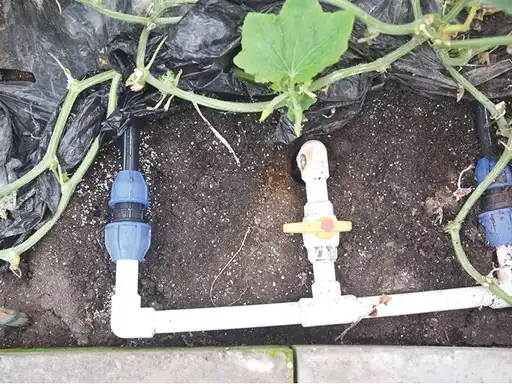
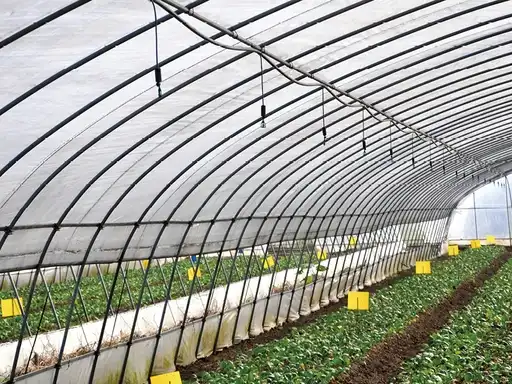
Because potassium acetate has a low salt index (between 20 and 30), compared to potassium chloride's 116, it greatly lowers osmotic stress on plant roots. This trait is especially useful in high-intensity fertigation systems and greenhouse operations where too much salt can hurt crop growth. When drip irrigation or hydroponic systems are used in agriculture, the delivery systems are better and less upkeep is needed because the precipitates dissolve completely.
Strategic Application Methods
To use solid potassium acetate effectively, you need to know what each crop needs and how growth stages affect those needs. This material is used in complete fertility plans by people who work in precision agriculture in a number of different ways. It is completely soluble, which makes it useful for fertilization devices because they can precisely time the application of nutrients to match crop demand cycles. During blooming, fruit set, and grain fill, which are all very important reproductive stages when potassium needs are highest, applying potassium to the leaves quickly helps with signs of deficiency or stress.
When potassium sources aren't easily accessible to plants, like in cold soil, they can cause special problems. Potassium acetate keeps its high uptake efficiency even when soil temperatures stop roots from working. This gives it a strategic edge for early spring uses or production areas in the north. Although the substance has a slightly neutral pH (7.5–8.5 in a 5% solution), it helps keep nutrients available in the soil even when conditions change.
Optimizing Procurement: How to Source High-Quality Solid Potassium Acetate Fertilizer?
Global farming supply chains need complex buying strategies that go beyond just negotiating prices. To get reliable access to high-quality potassium acetate, you have to look at sources in a number of different ways that affect the success of the relationship as a whole.
Supplier Evaluation Criteria
Reliable supply partnerships are based on the ability to manufacture and the regularity of production. Established producers with dedicated sites that produce large amounts of goods each year, like 150,000 tons per year, show that they have the size to support big agricultural operations during times of peak demand. For large sales, production lead times usually last between five and seven working days. This can affect how you plan your supplies and how you use just-in-time shipping.
Quality assurance methods tell the difference between high-end and low-end sources. There are strict testing methods that make sure the minimum purity level is 99.0% or higher, and full records of analysis are sent with every package. This gives the necessary paperwork for tracking and following the rules. Suppliers who allow third-party proof show that they trust the purity of their products and are willing to work with buyers who need independent quality confirmation.
Packaging and Logistics Optimization
When buying in bulk, you need packing options that protect the goods while also making them easy to handle and store. Standard packing in 25-kilogram plastic woven bags works for smaller businesses and a variety of application methods. On the other hand, 1,000-kilogram giant bags make loading containers more efficient and cut down on package waste for big buyers. For proper keeping, dry, well-ventilated areas are needed to keep moisture from absorbing—this is very important because potassium acetate is hygroscopic.
For international shipments, sellers need to show that they know how to handle customs paperwork, classify hazardous products (if needed), and coordinate multiple modes of shipping. Containerized shipping, proper cargo locking, and climate-appropriate routes keep goods from going bad during long transport cycles. Buyers from different regions benefit when sellers keep strategic store positions in key markets. This lets buyers get what they need quickly, even when production facilities are far away.
Building Strategic Partnerships
In the end, transactional connections make it harder to optimize operations, but strategic partnerships make it possible to keep getting better. Leading providers offer expert support that goes beyond just delivering products. They offer agronomic advice, application suggestions that are specific to crops and conditions, and help with fixing when there are questions about how well the product is working in the field. Rapid response times to questions, like two-hour service promises, show responsive communication. This builds trust during the evaluation and execution steps of procurement.
Long-term deals with open terms can work with the fact that farming operations are always changing. Changes in seasonal demand, planting delays caused by bad weather, and changes in food choice mean that supply plans need to be flexible rather than being based on rigid contracts. Having enough backup stock and being able to change production schedules show that suppliers care about their customers' success in more ways than just optimizing individual transactions.
Practical Applications and Case Studies of Solid Potassium Acetate Fertilizer in Crop Production
Agricultural application in the real world is the only way to prove that theoretical benefits are useful in practice. Various types of crops and production methods show that solid potassium acetate can be used in many different areas of modern agriculture.
High-Value Specialty Crop Production
The strategic worth of chloride-free potassium nutrition is shown by greenhouse tomato farms in places with salty flowing water or sodic soil. When potassium chloride is switched out for acetate-based formulas in fertigation programs, operations in the southwestern United States and the Mediterranean report stable yield quality. Because there is less electrical conductivity in the root zones, higher total fertility sources can be used without causing salt stress. This means that the harvest window is longer and the fruits are bigger.
Grape farms producing high-quality wines are especially sensitive to chloride buildup because it lowers the quality of the wine. In California's Napa Valley and other high-end wine areas like it, vineyard managers are increasingly asking for potassium acetate to be used in the soil and on the leaves of plants during important stages of the growing season. The lack of chloride protects the development of delicate flavors while giving the potassium needed for sugar buildup and acid balance, which are important for judging the quality of wine.
Field Crop Applications in Challenging Environments
Large-scale wheat production in the northern Great Plains is hard because the growing seasons are short and the cold dirt makes it hard for plants to take in nutrients early in the season. Progressive operations use starting fertilizer plans that contain potassium acetate, which is better at being available at low temperatures and helps plants grow quickly and strongly. Field tests done during several growing seasons show that these potassium sources produce plants that are fully mature and weigh better than those that use other potassium sources. These benefits directly affect how efficiently crops are harvested and the quality of the grains that are harvested.
Potassium acetate moves quickly through plants and is easy for plants to get in no-till systems that grow corn. The top layers of residue from conservation tillage can briefly stop spread potassium fertilizers from working, leading to early-season deficiencies even though soil test levels are fine. By adding potassium acetate near the seed when planting or through early-season fertigation, this problem can be avoided. This makes sure that the plants get enough food during the important early stages of growth that determine their yield potential.
Economic Return Documentation
Investing in agricultural inputs needs proof of economic returns that support higher prices compared to product options. Comparing different vegetable production methods over several years shows that using potassium acetate always gives a good return on investment. This is because it increases the amount of vegetables that can be sold, makes the quality of the vegetables better, and lowers the number of plants that need to be thrown away. The size of the economic benefit changes depending on the value of the crop. For example, specialty veggies and tree fruits have higher returns than commodity grains. However, there are always good economics in different production situations.
The value of environmental compliance adds another aspect to economic analysis that is often missed when only comparing costs. Potassium acetate's high efficiency and low leaking potential help businesses meet regulatory requirements for nutrient management or get organic certification while still meeting their production goals. In places with strict environmental control, these perks of compliance have real economic value.
Future Trends and Innovations in Potassium Acetate Fertilizer Usage
The markets for agricultural inputs are always changing because of new technologies, new rules, and changing market needs. By understanding new trends, you can be ready for new chances as they arise.
Precision Agriculture Integration
More and more, digital farming tools use real-time field tracking and predictive analytics to help farmers decide how much fertilizer to use. Fertilizer solid potassium acetate is completely soluble and quickly reacts with plants. This makes it great for variable-rate application methods that change the amount of fertilizer used based on differences within the field. GPS-guided fertigation controllers figure out the best time and amount of potassium to use based on formulas for each growth stage and sensor input. This makes the best use of nutrients while reducing waste in the environment.
Drone-based application systems emerging across high-value crop production leverage potassium acetate's suitability for foliar nutrition. The compound's low salt index and fast foliar absorption of the substance allow for focused crop stress reaction without the risk of leaf burn that comes with more concentrated salt fertilizers. This way of applying is especially helpful for perennial crops like citrus and tree nuts, where getting to tools on the ground during key growth times can be hard.
Sustainable Agriculture Alignment
More and more pressure is being put on global agriculture to show that it cares about the environment while also meeting growing food demand. Fertilizer inputs that help reach both of these goals gain significant market positioning benefits. Because potassium acetate's acetate part breaks down naturally and doesn't build up chloride, it's a good choice for environmental concerns and is becoming more popular in export markets and business supply lines.
More and more, the size of a farming input's carbon footprint is being taken into account. This is especially true for businesses that serve markets with carbon labeling or sustainable certification programs. When green energy sources are used to power the production of potassium acetate along with efficient technologies, the process could have lower carbon emissions compared to traditional fertilizer production, which uses a lot of energy. Manufacturers who are thinking ahead and keeping track of their life-cycle carbon footprints give buyers the information they need to make full sustainability reports.
Market Growth Projections
Specialty fertilizer markets, such as those for acetate-based goods, are growing quickly in developed farming economies. North America and Europe are the first places where the technology is being used. This is because regulations are making it harder to use standard fertilizer in sensitive areas, organic farming is growing, and precise farming technology is being used more. Analysis of buying habits shows that the market will continue to grow as farms put environmental performance and efficient use of inputs above standard measures of output.
As agriculture around the world becomes more modern, emerging countries offer big long-term possibilities. Advanced fertility options work best in places that are putting money into greenhouses, precision watering systems, and growing high-value crops for export. For manufacturers and wholesalers to take advantage of these growth possibilities, they need to be able to expand their production capacity and set up a technical support infrastructure that can serve a wide range of geographic markets and farming systems.
Conclusion
These days, farming needs inputs that work really well and meet stricter and stricter standards for the earth and survival. The fertilizer solid potassium acetate is a smart way to meet both of these needs because it dissolves easily, doesn't contain chlorides, and works with precision farming systems. The compound works well with many different crops and production settings, and it has also been shown to help with farming and the economy. This makes it an important part of advanced breeding plans. Even though it costs more than market options, acetate-based potassium nutrition is a great choice for farms that care about long-term soil health, following the rules, and running efficiently. As farming markets continue to shift toward choosing inputs that are good for the environment and managing nutrients precisely, potassium acetate's market place gets stronger because it fits in with these big changes in the industry.
FAQ
How does potassium acetate compare with potassium chloride for crop yield?
Potassium acetate always works better than potassium chloride on crops that are sensitive to chloride, like tobacco, grapes, and high-quality veggies. It gives these crops higher selling yields and better quality grades. For plants that can handle chloride, the differences in output are usually not very big. However, acetate formulations work better in cold soils, fertigation systems, and cases where a deficiency needs to be fixed quickly through foliar spray.
What environmental benefits distinguish acetate-based fertilizers?
The biodegradable acetate part naturally joins the carbon cycles of the soil and doesn't leave behind any leftovers. This helps the healthy groups of microbes that are needed for soil health. Lack of chloride stops salt buildup and groundwater poisoning issues that come with using chloride fertilizer over and over again. This is especially helpful in dry areas with little leaching rains.
How can buyers verify product quality when ordering bulk quantities?
Suppliers you can trust will give you certificates of analysis that show the purity levels, which are usually higher than 99.0% for top agricultural types. Before signing large-scale contracts that set up long-term supply relationships, buyers should ask for proof of testing by a third party, check that the seller has the right certifications, such as ISO 9001 quality management systems, and think about placing trial orders.
Partner with Zhaoyi Chemical for Premium Potassium Acetate Solutions
At our 27,000-square-meter plant, which can make 150,000 tons of high-purity fertilizer solid potassium acetate every year, Zhaoyi Chemical gives over 30 years of manufacturing excellence to the global agricultural markets. Our dedication to quality is shown by the fact that we have ISO 9001, KOSHER, and HALAL certifications, which make sure that our goods meet the high standards needed by foreign farming operations. We offer five- to seven-day production lead times, full technical support, and a variety of flexible packaging options, such as 25 kg bags and 1,000 kg jumbo bags, which are designed to make logistics as easy as possible for agricultural professionals looking for reliable fertilizer solid potassium acetate supplier relationships. Whether you need big amounts for large-scale field operations or specific formulas for high-precision greenhouse systems, our team is ready to help you with advice that is tailored to your crop needs and operational goals. Get in touch with us at sxzy@sxzhaoyi.com to talk about how our quality potassium acetate products can help you reach your sustainability goals and improve your fertility programs.
References
1. Johnston, A.E. and Bruulsema, T.W. "4R Nutrient Stewardship for Improved Nutrient Use Efficiency." Procedia Engineering, Vol. 83, 2014, pp. 365-370.
2. Mengel, K. and Kirkby, E.A. Principles of Plant Nutrition, 5th Edition. Kluwer Academic Publishers, Dordrecht, Netherlands, 2001.
3. Havlin, J.L., Tisdale, S.L., Nelson, W.L., and Beaton, J.D. Soil Fertility and Fertilizers: An Introduction to Nutrient Management, 8th Edition. Pearson Education, Upper Saddle River, New Jersey, 2014.
4. Roberts, T.L. "Improving Nutrient Use Efficiency." Turkish Journal of Agriculture and Forestry, Vol. 32, No. 3, 2008, pp. 177-182.
5. Zörb, C., Senbayram, M., and Peiter, E. "Potassium in Agriculture – Status and Perspectives." Journal of Plant Physiology, Vol. 171, No. 9, 2014, pp. 656-669.
6. Römheld, V. and Kirkby, E.A. "Research on Potassium in Agriculture: Needs and Prospects." Plant and Soil, Vol. 335, No. 1-2, 2010, pp. 155-180.

USER EVALUATE
Here is the customer's evaluation of us