



How Potassium Acetate Improves Oilfield Safety?
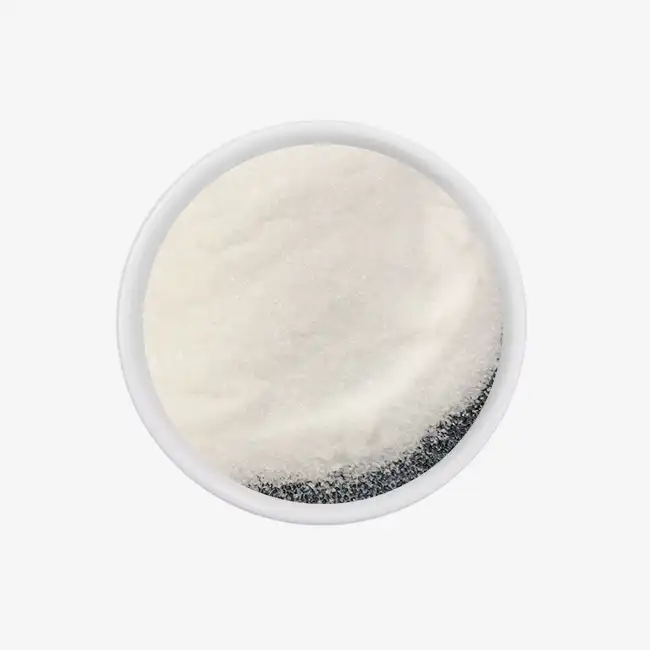
Oilfield solid potassium acetate has become a revolutionary drilling fluid addition that has completely changed upstream oil and gas operations' safety procedures. This white crystalline compound (CH3COOK) provides the necessary potassium ions to stop clay from sticking together without adding corrosive chloride anions. This directly addresses three major problems in the industry: wellbore instability in reactive shale formations, faster equipment corrosion from traditional salt-based additives, and stricter rules for environmental discharge. As this specialised organic salt stabilises sensitive geological formations and lowers the biological oxygen demand in waste streams at the same time, it helps drilling contractors and oilfield service companies keep their operations running smoothly in both normal and environmentally sensitive drilling zones where safety must not be compromised.

Understanding Potassium Acetate in Oilfield Applications
Because of how it is made, potassium acetate is perfect for current drilling conditions. Unlike older chloride-based inhibitors like potassium chloride (KCl), the acetate version stops reactive clay from growing by exchanging cations effectively, without putting stress on the metals used in downhole equipment. This difference is very important when drilling through weak rock layers that can cause the hole to fall, pipes to get stuck, and time spent not working.
Chemical Composition and Functionality
When compared to other shale inhibitors, potassium acetate's molecular structure (CAS 127-08-2, molecular weight 98.14) makes it easier to dissolve. The substance dissolves easily in water to make clear brines with densities up to 1.57 specific gravity, which can be reached without using solid measuring agents that could damage the formation. It is easy for this solubility profile to quickly mix into water-based mud systems at the rig site, even when temperatures are changing a lot, like they do in Arctic drilling or deep-water operations.
The acetate anion helps to balance the pH levels of the drilling fluids, which keeps them from becoming too acidic and speeding up the rusting of the drill strings and casing. This action of buffering makes tools last longer while keeping the rheological qualities needed for moving cuttings and controlling pressure throughout the wellbore.
Comparison with Traditional Drilling Additives
The acetate version has significantly lower rust rates on normal oilfield tubulars when compared to the more common potassium chloride. Testing done by a third-party lab shows that drilling fluids made with potassium acetate have 60–75% lower rust rates than systems made with chloride when the same conditions are used downhole. This means that drilling companies who manage machine fleets will be able to do more frequent inspections and spend less on upkeep.
Sodium acetate has some of the same stabilising qualities as potassium ion, but it doesn't have the important potassium ion that stops clay better. The ionic radius of potassium cation makes it better than sodium at filling up interlayer spaces within clay minerals. This stops the water expansion that makes wellbore walls less stable. Because of this basic difference in performance, potassium acetate is the best choice for drilling through shales that are high in montmorillonite, which is where wellbore integrity is the most at risk.

Interaction with Drilling Fluid Systems
Potassium acetate works well with polymer-based viscosifiers that are often used in water-based muds. The chemical works well with xanthan gum, polyanionic cellulose (PAC), and modified starch systems; it doesn't cause any precipitation or loss of viscosity. Because of this, fluid engineers can make high-performance muds that deal with multiple drilling problems at once, such as controlling filtration and rheology, all within a single fluid system.
Solid potassium acetate can be used in high-temperature wells where fluid breakdown would normally hurt performance because it is stable at high temperatures. The acetate salt stays chemically stable at temperatures above 200°C, while organic polymers break down above 150°C. This makes it ideal for geothermal drilling and deep high-pressure high-temperature (HPHT) exploring wells, where other additives fail.
Safety Advantages of Using Potassium Acetate in Oilfield Operations
The safety rating of potassium acetate is much better than that of traditional drilling chemicals, especially when it comes to the effects on people and the environment. Knowing about these benefits helps people who work in buying make smart choices that balance business needs with company safety rules and legal requirements.
Reduced Toxicity and Environmental Impact
When compared to chloride-based options and manufactured chemical inhibitors, potassium acetate is a much less harmful substance. The compound's LD50 values show that it poses a low acute poisoning risk during handling, which means that workers don't need to wear any extra safety gear on top of what is required by normal oilfield safety rules. This lower danger rating makes operations easier for remote sites that don't have a lot of room to store chemicals or respond to emergencies.
The benefits to the earth go beyond keeping people safe. It is easy for potassium acetate to break down in soil and water, with routes that turn the molecule into carbon dioxide and water without leaving behind any long-lasting byproducts. Chemical oxygen demand (COD) levels in drilling water treated with acetate-based fluids are 40–50% lower than those treated with chloride comparable systems. This makes it easier to follow the rules for offshore release permits and domestic wastewater treatment.
Handling and Storage Best Practices
Because potassium acetate is hygroscopic, it needs to be stored in a way that takes this into account. The crystalline solid easily soaks up water from the air, which can cause it to harden and dissolve if the structure of the package is damaged. To keep the material's flowability and stop it from drying out too quickly, we suggest keeping it in climate-controlled buildings with temperatures between 15°C and 25°C and relative humidity below 60%.
Transportation rules should keep people from being exposed to heavy rain and high temperatures as much as possible. The compound comes in either 25 kg multi-ply woven bags with plastic covers or 1000 kg flexible intermediate bulk containers (FIBCs) with moisture shields. Both types of packing keep the compound dry. When delivered to drilling sites, the products must be moved right away to covered storage to keep water out, which could lower the quality of the products and make them harder to handle during repair operations.
Chemical safety rules say that people who work with potassium acetate should wear chemical-resistant gloves and wear eye protection. This is true even though potassium acetate is not very dangerous. The main way that people are exposed is through moving bags, which creates dust. This can be easily managed by adding local exit air or using simple dust reduction methods during shift operations. Because liquid organic chemicals don't contain flammable organic molecules, they are safe to breathe in.
Comparative Safety Analysis
When compared to potassium formate, which is another high-end drilling fluid addition, potassium acetate has similar shale inhibition performance at a lower cost, making it easier for businesses on a budget to use. Formate systems can handle a little more congestion, but they make the supply chain more complicated because they can't be made everywhere. Additionally, the acetate substitute works well enough for most cutting tasks and provides more source choices and cost-effective purchasing options.
The corrosion profile comparison reveals potassium acetate's distinct advantage over chloride salts. Electrochemical tests show that acetate-based brines keep the passive film stable on carbon steel surfaces over a wider pH range than chloride solutions, which cause pitting corrosion even when the pH level is only slightly acidic. This resistance to rust includes special metals used in finishing equipment. This lowers the chance that equipment will fail catastrophically during important well operations.
Selecting the Right Potassium Acetate Solution for Oilfield Safety
When buying oilfield solid potassium acetate, it's important to carefully look at the product specs, the supplier's skills, and the needs of the application. The difference between industrial-grade materials that can be used for de-icing and oilfield-grade materials that are made for use downhole has a big effect on how well operations go and how safe they are.
Product Grade Differentiation
The quality of oilfield-grade potassium acetate is usually higher than 98%, with strict rules about chloride pollution, heavy metals, and solid matter. These strict quality standards make sure that the product works as expected in drilling fluids without adding any impurities that could make emulsions less stable, cause polymer precipitation, or damage the formation. Even though industrial types are chemically identical, they may have impurities that are fine for use on the surface but can be a problem in sensitive downhole settings.
Quality papers should show that each batch was tested for important factors like measurement, pH of solution, salt content, and moisture levels. Reliable sources give out certificates of analysis (CoA) that can be fully traced back to production batches. This lets you check the quality and solve any problems that come up during field application.
Supplier Evaluation Criteria
When looking for a trusted provider, you need to look at their producing skills, quality control systems, and expert help infrastructure. Keeping their ISO 9001 license shows that a manufacturing facility is dedicated to consistent quality control and process paperwork. Other standards, like ISO 14001 for environmental management and ISO 45001 for health and safety at work, show that the company has well-rounded management systems that lower the risk in the supply chain.
For big drilling projects that need a steady flow of materials, production ability and store control skills are very important. Suppliers who have more than one production line with a yearly capacity of more than 100,000 tonnes can handle high demand during drilling sessions without having to worry about distribution. Having enough inventory backups and well-established transport networks makes sure that deliveries happen on time, even when going to remote digging sites with limited infrastructure.
In competitive markets, providers who can offer technical help set themselves apart. Having access to application engineers who know how to make drilling fluids is very helpful for designing fluids, fixing problems, and making them work better. Technical teams that are available 24 hours a day, seven days a week for advice and quick responses cut down on wasted time when changes need to be made to the recipe because of conditions in the field.
Performance and Cost Considerations
Instead of just looking at unit price, economic research should look at the total cost of ownership. The solid form is much easier to ship because it doesn't need to be transported in water, which is expensive for liquids. Shipping costs are 40–50% less for solids than for liquids, which can make up for any higher unit prices for solids. This is especially true when sending chemicals to rural digging sites where freight costs are the main cost.
Cost-effectiveness is affected by product performance, which lowers usage rates and improves drilling efficiency. To get the same level of shale prevention, high-purity formulas need lower treatment doses. This means that less chemical is used per well overall. A good acetate treatment makes the wellbore more stable, which cuts down on lost circulation, stuck pipes, and other problems with wellbore instability that waste a lot of time and cost a lot more than the chemicals used.
Conclusion
Because it has better chemistry and performance, oilfield solid potassium acetate greatly enhances oilfield safety by handling the related issues of wellbore stability, equipment integrity, and environmental compliance. The substance is perfect for drilling operations that must maintain safety because it can give potassium cations without acidic chlorides. It is also biodegradable and has a low hazard profile. By choosing the right grades, building trusting relationships with suppliers, and following the right handling procedures, procurement pros put their companies in a position to benefit from these safety benefits while also keeping costs low. As government rules change and best practices in the business get better, potassium acetate-based drilling fluids will be used as a reference to measure other chemicals against.
FAQ
Why is potassium acetate better for digging than potassium chloride?
The safety edge comes mostly from how well it resists rust and how little damage it does to the environment. KCl chloride ions help localised pitting corrosion happen on drilling equipment, especially when the environment is acidic or when oxygen gets contaminated. This way of corroding can cause equipment to break down without warning, which is very dangerous. Potassium acetate gets rid of this rusting route while still stopping shale from growing. The fact that the acetate breaks down naturally makes it even safer because it lowers the long-term damage that chloride salts do to release waters and drilling waste streams.
How should I store things so that they don't harden or lose their quality?
To keep the quality of the product, the temperature and humidity must be controlled while it is being stored. Low relative humidity stops the absorption of water that leads to caking, and temperatures between 15°C and 25°C keep the working properties. The best way to protect against humidity is to seal your goods in moisture-resistant bags or large containers. Storage places should have enough air flow and not be open to the weather. Using FIFO to rotate goods on a regular basis keeps things fresh and stops them from being stored for too long, which can increase the risk of caking even with the right weather controls.
How does potassium acetate meet the needs of environmental compliance?
The substance breaks down quickly and is not harmful to marine life, which makes it easier to follow rules for ocean release and domestic wastewater treatment. Drilling fluids made with potassium acetate have much lower COD and BOD levels than fluids made with chloride, which lowers the cost of cleanup and the damage to the environment. As acetate-based drilling waste doesn't have bioaccumulative properties or toxic breakdown products, it can usually be handled and thrown away in the same way as other waste. This is because it doesn't need to be handled or thrown away in the same way that chloride-contaminated materials do in environmentally sensitive areas.
Partner with Zhaoyi Chemical for Superior Oilfield Safety Solutions
has been making acetate for more than 30 years and now works with the upstream oil and gas business. They make high-purity oilfield solid potassium acetate that meets the strict needs of current drilling operations. Our production plant is ISO 9001, ISO 14001, and ISO 45001 approved, and it can keep up a yearly capacity of more than 150,000 tonnes. This means that drilling efforts of any size can always get what they need. With regular purity levels above 98% and full quality paperwork, this drilling fluid can be easily added to your existing programs and meet the strictest buying requirements. As a reliable potassium acetate producer with established transportation networks across North America, we offer quick technical support, low bulk prices, and a variety of packing choices that can be adjusted to your business's needs. You can email our applications engineering team at sxzy@sxzhaoyi.com to talk about your specific drilling problems, get product samples, or find out more about how our oilfield solid potassium acetate solutions can make your drilling activities safer and more productive.
References
Caenn, R., Darley, H.C.H., and Gray, G.R. (2017). Composition and Properties of Drilling and Completion Fluids, 7th Edition. Gulf Professional Publishing, Oxford.
Patel, A.D. (2009). "Shale Hydration Inhibition Agent and Application Thereof in Oil and Gas Wells," SPE Drilling & Completion, 24(2), pp. 256-265.
Aston, M.S. and Elliot, G.P. (1994). "The Chemical and Physical Characterisation of Shales," SPE European Formation Damage Conference, The Hague, Netherlands, May 15-16.
Van Oort, E. (2003). "On the Physical and Chemical Stability of Shales," Journal of Petroleum Science and Engineering, 38(3-4), pp. 213-235.
Reid, P.I., Dolan, B., and Cliffe, S. (1995). "Mechanism of Shale Inhibition by Polyols in Water Based Drilling Fluids," SPE International Symposium on Oilfield Chemistry, San Antonio, Texas, February 14-17.
Environmental Protection Agency (2016). Effluent Limitations Guidelines and Standards for the Oil and Gas Extraction Point Source Category, Federal Register Vol. 81, No. 122, Washington, D.C.

USER EVALUATE
Here is the customer's evaluation of us